These photos were shared by photographers on Wikimedia Commons under open licenses. Each one is credited.
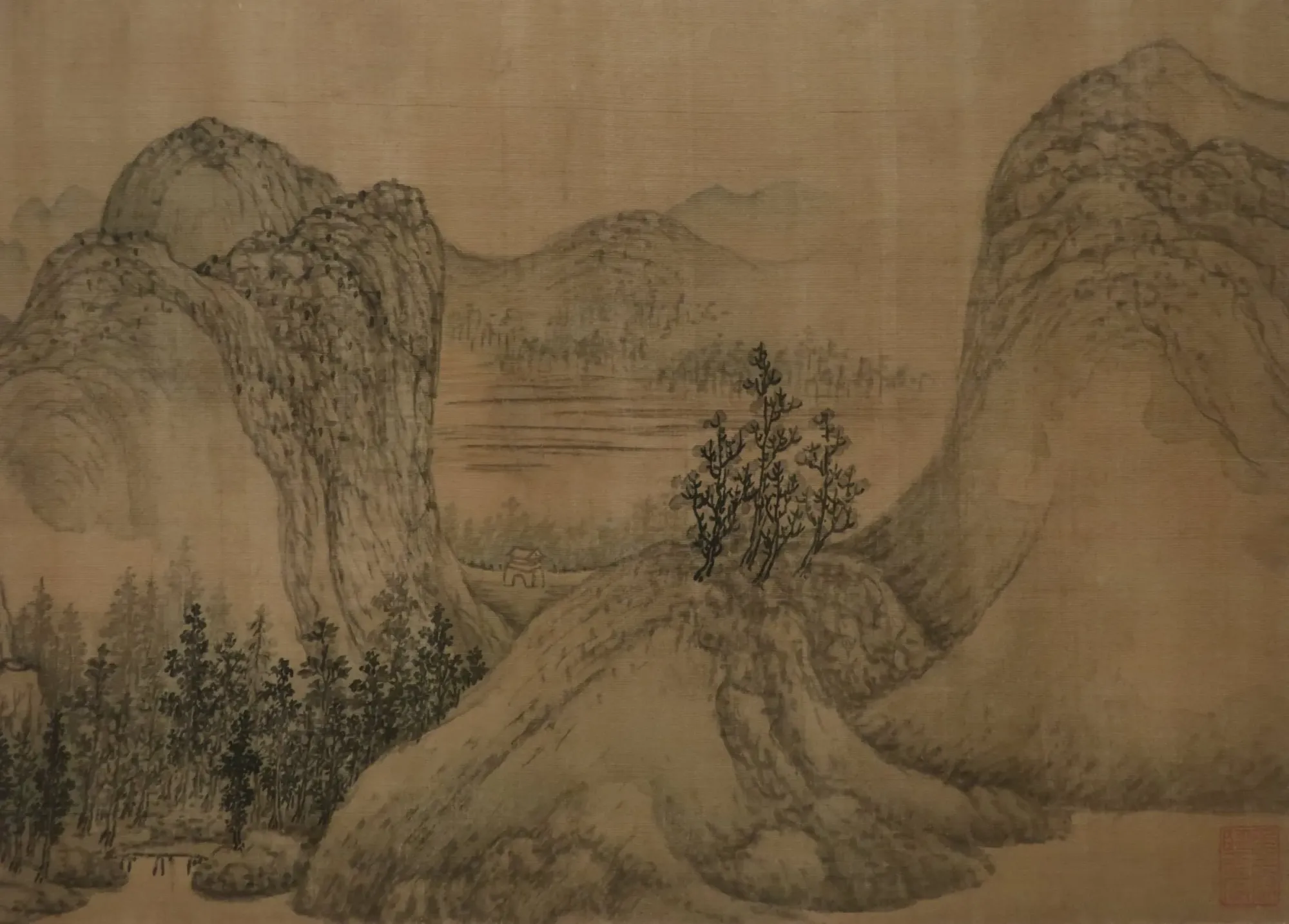
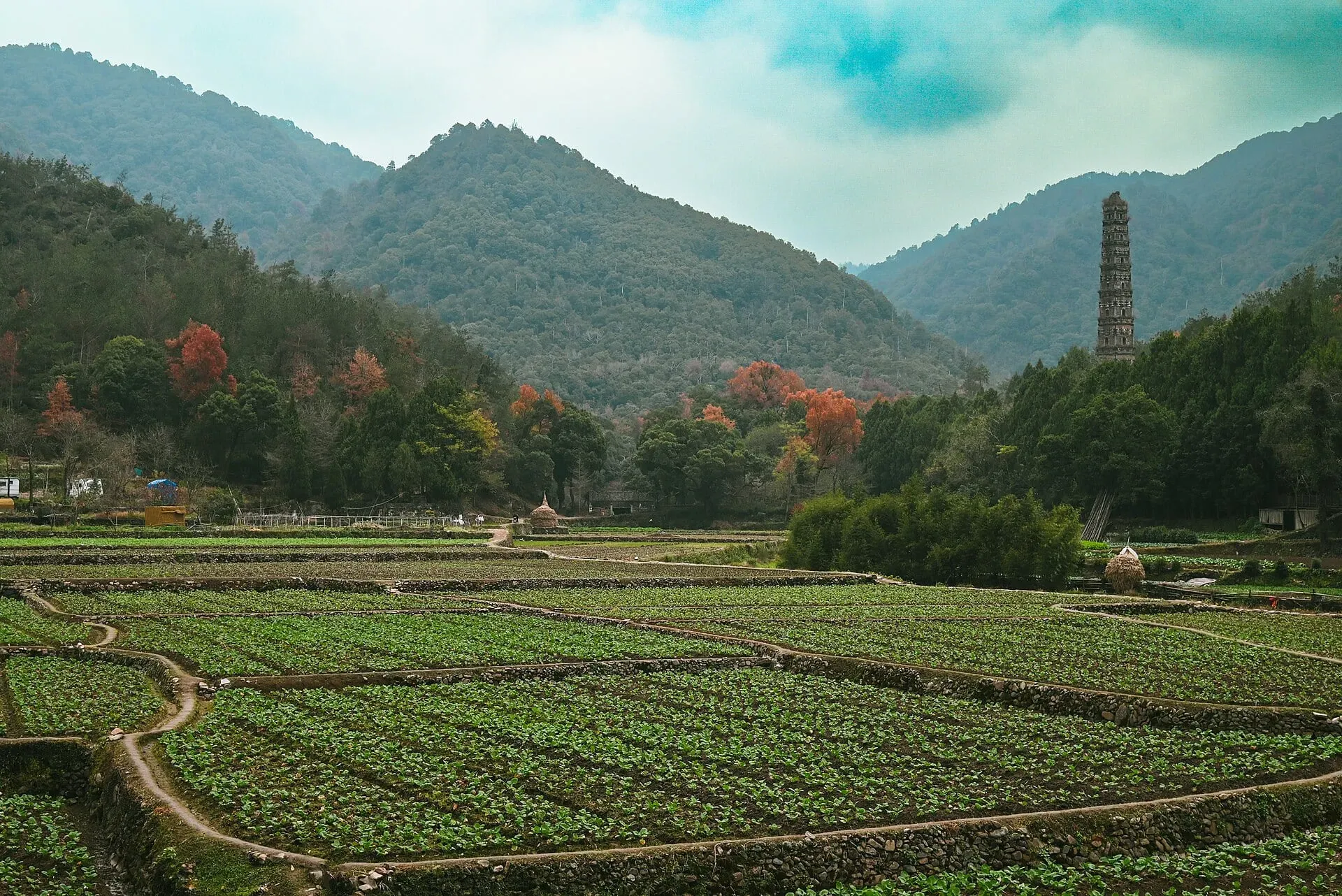
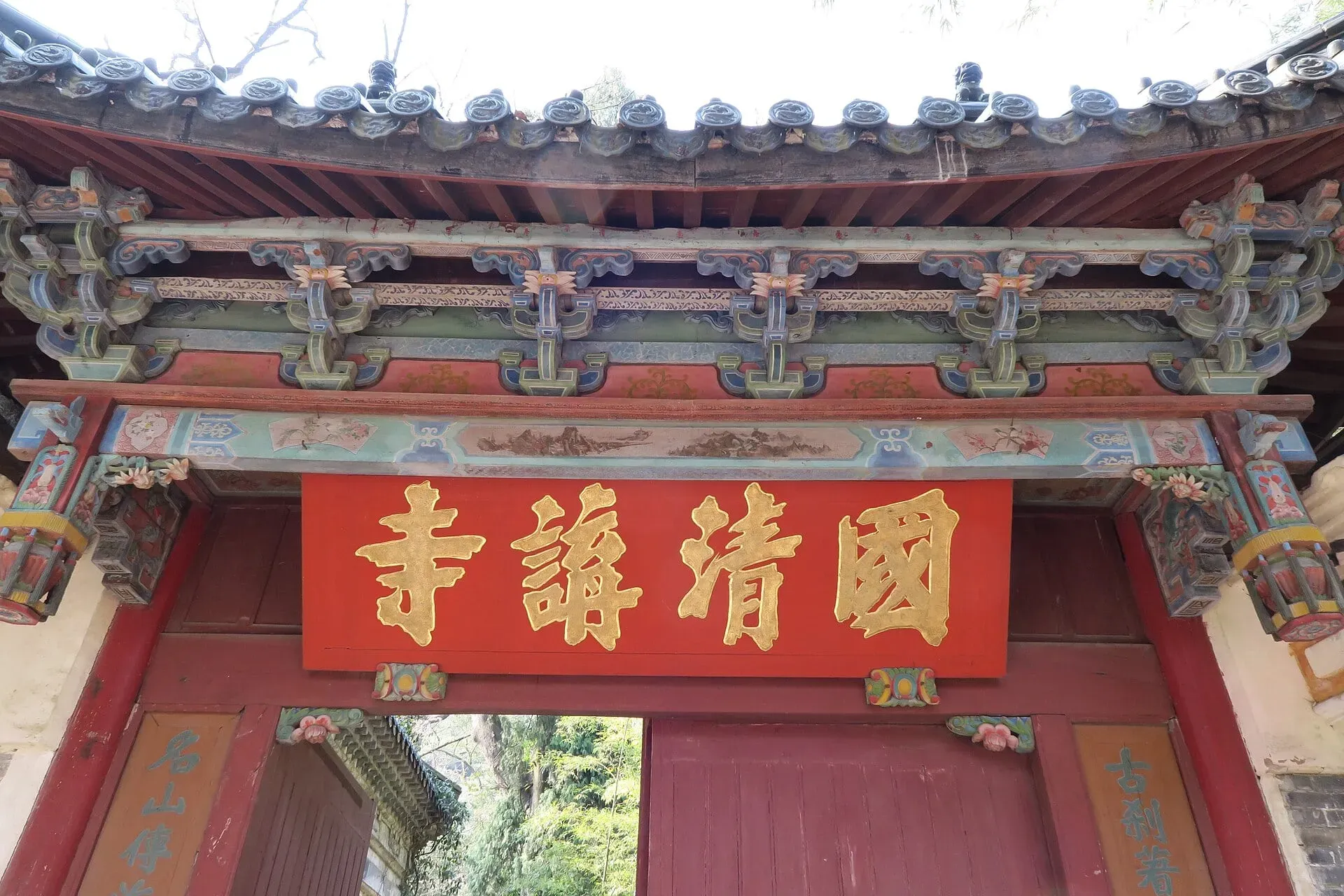
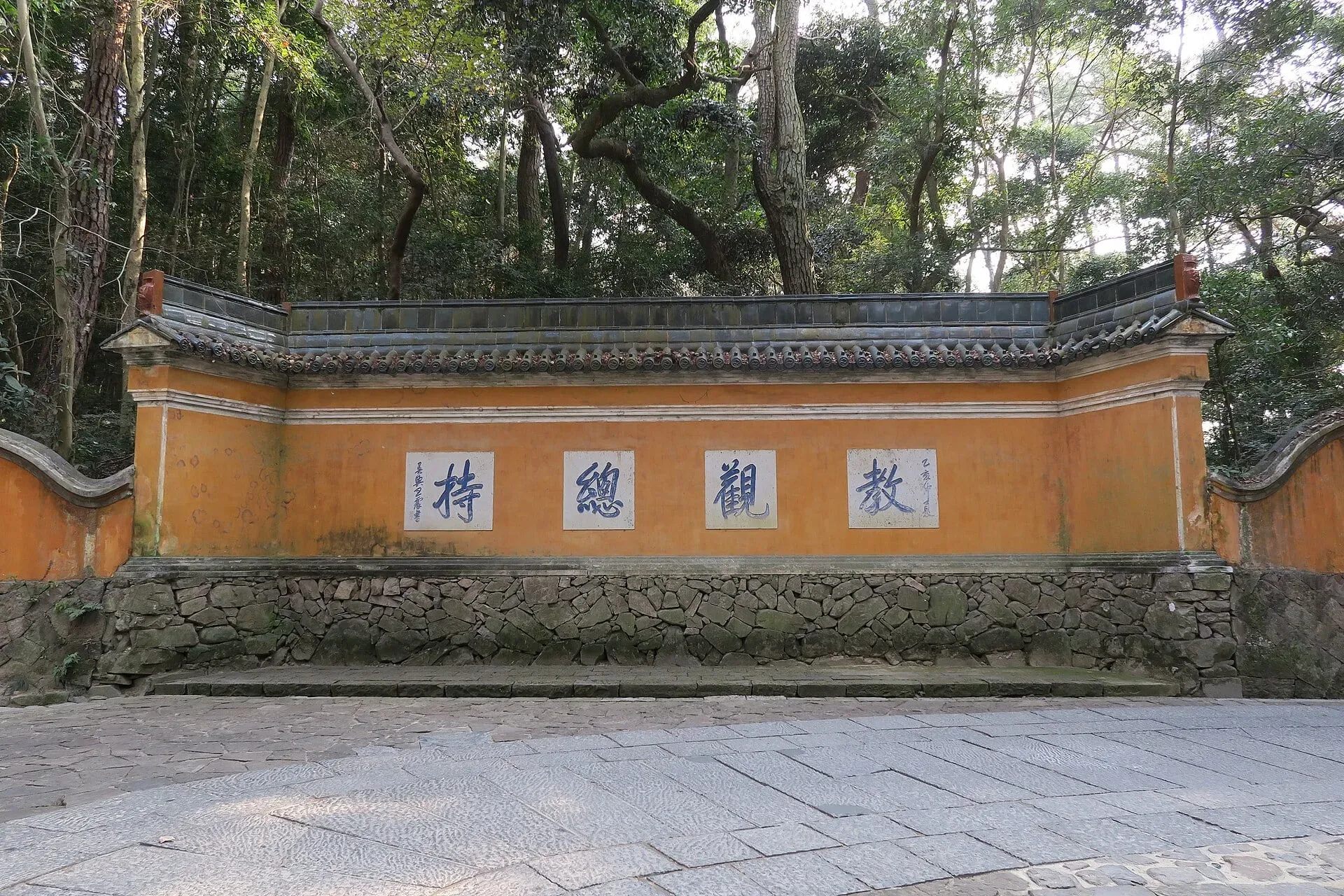
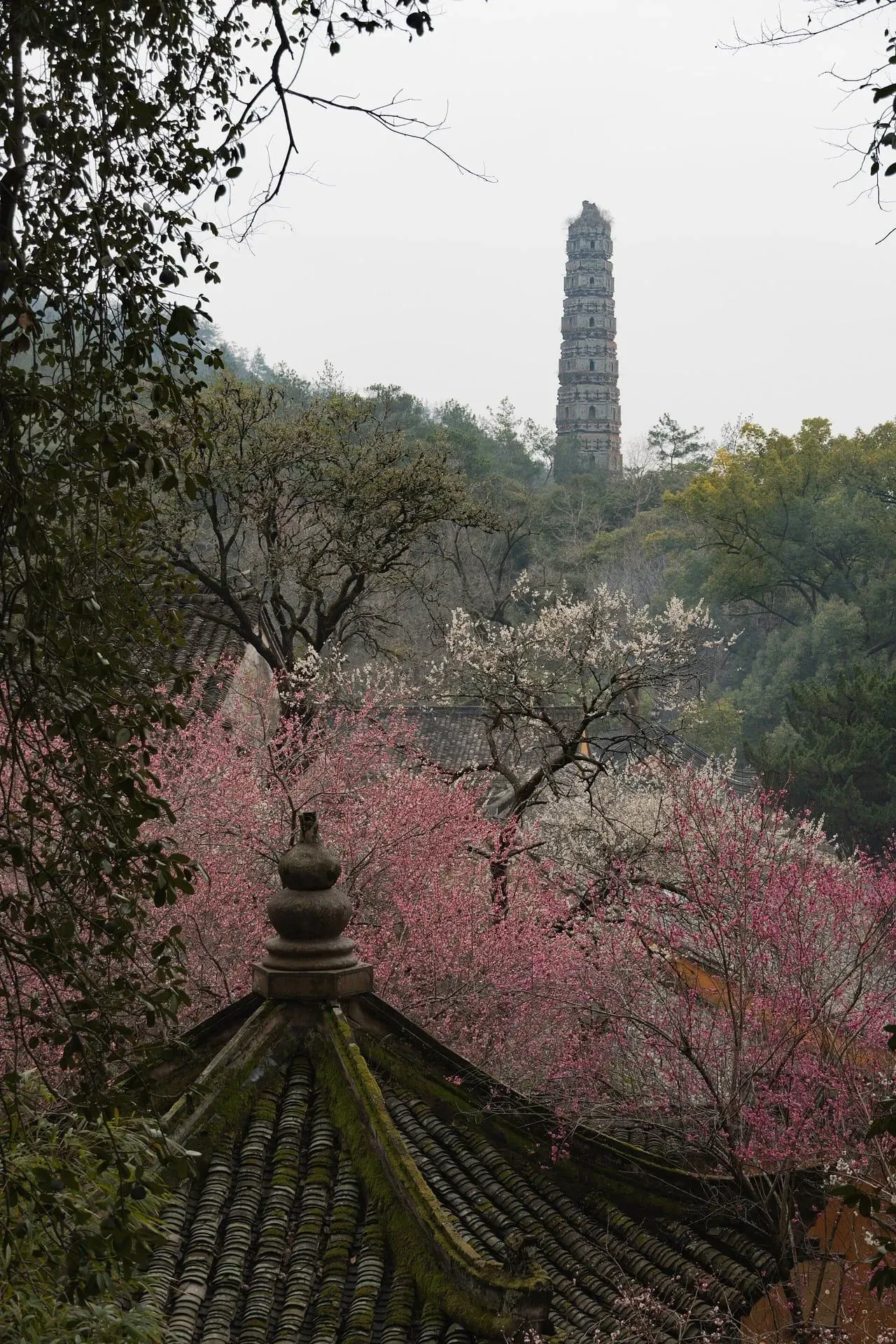
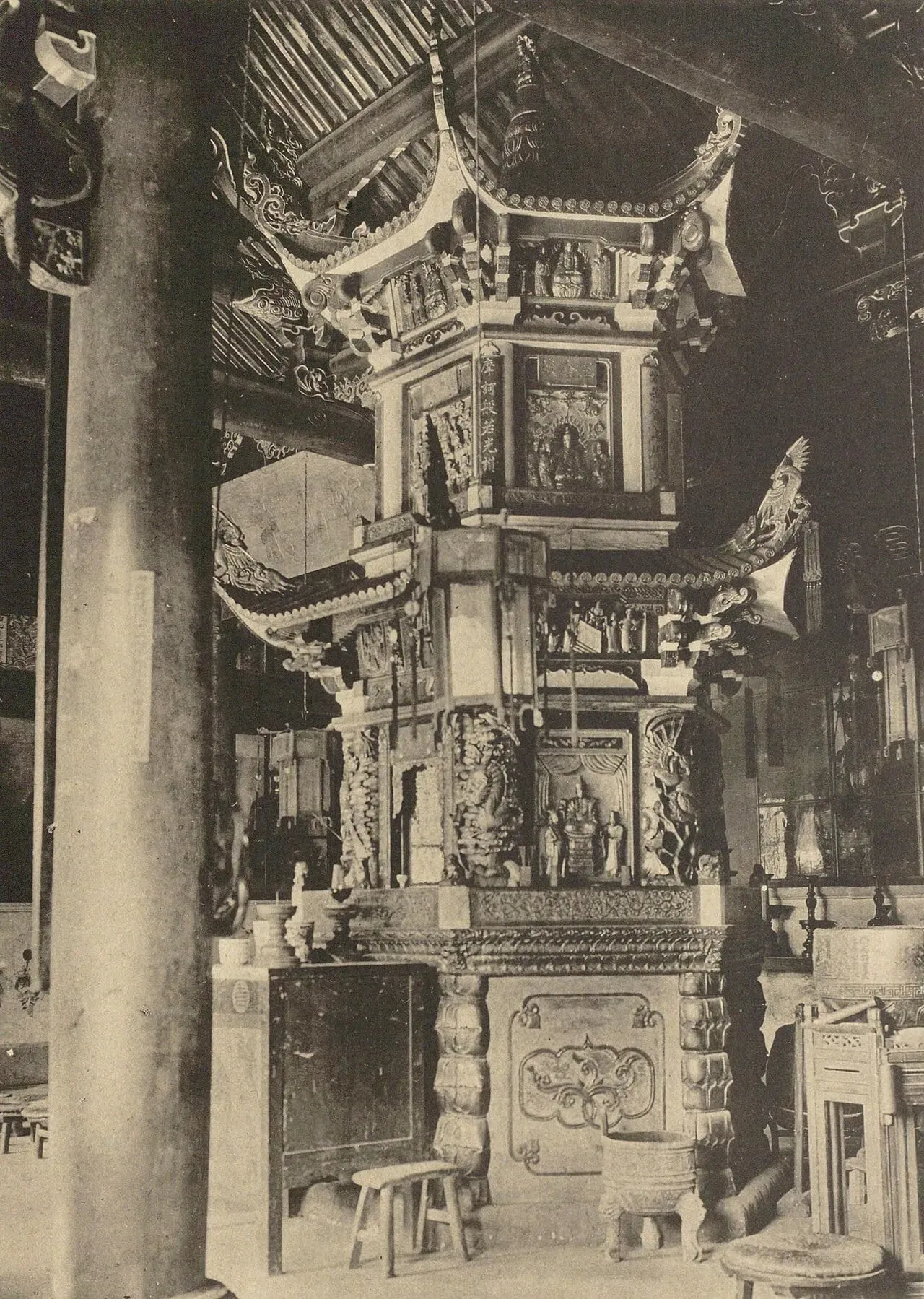
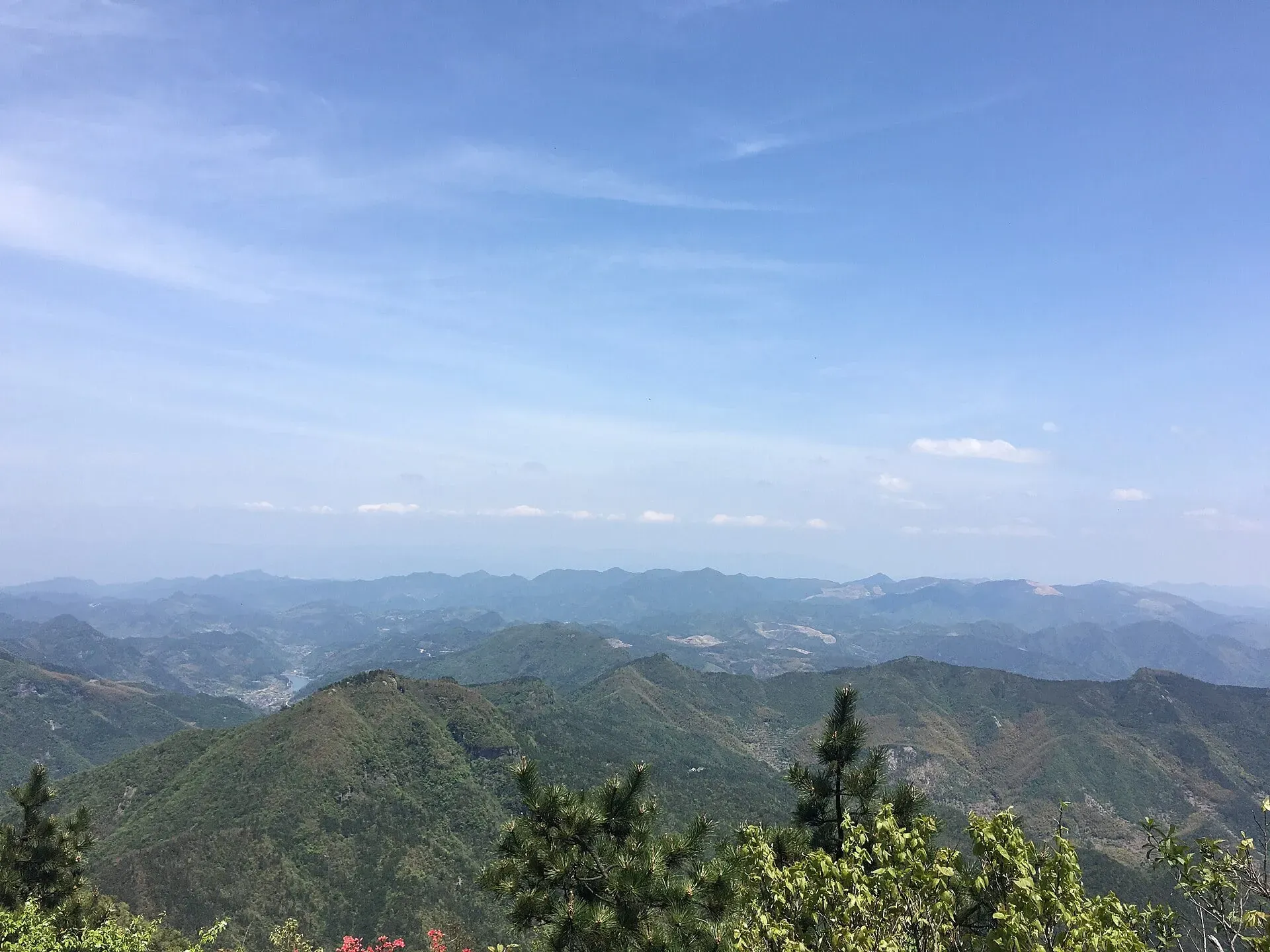
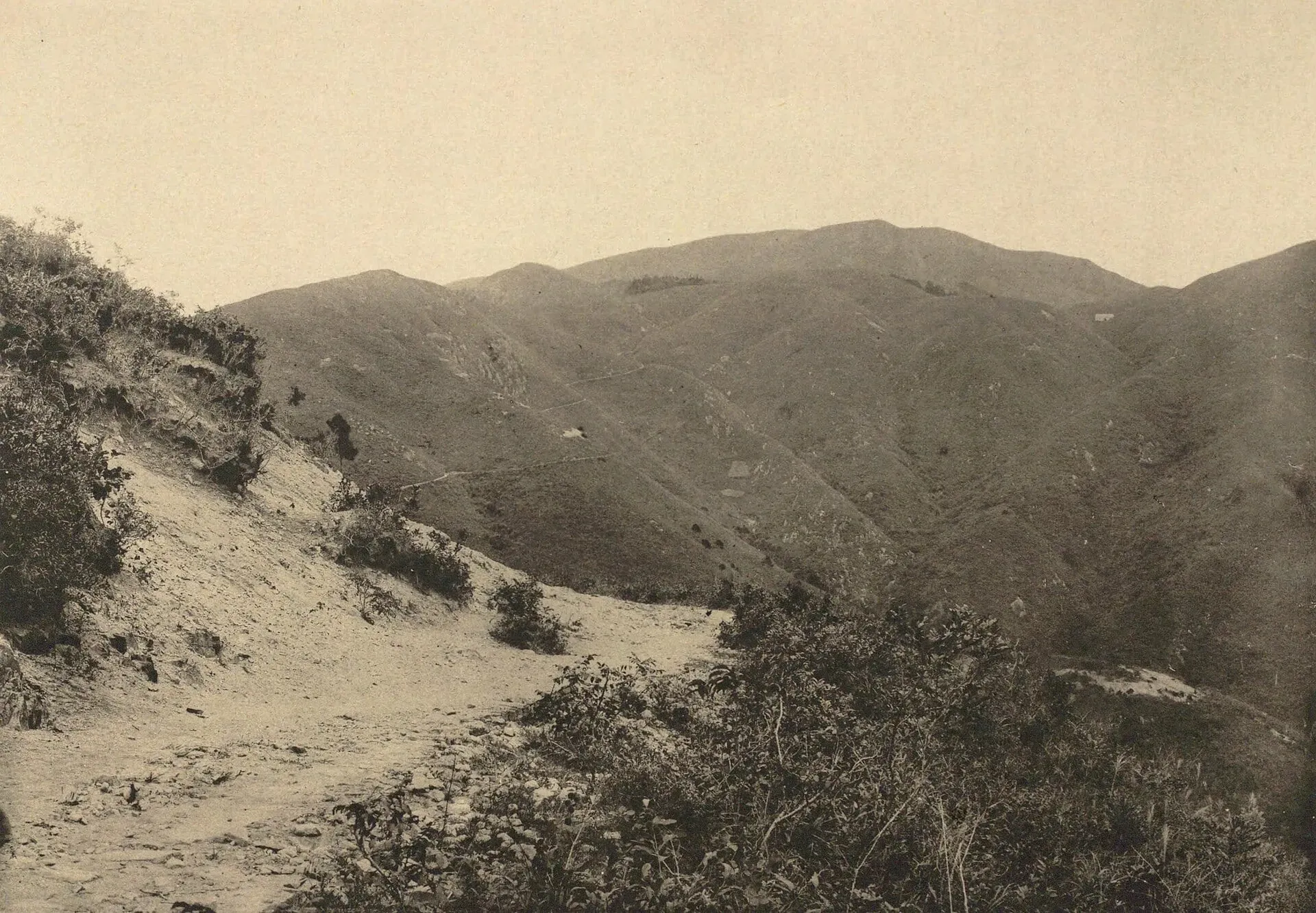
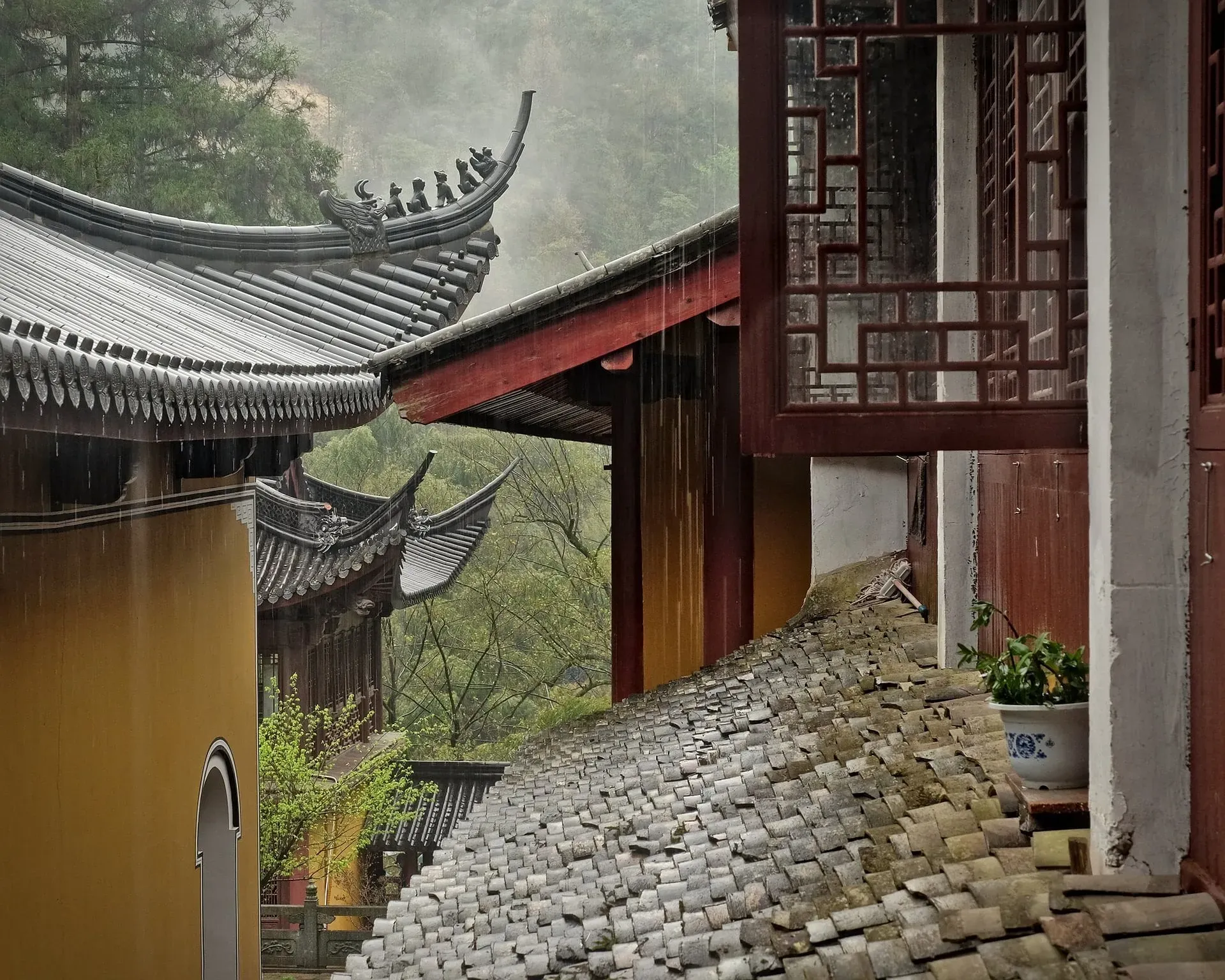
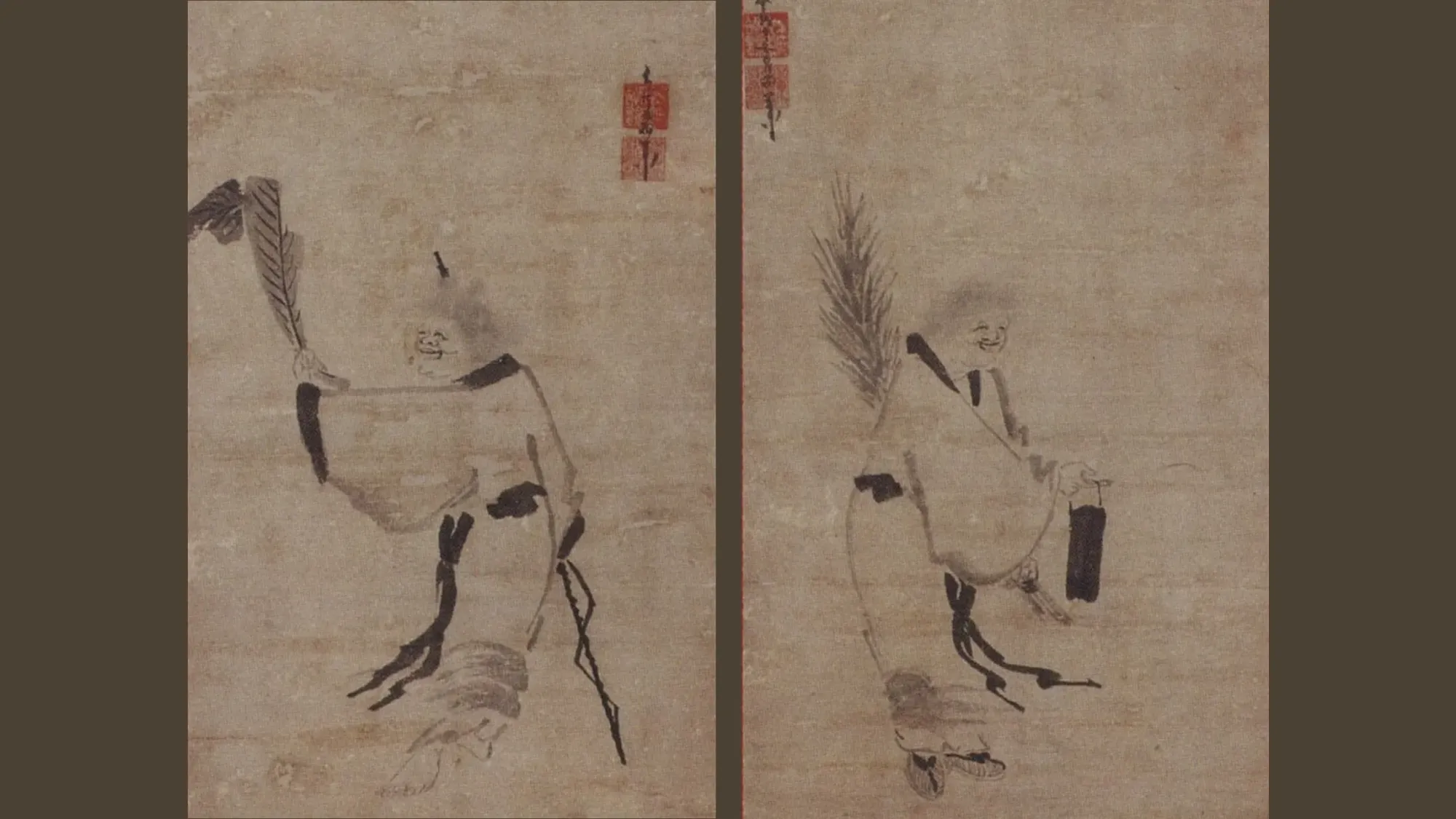
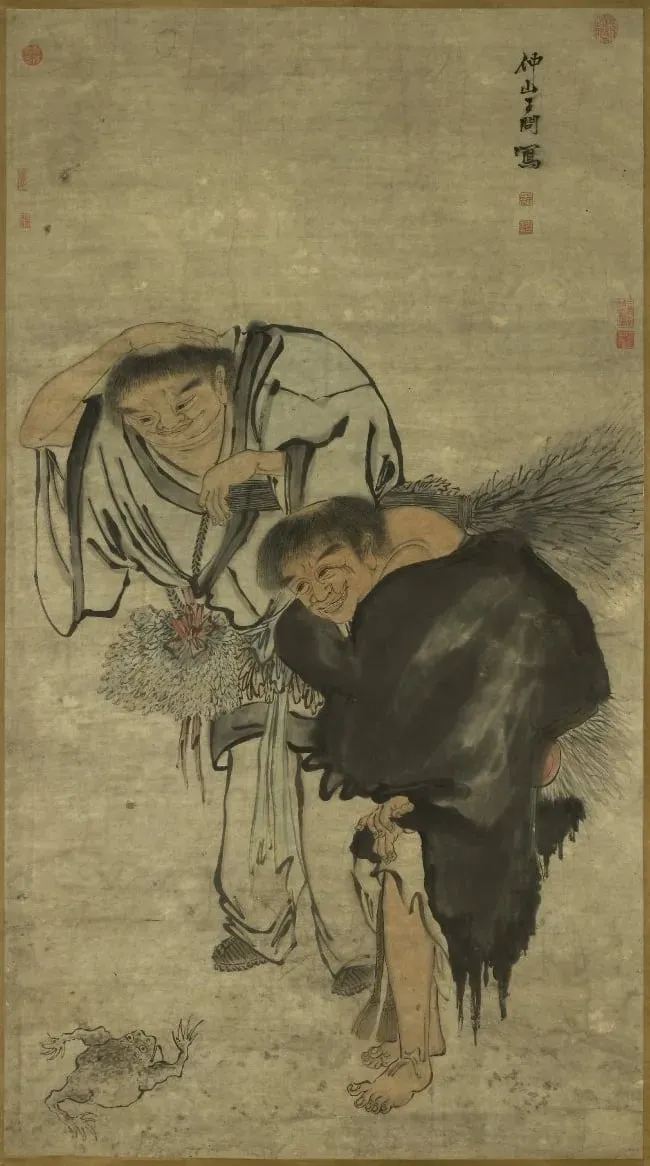
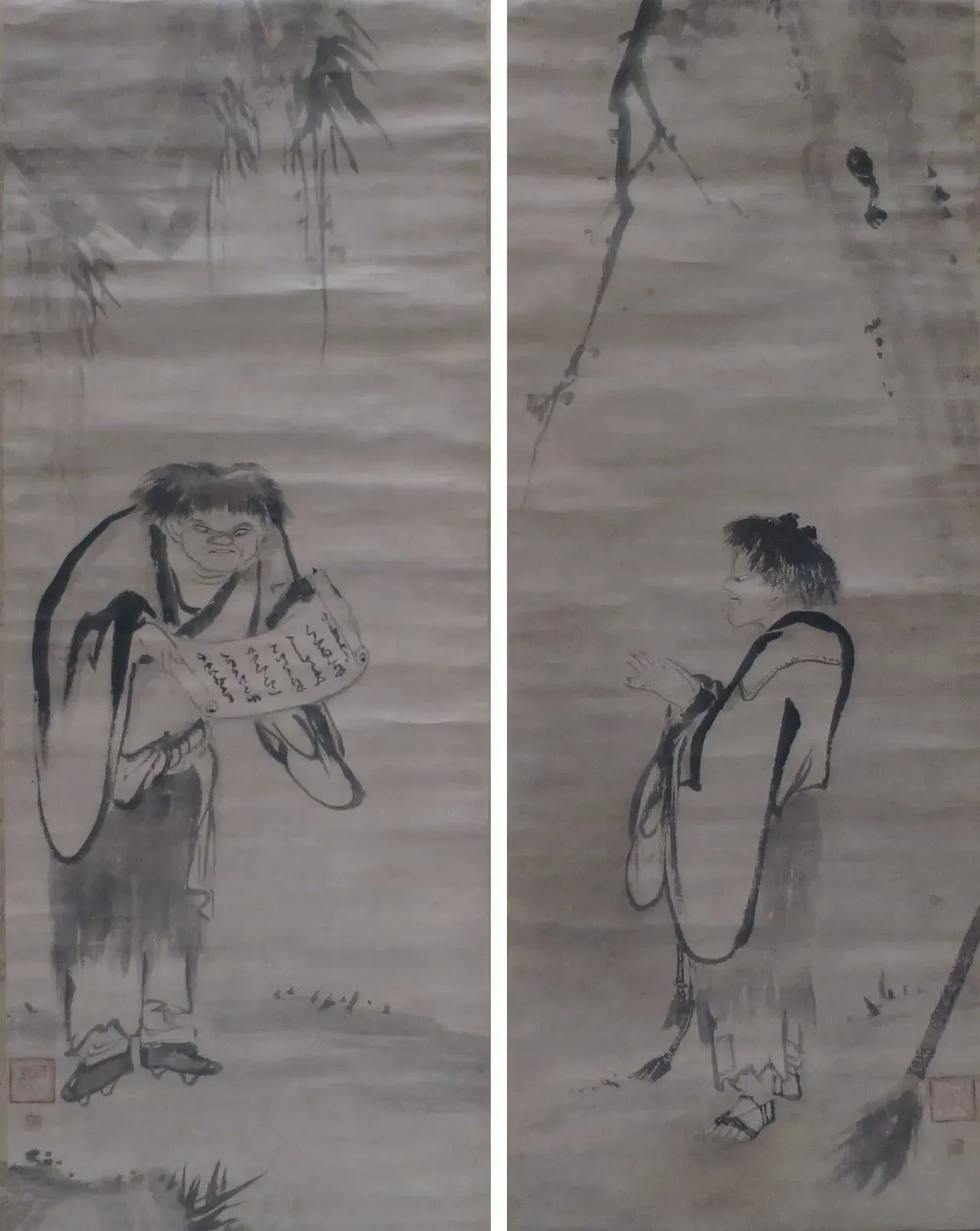
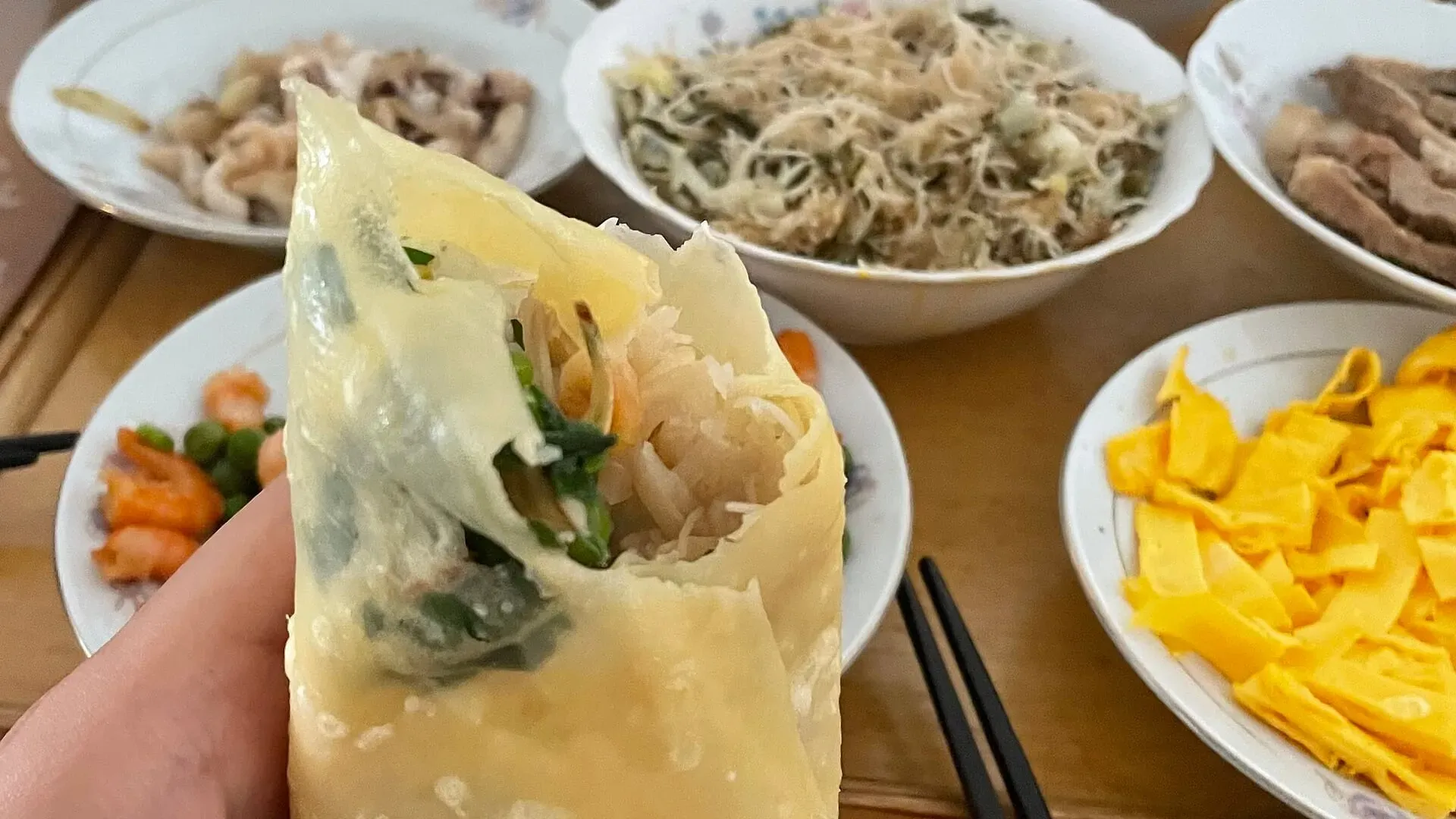
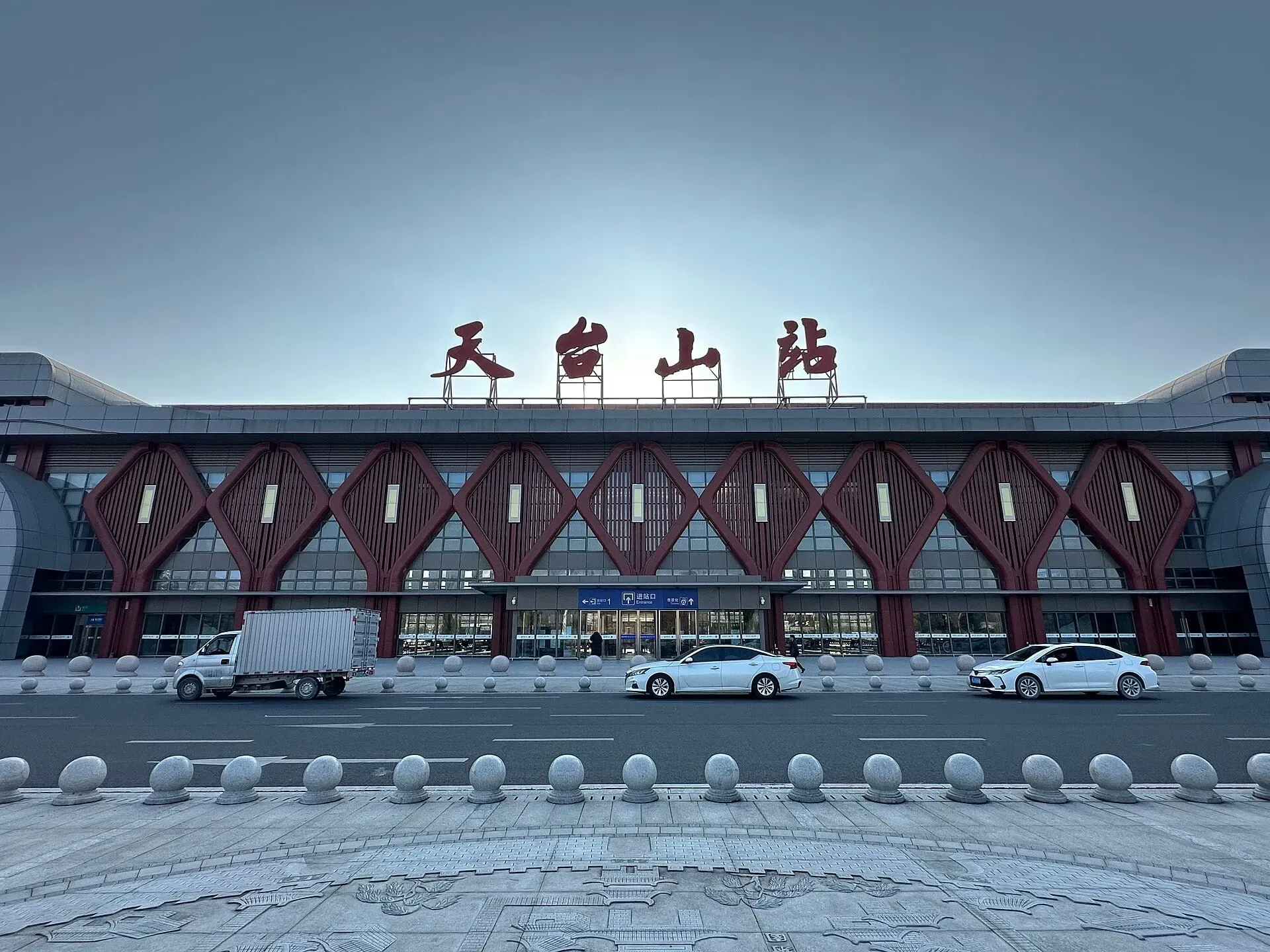
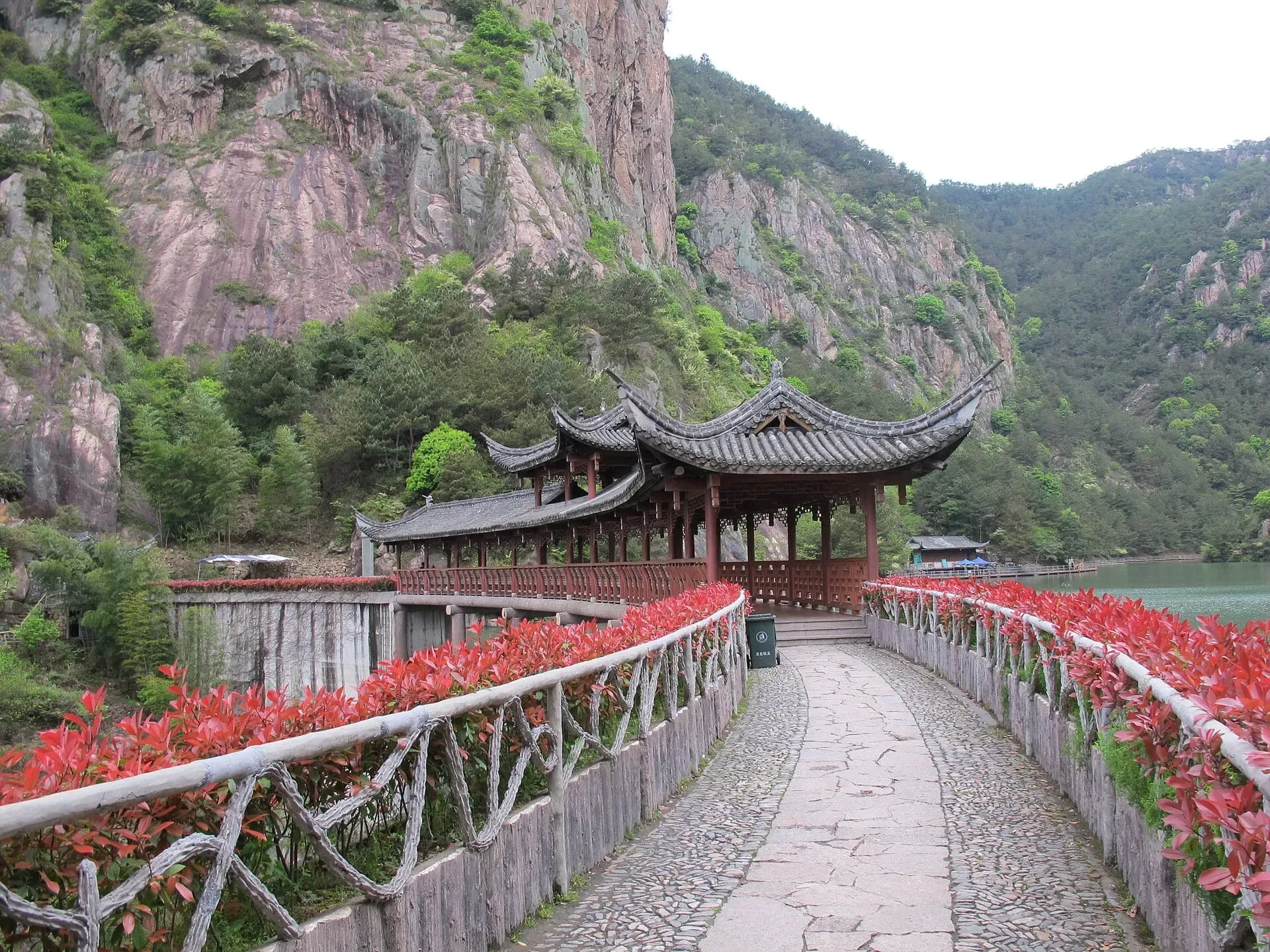
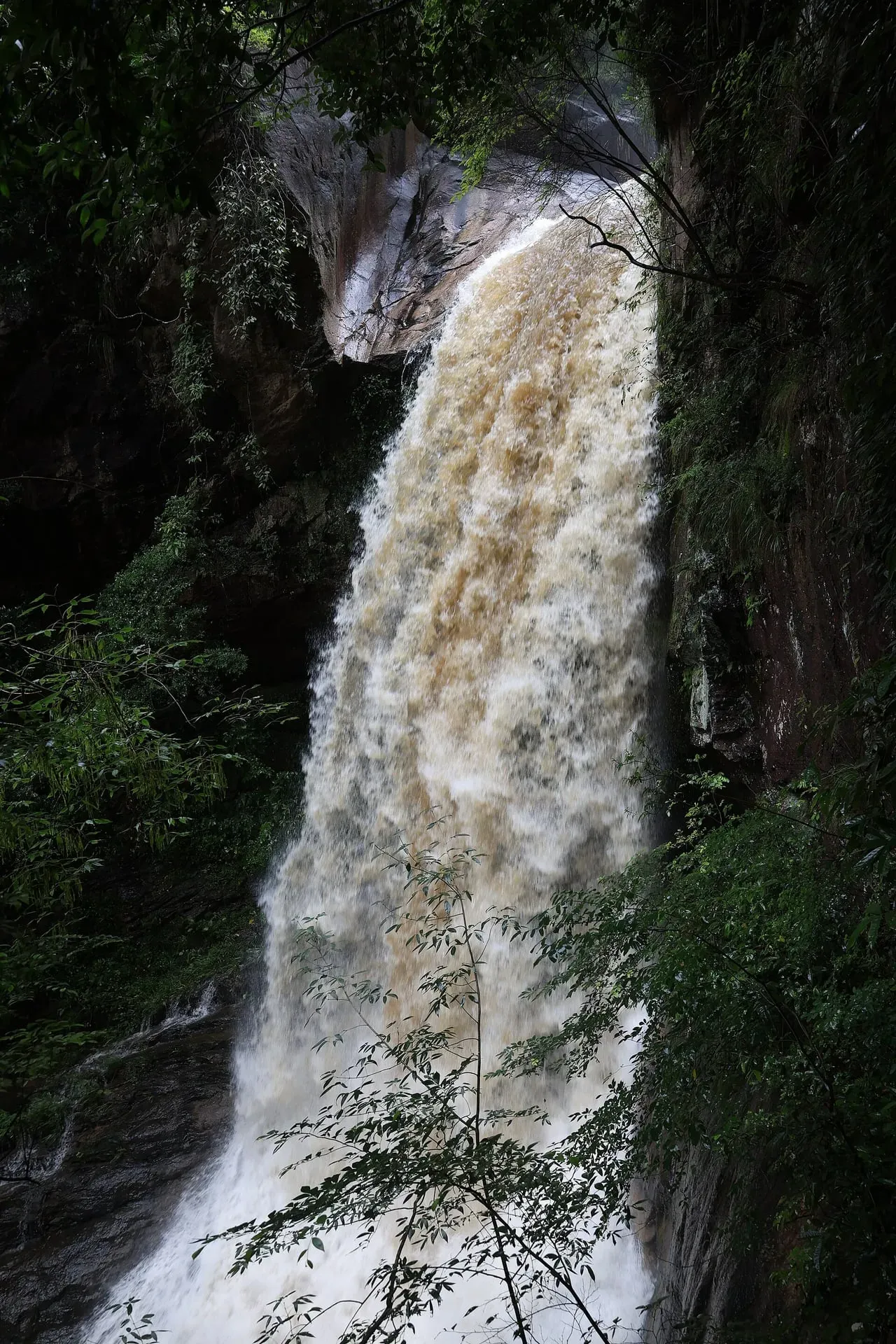
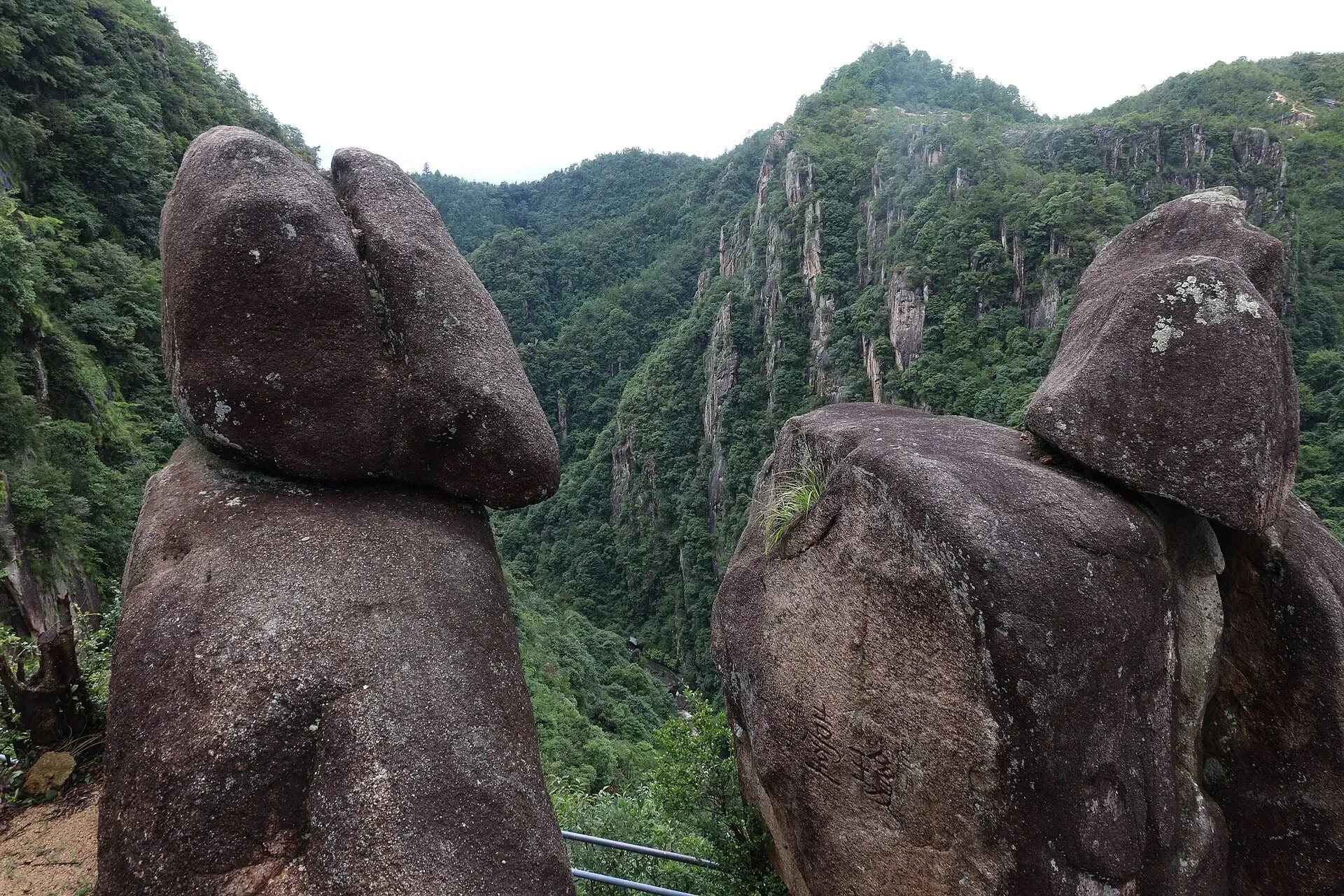
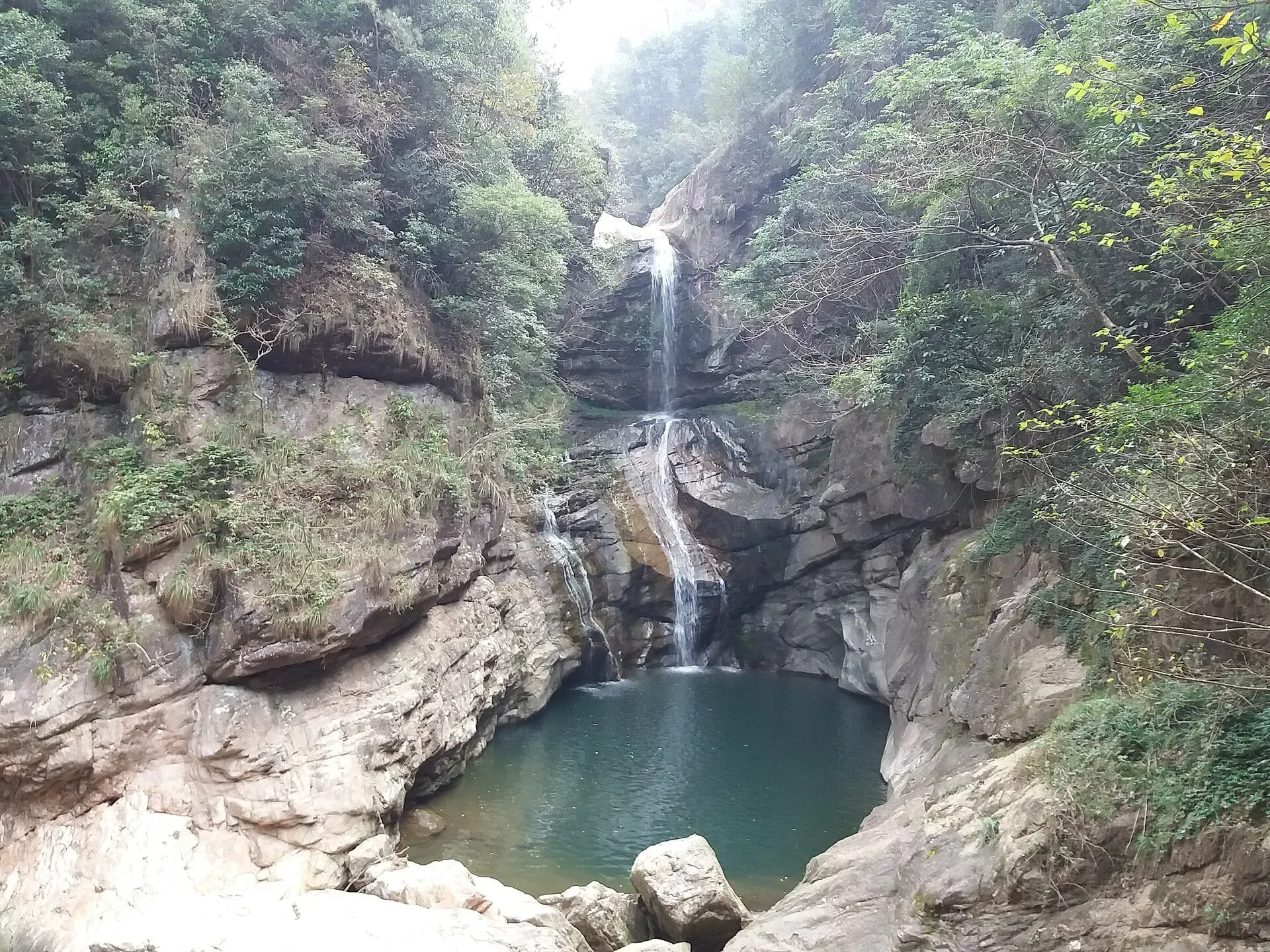
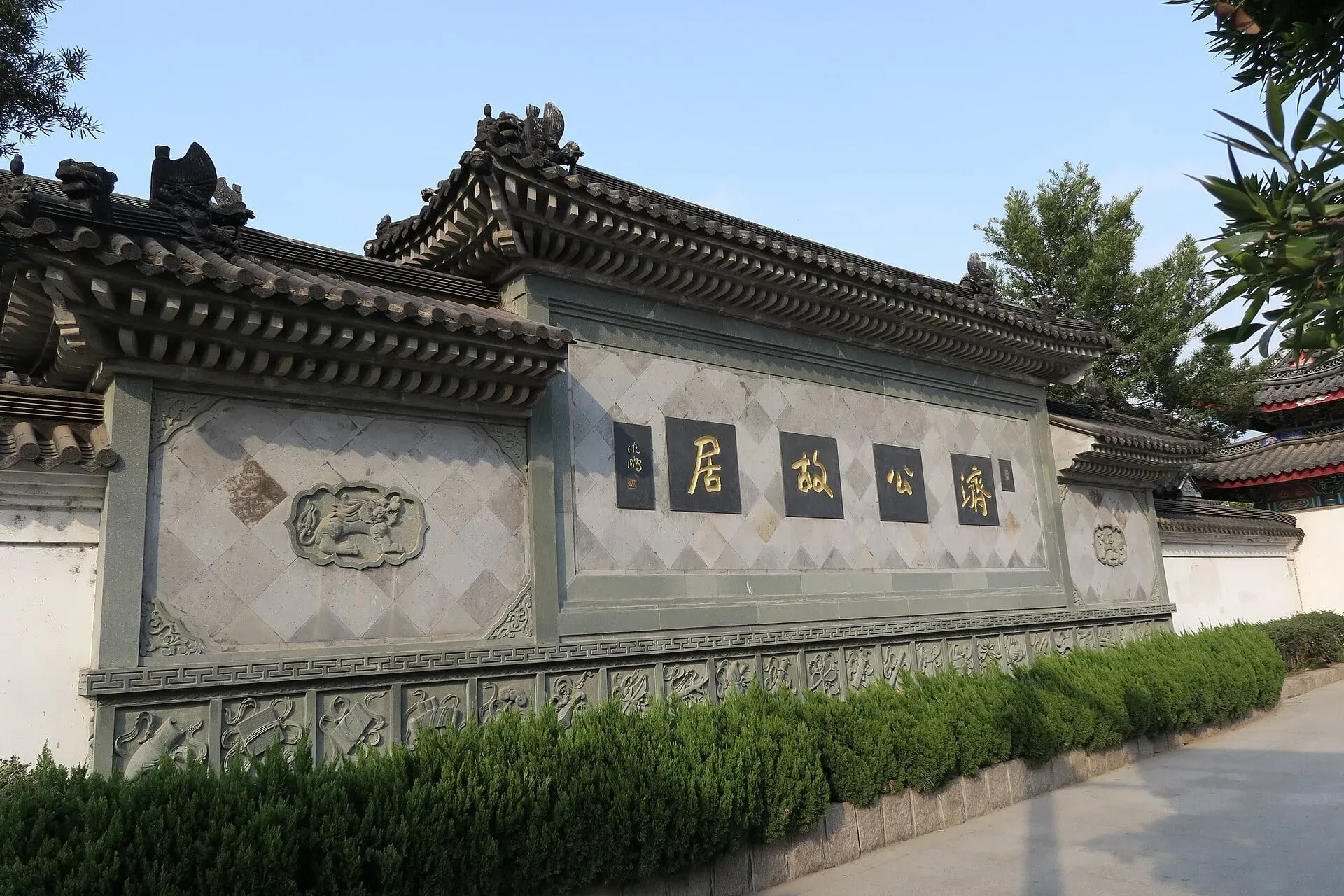
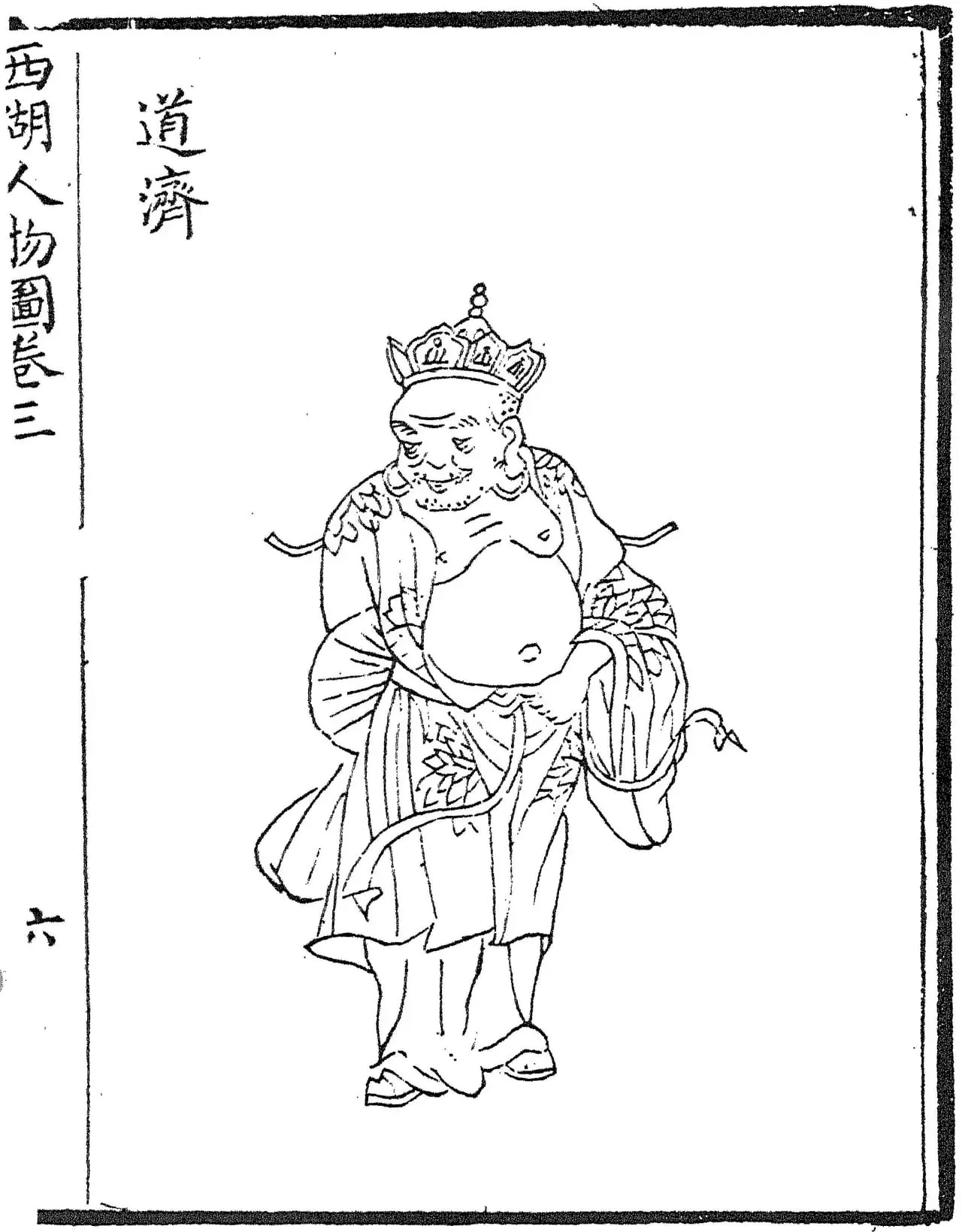
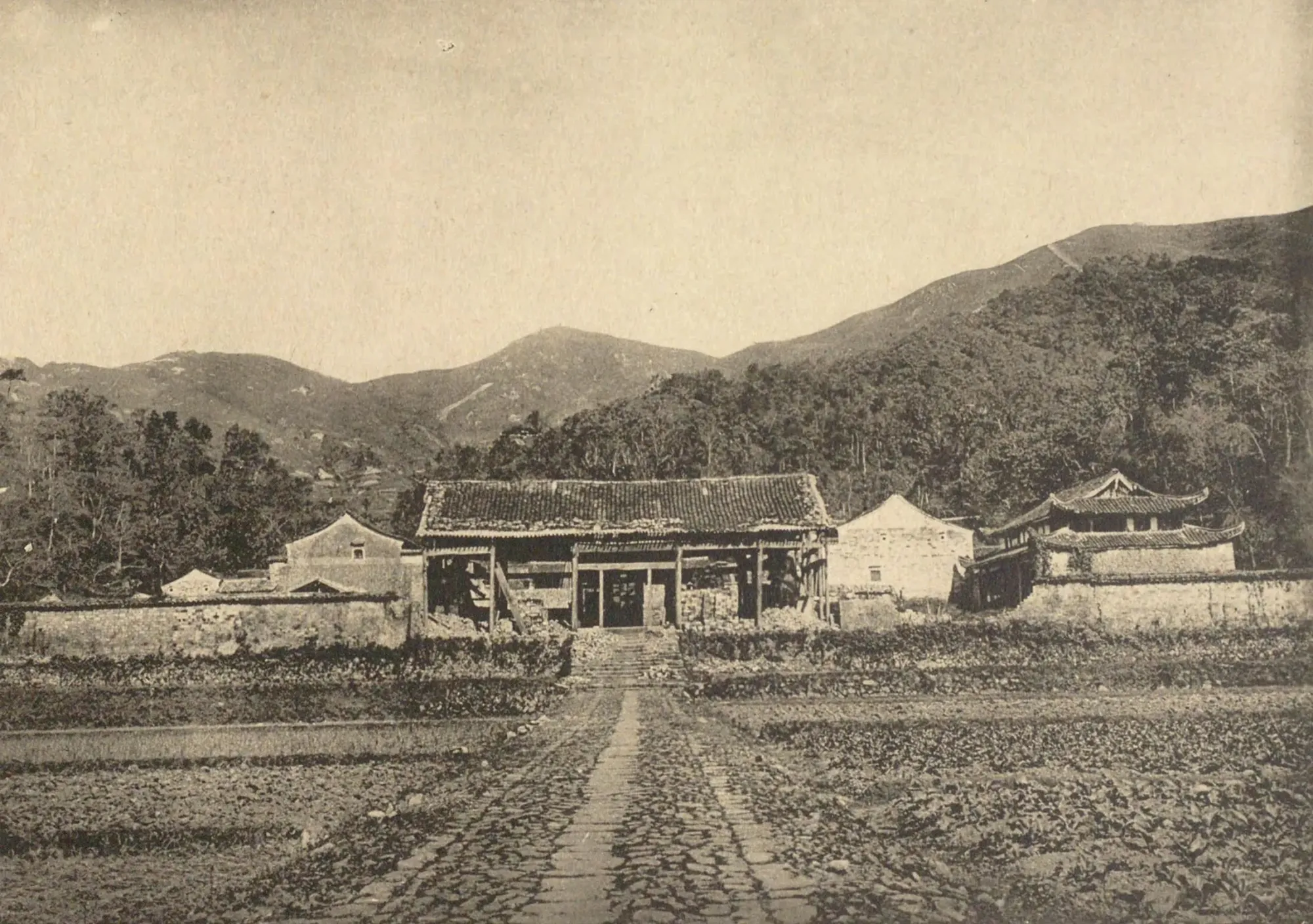
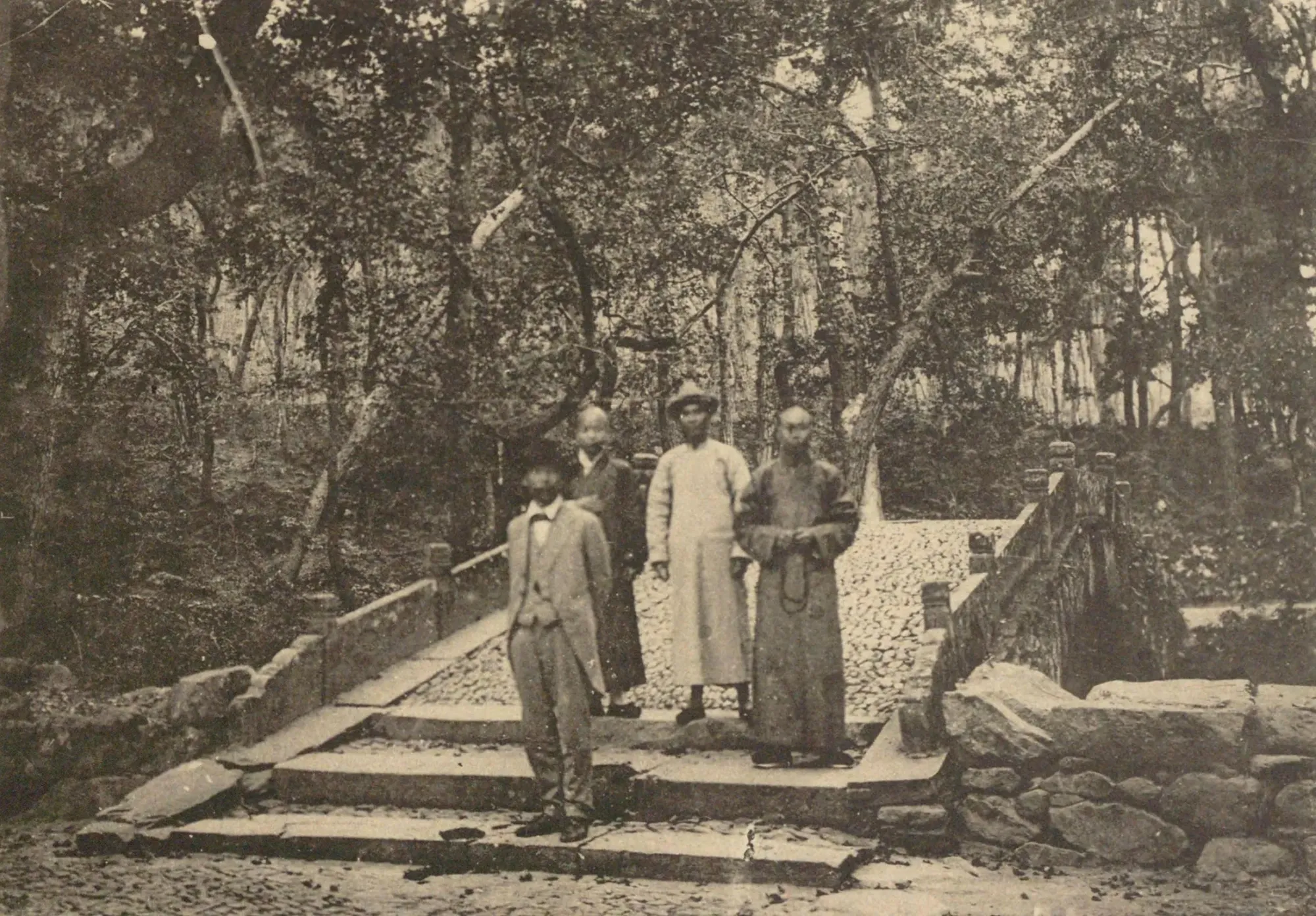
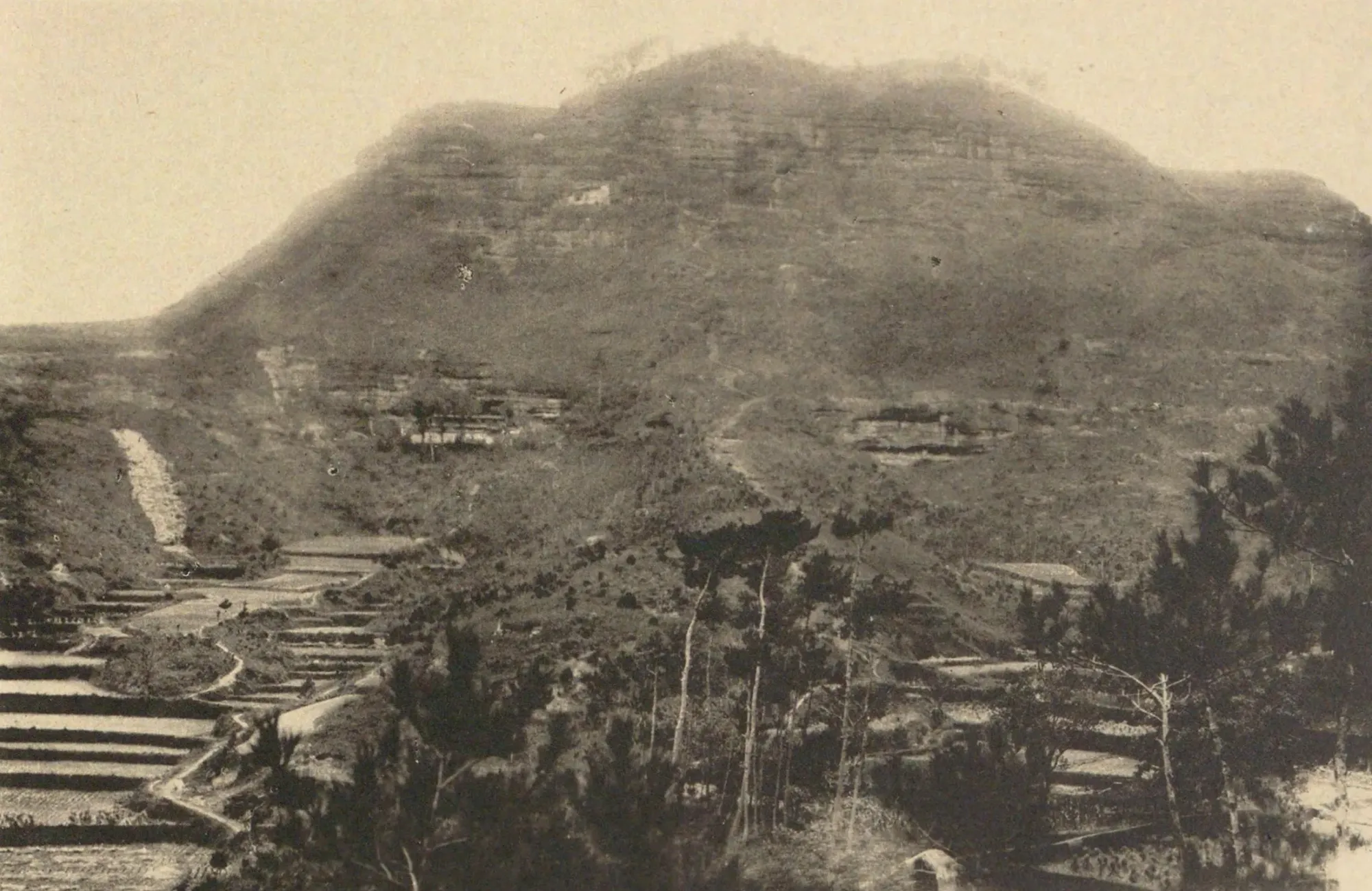
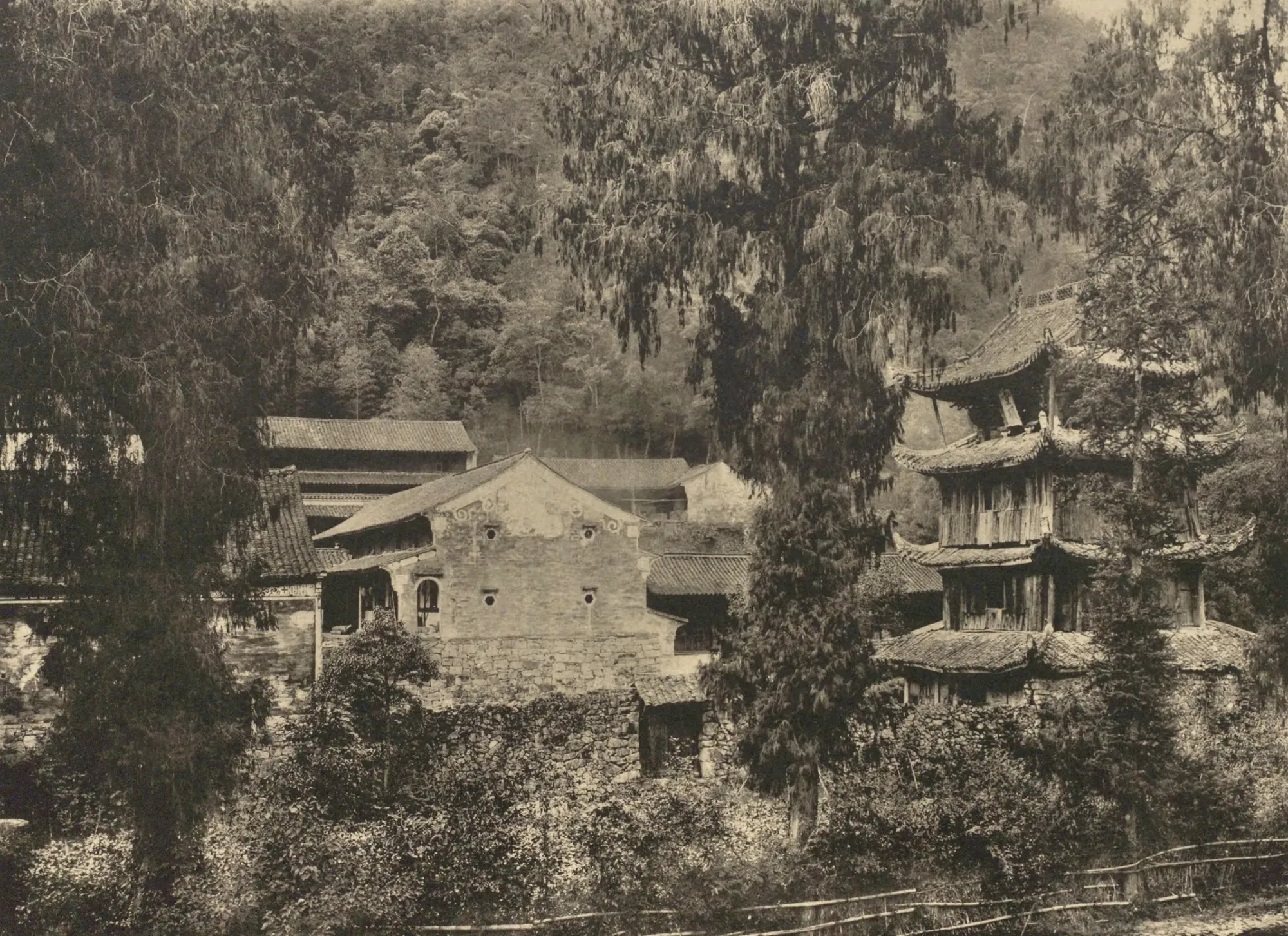
Mount Tiantai, painted by the Ming artist Wu Bin in 1605, ink and color on silk. Honolulu Museum of Art.Photo: 吴彬 Wu Bin · Honolulu Museum of Art · Public domain · Wikimedia CommonsThe Sui dynasty pagoda outside Guoqing Temple, 2024. Built in 598 and still about 59 meters tall, it lost its spire long ago.Photo: Dahanbeige · CC BY-SA 4.0 · Wikimedia CommonsThe board over a gate of Guoqing Temple, reading “Guoqing Teaching Temple,” 2014.Photo: Siyuwj · CC BY-SA 4.0 · Wikimedia CommonsThe screen wall before Guoqing Temple reading “Teaching and Contemplation Together,” 2014: study of the scriptures and meditation in equal measure, the heart of the Tiantai school.Photo: Siyuwj · CC BY-SA 4.0 · Wikimedia CommonsGuoqing Temple in early spring, with the Sui pagoda in the distance. February 2025.Photo: RanunculZ · CC0 · Wikimedia CommonsThe pagoda holding the remains of Master Zhiyi in the hall of Zhenjue Temple, photographed in 1922 by the Japanese Buddhist scholar Tokiwa Daijō.Photo: 常盘大定 Tokiwa Daijō · Public domain · Wikimedia CommonsThe view from Mount Tiantai, 2016.Photo: Huangdan2060 · CC0 · Wikimedia CommonsHuading, the highest peak of Mount Tiantai at 1,098 meters, photographed in 1922 by the Japanese Buddhist scholar Tokiwa Daijō.Photo: 常盘大定 Tokiwa Daijō · Public domain · Wikimedia CommonsSpring rain on the roofs of the temple by the Stone Bridge falls, 2016.Photo: Julien Seguinot · CC BY-SA 3.0 · Wikimedia CommonsHanshan and Shide by the Yuan dynasty monk-painter Yintuoluo — two hanging scrolls, shown here side by side. Sunritz Hattori Museum of Arts, Nagano, Japan.Photo: 因陀罗 Yintuoluo · Sunritz Hattori Museum of Arts · Public domain · Wikimedia CommonsThe Two Immortals of Harmony, by the Ming painter Wang Wen.Photo: 王问 Wang Wen · Public domain · Wikimedia CommonsHanshan and Shide by the Japanese painter Kaō Ninga, 14th century. Tokyo National Museum.Photo: 可翁仁贺 Kaō Ninga · Tokyo National Museum · Public domain · Wikimedia CommonsA homemade rolled pancake, with bowls of rice noodles, egg strips and other fillings — called jiaobingtong in Tiantai and shibingtong elsewhere in Taizhou. Where it was taken is not recorded; 2021.Photo: Qiyue2001 · CC BY-SA 4.0 · Wikimedia CommonsTiantaishan station, 2025.Photo: Kmchang28 · CC BY-SA 4.0 · Wikimedia CommonsThe lake, walkway and pavilion in the Qiongtai valley in 2013, before the Grand Waterfall was restored.Photo: 江上清风1961 · CC BY 3.0 · Wikimedia CommonsThe Baizhang Cliff waterfall in the Qiongtai valley scenic area, 2025.Photo: 松照庵 · CC BY-SA 4.0 · Wikimedia CommonsThe Twin Gates on the Qiongtai summit: two great rocks facing each other, 2025.Photo: 松照庵 · CC BY-SA 4.0 · Wikimedia CommonsThe Dragon Pool in the Qiongtai valley, 2019.Photo: 钉钉 · CC BY-SA 4.0 · Wikimedia CommonsThe screen wall of Ji Gong’s former home in Tiantai, 2014.Photo: Siyuwj · CC BY-SA 4.0 · Wikimedia CommonsDaoji, better known as Ji Gong, in the Qing dynasty collection Xihu Shiyi, 1791.Photo: 《西湖拾遗》(1791 年) · Public domain · Wikimedia CommonsWannian Temple on Mount Tiantai in 1922, photographed by the Japanese Buddhist scholar Tokiwa Daijō.Photo: 常盘大定 Tokiwa Daijō · Public domain · Wikimedia CommonsFenggan Bridge at Guoqing Temple in 1922, photographed by the Japanese Buddhist scholar Tokiwa Daijō. Fenggan was the Chan master who, the story goes, found Shide by the road and brought him to the temple.Photo: 常盘大定 Tokiwa Daijō · Public domain · Wikimedia CommonsMount Chicheng in 1922, photographed by the Japanese Buddhist scholar Tokiwa Daijō.Photo: 常盘大定 Tokiwa Daijō · Public domain · Wikimedia CommonsGaoming Temple on Mount Tiantai in 1918, photographed by the Japanese architectural historian Sekino Tadashi.Photo: 关野贞 Sekino Tadashi · Public domain · Wikimedia Commons