Small Town China · Stop 05 · Zhejiang

Xianju

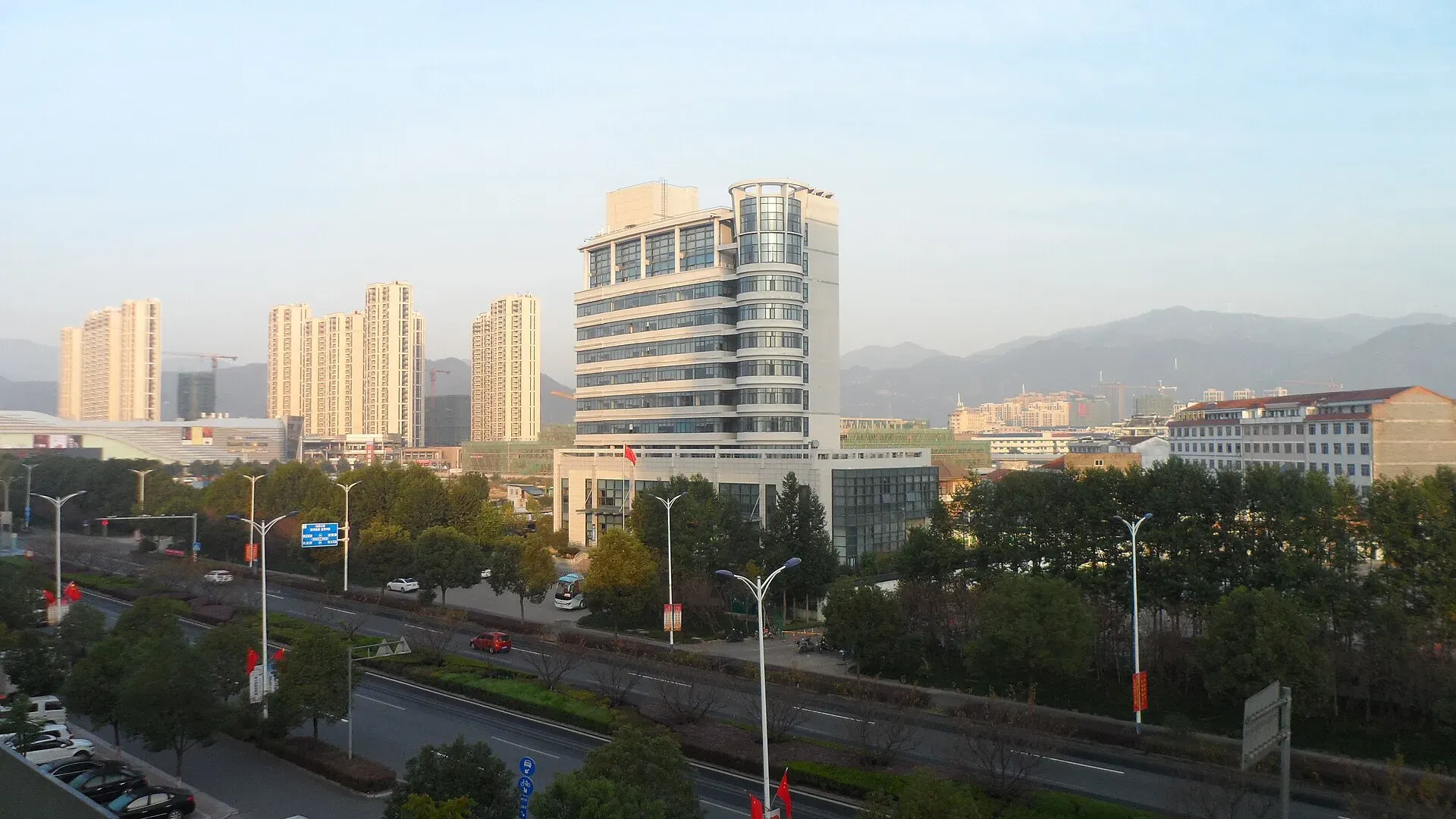
The “abode of immortals,” named by a Song emperor: cliffs and spires of volcanic rock, a bridge shaped like a ruyi scepter, and hillsides of yangmei every June.

到处逢人说项斯

“Wherever I go, I tell everyone of Xiang Si” · Yang Jingzhi

Xianju is a county under Taizhou in Zhejiang Province. Linhai and Huangyan lie to its east, Yongjia (Wenzhou) to the south, Jinyun (Lishui) to the west, and Pan’an (Jinhua) and Tiantai to the north. The county covers about 2,000 square kilometers — “eight parts mountain, one part water, one part fields,” as the saying goes — and the Yong’an River crosses it from west to east.

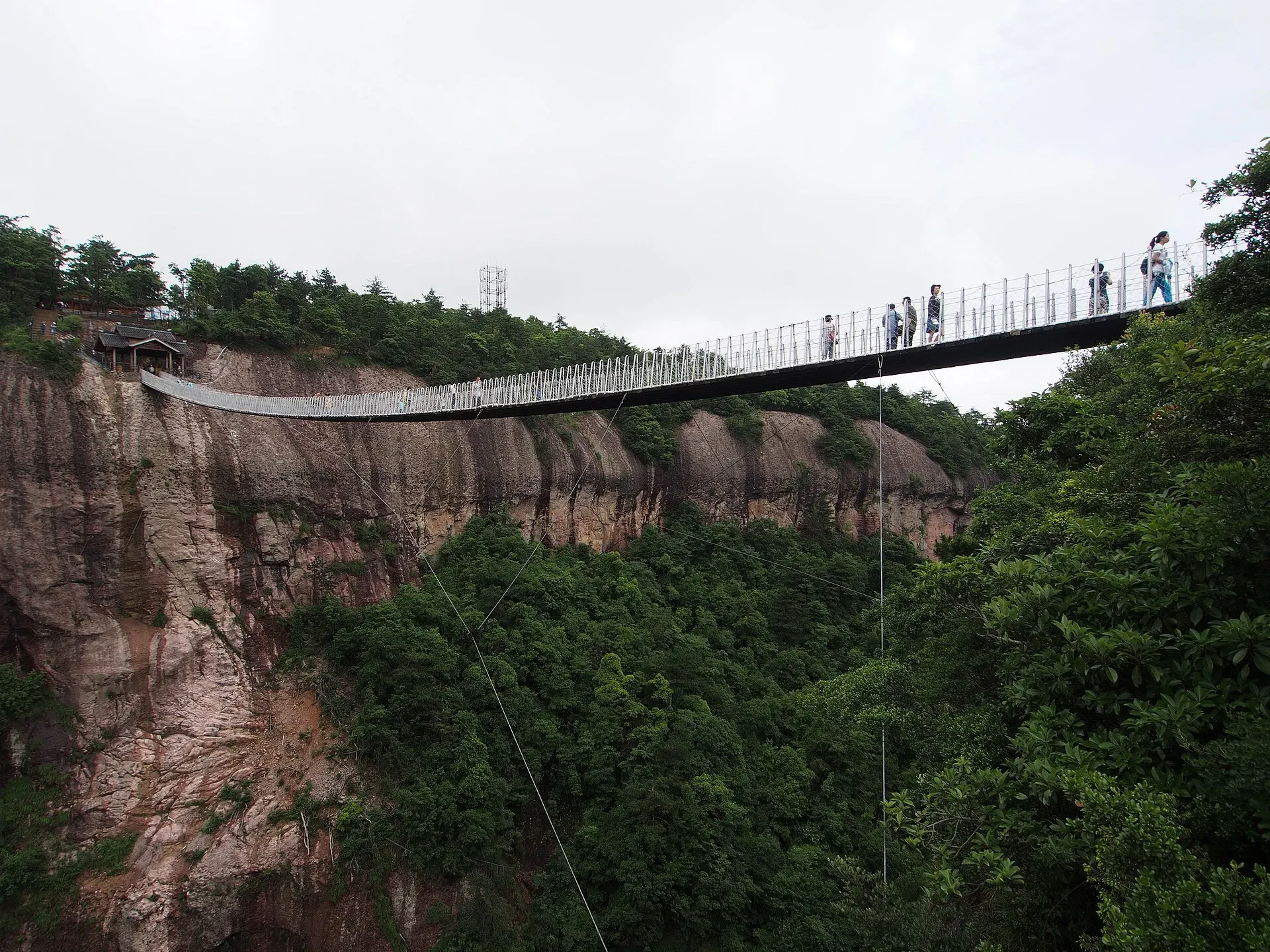
The county was founded in 347, under the Eastern Jin, as Le’an, and renamed Yong’an in 930. In 1007 the Song emperor Zhenzong, calling it a place of “grotto-heavens and famous mountains, screened and guarded on every side, with many dwellings of the immortals,” renamed it Xianju, the abode of immortals. Today Xianju is best known for the volcanic spires of Shenxianju, the Ruyi Bridge that opened there in 2020, and the yangmei, or Chinese bayberries, that ripen every June.

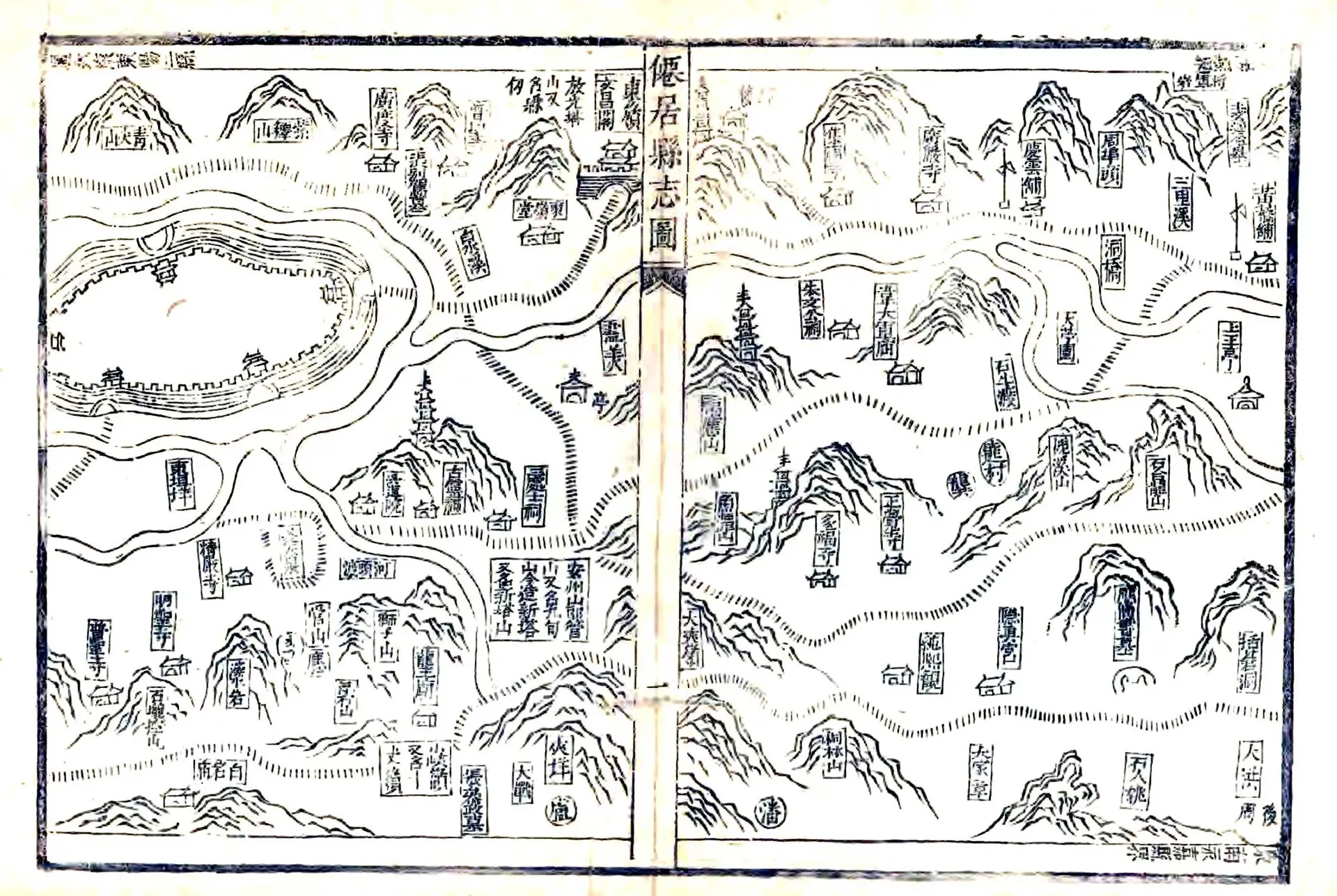
The county map from the Xianju gazetteer of 1680, the nineteenth year of the Kangxi reign. The walled county town is on the left, with the river curving past it and hills on every side.
Photo: 郑录勋 修、张明焜 等纂 ·《仙居县志》 · Public domain · Wikimedia Commons

At a glance

Location
Western Taizhou, Zhejiang, southwest of Tiantai and west of Linhai
Area
About 2,000 km²
Population
About 432,000 (2020 census)
Founded
Founded in 347; called Xianju since 1007
Known for
Shenxianju, the Ruyi Bridge, yangmei, needle-pricked boneless lanterns, Potan Old Town
Getting there
Xianju station on the Hangzhou–Wenzhou high-speed line, about an hour and twenty minutes from Hangzhou West

Sources: 维基百科, Wikipedia, 山在虚无缥缈间 我去仙居当神仙 · 杭州网(都市快报),2024 年 9 月 5 日, 项斯 · 维基百科, 赠项斯(《全唐诗》卷四七九)· 维基文库

Where Xianju isHangzhou: about 165 km in a straight line. Shaoxing: about 130 km in a straight line. Ningbo: about 140 km in a straight line. Taizhou: about 70 km in a straight line. Wenzhou: about 95 km in a straight line. Shanghai: about 275 km in a straight line.50 km100 kmHangzhou165 kmShaoxing130 kmNingbo140 kmTaizhou70 kmWenzhou95 kmShanghai275 kmXianjuN
Straight-line distances

Xianju guides

In depth

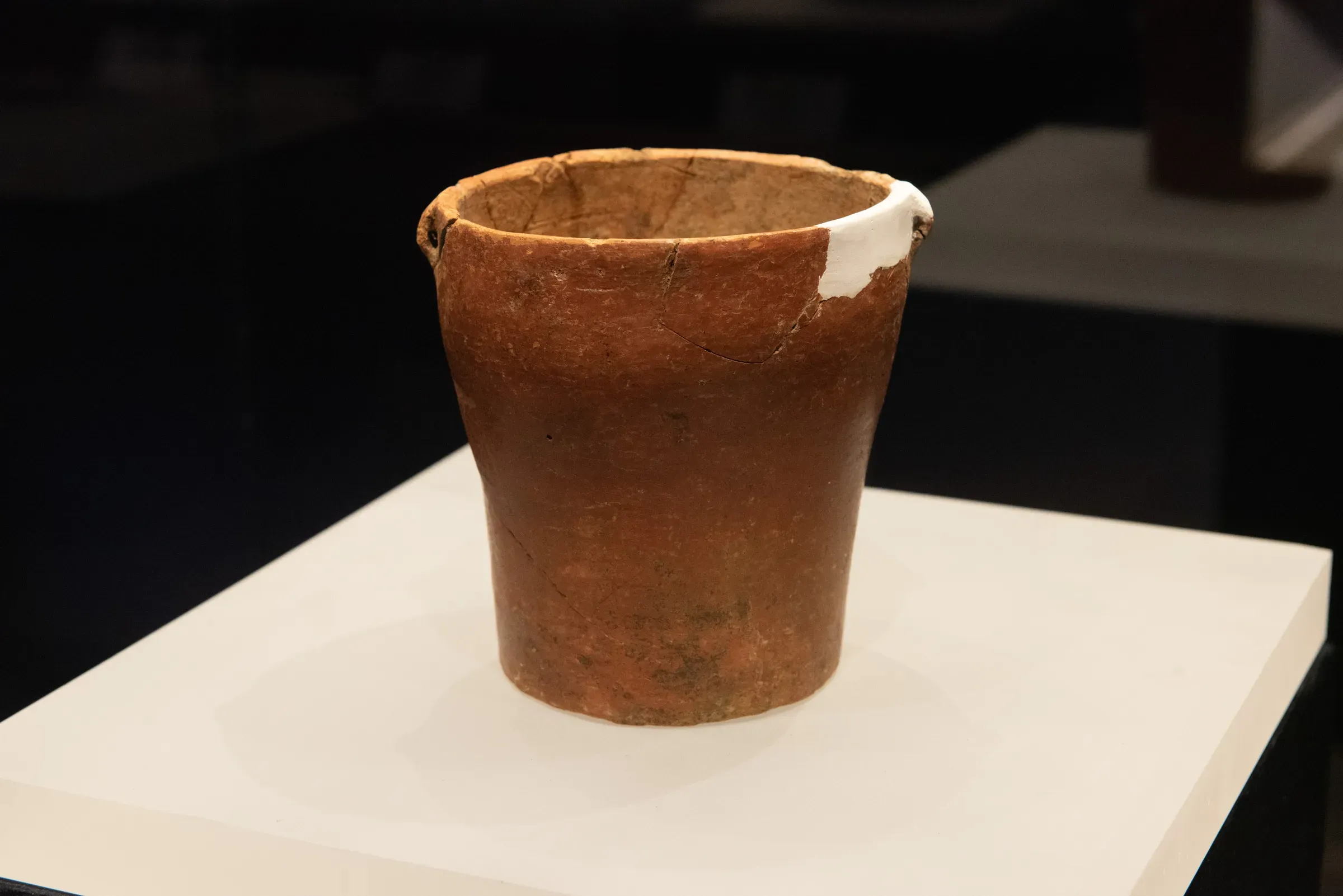
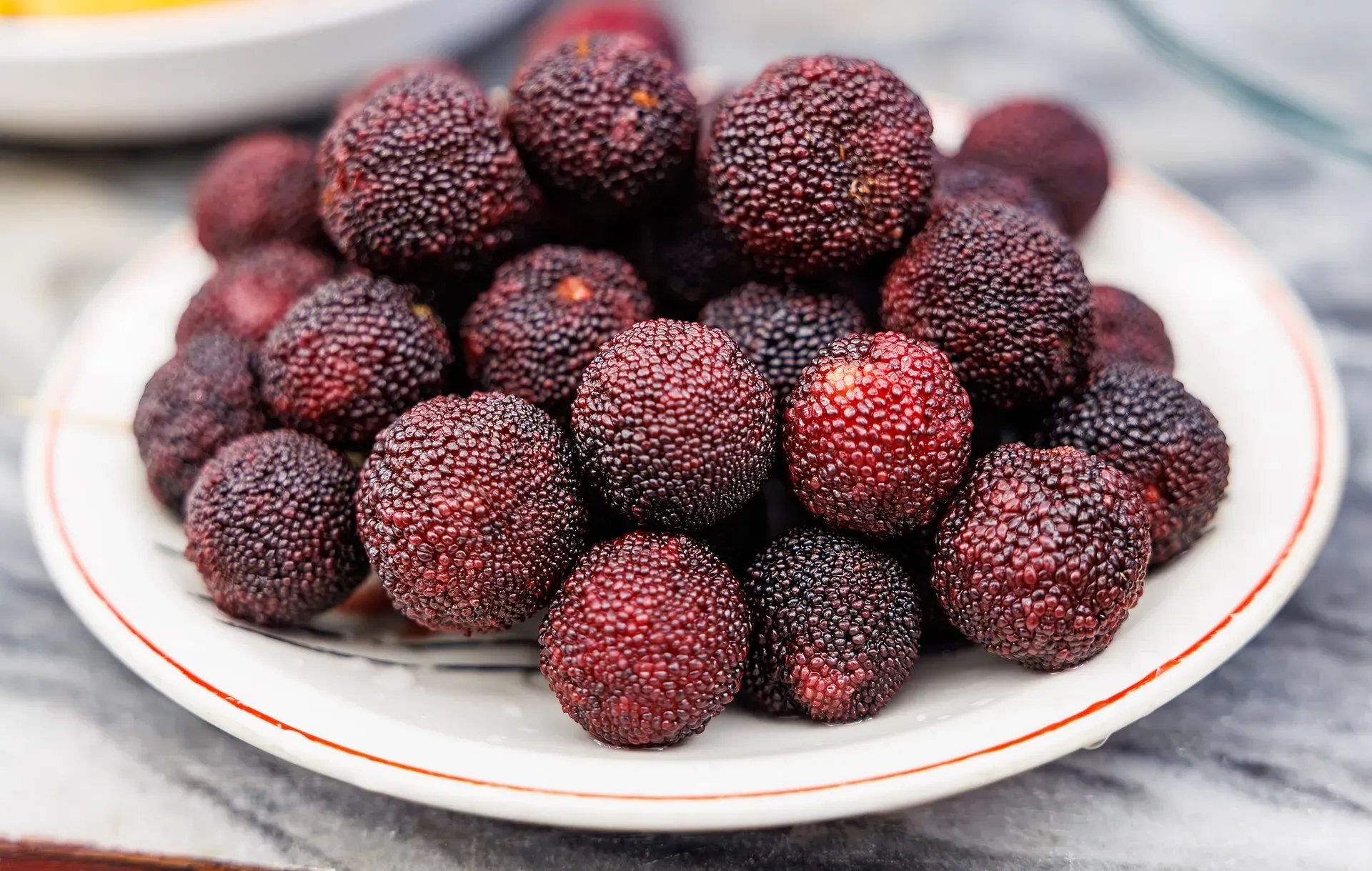
A plate of ripe yangmei, 2026 (not photographed in Xianju).Photo: Dinkun Chen · CC BY-SA 4.0 · Wikimedia Commons

In depth · Xianju food

Xianju Yangmei (Chinese Bayberry)

Yangmei, also called Chinese bayberry or waxberry, is a sweet-tart fruit native to China that is in season for only a few weeks in early summer. Xianju, known as China’s home of yangmei, grows more than 150,000 mu of it, mainly the Dongkui and Biqi varieties, with the harvest usually starting in early June. In 2023 the UN Food and Agriculture Organization recognized Xianju’s ancient yangmei farming system as a Globally Important Agricultural Heritage System.
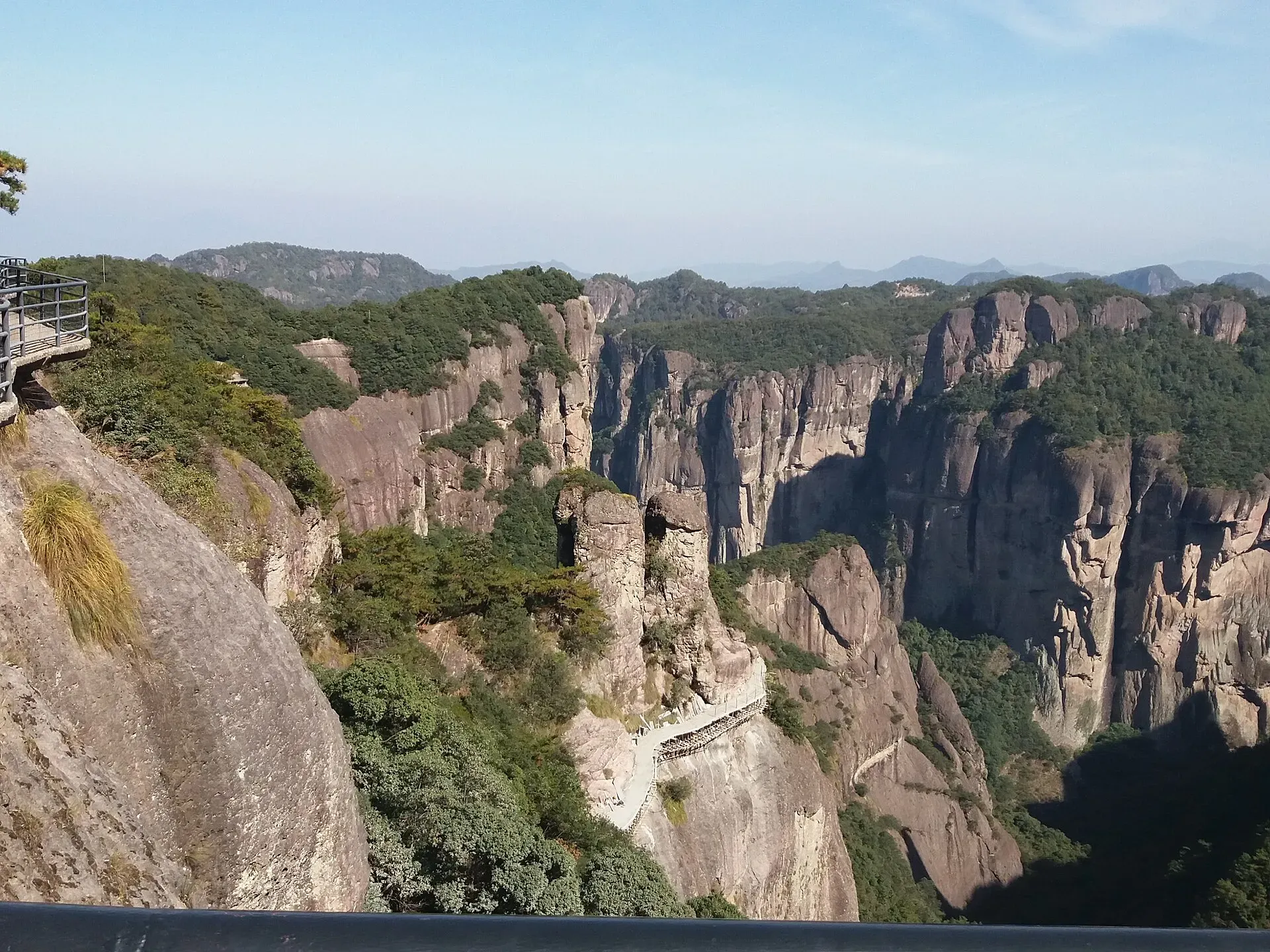
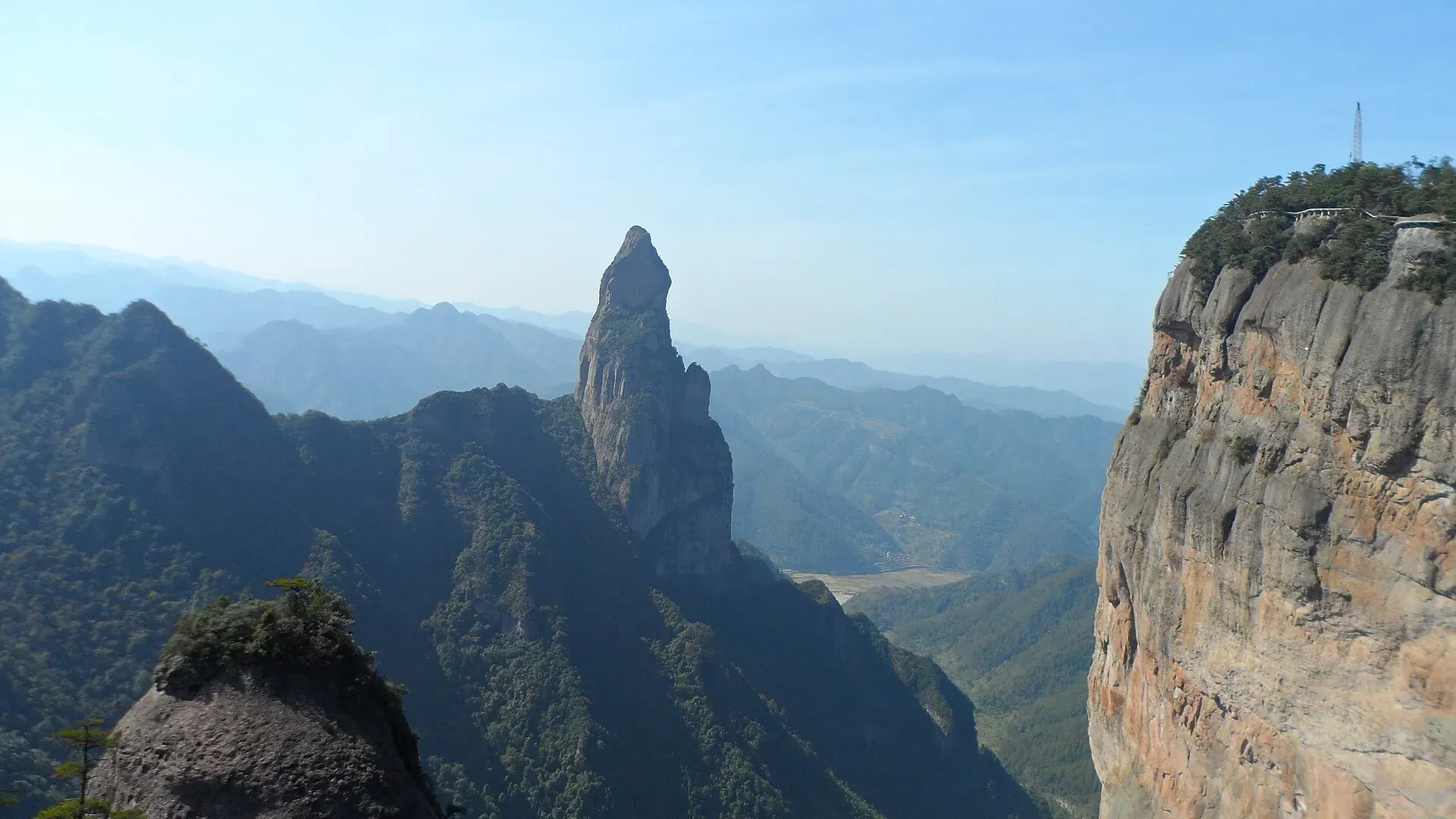
Peaks and cliffs at Shenxianju in 2019. The free-standing spire in the middle is Guanyin Peak.Photo: 钉钉 · CC BY-SA 4.0 · Wikimedia Commons

In depth · Xianju travel

Shenxianju and the Ruyi Bridge

Shenxianju, in Xianju County, Zhejiang, is a landscape of cliffs and spires in volcanic rhyolite, rated a national 5A scenic area in 2015. Its Ruyi Bridge, opened in 2020, is about 100 meters long and some 140 meters above the valley floor, shaped like a jade ruyi scepter. Two cable cars run up the mountain, and the area is about 16 km from Xianju high-speed station.

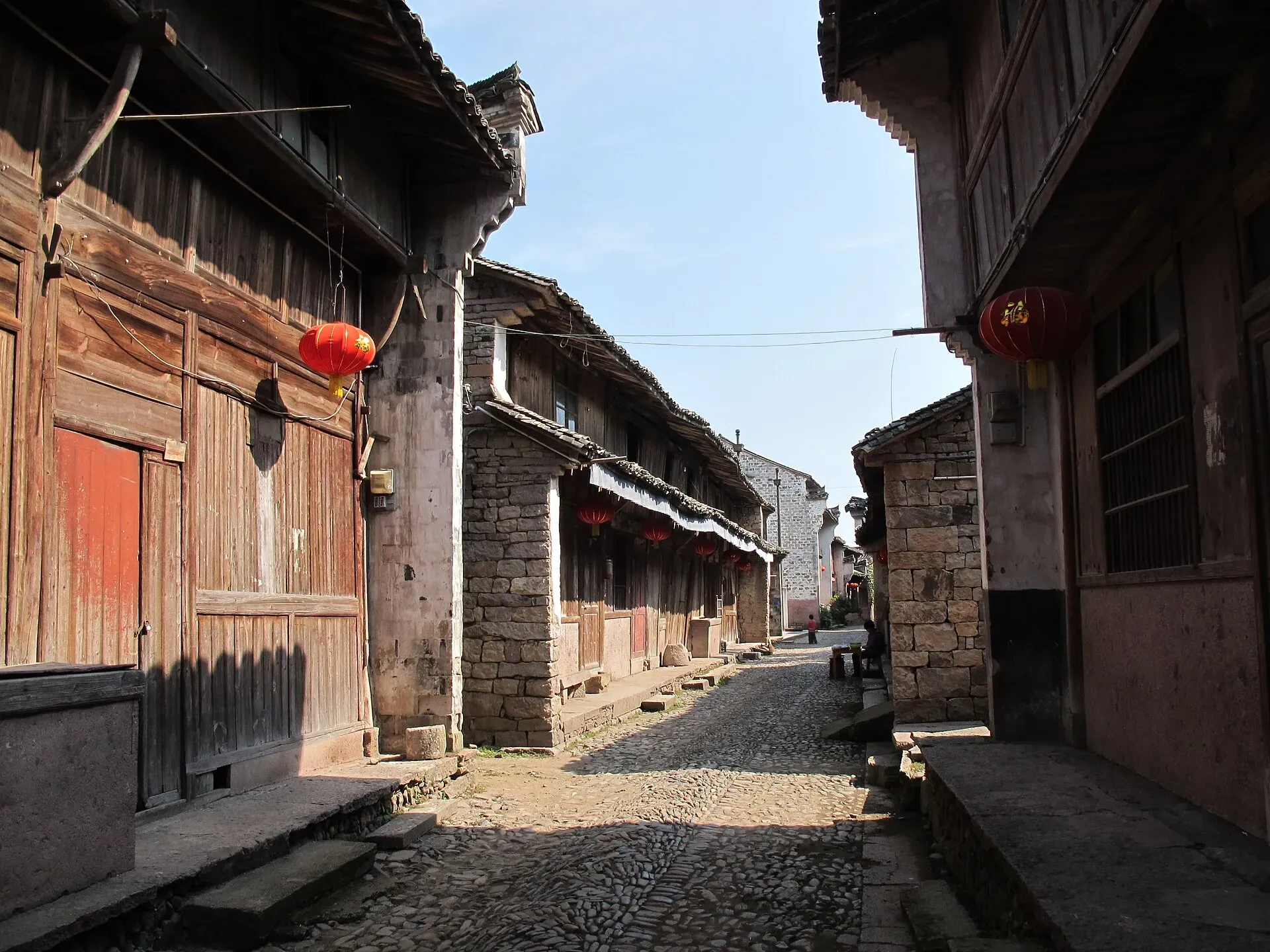
Potan’s old street in 2011: a cobbled lane lined with old shops and their wooden fronts.Photo: 江上清风1961 · CC BY 3.0 · Wikimedia Commons

In depth · Xianju history

Potan Old Town and the Boneless Lanterns

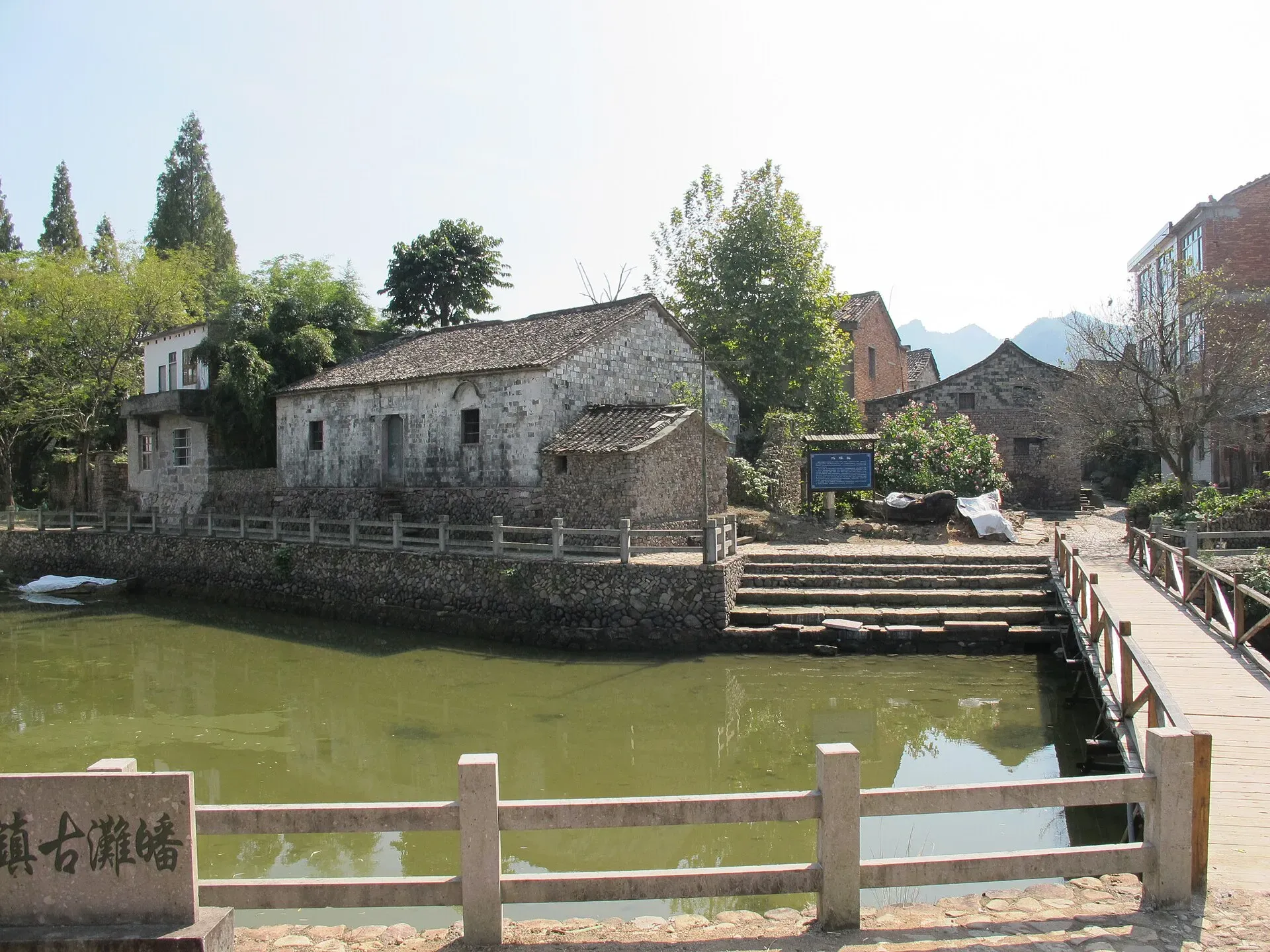
Potan stands on the Yong’an River about 25 km west of Xianju’s county town. From the late Tang it was the landing where sea salt was sent on to the inland counties of western Zhejiang; it peaked in the mid-Qing and went quiet after the Zhejiang–Jiangxi railway opened in 1937. Its “dragon-shaped” old street, about 2 km long, survives. Xianju’s needle-pricked boneless lanterns began here and joined China’s first national list of intangible cultural heritage in 2006.

Questions & answers

Where is Xianju?

Xianju is a county in the west of Taizhou, Zhejiang, southwest of Tiantai and west of Linhai. Its station, Xianju, is on the Hangzhou–Wenzhou high-speed line, about an hour and twenty minutes from Hangzhou West; direct trains from Shanghai Hongqiao take from about two hours forty minutes. See Getting to Xianju.

Why is it called Xianju?

Xianju means “abode of immortals.” The county was first called Le’an and then Yong’an; in 1007 the Song emperor Zhenzong, describing it as a land of grotto-heavens and famous mountains with many dwellings of the immortals, ordered it renamed Xianju.

What is there to see in Xianju?

Shenxianju above all — cliffs and spires of volcanic rhyolite, with the Ruyi Bridge and the Nantianding viewing deck on top. To the west are Potan Old Town on the Yong’an River and the Tongjiang Academy, and nearby are Jingxing Rock and the old houses of Gaoqian. See Shenxianju and the Ruyi Bridge and Potan Old Town and the Boneless Lanterns; for Jingxing Rock, Gaoqian and the rest, see Things to Do in Xianju.

What is Xianju’s local food?

Yangmei, the Chinese bayberry, above all — it ripens every June, and Xianju is known as China’s home of yangmei. The traditional banquet for guests is the “eight great bowls,” each dish named for one of the Eight Immortals, and the street snacks include wheat cakes and two kinds of sticky rice cake. See Xianju Yangmei.

Was Xiang Si, of the saying “praising Xiang to everyone,” from Xianju?

By tradition, yes. Xiang Si was a late Tang poet who passed the imperial examination in 844. Old sources call him variously a man of Jiangdong, of Linhai, or — in one epitaph — of Xianju, where a village is still named Xiangsikeng after him. The official Yang Jingzhi admired him and wrote, “All my life I never learned to hide another’s gifts; wherever I go, I tell everyone of Xiang Si” — the origin of the idiom feng ren shuo Xiang, to sing someone’s praises to all comers.

Is Xianju connected to Li Bai’s Mount Tianmu?

It is disputed. Li Bai’s Mount Tianmu is usually placed in Xinchang, but scholars in Xianju argue that Mount Weiqiang — today’s Shenxianju — was also once called Tianmu and is the mountain of the poem. See Mount Tianmu.