Small Town China · Stop 01 · Zhejiang

Shengzhou

The birthplace of Yue opera, the home of xiaolongbao, and a small city on the Tang Poetry Road.

自爱名山入剡中

“I go for love of the mountains of Shan” · Li Bai

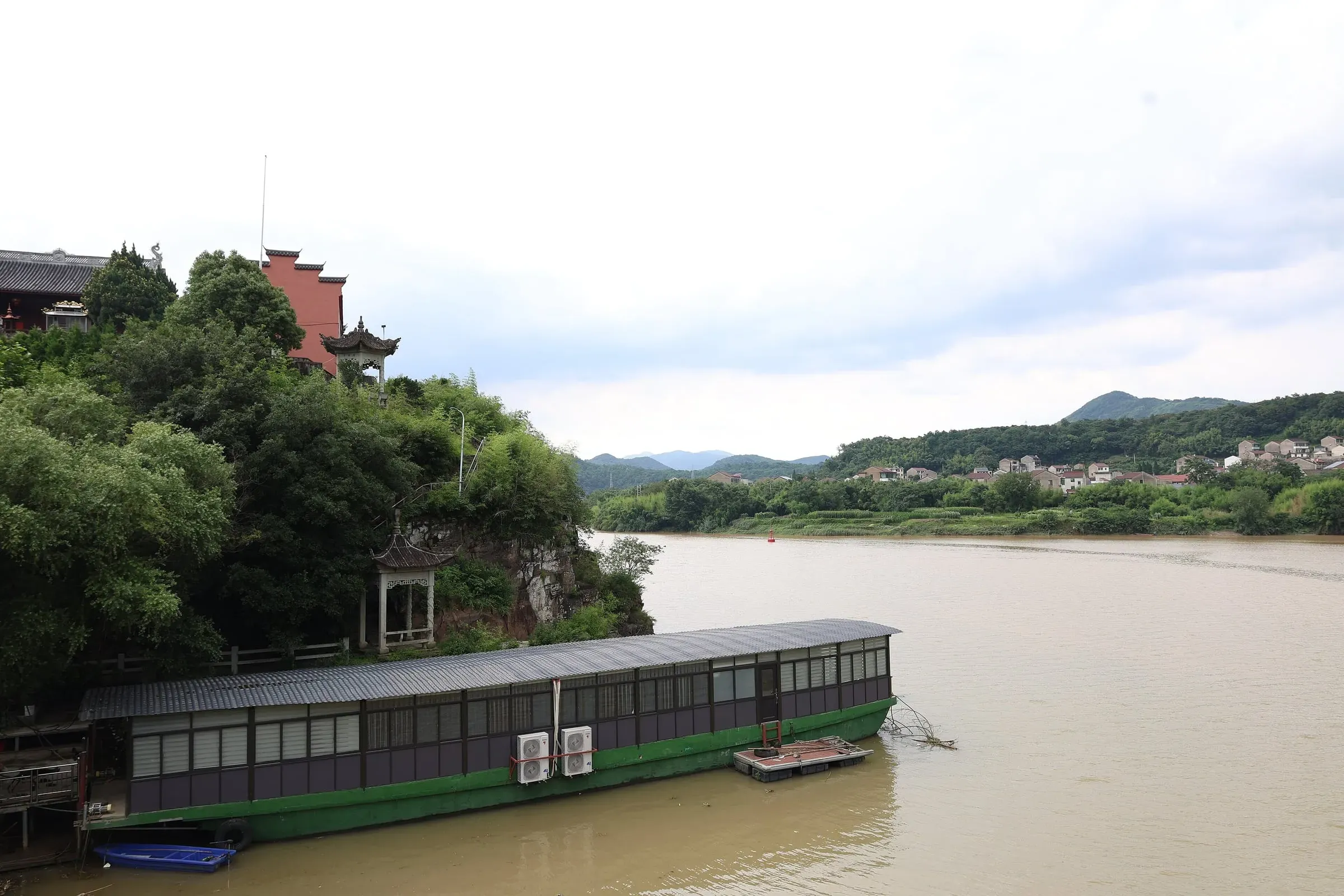
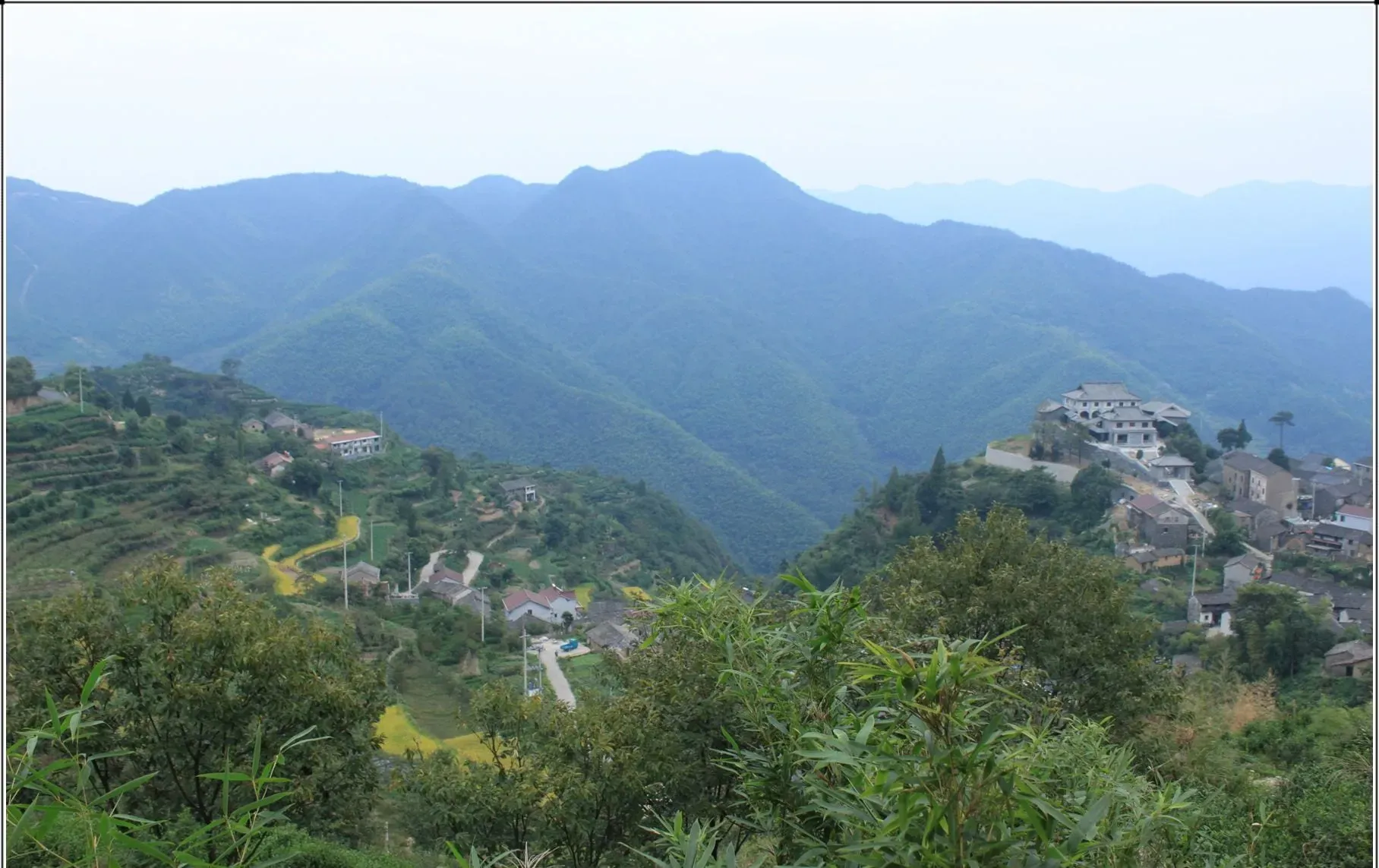
Shengzhou is a county-level city under Shaoxing in Zhejiang Province, about 100 kilometers southeast of Hangzhou. It sits in a basin ringed by hills, with the Shan stream running through the middle of town.

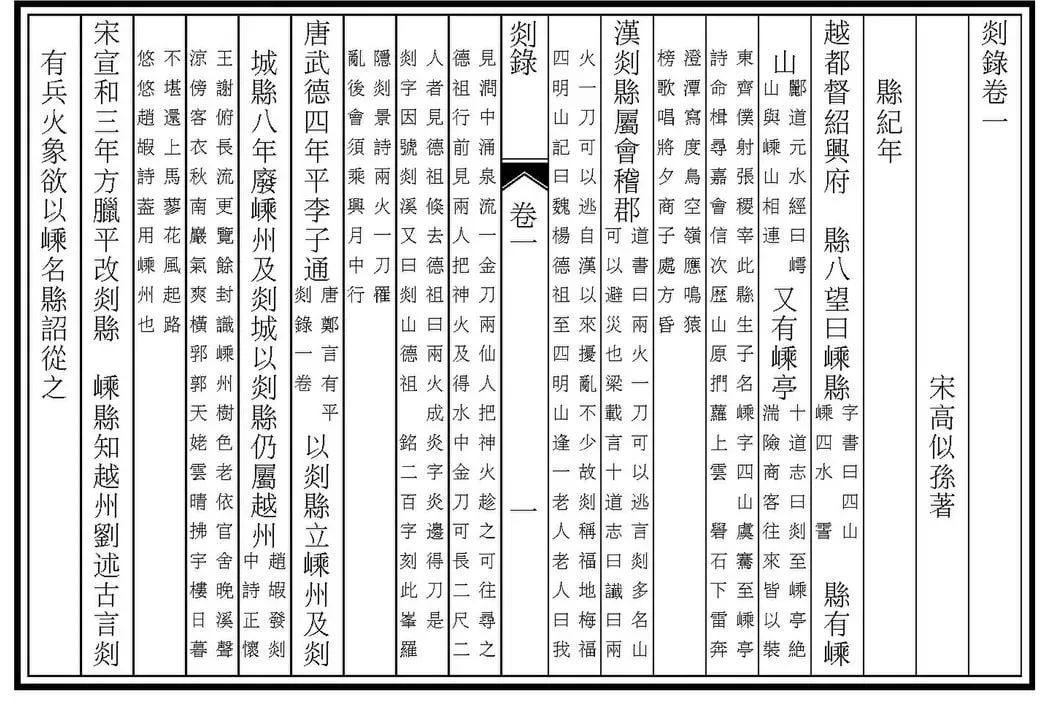
In ancient times the place was called Shan (剡). In 1121, during the Northern Song dynasty, it was renamed Sheng (嵊): the old character, made of two “fire” signs and a “knife,” was thought to bode war. In 1995 the county became today’s city of Shengzhou.

Shengzhou is a stop on the Tang Poetry Road of Eastern Zhejiang — see the whole route →

Shengzhou by high-speed train from Shanghai and Hangzhou, and the other small towns on the line →

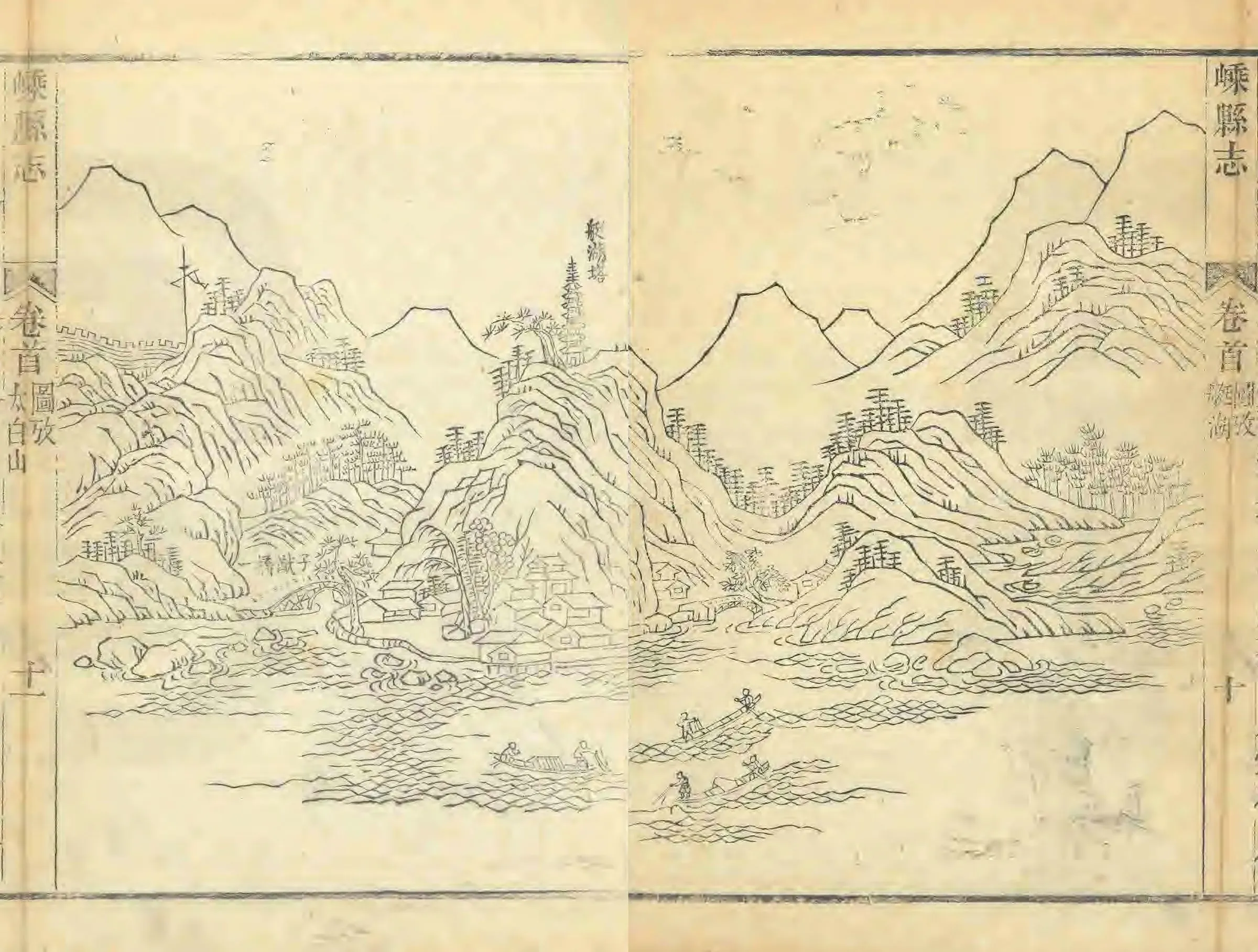
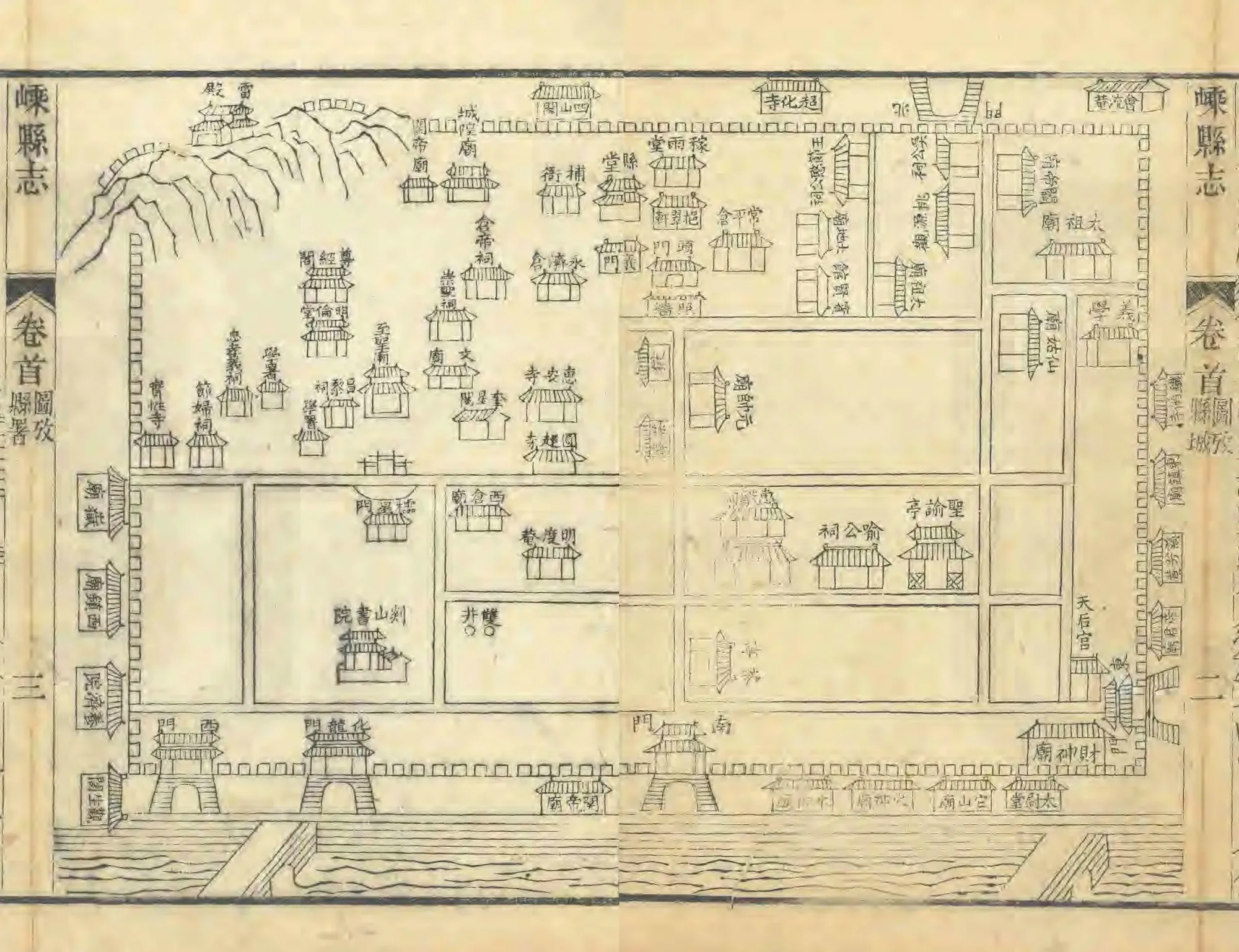
Map of the county town in the 1828 Gazetteer of Sheng County.
Photo: 李式圃、朱渌 纂修 · Li Shipu, Zhu Lu (eds.) · Public domain · Wikimedia Commons

At a glance

Location
Shaoxing, Zhejiang Province
Area
1,789 km²
Population
About 675,000 (2020 census)
Old name
Shan
Known for
Yue opera, snacks, neckties, Longjing tea
Getting there
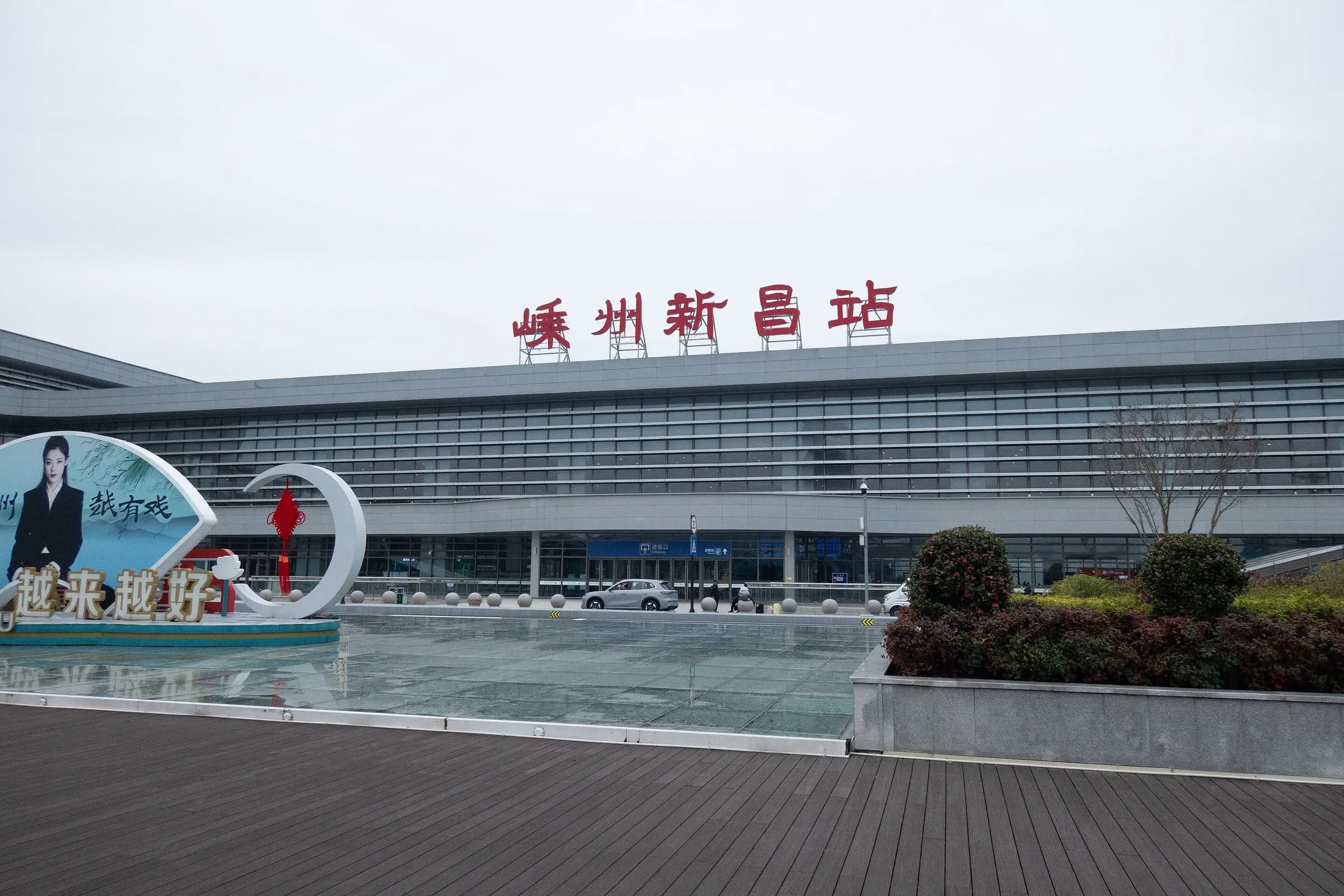
About 30 minutes by train from Hangzhou East

Sources: 维基百科, Wikipedia

Where Shengzhou isHangzhou: about 95 km in a straight line. Shaoxing: about 50 km in a straight line. Ningbo: about 75 km in a straight line. Shanghai: about 190 km in a straight line.50 km100 kmHangzhou95 kmShaoxing50 kmNingbo75 kmShanghai190 kmShengzhouN
Straight-line distances

Shengzhou guides

In depth

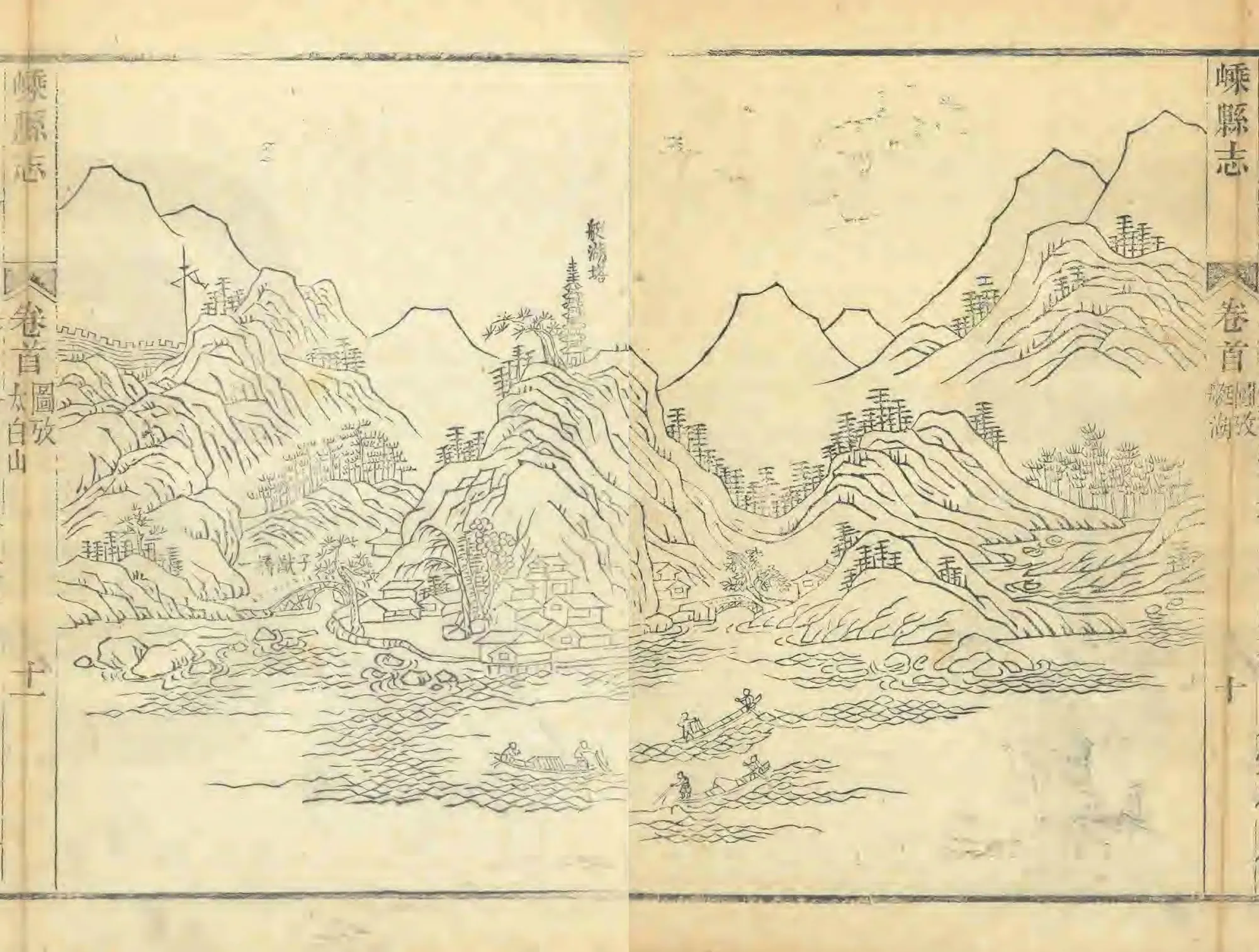
The county chronology in volume one of the Shan Records (1870 reprint). Reading from the right: Sheng county, Mount Sheng and the Sheng Pavilion; at the left, the founding of Sheng Prefecture in 621 and the renaming of Shan county as Sheng in 1121, after Fang La’s revolt was put down.Photo: 中国国家图书馆 · National Library of China · Public domain · Wikimedia Commons

In depth · Shengzhou history

From Shan to Sheng

Shengzhou was once Shan county. Split apart, the character 剡 is two fires and a knife. Tang writers read it as a sign of refuge; after Fang La’s revolt it looked like an omen of war, and in 1121 the county was renamed Sheng. In 1995 Sheng county became the city of Shengzhou.

Questions & answers

Where is Shengzhou?

Shengzhou is a county-level city under Shaoxing, Zhejiang Province, about 100 km southeast of Hangzhou. The fastest high-speed trains from Hangzhou East take about half an hour. See Getting there.

How do you pronounce Shengzhou?

Shèngzhōu. The first character, 嵊, is read shèng, in the fourth tone, and is used almost only in place names such as Shengzhou and Shengsi. The town’s old name was Shan (剡, shàn) — see From Shan to Sheng.

What is Shengzhou famous for?

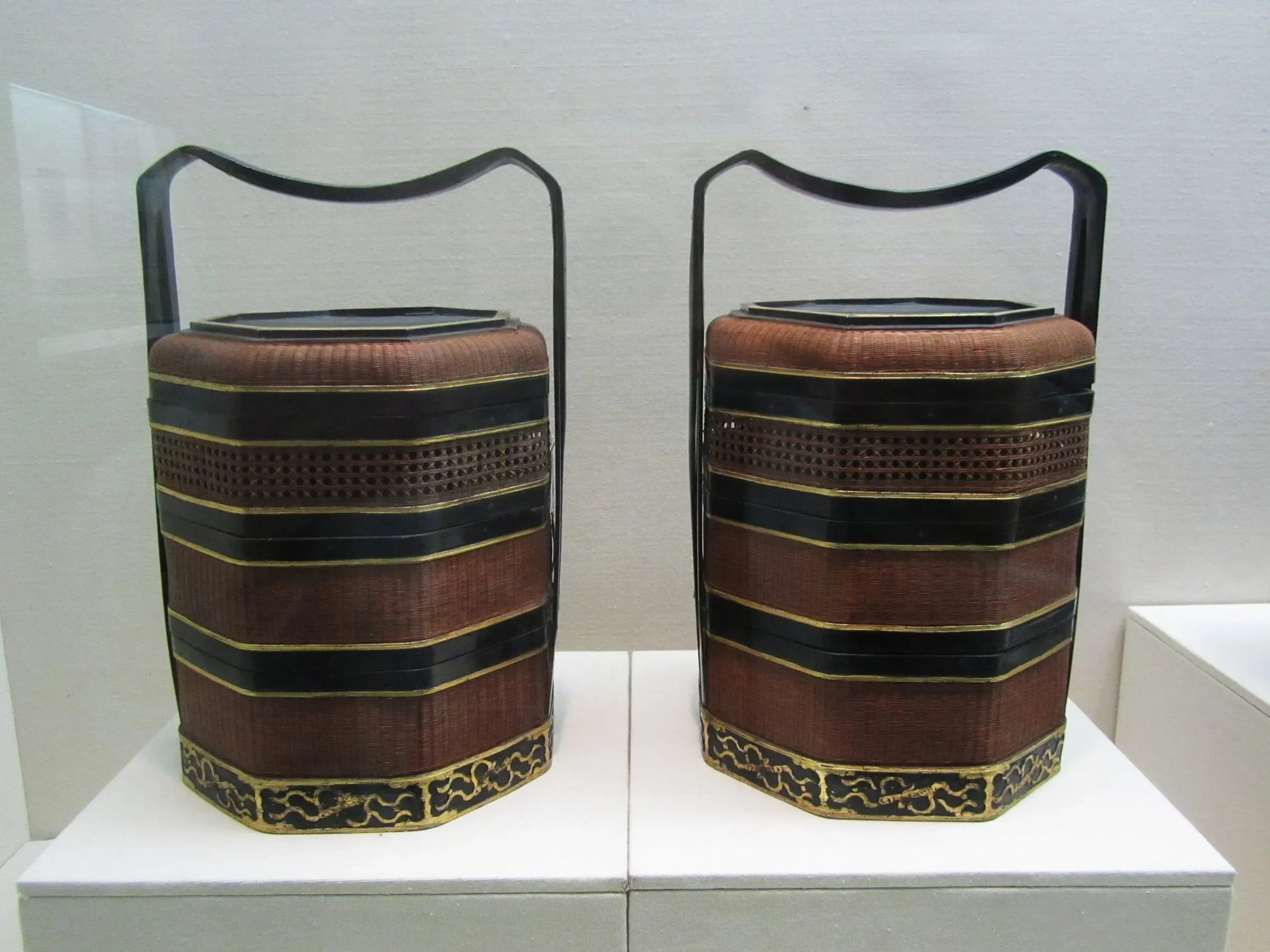
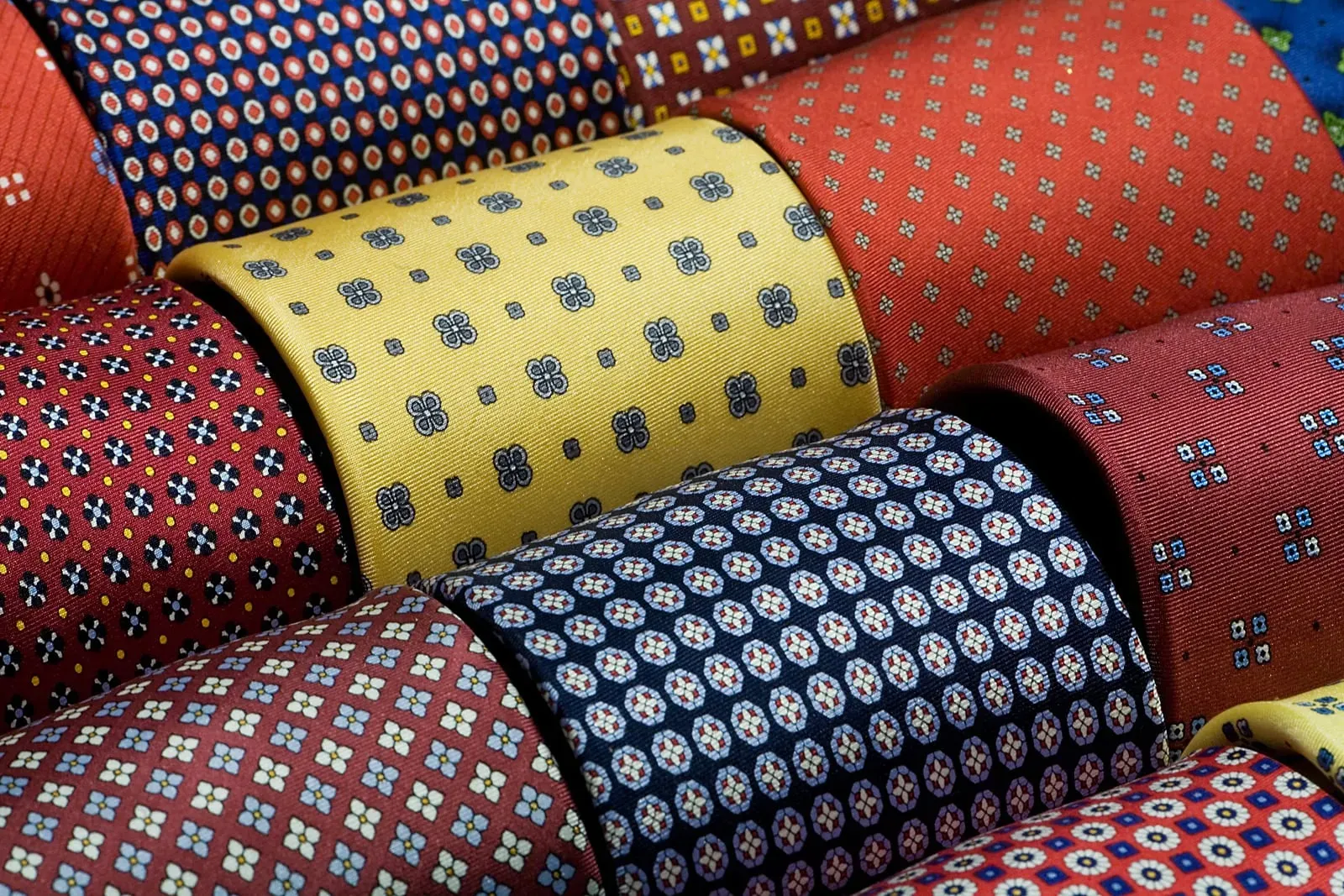
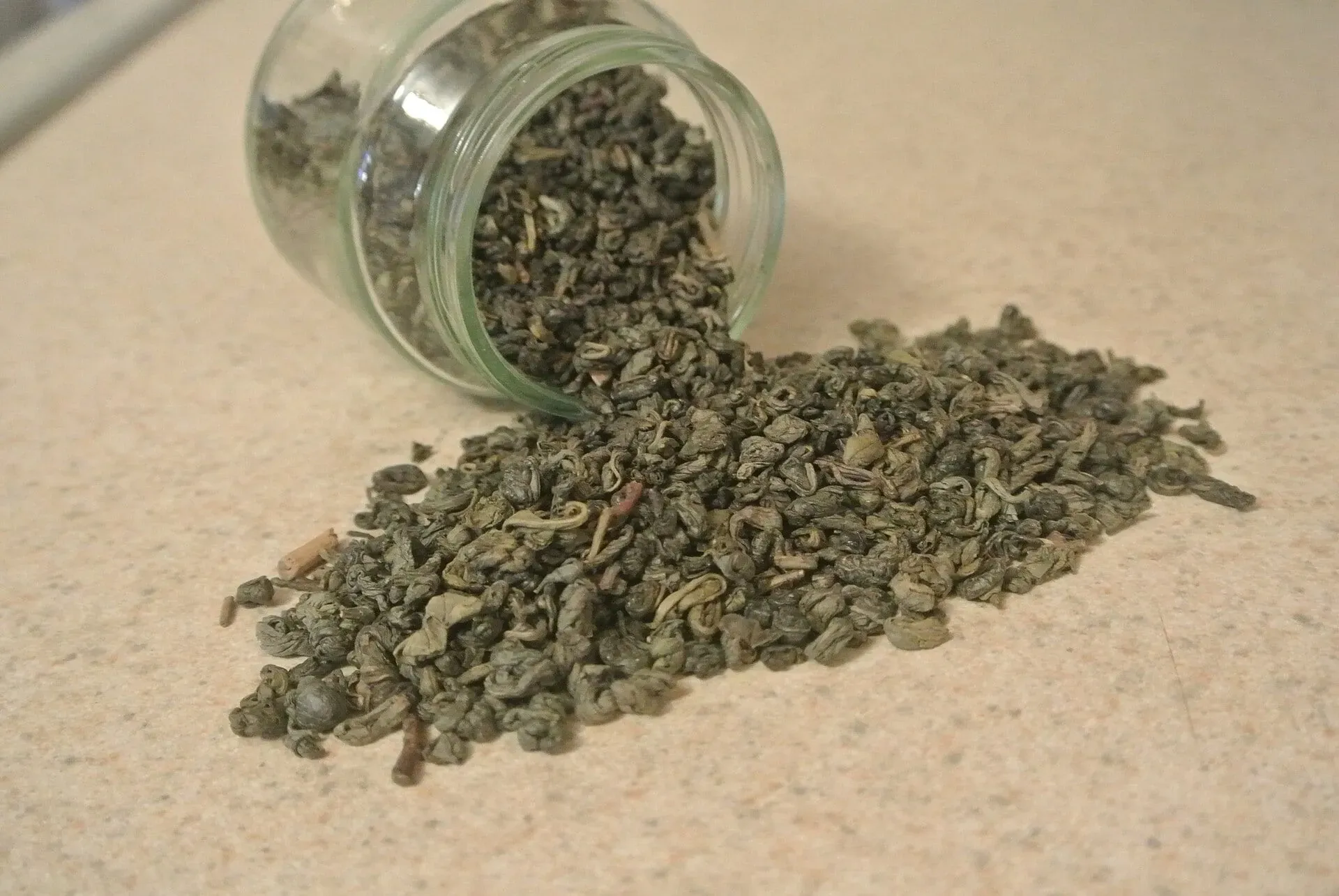
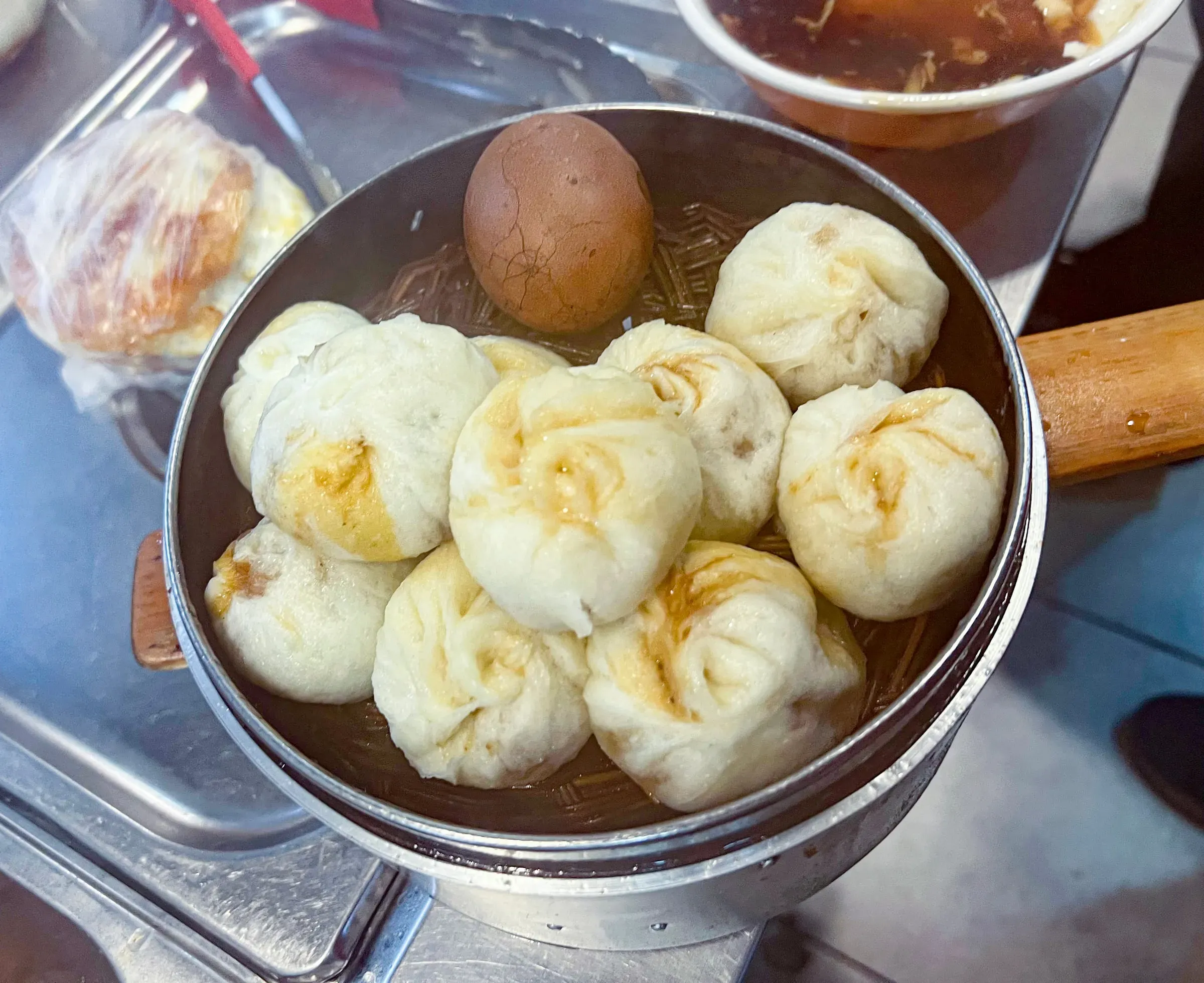
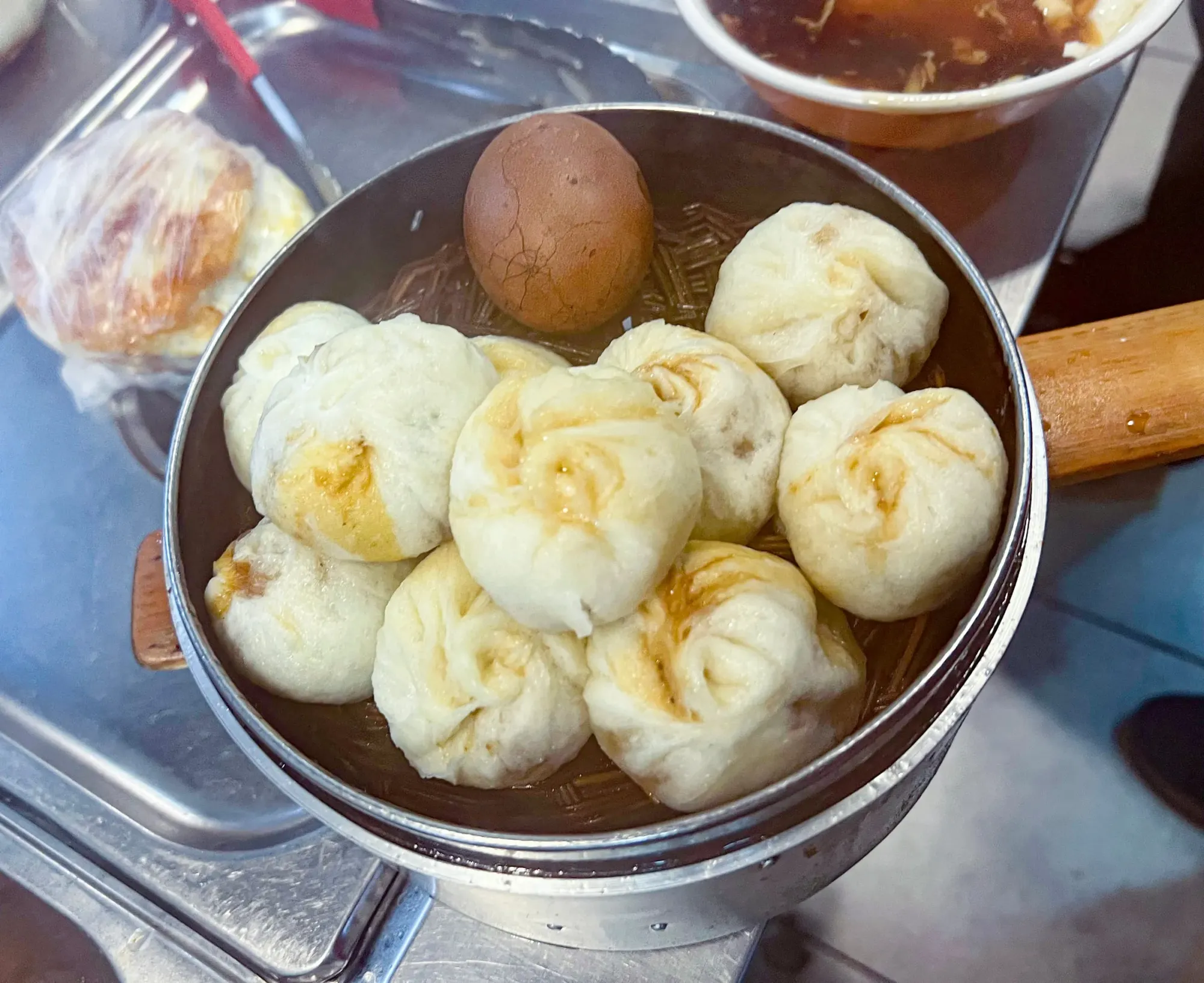
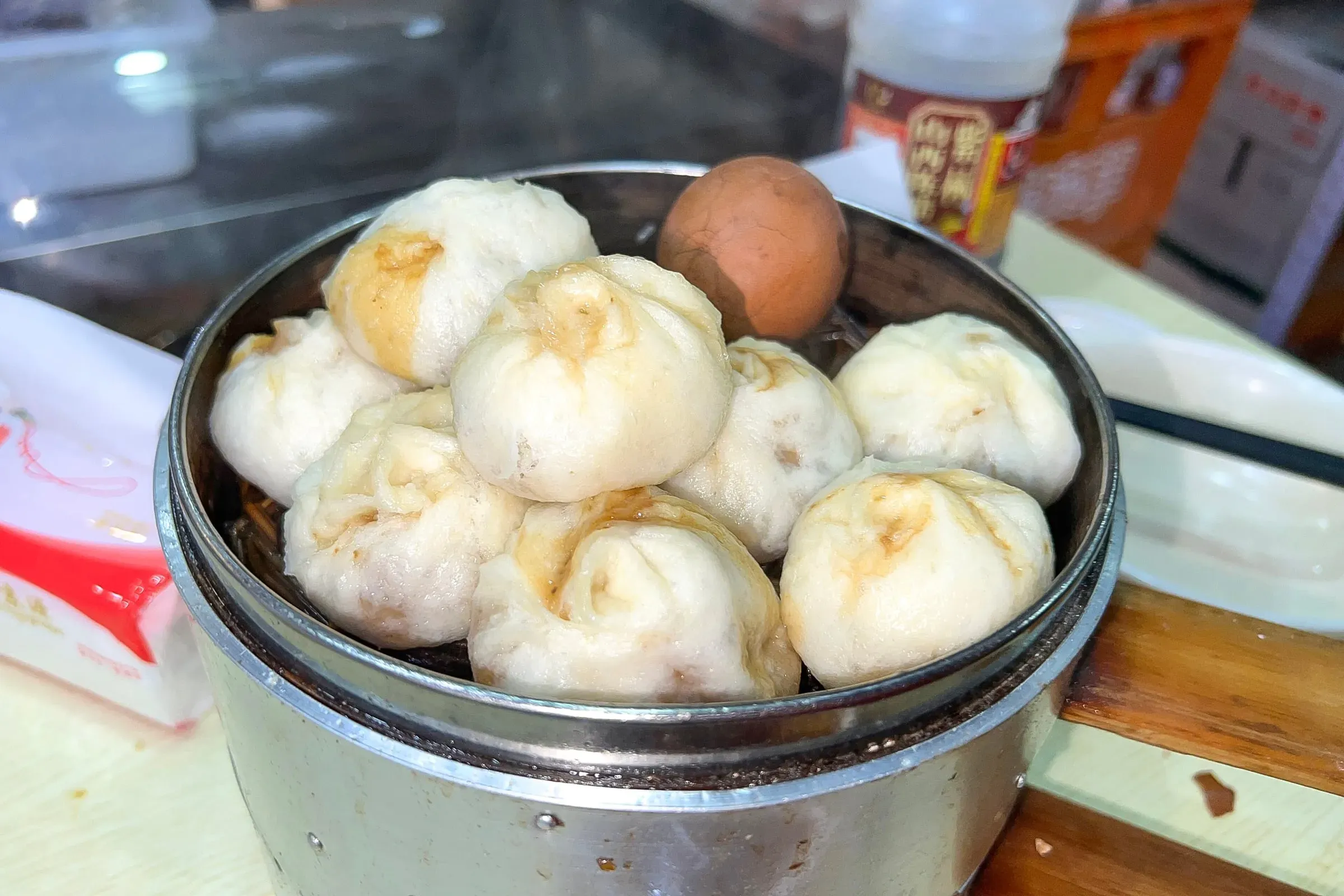
Yue opera was born here; Shengzhou snacks — xiaolongbao, fried rice cakes, zhamian noodles — are sold all over China; the city makes about nine in ten of China’s neckties; its bamboo weaving is national intangible heritage; and it is a major Longjing tea region.

What do “Hangzhou xiaolongbao” have to do with Shengzhou?

Many of the shops across China with a “Hangzhou xiaolongbao” sign are actually run by people from Shengzhou. Early on, Shengzhou bun makers borrowed the better-known name of Hangzhou for their signs. See Shengzhou xiaolongbao.

What is there to see in Shengzhou?

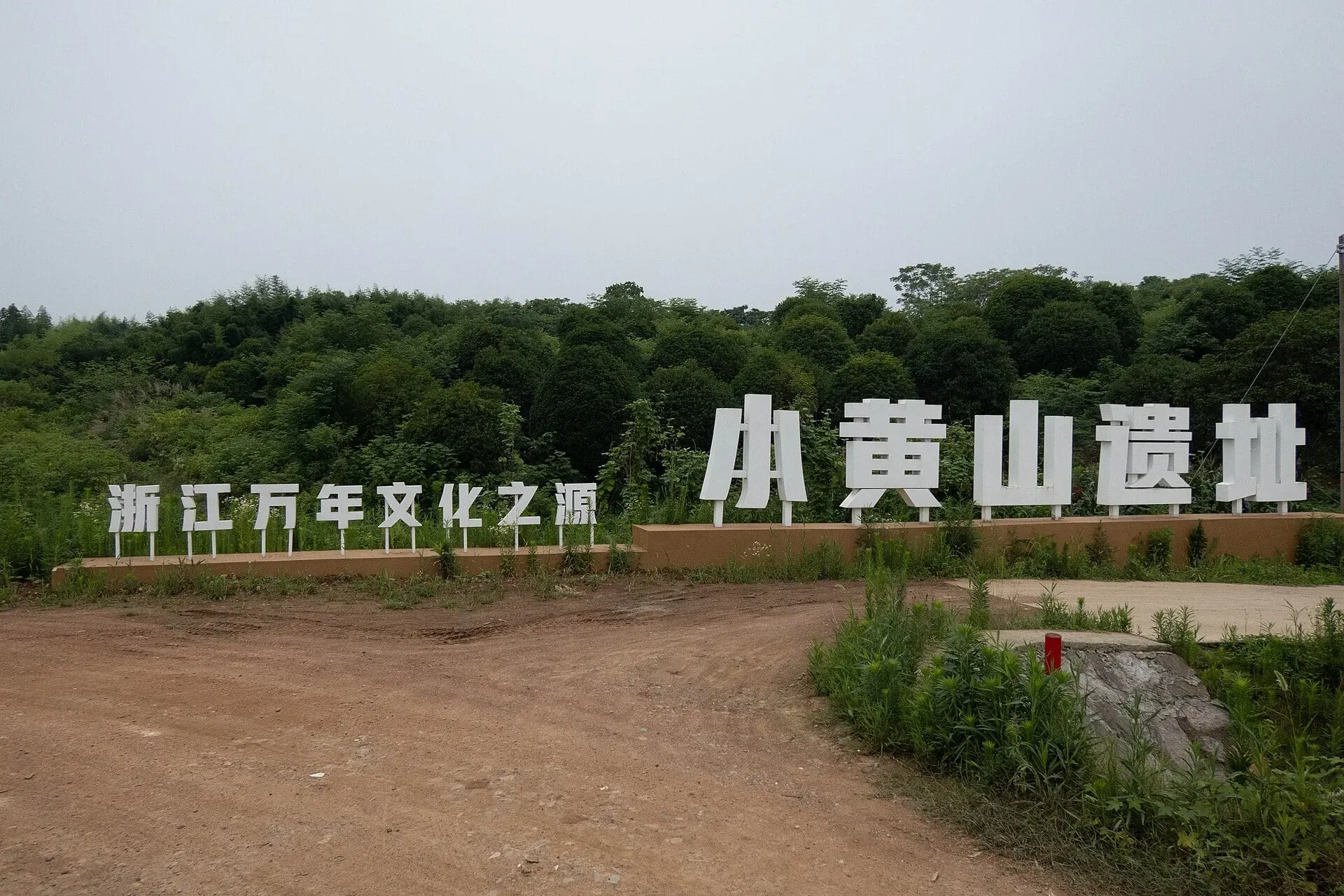
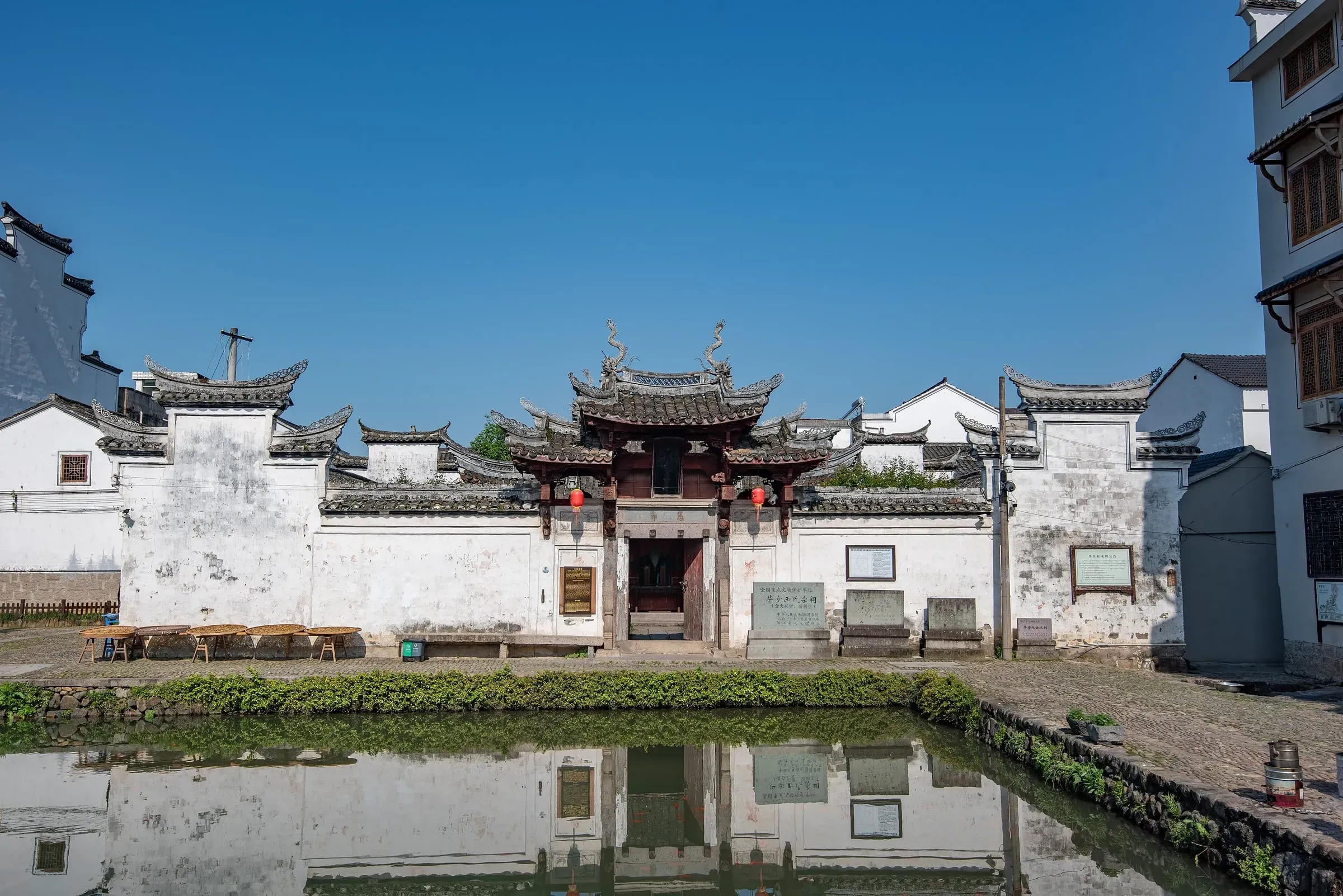
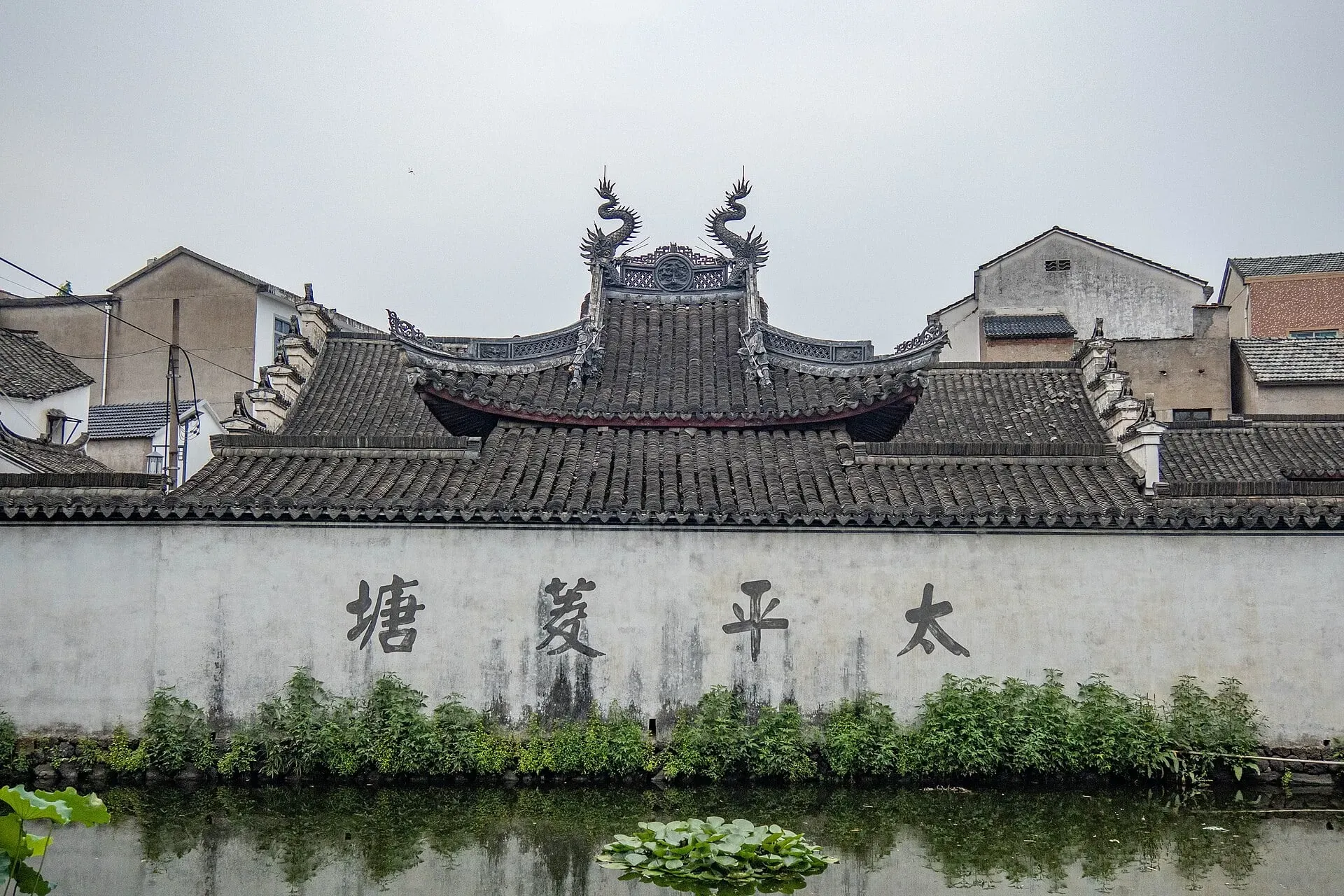
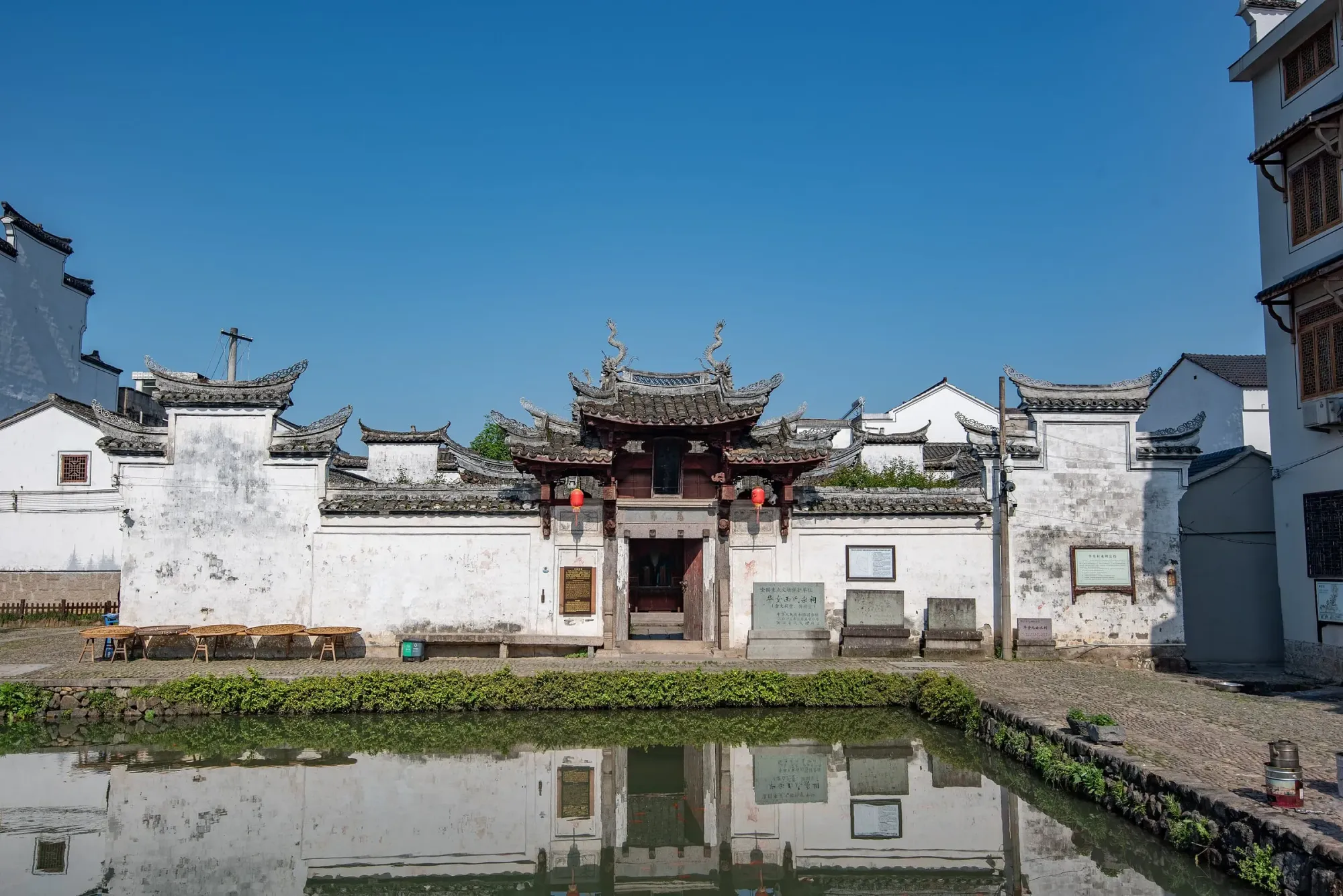
Chongren ancient town; Dongwang Village, where Yue opera began, and the Yue Opera Town around Shijia’ao; Huatang, the village of Wang Xizhi’s descendants; the Xiaohuangshan site, a village from some nine thousand years ago; and the Shan stream running through town. See Places to visit, or Following the Tang Poets Through Shengzhou for a one- or two-day route.

What was Shengzhou called in the past?

Its old name was Shan (剡). It was renamed Sheng (嵊) in 1121, because the old character was thought to bode war. The Shan stream that runs through town still carries the old name.

Notes by Zheng Lao’er

All notes

Zheng Lao’er lives in Shengzhou. He writes poems and short essays and loves taking photos on his phone. His pen name means “second child of the Zheng family.” He is the editor’s father.

  1. Prose ·

    Happy Hands, a Rich Life

    Yesterday evening I shoveled the ash from the burn the day before into a bucket and put it by for later. That ash is the sunlight of a spring and a summer, the last relics of the pumpkin vines, the loofah vines and the eggplant plants, and an old secret handed down among farmers. Then I turned the soil, buried the loofah and pumpkin vines that had been shut up in plastic buckets since last year to rot down, opened two small bags of sheep droppings, scattered them over the bare earth, mixed them in and covered them with soil. That is base fertilizer enough, and rich. It’s true: the moment the loosening and feeding was done, the smell of the earth held the essence of the rotted loofah and pumpkin vines, mixed with the faint grassy scent of the sheep droppings — the plainest fragrance in my balcony paradise.
    Read
  2. Prose ·

    Wildfire on the Balcony

    Yesterday I cut down the pumpkin vines and burned off the plot. My old mother saw it and praised me: “Such a big heap of ash!” Then she swept a dustpan of rubbish off the front balcony and piled it on top, and the tangerine peel that had already dried in the sun toasted in the fire until the whole balcony smelled of its scorched sweetness. Farming people are plain and unpretentious. Rabbit droppings, sheep droppings, chicken droppings, plant ash — to them these are all good things. When they look at them, what they see is row upon row of melons and vegetables, green and glossy and full of juice. They have dealt with the land all their lives; they know what is good, and what tastes true. It is a simple kind of joy, and like the crops that grow out of the soil, it has roots and rootlets, and it grows into the bone.

    Read