Small Town China · Stop 06 · Zhejiang

Dongyang

Shengzhou’s neighbor to the southwest: the “Hollywood of the East,” where more than 1,200 films and shows have been shot; a woodcarving craft more than a thousand years old; and an egg eaten only in spring.

余幼时即嗜学

“Even as a boy I loved to study” · Song Lian, to Ma of Dongyang

Dongyang is a county-level city under Jinhua in central Zhejiang. Shengzhou and Xinchang border it to the northeast, Pan’an to the southeast and Yiwu to the west. It covers about 1,747 square kilometers, mostly hills and mountains, the highest of which, Dongbai Mountain, rises to 1,194.7 meters; the Dongyang River runs through it, and locals sum up the landscape as “singing hills and painted water.”

Dongyang is old. A county called Wuning was founded here in 195, under the Eastern Han; Dongyang County was created in 688 under the Tang, and became a city in 1988. It is famous for wood carving and for its builders — Dongyang carvers left their work in Beijing’s Forbidden City and elsewhere — and on the east side of town stands the Lu Residence, a family compound built up over the Ming and Qing. South of the city, the town of Hengdian is today one of the largest filmmaking bases in the world, the “Hollywood of the East.”

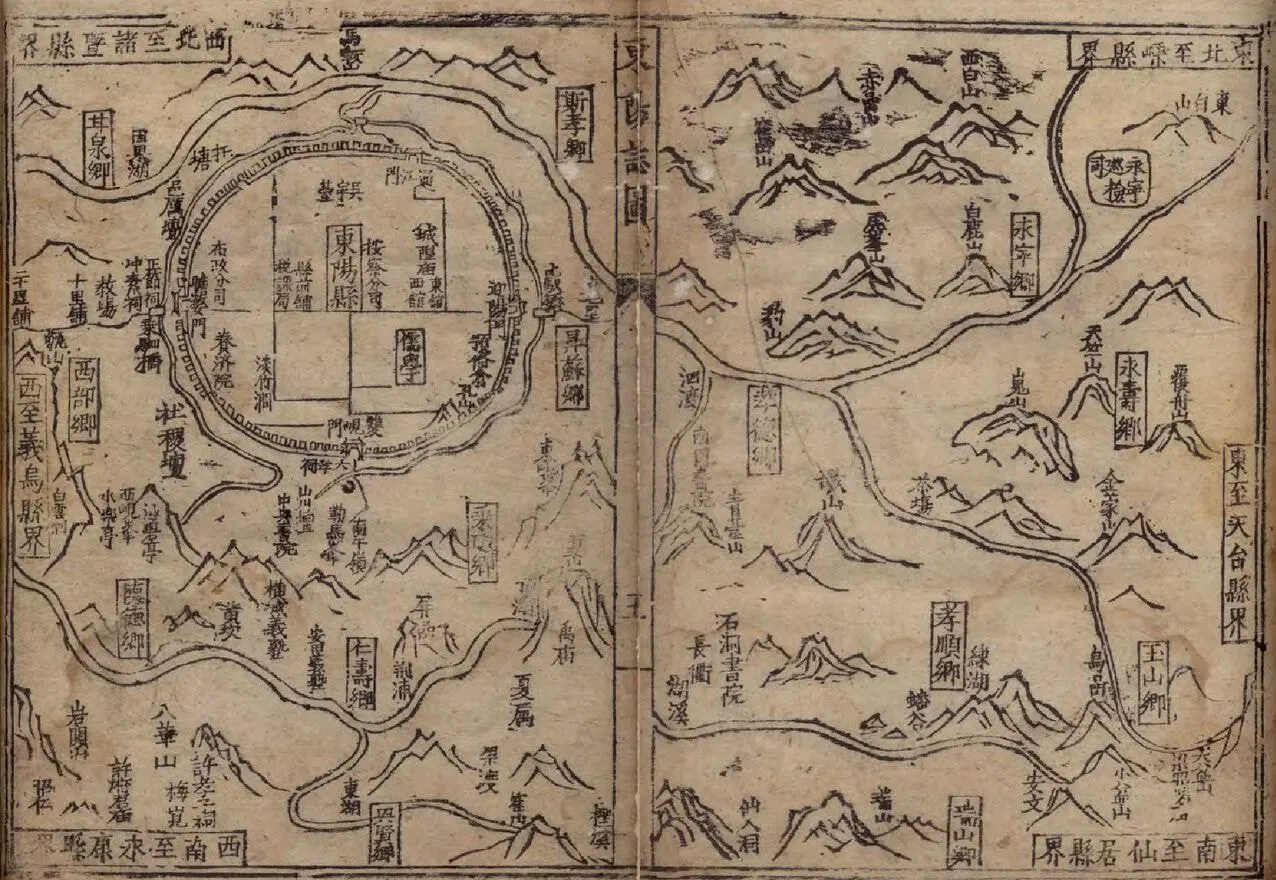
The county map from the Dongyang gazetteer of the Ming Longqing years, joined here from its two halves. The walled county town is on the left; the corners name the neighboring counties — Zhuji to the northwest, Yiwu to the west, Yongkang to the southwest, Shengxian (today’s Shengzhou) to the northeast, Tiantai to the east and Xianju to the southeast.
Photo: 《隆庆东阳县志》(上海图书馆藏) · Public domain · Wikimedia Commons

At a glance

Location
Jinhua, Zhejiang, southwest of Shengzhou and Xinchang
Area
About 1,747 km²
Population
About 1,088,000 (2020 census)
Founded
Wuning County in 195; Dongyang County in 688; a city since 1988
Known for
Hengdian World Studios, Dongyang wood carving, the Lu Residence, virgin boy eggs
Getting there
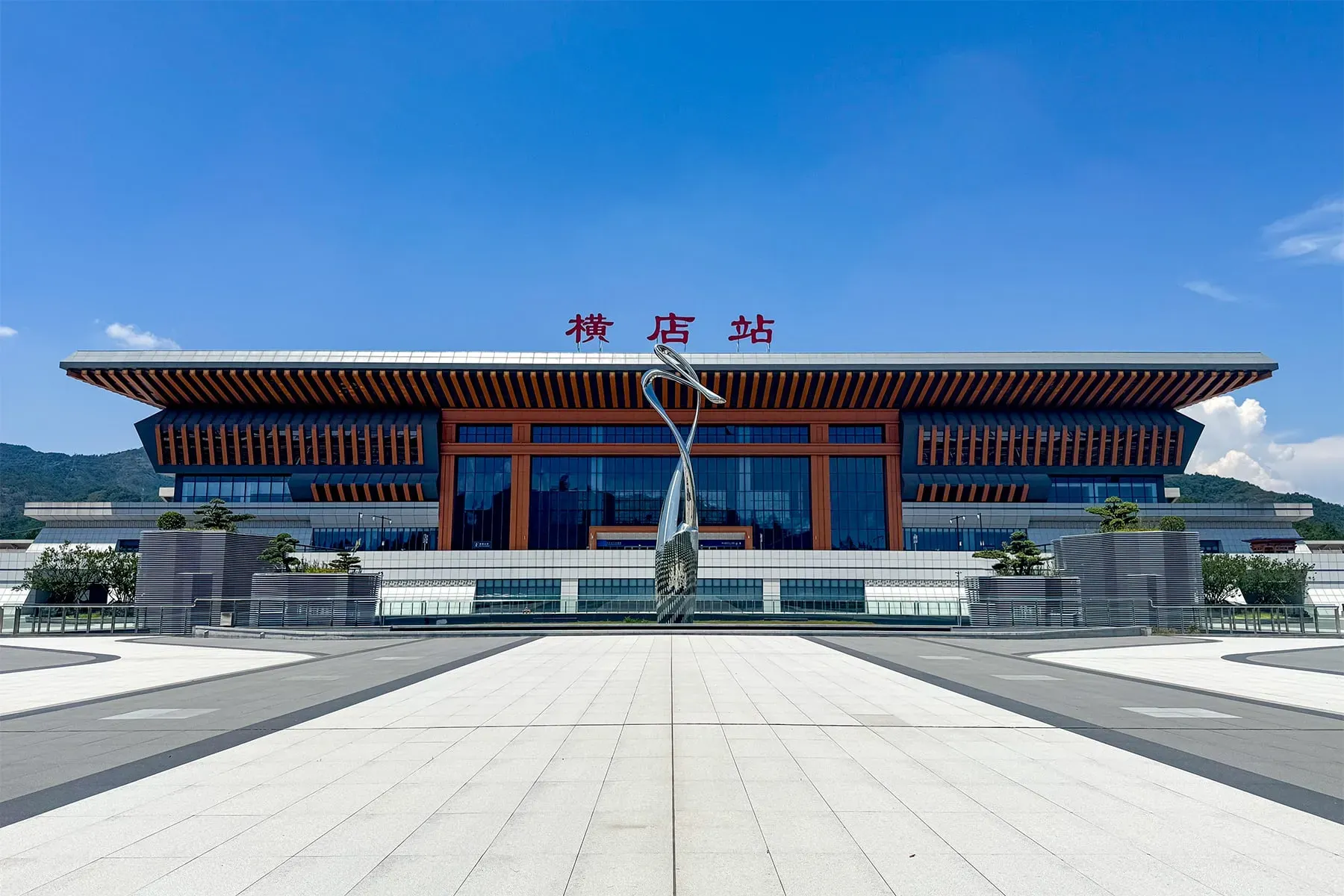
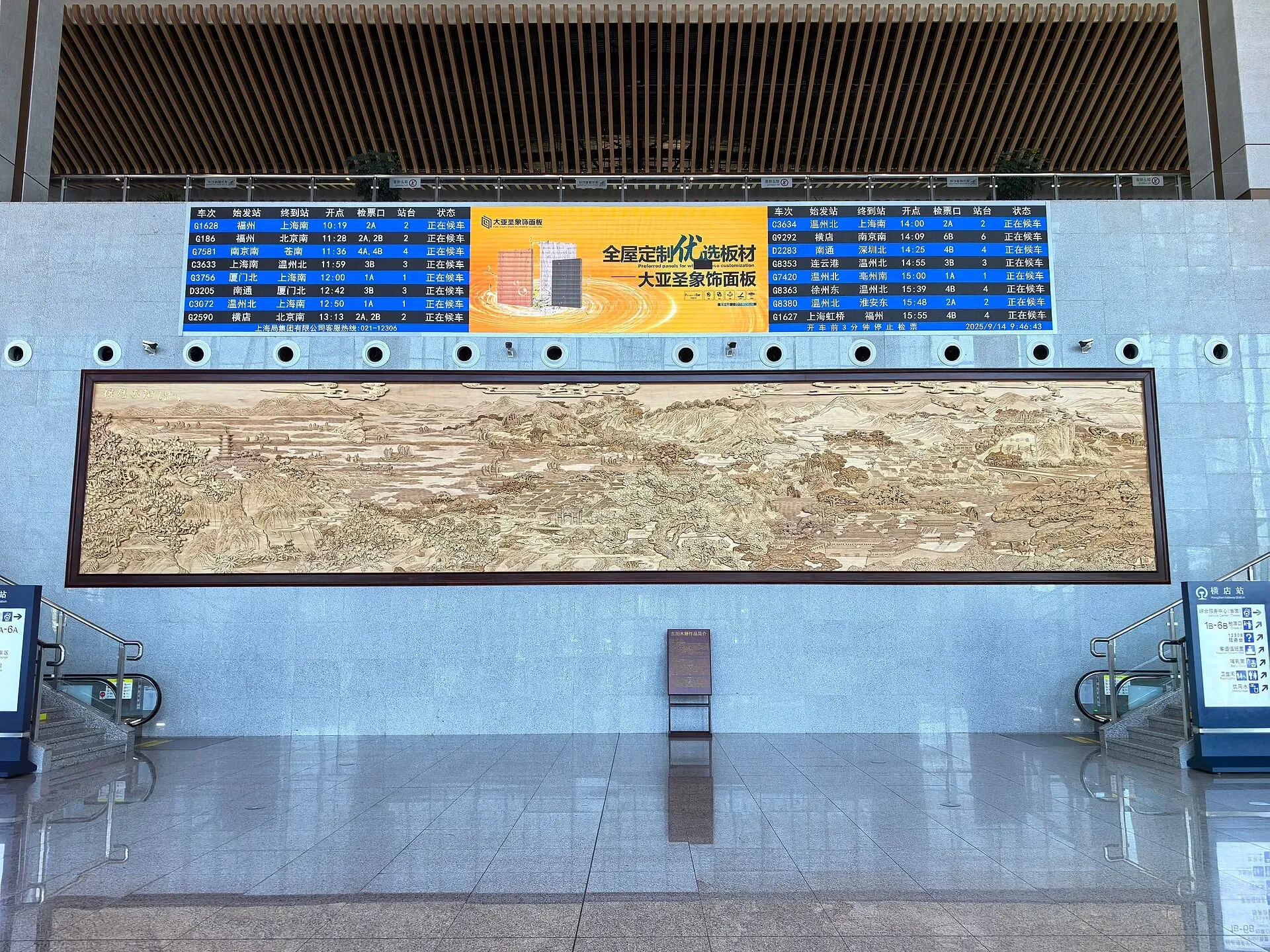
Hengdian station on the Hangzhou–Wenzhou high-speed line, about an hour from Hangzhou West

Sources: 维基百科, Wikipedia, 东阳木雕 · 中国非物质文化遗产网, 送东阳马生序 · 维基文库, 嵊州市 · 维基百科(四邻), 磐安县 · 维基百科(1939 年设县)

Where Dongyang isHangzhou: about 110 km in a straight line. Shaoxing: about 85 km in a straight line. Jinhua: about 60 km in a straight line. Yiwu: about 15 km in a straight line. Shengzhou: about 65 km in a straight line. Shanghai: about 245 km in a straight line.50 km100 kmHangzhou110 kmShaoxing85 kmJinhua60 kmYiwu15 kmShengzhou65 kmShanghai245 kmDongyangN
Straight-line distances

Dongyang guides

In depth

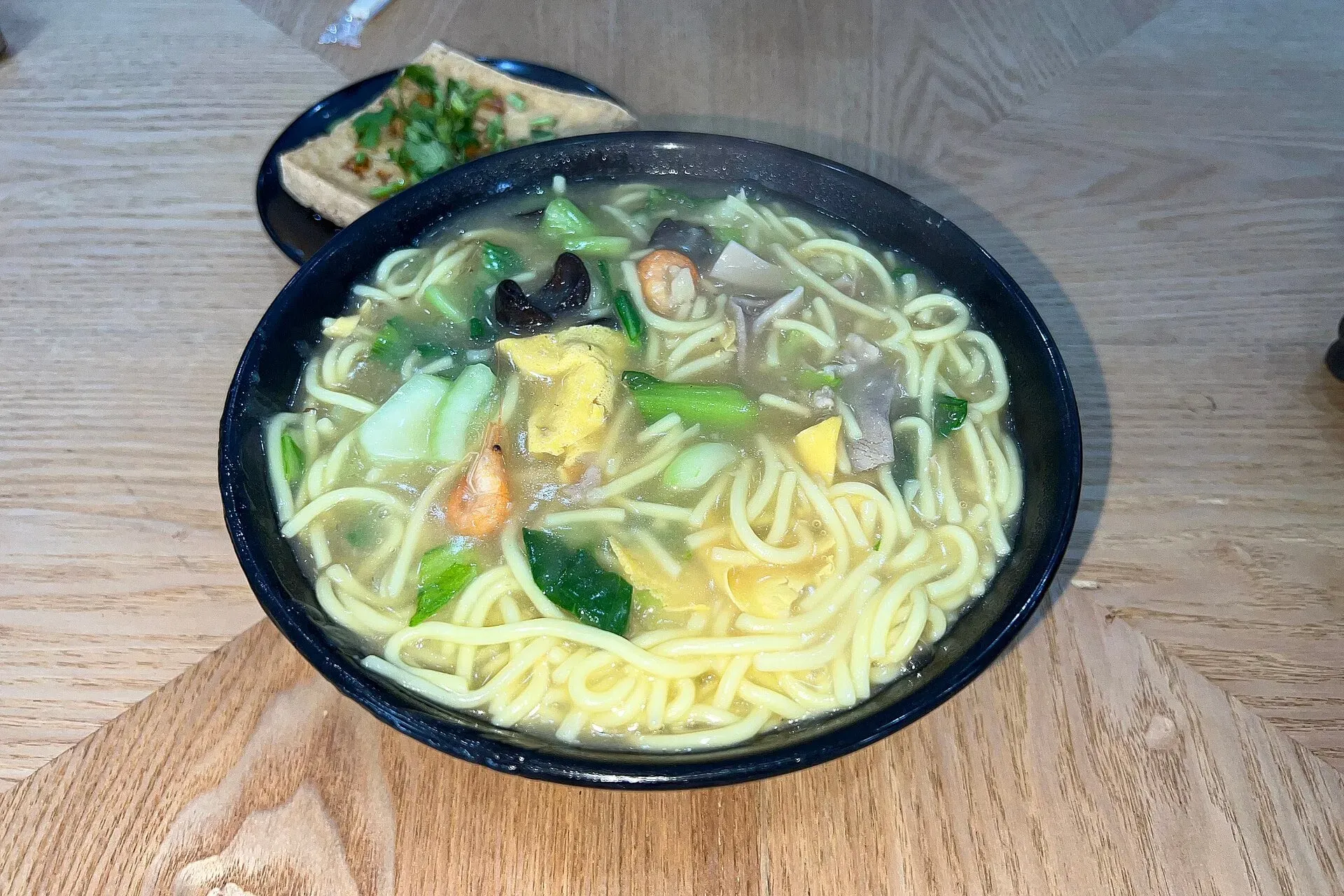
A bowl of Dongyang aomian, 2025.Photo: N509FZ · CC BY-SA 4.0 · Wikimedia Commons

In depth · Dongyang food

Virgin Boy Eggs and Dongyang Aomian

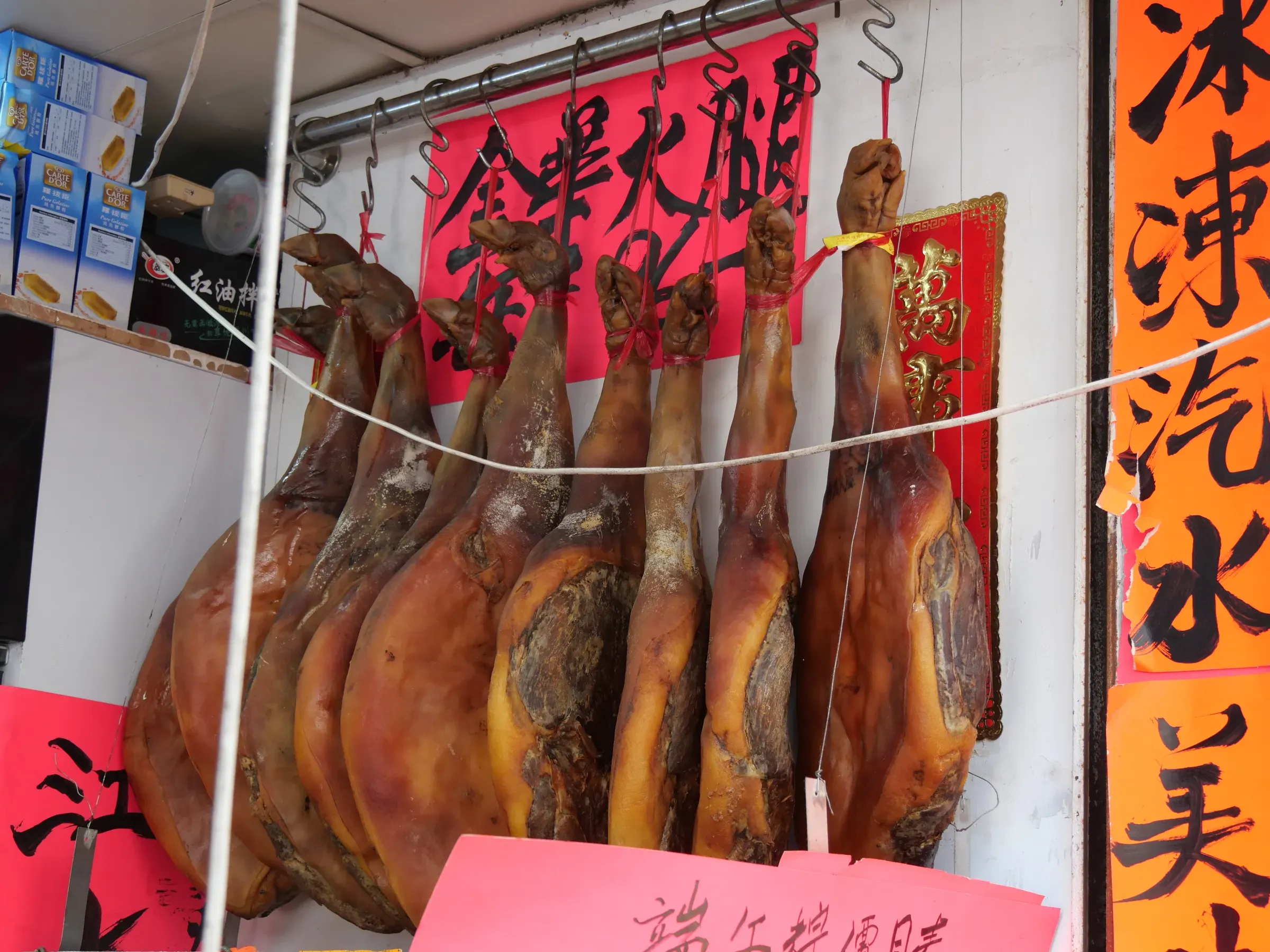
Virgin boy eggs are a traditional food of Dongyang, Zhejiang — eggs boiled in the urine of young boys, eaten in early spring and listed as municipal intangible heritage in 2008. Locals believe they cool the body; medical professionals say they have no nutritional value. For everyday eating, Dongyang has aomian, a thick noodle soup of “ten toppings in one bowl.”
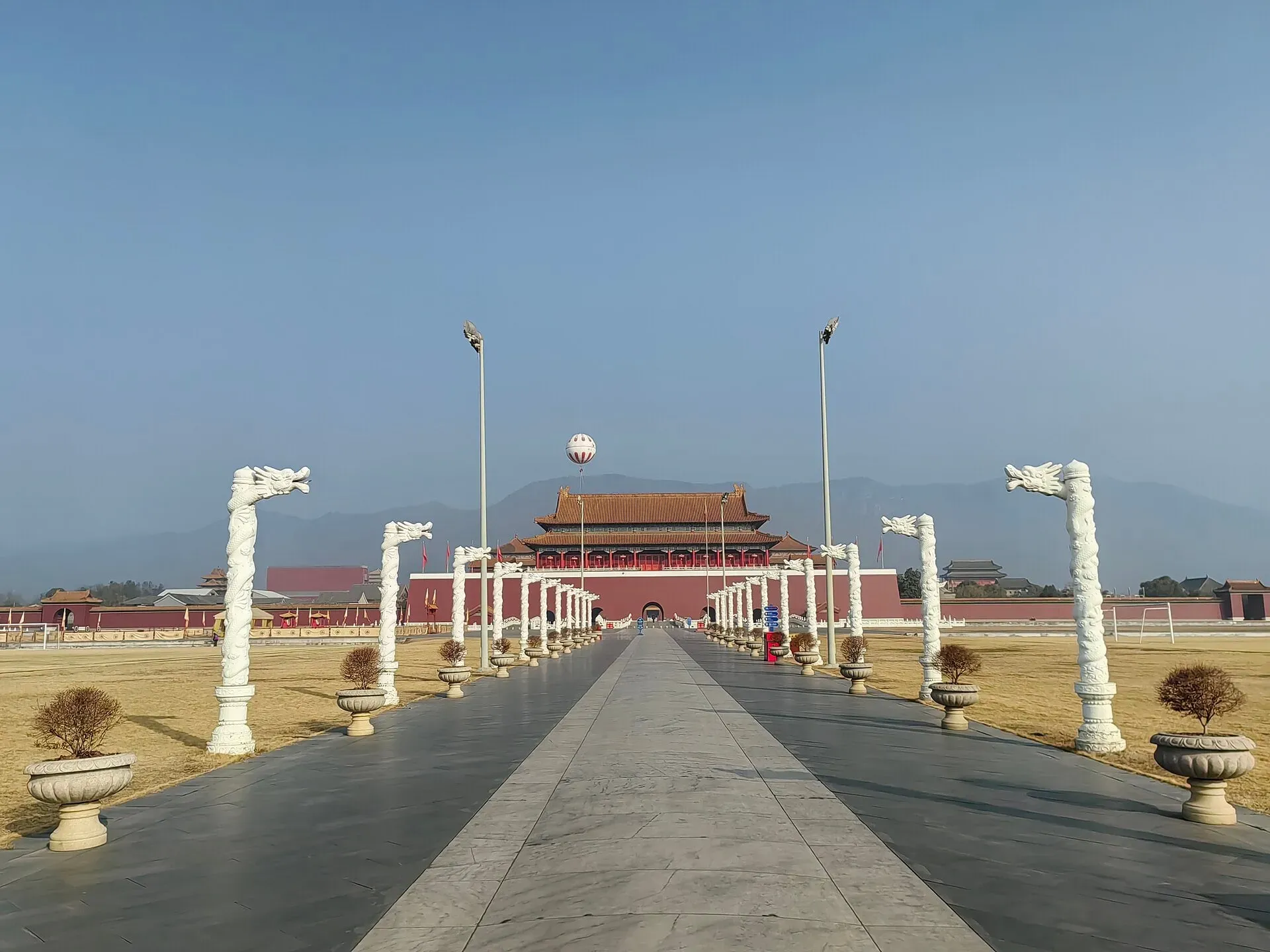
The full-scale replica of Tian’anmen in the Ming and Qing Palaces area of Hengdian World Studios, 2024.Photo: Yumeto · CC BY-SA 4.0 · Wikimedia Commons

In depth · Dongyang travel

Hengdian World Studios

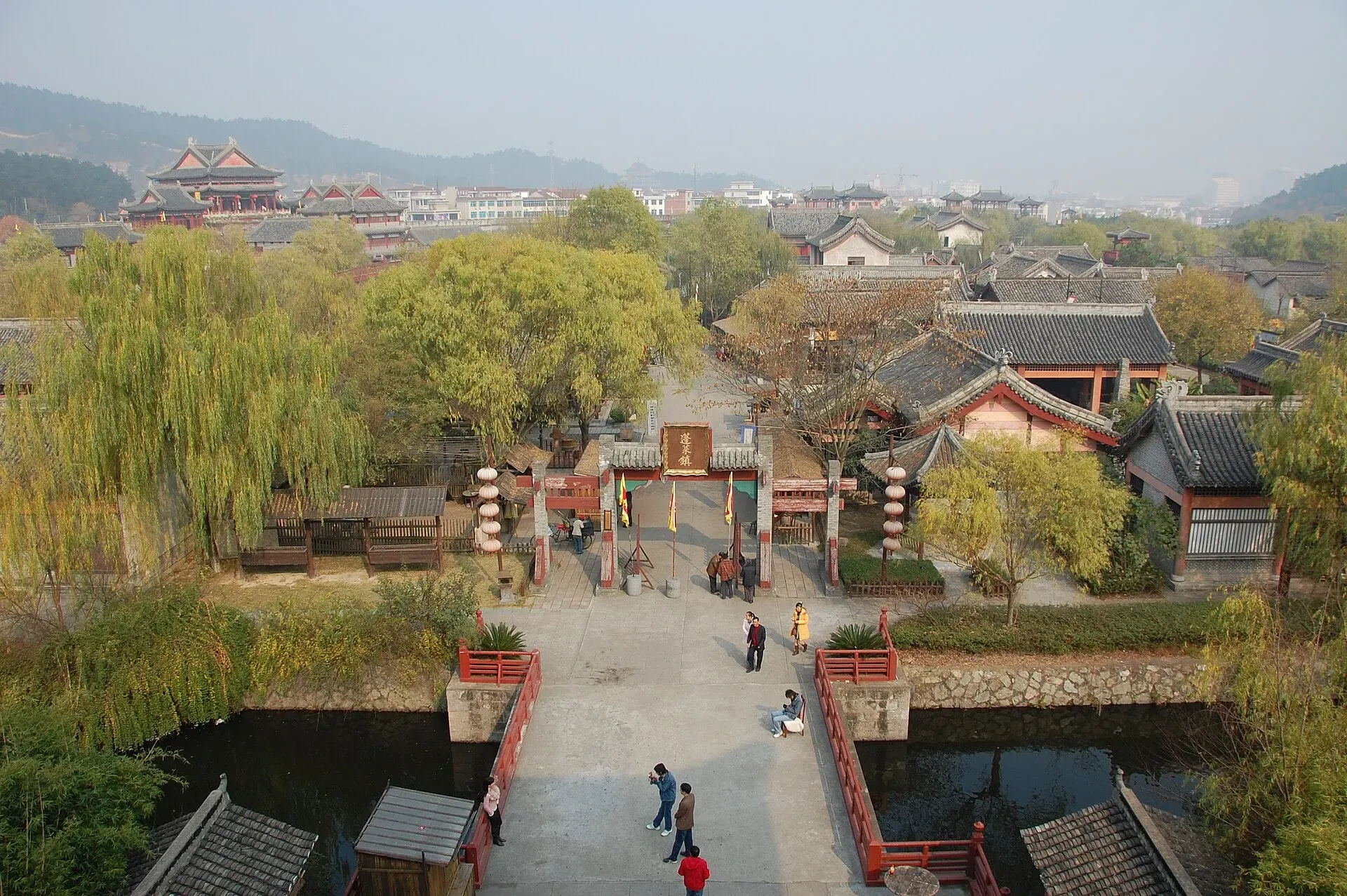
Hengdian World Studios, in the town of Hengdian in Dongyang, Zhejiang, began in 1996 with a replica Guangzhou street built for the film The Opium War. Today it is one of the largest filmmaking bases in the world, where more than 1,200 films and shows have been shot. Since 2024 Hengdian has had its own high-speed station — 47 minutes from Hangzhou West at the fastest, with direct trains from Shanghai Hongqiao.

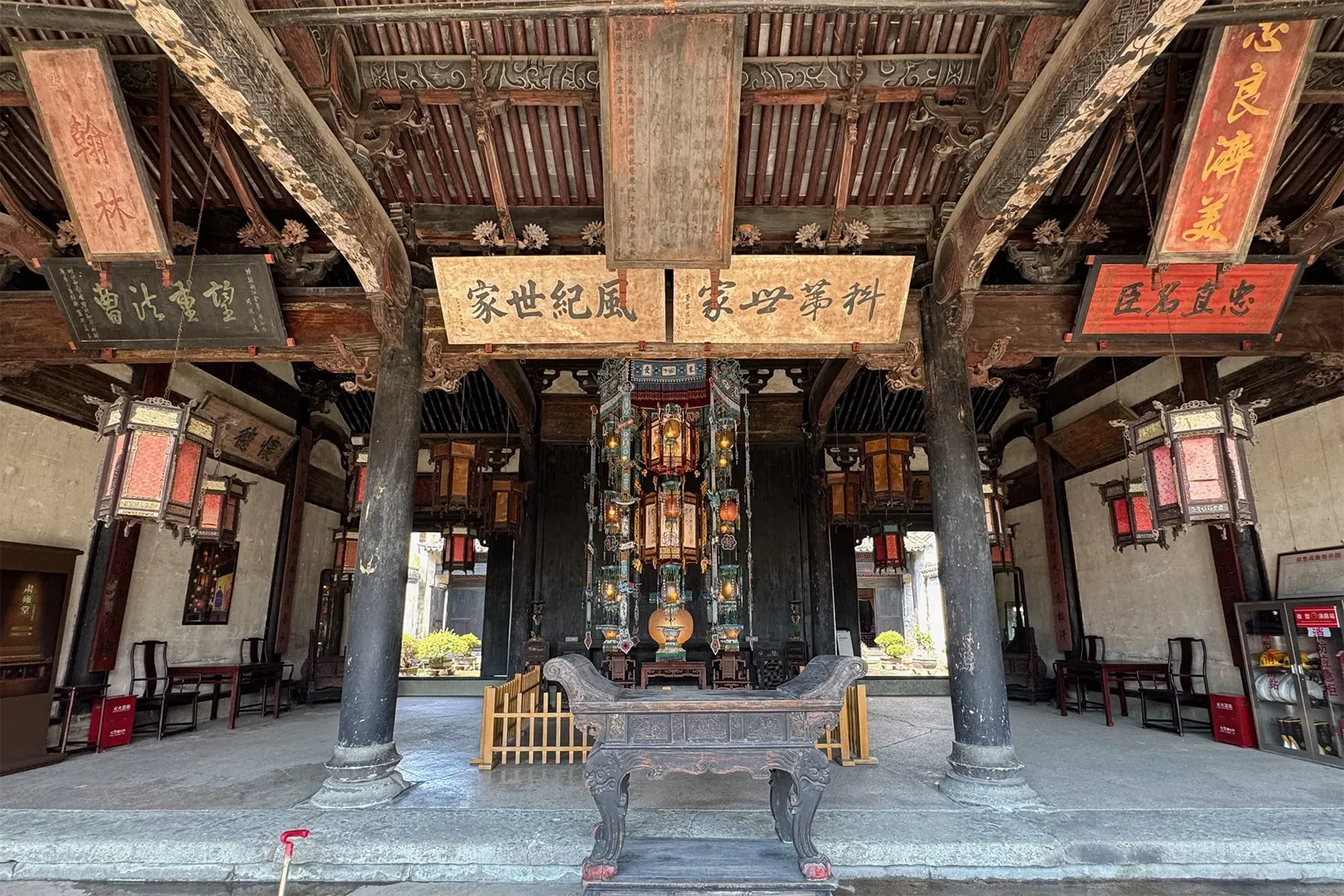
One of the halls of the Lu Residence, its beams and boards covered in carving, 2026.Photo: Windmemories · CC BY-SA 4.0 · Wikimedia Commons

In depth · Dongyang opera & poetry

Dongyang Wood Carving and the Lu Residence

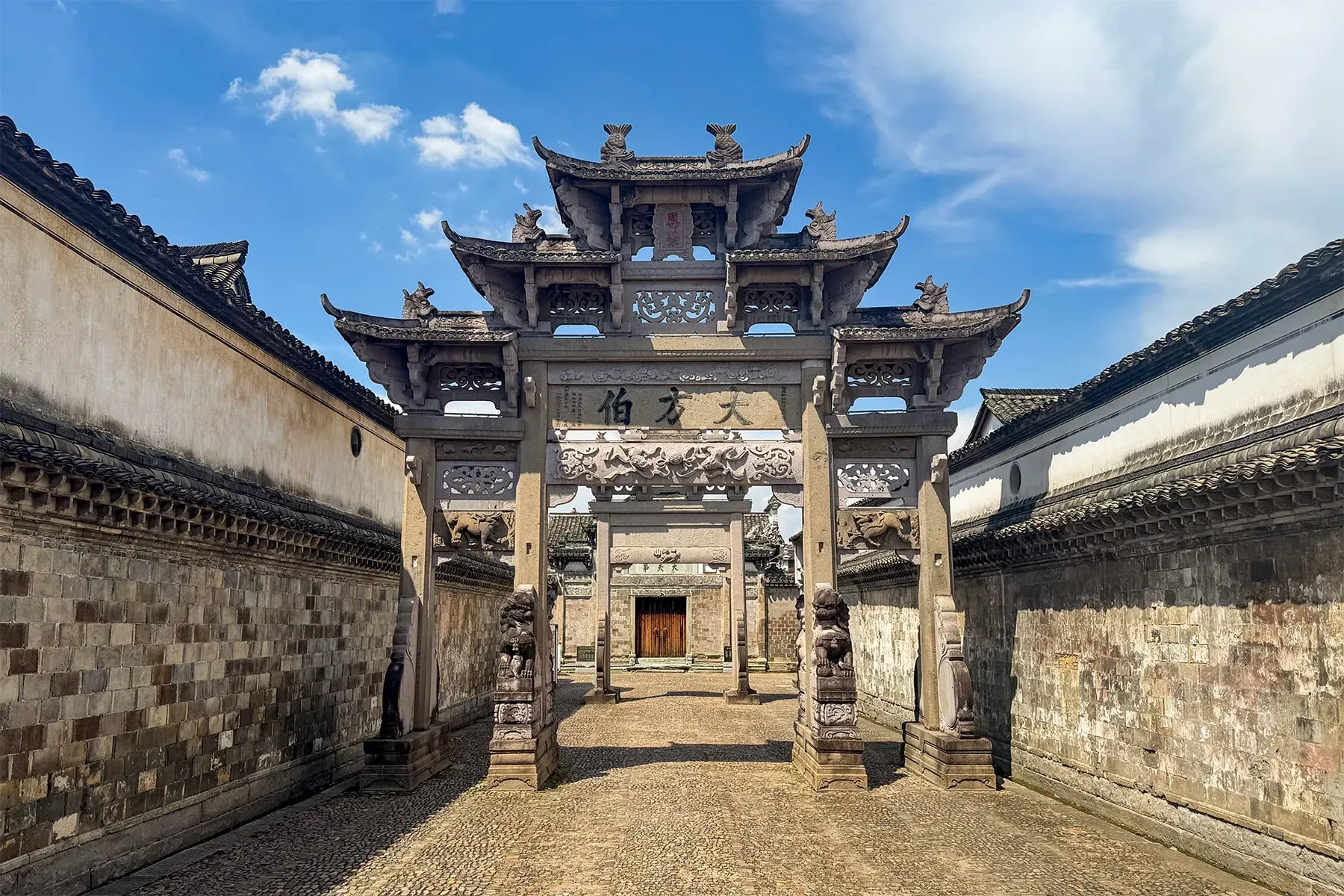
Dongyang wood carving is one of China’s four great woodcarving traditions — mainly relief carving, left unvarnished in the natural color of the wood, hence its name “white wood carving.” It joined China’s first national list of intangible heritage in 2006. To see it as it was used in buildings, visit the Lu Residence on the east side of town, a family compound built over the Ming and Qing and a national Major Historical and Cultural Site since 1988.

Questions & answers

Where is Dongyang, and is Hengdian part of it?

Dongyang is a county-level city under Jinhua in central Zhejiang, next to Shengzhou and Xinchang. Hengdian is a town in the south of Dongyang, and Hengdian World Studios is there. The high-speed station, Hengdian, is on the Hangzhou–Wenzhou line, about an hour from Hangzhou West. See Getting to Dongyang and Hengdian.

What is there to see in Dongyang?

Hengdian World Studios above all, with a dozen or so areas such as the Palace of Emperor Qin, the Ming and Qing Palaces, the Riverside Scene at Qingming and Guangzhou Street and Hong Kong Street. On the east side of town is the Lu Residence, a Ming and Qing family compound, and there is the China Dongyang Wood Carving Museum. See Hengdian World Studios and Dongyang Wood Carving and the Lu Residence; for more, see Things to Do in Dongyang.

What is unusual about Dongyang’s food?

The most famous and most argued-over is the virgin boy egg — eggs boiled in boys’ urine, eaten in spring and listed as part of Dongyang’s municipal intangible heritage. Among everyday dishes, Dongyang aomian is one of Jinhua’s signature county noodles. See Virgin Boy Eggs and Dongyang Food.

Who was the student Ma in Song Lian’s essay to Ma of Dongyang?

Ma Junze, a young man from Dongyang who had spent two years at the Imperial Academy in the early Ming. When Song Lian came to the capital for an audience, Ma called on him as a young man from the same home region; as Ma was leaving to visit his parents, Song wrote him this preface, recalling the hardships of his own studies to urge him on.

How is Dongyang related to Shengzhou, Tiantai and Xianju?

They are neighbors. The county map in the Ming gazetteer of Dongyang marks the border with Shengxian (Shengzhou) to the northeast, Tiantai to the east and Xianju to the southeast; Pan’an County did not yet exist — it was carved out of Dongyang and its neighbors in 1939. Today Dongyang borders Shengzhou and Xinchang to the northeast, and Xianju and Hengdian are on the same Hangzhou–Wenzhou railway.