Small Town China · Stop 07 · Zhejiang

Zhuji

Shengzhou’s neighbor to the west: the hill where Xi Shi washed silk, the market for seven in ten of the world’s freshwater pearls, and torreya trees on the Kuaiji hills more than a thousand years old.

西施越溪女

“Xi Shi, a girl of the Yue streams” · Li Bai

Zhuji is a county-level city under Shaoxing in Zhejiang Province, pronounced Zhū-jì. It lies on the west side of the Kuaiji hills, with the Puyang River, a tributary of the Qiantang, running through the middle; Shengzhou is its neighbor to the east and Dongyang to the southeast. The city covers about 2,311 square kilometers — “seven parts hills, one part water, two parts fields” — and its people and towns are gathered in the Zhuji basin in the middle.

Zhuji is one of the oldest counties in Zhejiang. In the Spring and Autumn period this was the land of Yue, and the kings of Yue had capitals here; the county itself was founded in 222 BCE under the Qin, and though its name and allegiance changed many times it was never abolished, becoming a city in 1989. Today Zhuji means three things: the hometown of Xi Shi, the largest market for freshwater pearls in the world, and the ancient torreya groves of the Kuaiji hills.

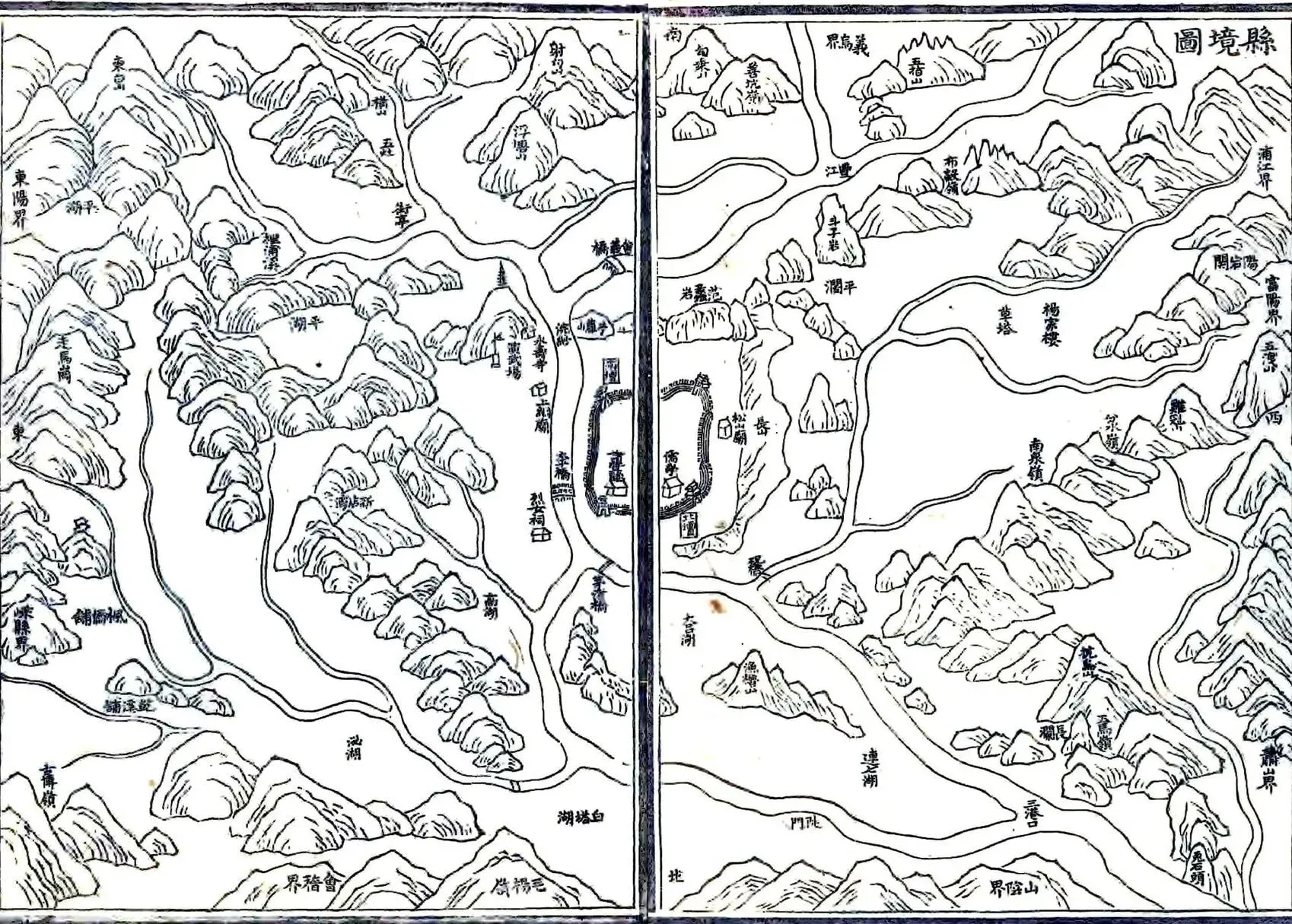
The county map from the Zhuji gazetteer of 1773, joined here from its two halves, with the walled county town in the middle. South is at the top, so the eastern neighbors appear on the left — the borders with Dongyang, Shengxian (Shengzhou) and Kuaiji — and the western ones on the right: Pujiang, Fuyang, Xiaoshan and Shanyin.
Photo: 沈椿龄 修、楼瀍 纂 ·《乾隆诸暨县志》 · Public domain · Wikimedia Commons

At a glance

Location
Shaoxing, Zhejiang, west of Shengzhou
Say it
Zhū-jì
Area
About 2,311 km²
Population
About 1,218,000 (2020 census)
Founded
222 BCE under the Qin; a city since 1989
Known for
Xi Shi’s hometown, pearls, torreya nuts, the Wuxie waterfalls
Getting there
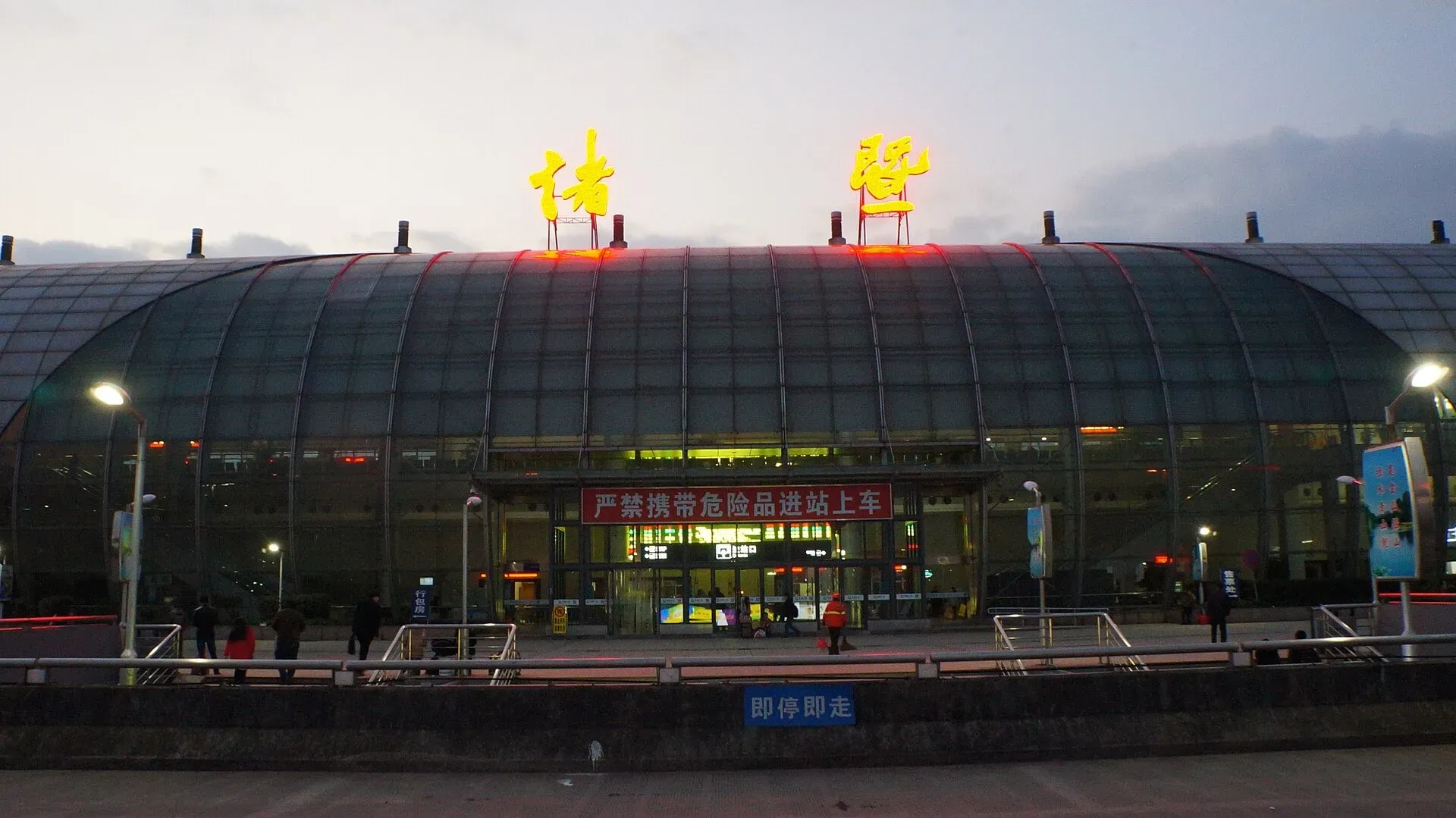
Zhuji station on the Shanghai–Kunming high-speed line, from about 1 h 10 min from Shanghai Hongqiao

Sources: 维基百科, Wikipedia, 嵊州市 · 维基百科(四邻), 西施(李白)· 维基文库, 王冕 · 维基百科, 墨梅 · 维基文库

Where Zhuji isHangzhou: about 60 km in a straight line. Shaoxing: about 45 km in a straight line. Shengzhou: about 60 km in a straight line. Yiwu: about 45 km in a straight line. Shanghai: about 205 km in a straight line.50 km100 kmHangzhou60 kmShaoxing45 kmShengzhou60 kmYiwu45 kmShanghai205 kmZhujiN
Straight-line distances

Zhuji guides

In depth

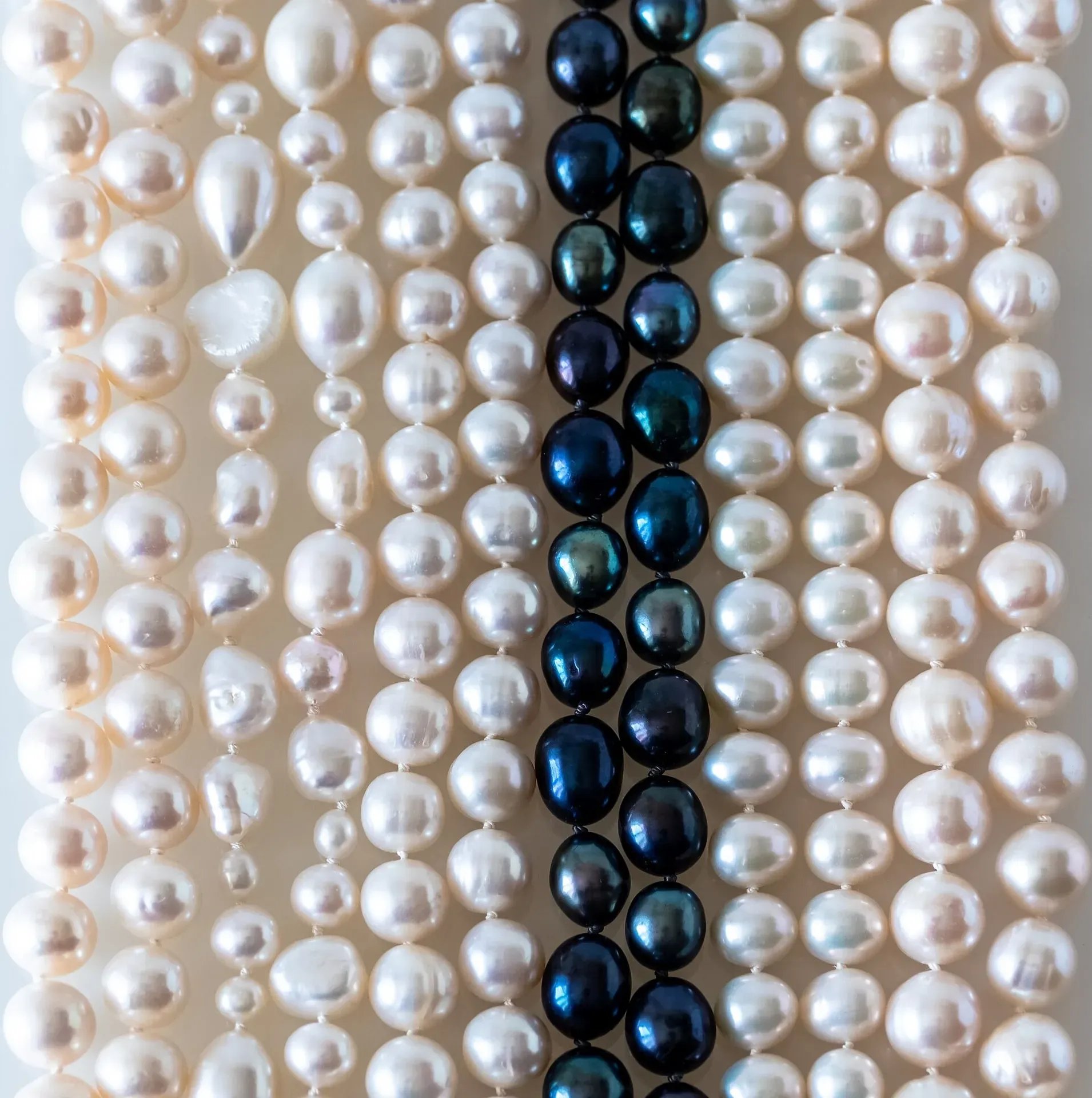
Strands of freshwater pearls, photographed in a workshop in Sweden in 2018 (not in Zhuji).Photo: W.carter · CC BY 4.0 · Wikimedia Commons

In depth · Zhuji made here

Zhuji Pearls

Shanxiahu, a town in Zhuji of less than 43 square kilometers, produces more than 80 percent of China’s freshwater pearls and over 70 percent of the world’s, and is the largest freshwater pearl market on earth. It began in 1970, when a farmer put his first three hundred mussels into Baita Lake; the Huadong International Jewelry City, opened in 2008, is the world’s biggest pearl market.
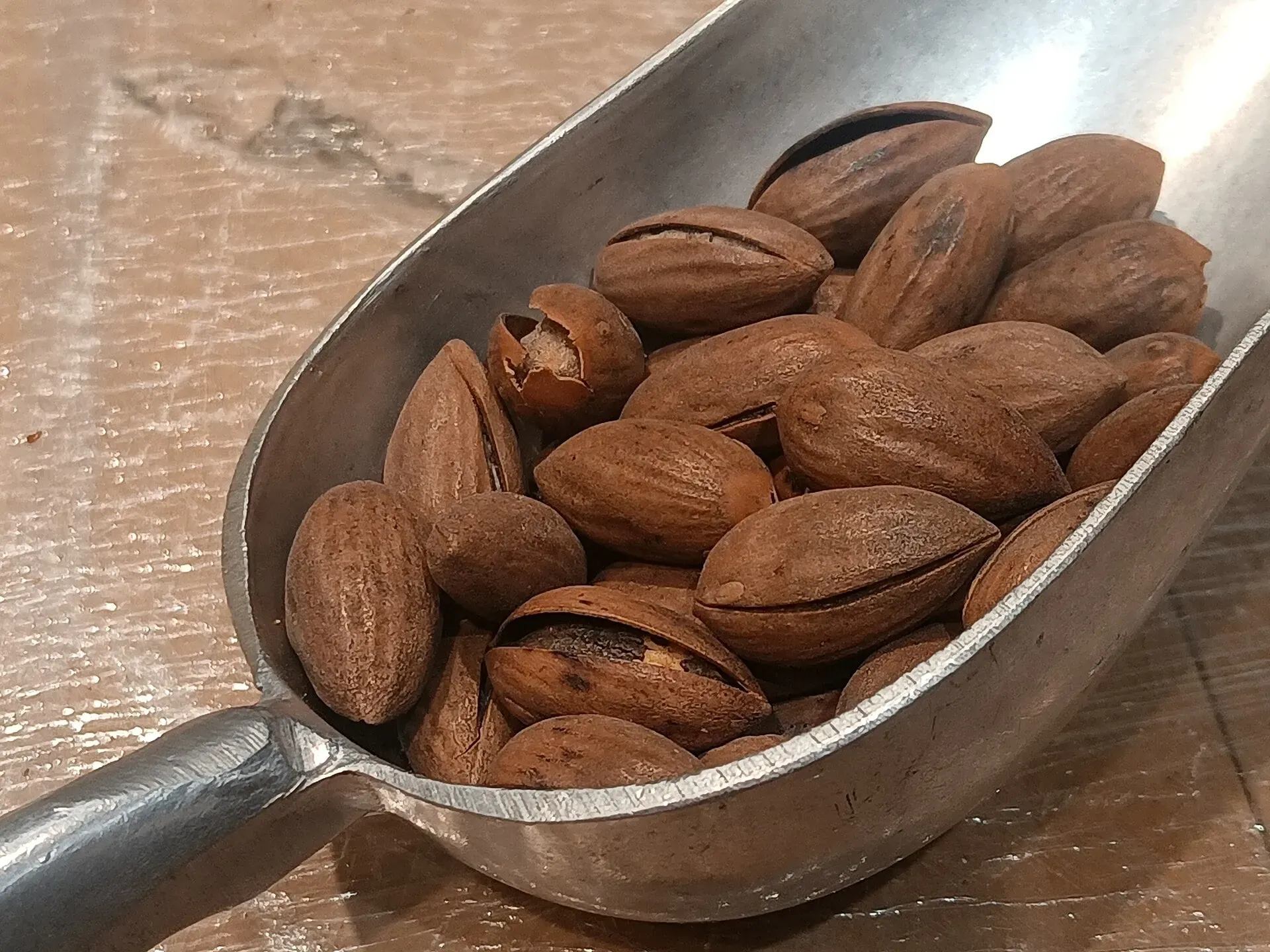
Roasted torreya nuts, 2024.Photo: Fumikas Sagisavas · CC0 · Wikimedia Commons

In depth · Zhuji food

Torreya Nuts

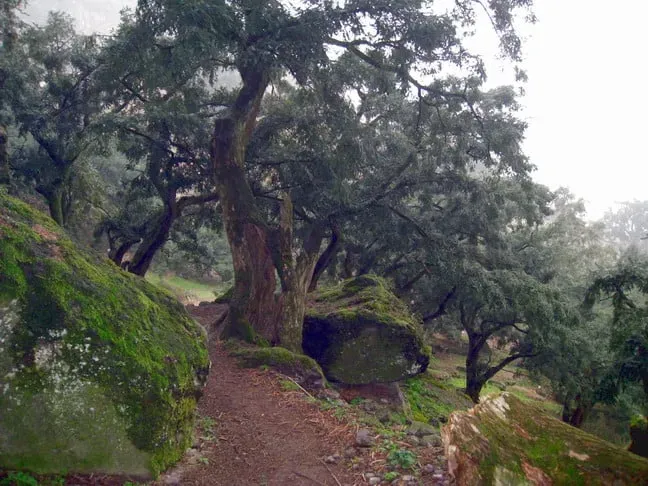
Torreya nuts, xiangfei in Chinese, are a nut found only in China — olive-shaped once roasted, with a hard shell and a black inner skin. The Kuaiji hills hold nearly 80,000 ancient torreya trees, recognized by the UN Food and Agriculture Organization as a Globally Important Agricultural Heritage System in 2013. Zhaojia in Zhuji is the heart of it, with more than 2,700 trees over a thousand years old; its “King of Torreya” is some 1,380 years old.

The Xi Shi Hall in Xi Shi’s Hometown, Zhuji, 2008.Photo: 江上清风1961 · CC BY 3.0 · Wikimedia Commons

In depth · Zhuji opera & poetry

Xi Shi’s Hometown

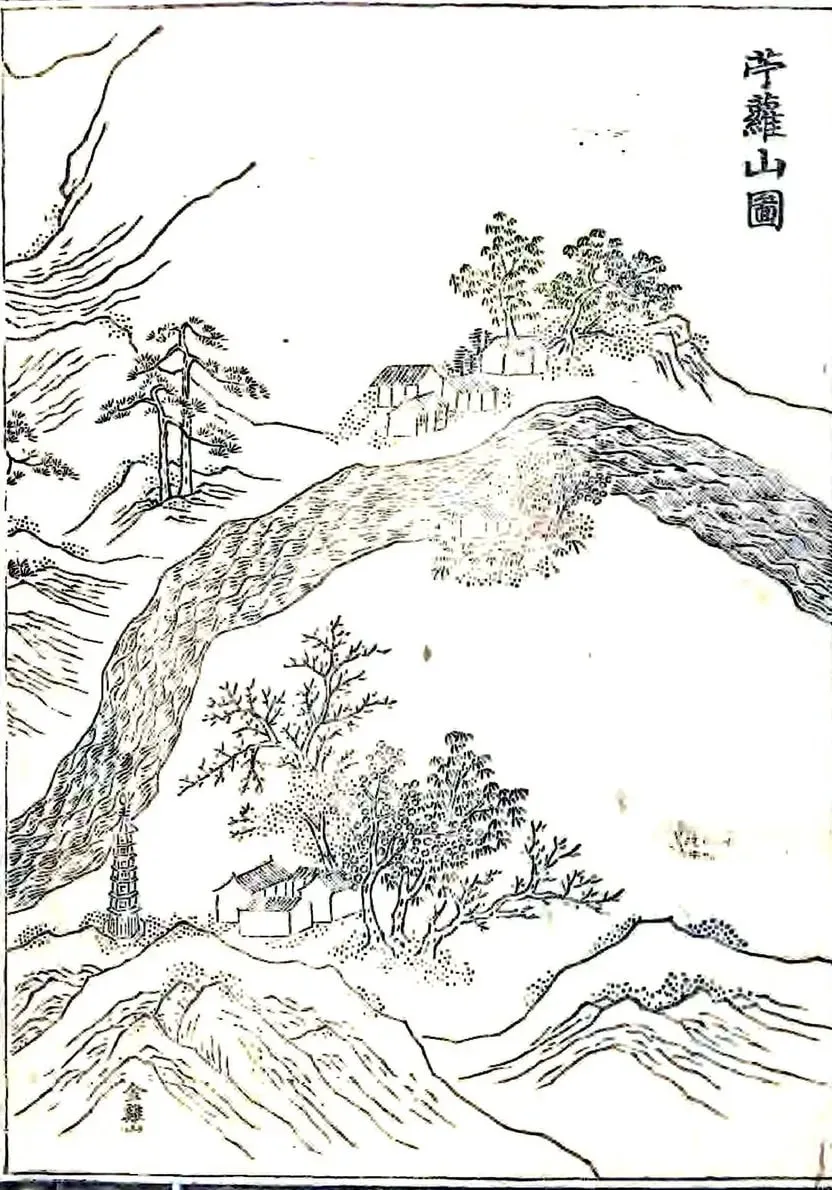
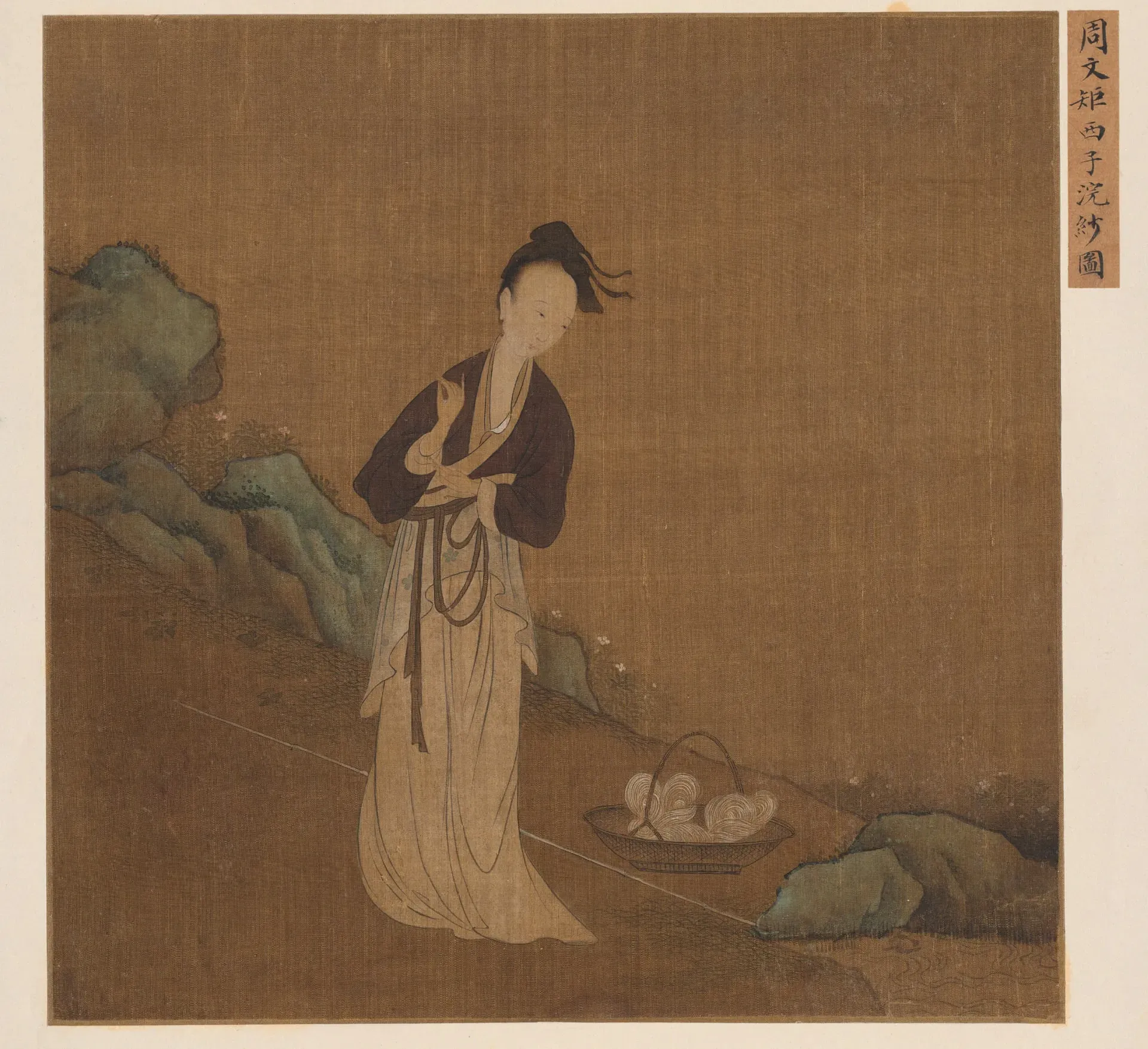
Xi Shi, the first of China’s Four Beauties, is said to have lived at the end of the Spring and Autumn period below Zhuluo Hill in Zhuji, washing silk in the river, until the minister Fan Li presented her to the king of Wu. The Xi Shi legends, nominated by Zhuji, joined China’s first national list of intangible heritage in 2006, and Xi Shi’s Hometown on the Huan River has a Xi Shi Hall and a Fan Li Shrine.

Questions & answers

How do you pronounce Zhuji?

Zhū-jì — the second syllable is jì, in the falling fourth tone.

Where is Zhuji?

Zhuji is a county-level city under Shaoxing, Zhejiang, south of Hangzhou and Shaoxing and west of Shengzhou. Its station, Zhuji, is on the Shanghai–Kunming high-speed line — a little over twenty minutes from Hangzhou East at the fastest, and from about an hour and ten minutes from Shanghai Hongqiao. See Getting to Zhuji.

Was Xi Shi from Zhuji?

By tradition, yes. Xi Shi is said to have lived at the end of the Spring and Autumn period below Zhuluo Hill in Zhuji, washing silk in the river. In 2006 the Xi Shi legends, nominated by Zhuji, joined China’s first national list of intangible heritage. Some place her home in Xiaoshan instead, and some scholars doubt she existed. See Xi Shi’s Hometown.

What is there to see in Zhuji?

Xi Shi’s Hometown on the Huan River in the south of the city, with the Xi Shi Hall and the Fan Li Shrine; the Huadong International Jewelry City at Shanxiahu, the largest pearl market in the world; the ancient torreya groves around Zhaojia in the northeast; and the Wuxie waterfalls, a national scenic area, to the west. See Xi Shi’s Hometown, Zhuji Pearls and Torreya Nuts; for Wuxie and the rest, see Things to Do in Zhuji.

What is Zhuji known for producing?

Freshwater pearls — Shanxiahu produces more than 80 percent of China’s freshwater pearls and over 70 percent of the world’s. Torreya nuts — Zhaojia is the heart of the Kuaiji Mountain ancient torreya groves, a Globally Important Agricultural Heritage System since 2013. Zhuji also has China’s largest sock industry.

Was the plum-blossom painter Wang Mian from Zhuji?

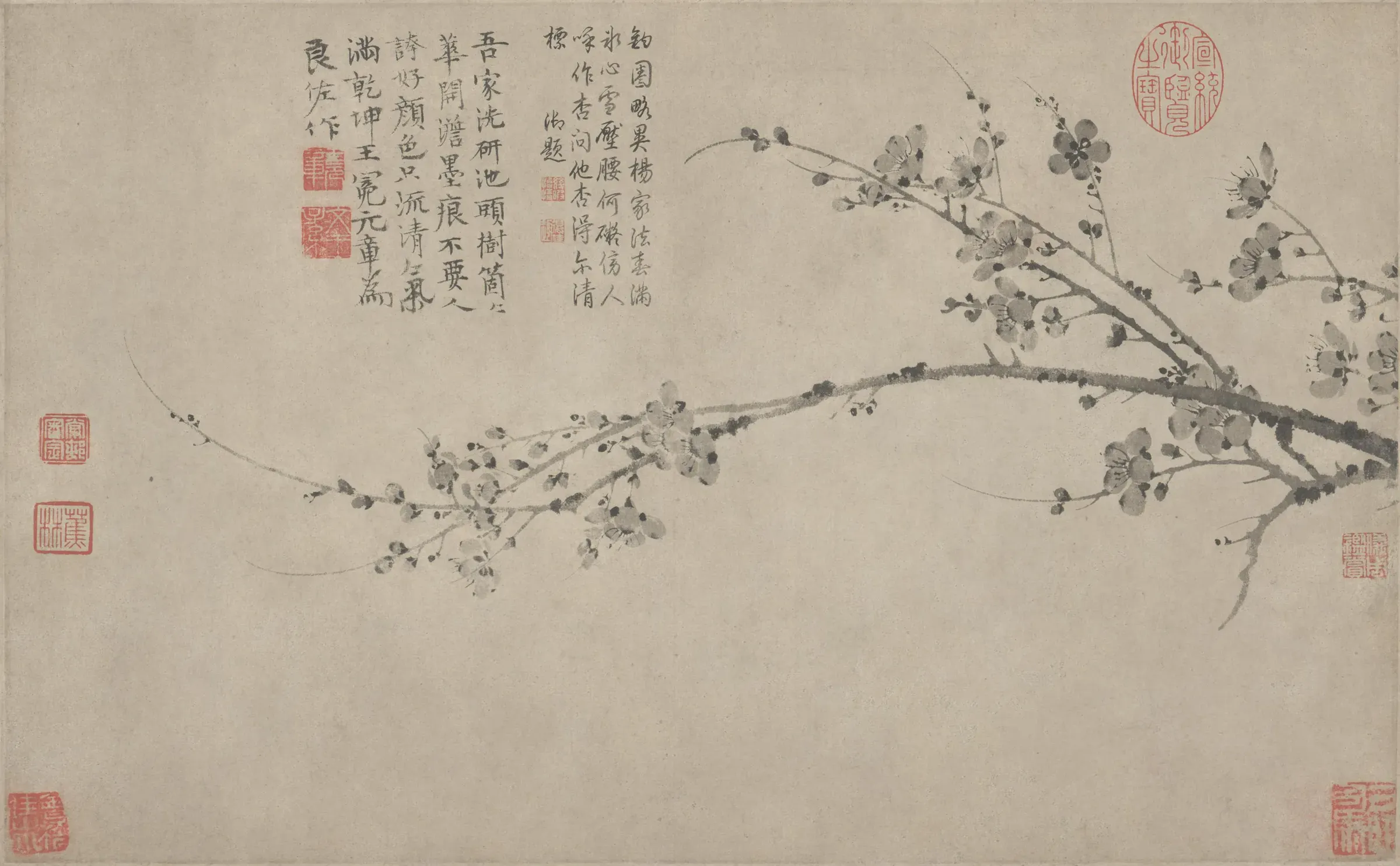
Yes. Wang Mian, the Yuan dynasty painter and poet, was from Zhuji. A farmer’s son who herded cattle as a boy, he became famous for plum blossoms in ink, and the poem he wrote on one — “I need no one to praise its color; I leave only a clean fragrance to fill heaven and earth” — is widely known. The novel The Scholars also tells his story, though with much that departs from history.