Small Town China · Stop 04 · Zhejiang

Linhai

Taizhou’s capital for fourteen centuries: a city wall that climbs the hills, the old friend Du Fu never stopped missing, and a bowl of zaogeng on the fourteenth night of the new year.

台州地阔海冥冥

“Taizhou is wide, its sea dark and deep” · Du Fu

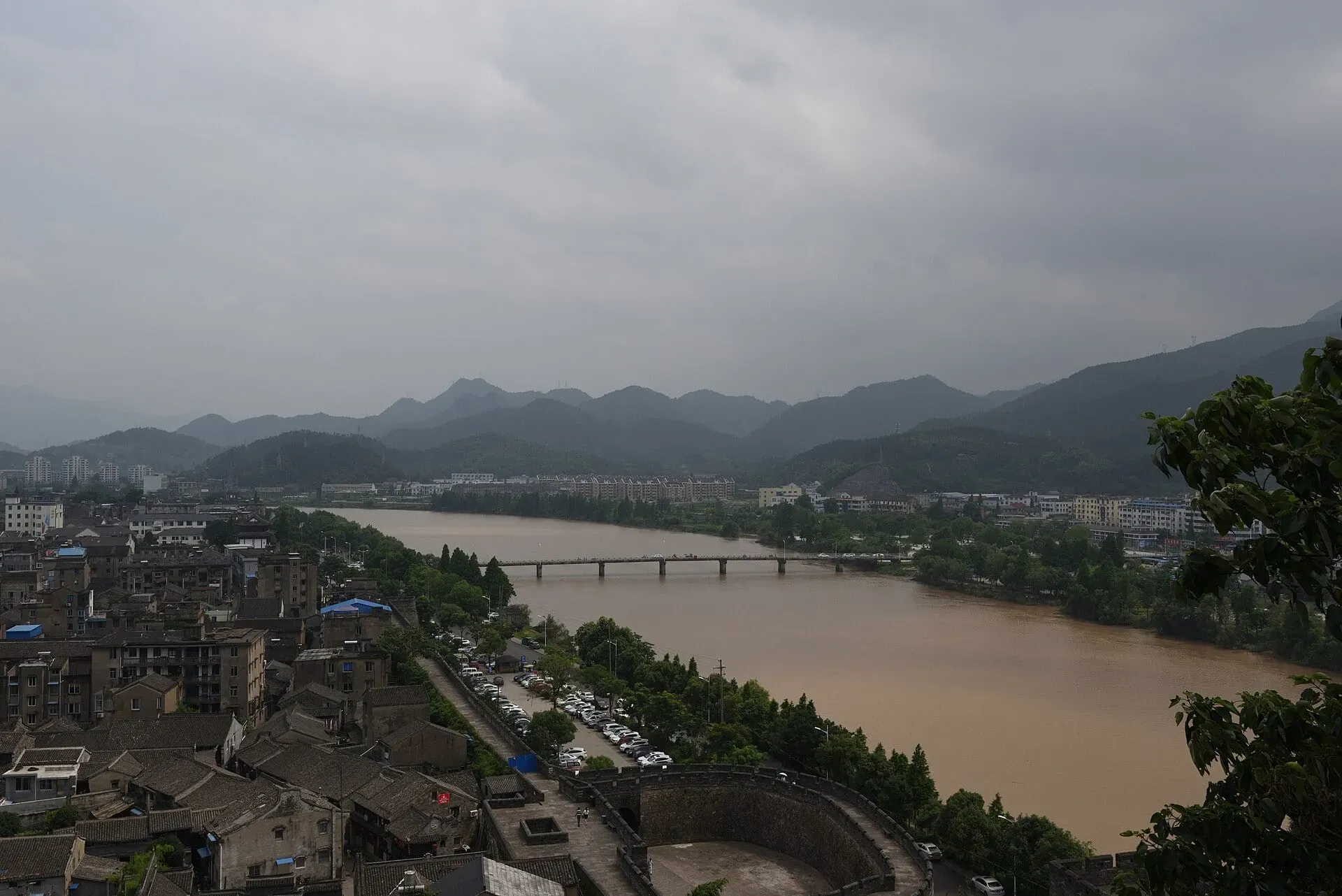
Linhai is a county-level city under Taizhou in Zhejiang Province, southeast of Tiantai. Its territory reaches the East China Sea, and the Ling River runs past the south side of the old town. The city covers about 2,251 square kilometers; Mishailang, the highest peak of the Kuocang range at 1,382 meters, is the highest point in eastern Zhejiang.

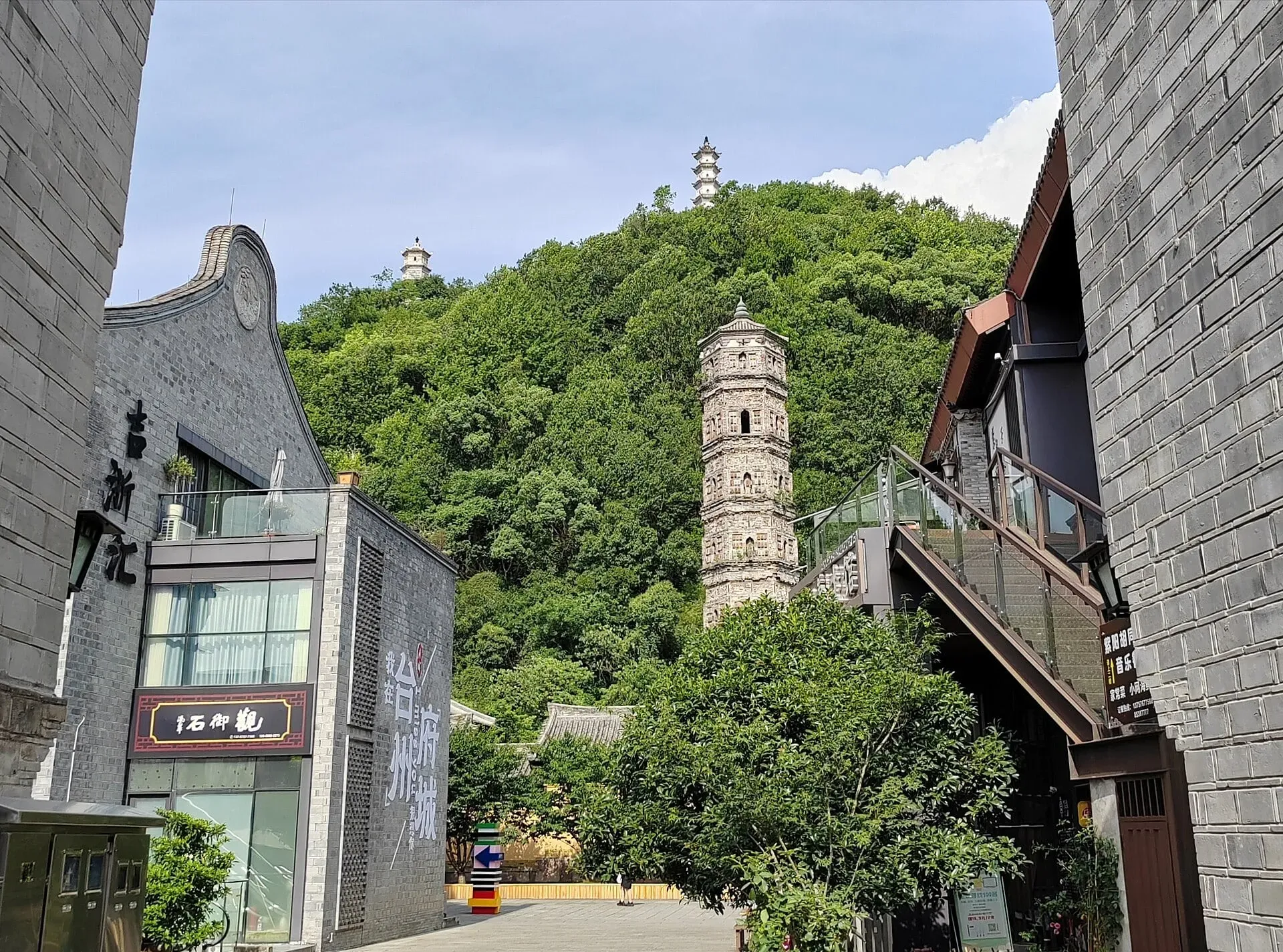
For some fourteen hundred years Linhai was the capital of Taizhou. From 591 it was the seat of the commandery, the prefecture and later the Taizhou Fu, and when the Tang created the prefecture of Taizhou, they named it after Mount Tiantai. Only in 1994, when Taizhou became a prefecture-level city governed from Jiaojiang, did Linhai become a county-level city. The old city survived: its wall, Ziyang Street and the pagodas on Jin Hill are all still standing, and some 28,000 people still live within its three square kilometers. In 1994 Linhai was named a National Historical and Cultural City.

Linhai is a stop on the Tang Poetry Road of Eastern Zhejiang — see the whole route →

Linhai by high-speed train from Shanghai and Hangzhou, and the other small towns on the line →

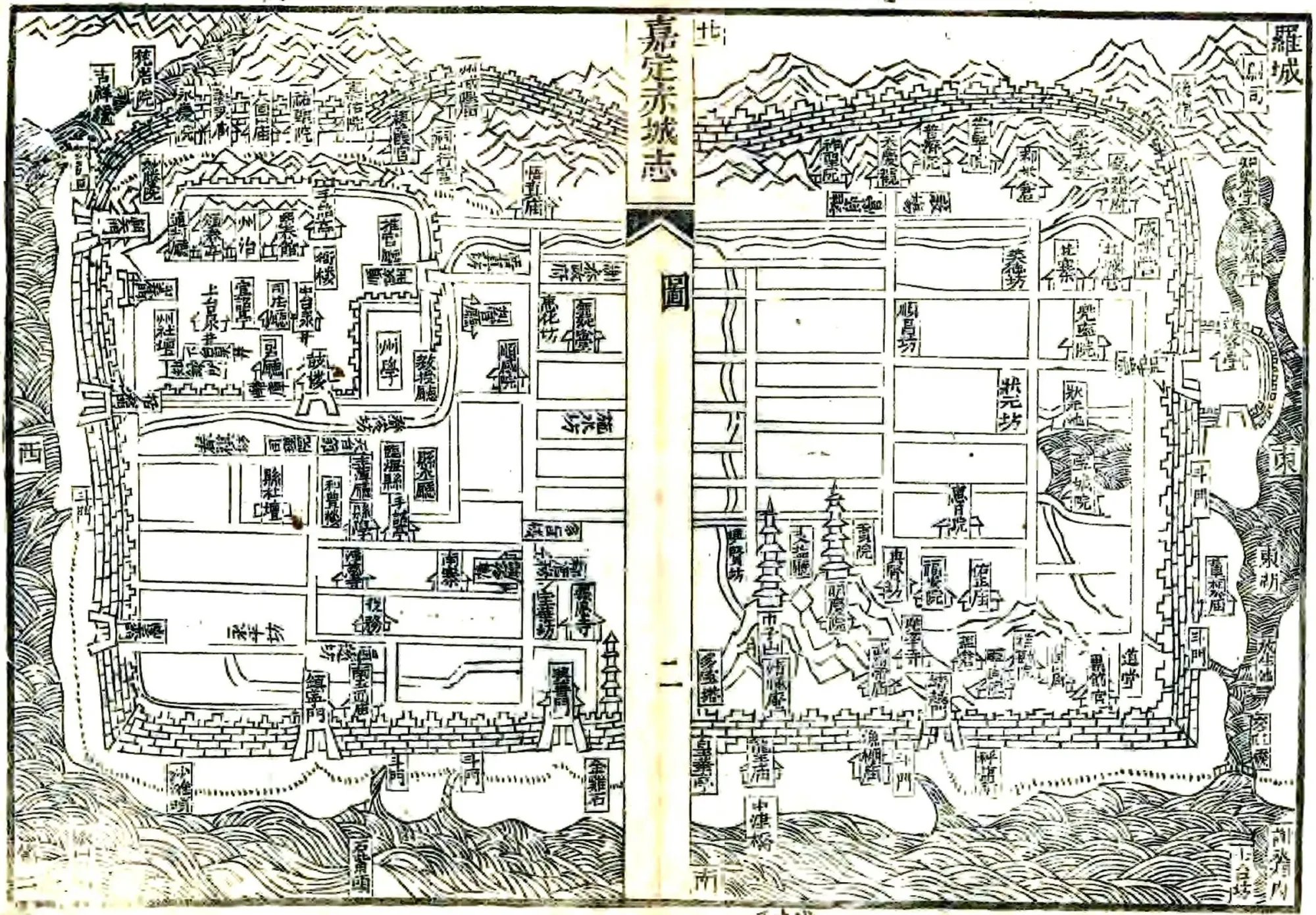
The walled city of Taizhou in the Southern Song gazetteer Jiading Chicheng Zhi, from a reprint of the Ming Hongzhi years. Hills rise to the north and the Ling River runs to the south, with East Lake on the right; the two pagodas at bottom center stand on Jinzi Hill, and the walled inner city at top left held the prefecture’s offices.
Photo: 陈耆卿 纂 ·《嘉定赤城志》 · Public domain · Wikimedia Commons

At a glance

Location
Taizhou, Zhejiang, southeast of Tiantai
Area
About 2,251 km²
Population
About 1,114,000 (2020 census)
Old capital
Seat of Taizhou for some 1,400 years from 591
Known for
The Taizhou city wall, Ziyang Street, Jin Hill, East Lake, zaogeng and danqing yangwei
Getting there
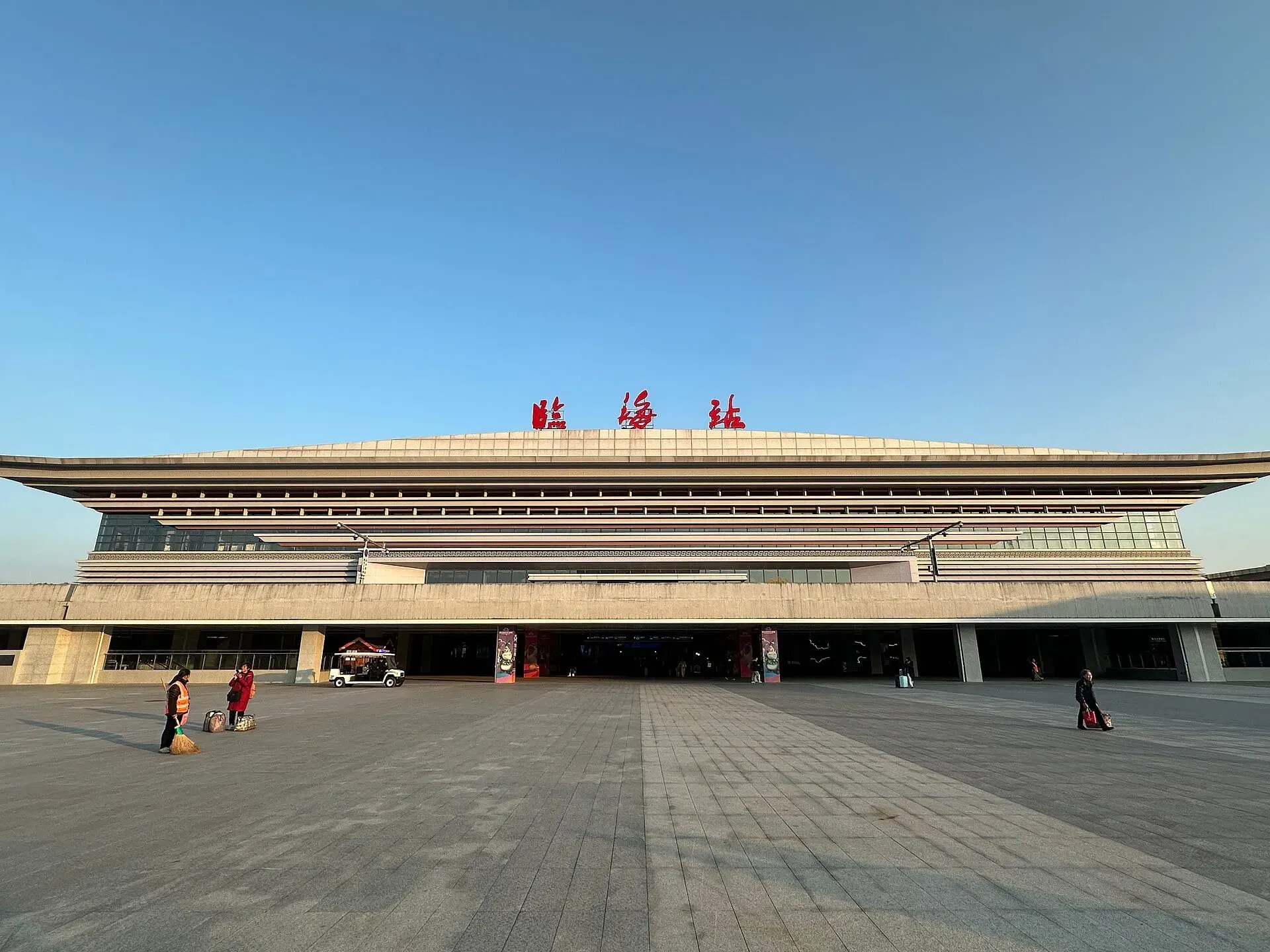
Linhai station on the Hangzhou–Taizhou railway, one stop after Tiantaishan

Sources: 维基百科, Wikipedia, Táizhōu Shì · City Population, 美丽城市丨台州府城:江南长城 千年宋城 · 新华网,2026 年 3 月 10 日, 浙江临海:一任接一任“绣花式”守护千年古城 · 新华社,2026 年 4 月 2 日

Where Linhai isHangzhou: about 180 km in a straight line. Shaoxing: about 140 km in a straight line. Ningbo: about 120 km in a straight line. Taizhou: about 35 km in a straight line. Wenzhou: about 105 km in a straight line. Shanghai: about 265 km in a straight line.50 km100 kmHangzhou180 kmShaoxing140 kmNingbo120 kmTaizhou35 kmWenzhou105 kmShanghai265 kmLinhaiN
Straight-line distances

Linhai guides

In depth

Jin Hill and its pagodas from a lane in the old city, 2023.Photo: 三猎 · CC BY-SA 4.0 · Wikimedia Commons

In depth · Linhai opera & poetry

Zheng Qian and the Tang Poets of Taizhou

In 757 Du Fu’s old friend Zheng Qian was banished to Taizhou, and two years later he died in Linhai. He taught here and is remembered as the father of learning in Taizhou; missing him, Du Fu wrote “Taizhou is wide, its sea dark and deep.” Luo Binwang of the early Tang served as assistant magistrate of Linhai, and the poet Ren Fan left behind the story of “half the river” on Jinzi Hill.
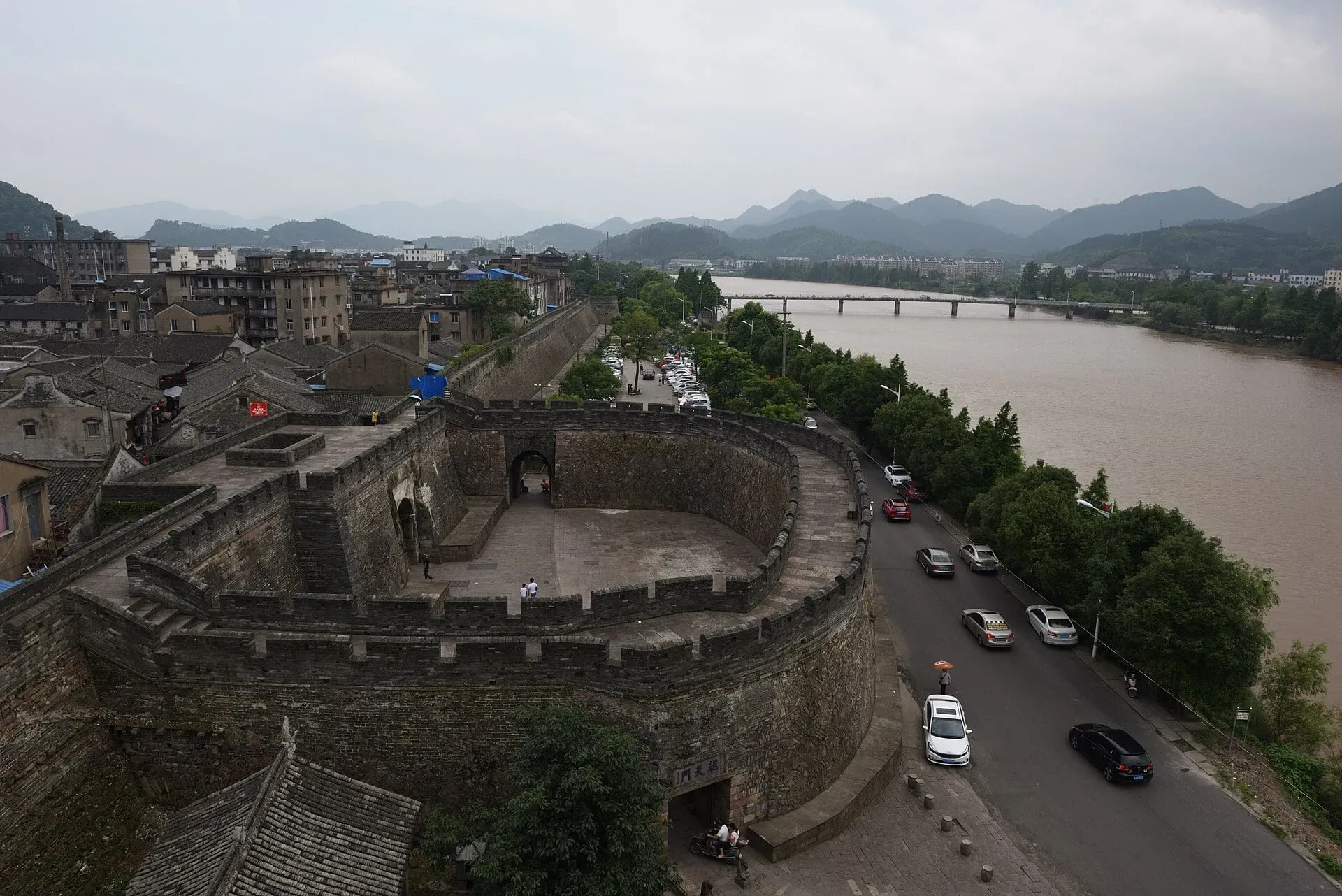
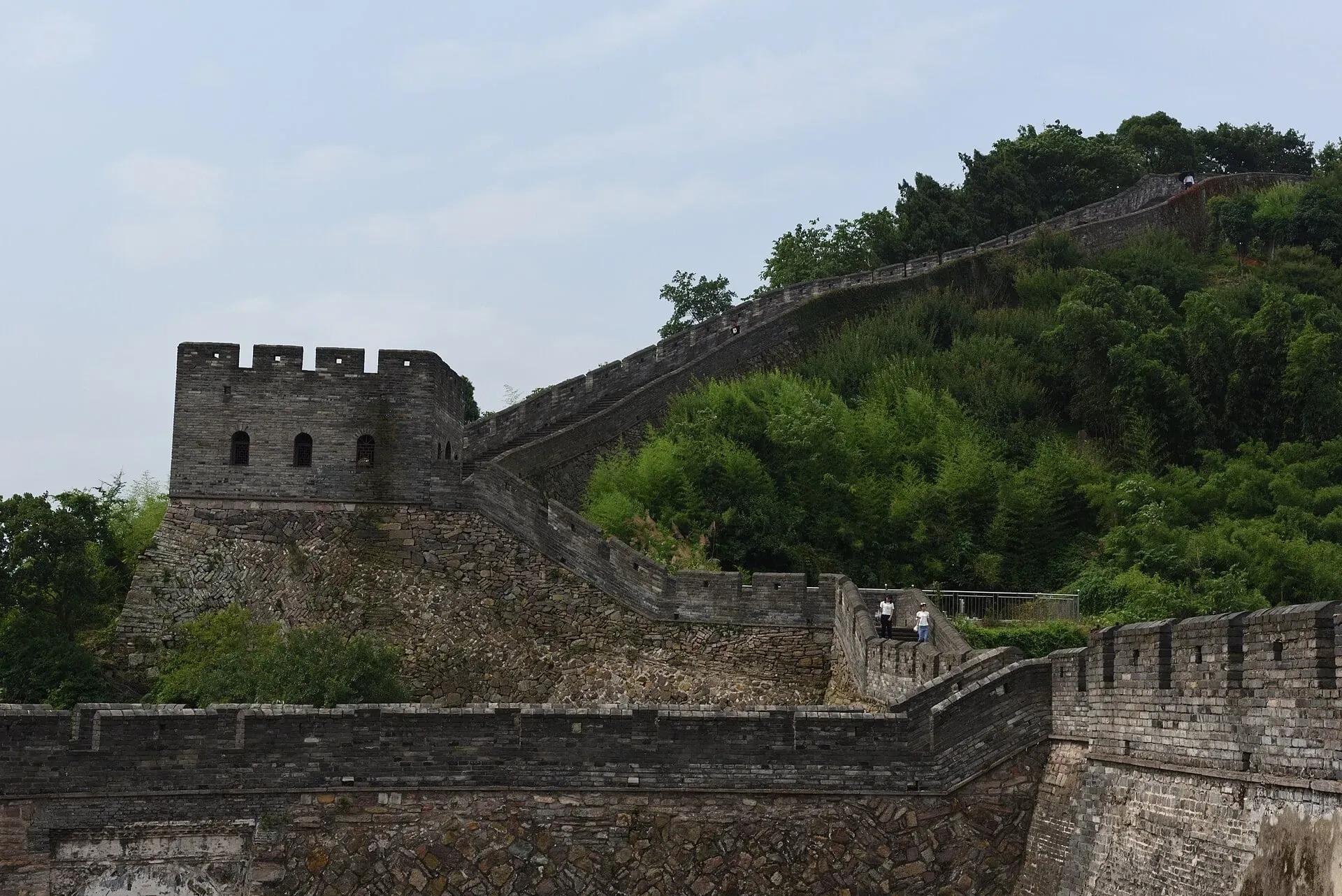
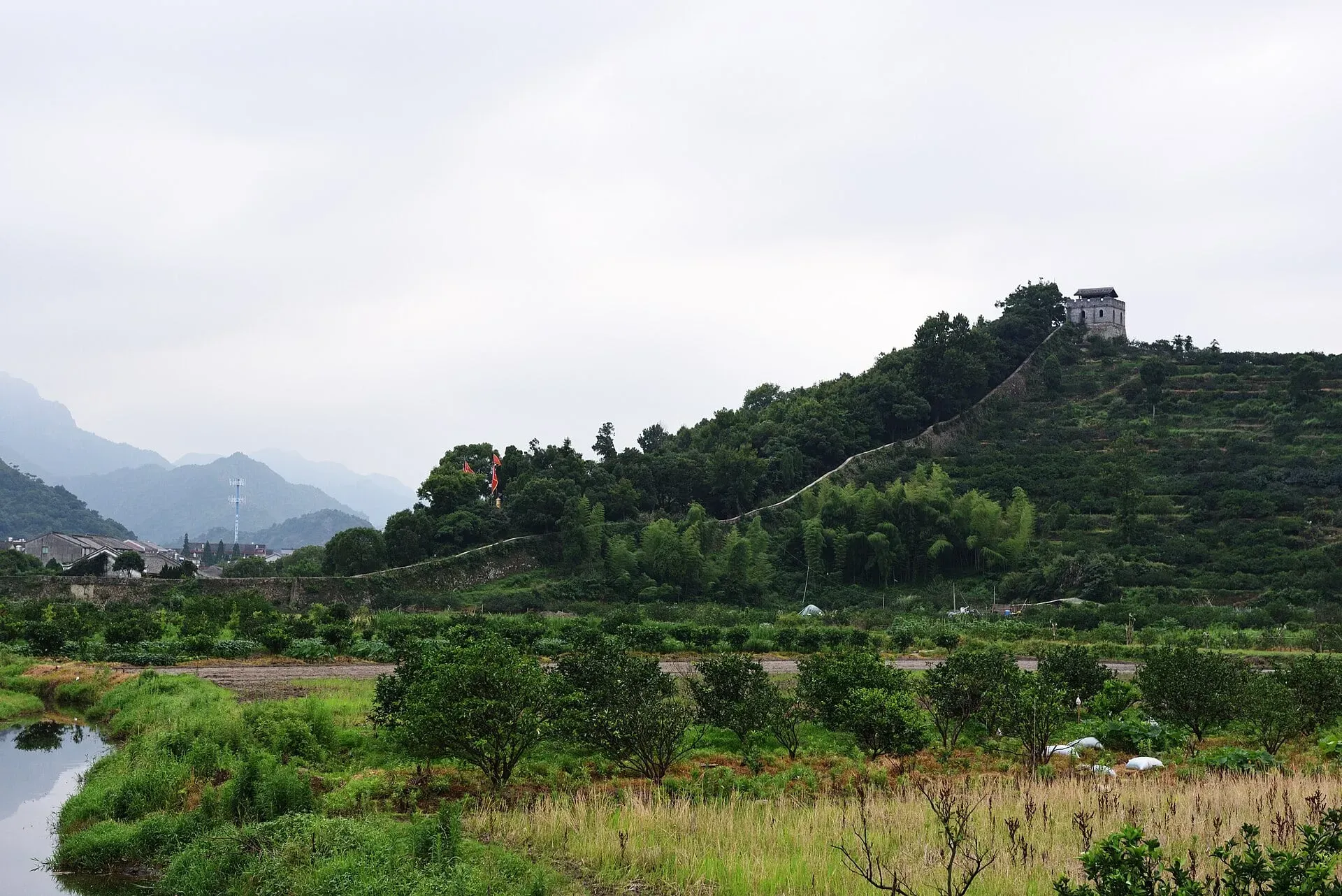
The Taizhou city wall climbing the ridge of Beigu Hill, 2016.Photo: Siyuwj · CC BY-SA 4.0 · Wikimedia Commons

In depth · Linhai history

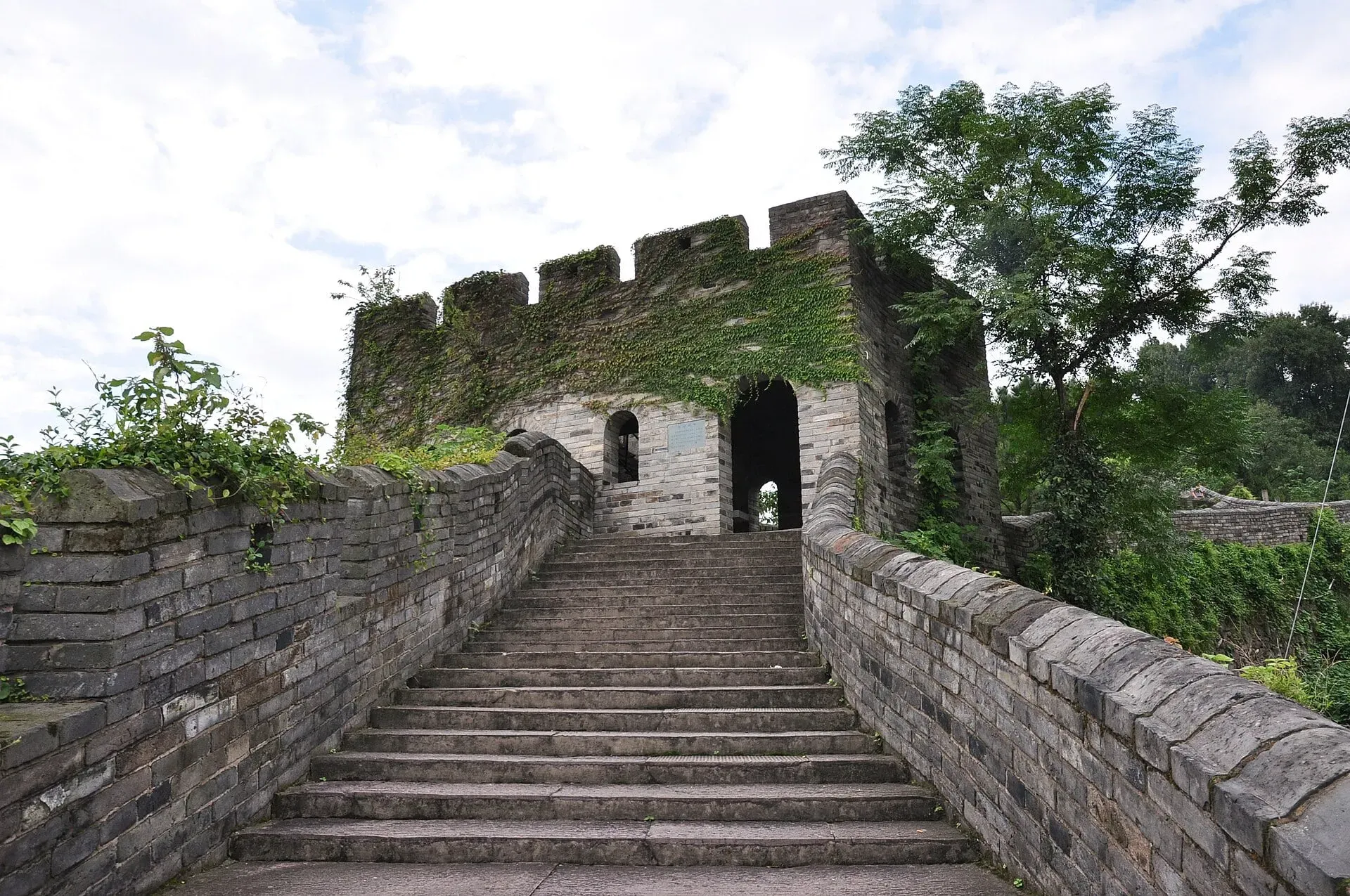
The Linhai Great Wall (Taizhou City Wall)

The Taizhou city wall in Linhai rides the ridge of Beigu Hill like the Great Wall in the north, while its river stretch doubles as a flood levee. The Ming general Qi Jiguang built his first two-story hollow towers here and later took the idea to the Great Wall — which is why this is called the Great Wall of the South.

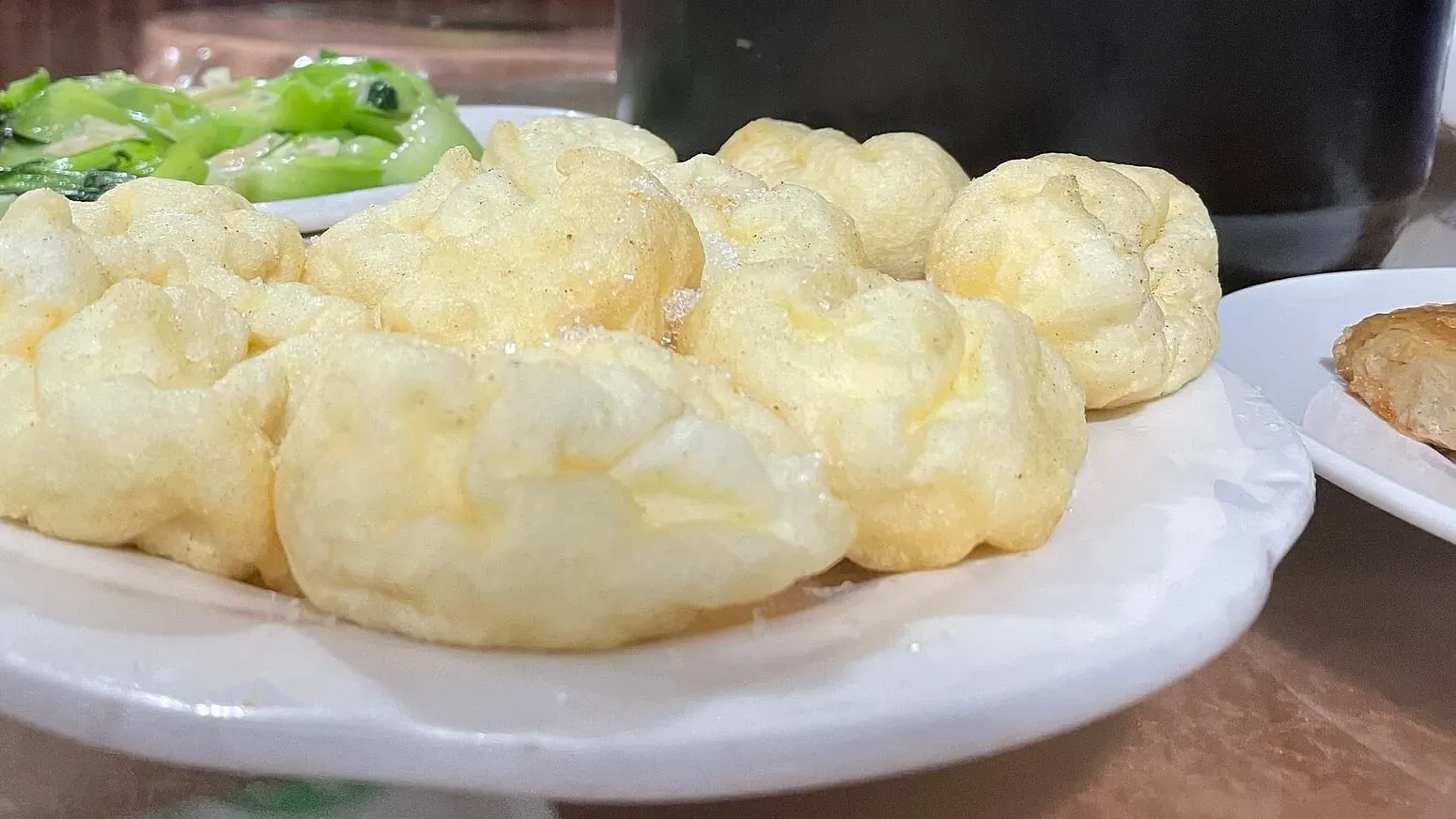
A plate of danqing yangwei: whipped egg white wrapped around red bean paste, fried and sprinkled with sugar. Taken in 2023.Photo: Qiyue2001 · CC BY-SA 4.0 · Wikimedia Commons

In depth · Linhai food

Zaogeng and Danqing Yangwei

Linhai celebrates the Lantern Festival a day early. On the fourteenth night of the first month every household stirs up a pot of zaogeng, a dozen ingredients diced small and thickened with rice flour into a hearty soup. On Ziyang Street you can also get danqing yangwei fried to order — whipped egg white wrapped around red bean paste, puffed and golden. Both are on Zhejiang’s list of the hundred best rural snacks.

Questions & answers

Where is Linhai?

Linhai is a county-level city under Taizhou, Zhejiang, southeast of Tiantai. Its high-speed station, Linhai, is the stop after Tiantaishan on the Hangzhou–Taizhou line, about 15 km from the old town; direct trains from Shanghai Hongqiao take roughly two and a half to three and a half hours. See Getting to Linhai.

How are Linhai and Taizhou related?

Linhai was Taizhou’s capital for some fourteen hundred years. In 1994 Taizhou became a prefecture-level city governed from Jiaojiang, and Linhai became a county-level city under it. Taizhou is named after Mount Tiantai, and its first syllable is said tāi, as in Tiantai.

Why is the Linhai city wall called the Great Wall of the South?

Its northern stretch rides the ridge of Beigu Hill much like the Great Wall in the north, and the Ming general Qi Jiguang built his first two-story hollow towers here before taking the design to the Great Wall. See the Taizhou City Wall.

What is there to see in Linhai?

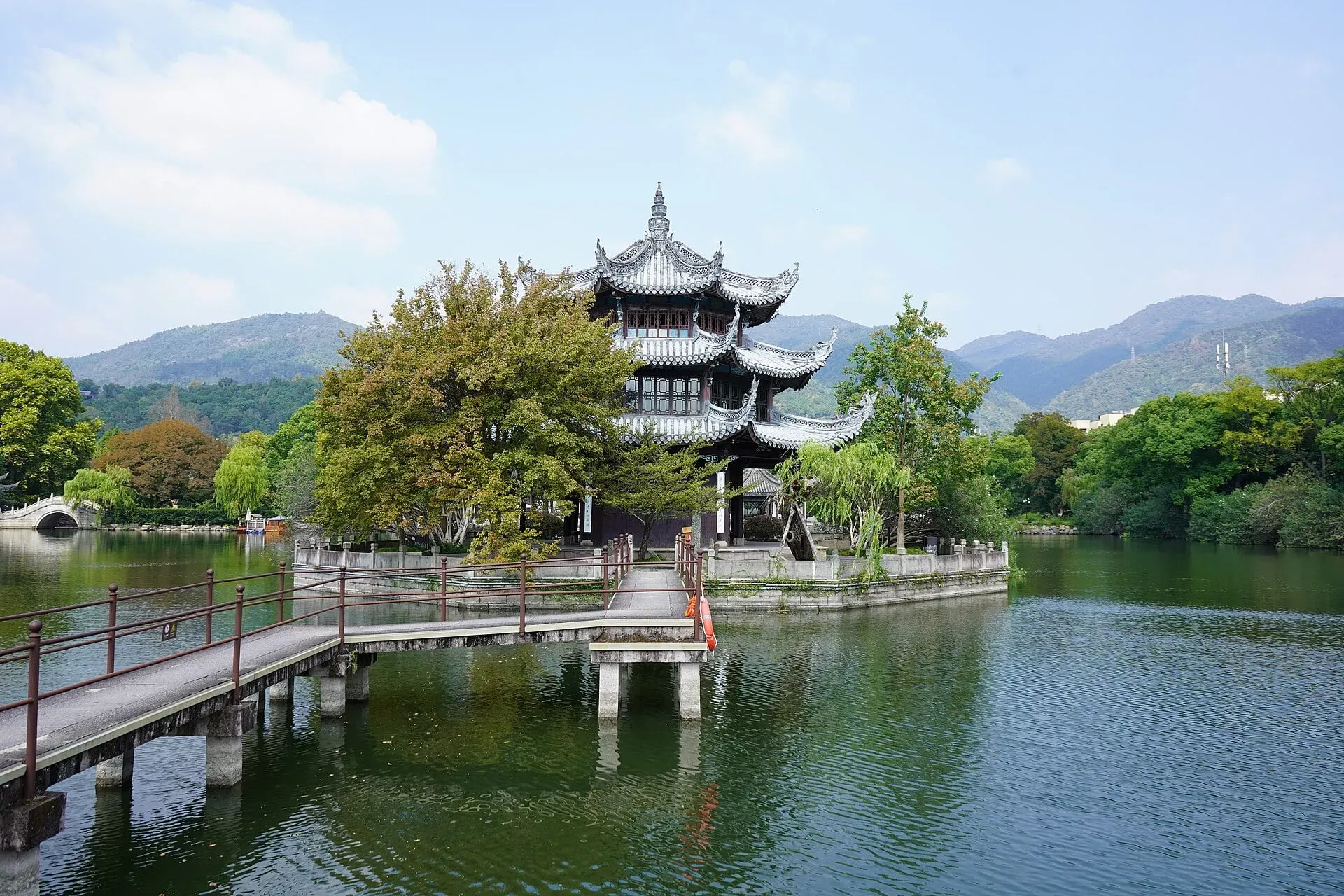
Walk the Linhai Great Wall, as the Taizhou city wall is often called, stroll down Ziyang Old Street, climb Jin Hill for its pagodas and wander around East Lake; out toward the coast is Taozhu, a Ming fortress town built against the pirates. See the Taizhou City Wall and Ziyang Street and the Old City.

What should I eat in Linhai?

Zaogeng, the thick soup Linhai eats on the fourteenth night of the new year, and danqing yangwei, egg-white puffs fried to order on Ziyang Street. Both are on Zhejiang’s list of the hundred best rural snacks. See Zaogeng and Danqing Yangwei.