These photos were shared by photographers on Wikimedia Commons under open licenses. Each one is credited.
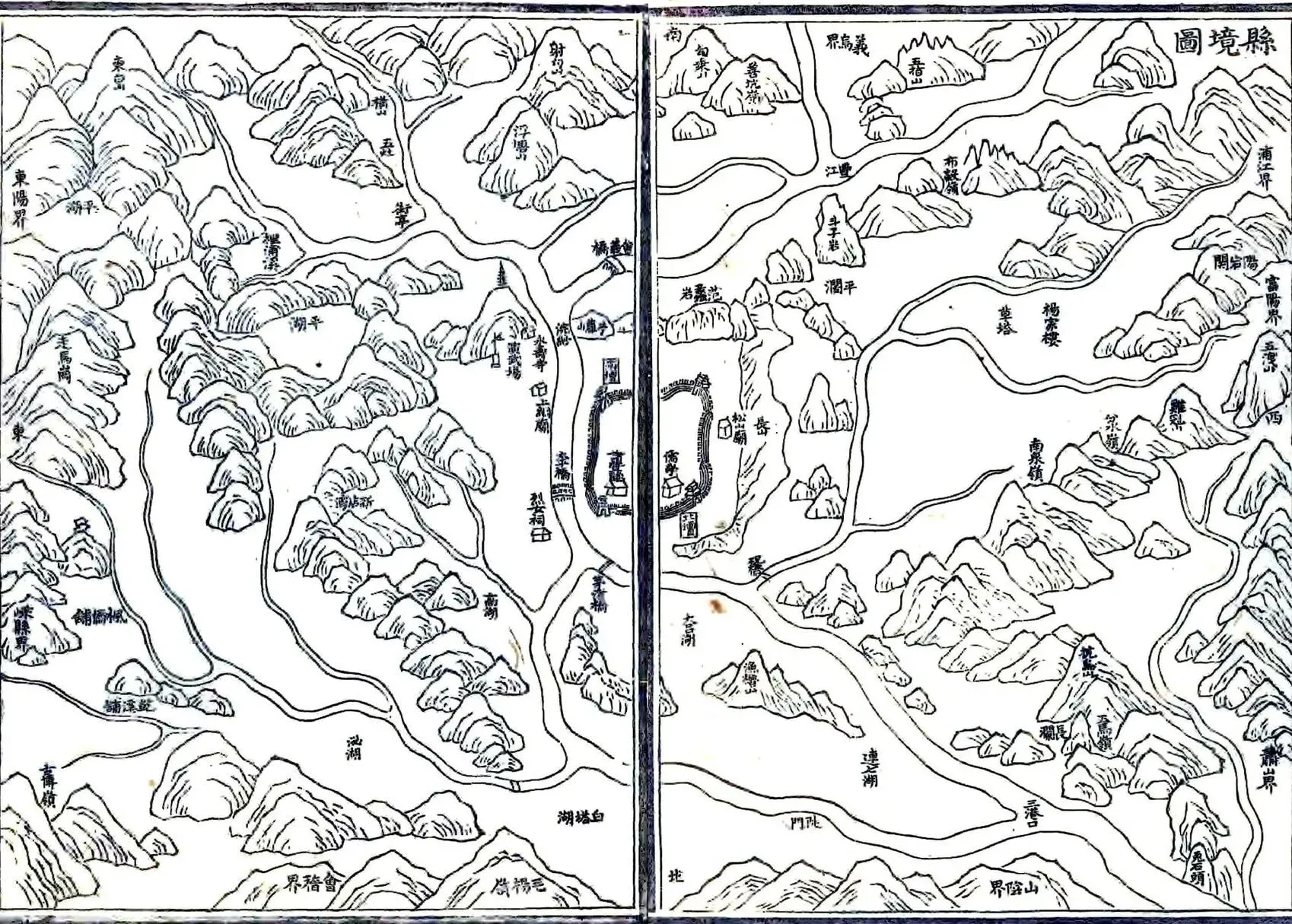
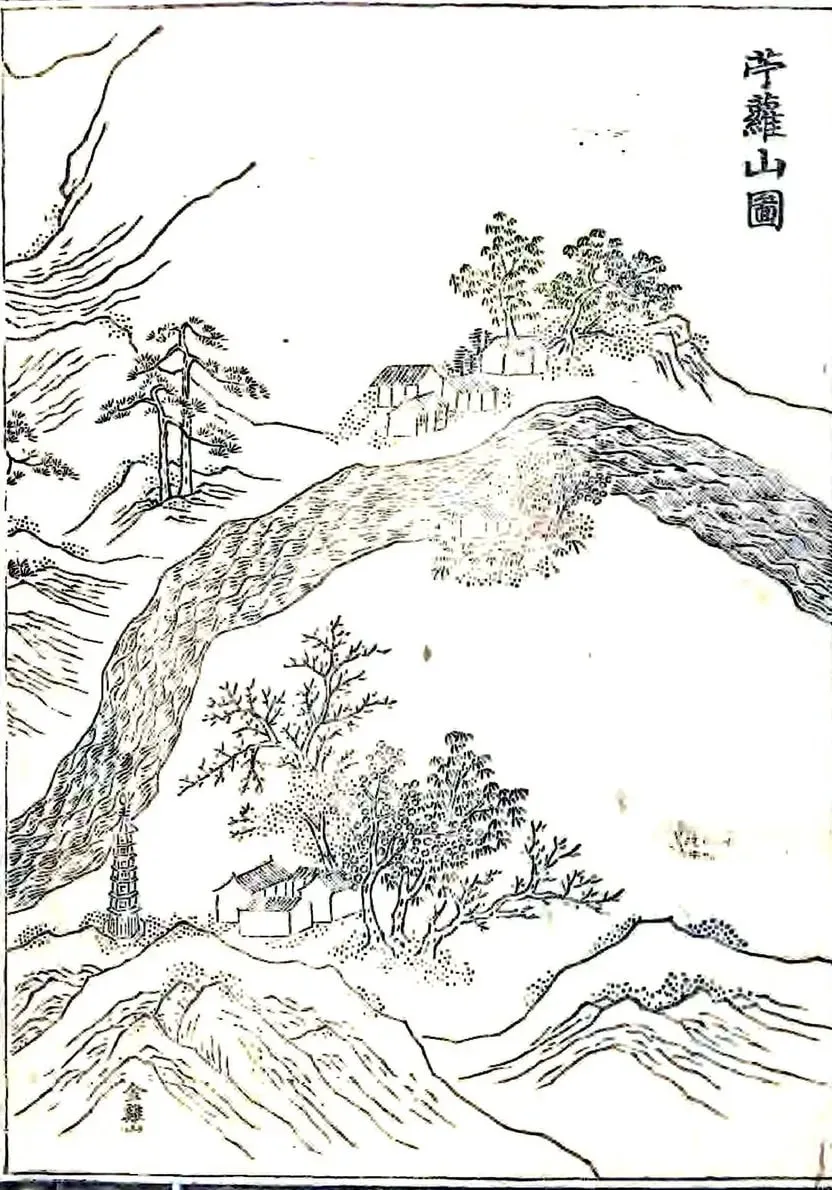
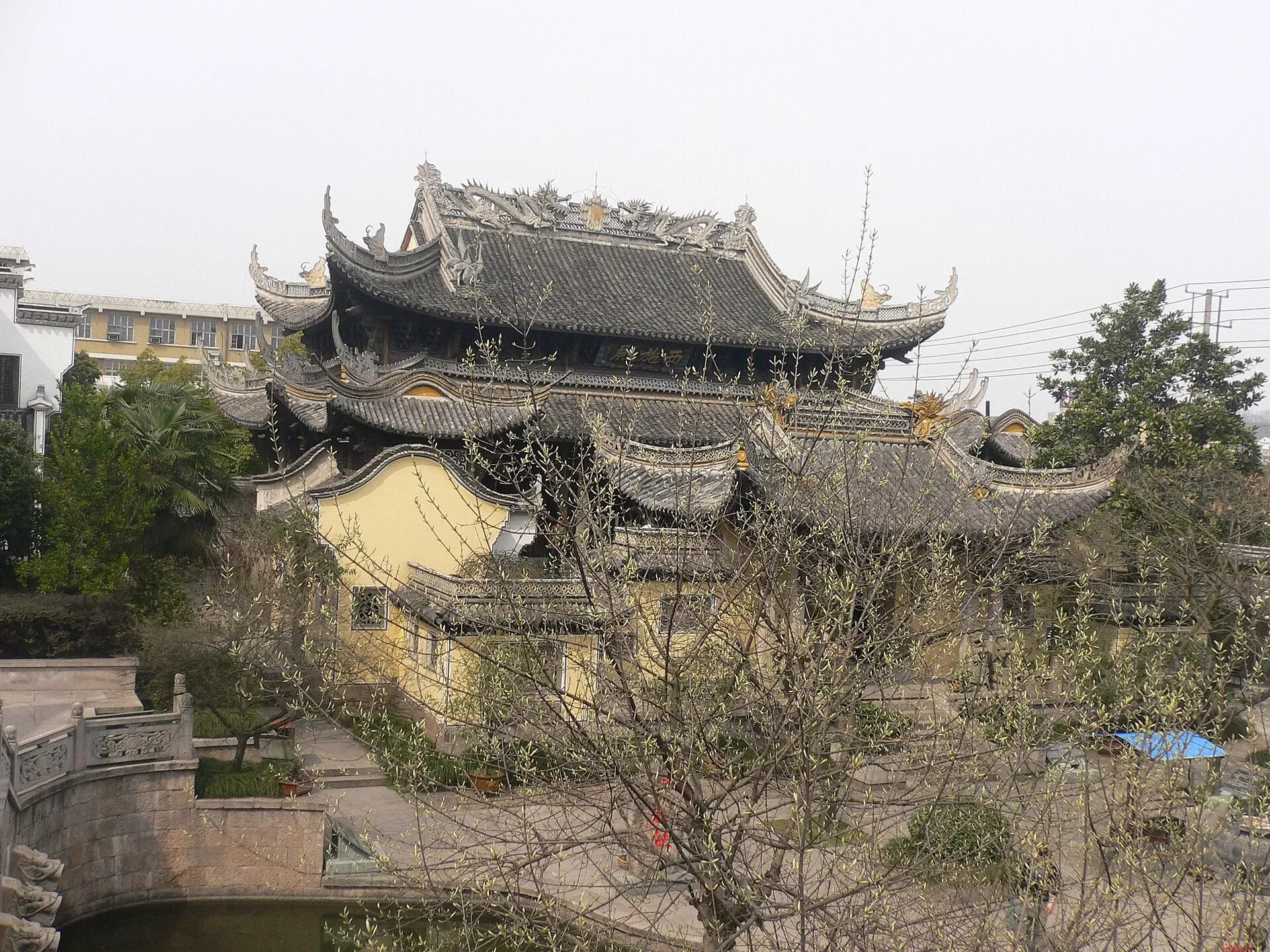
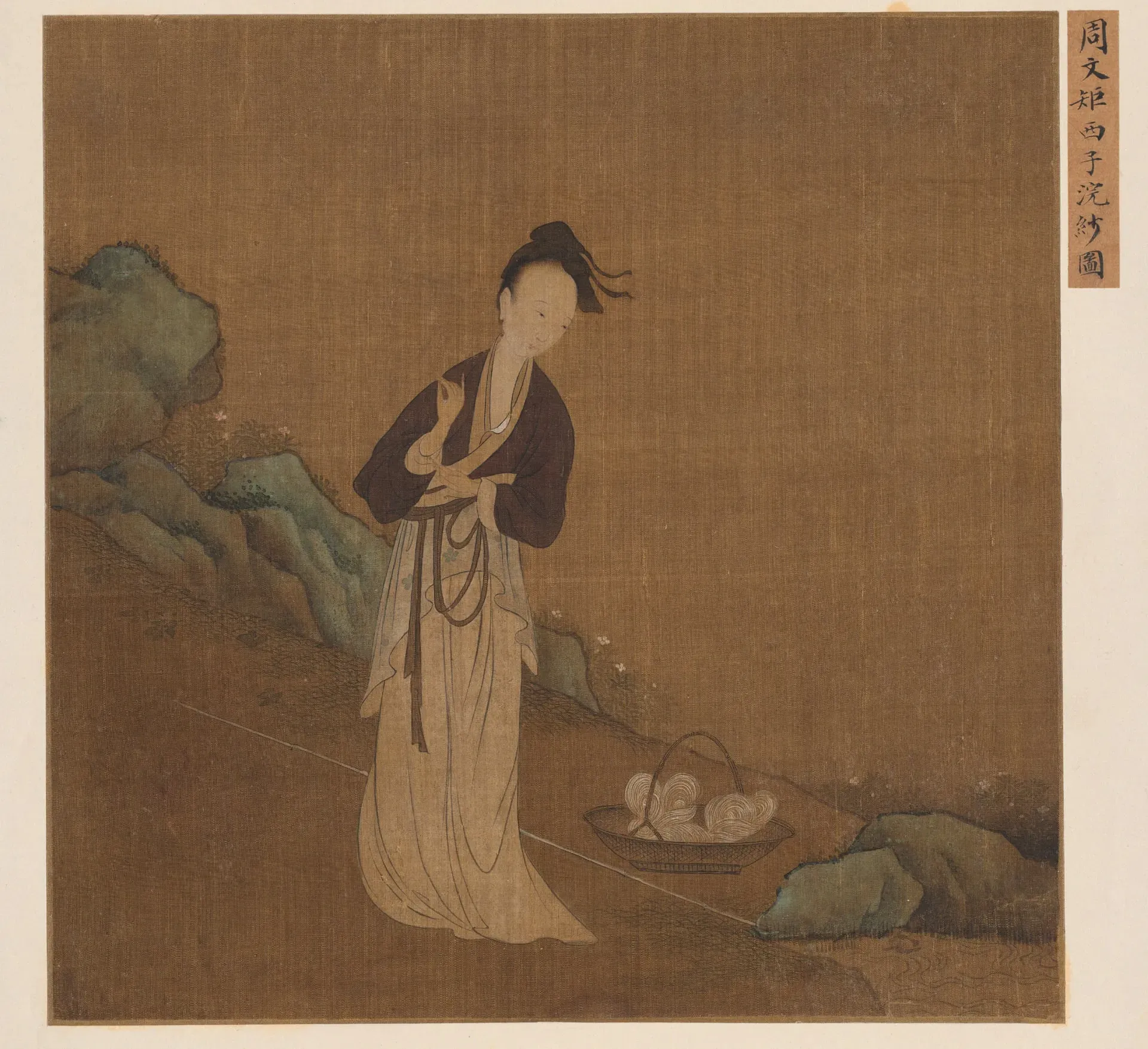
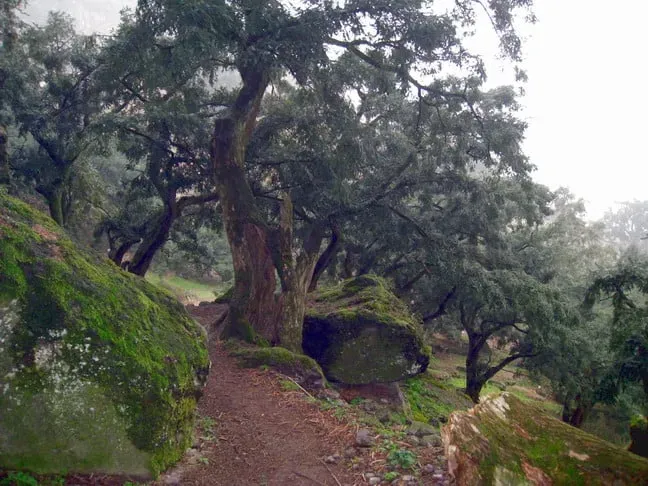
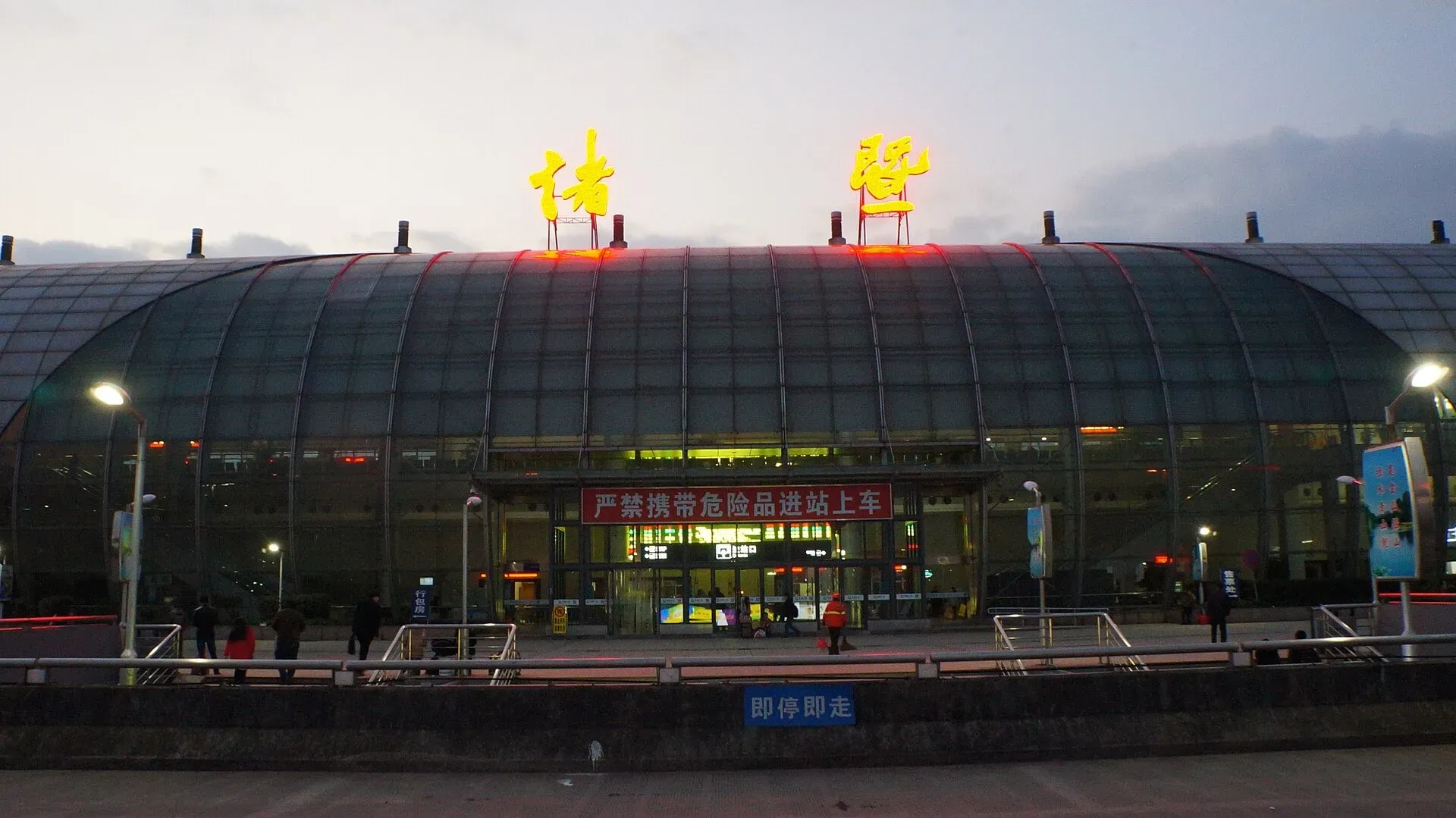
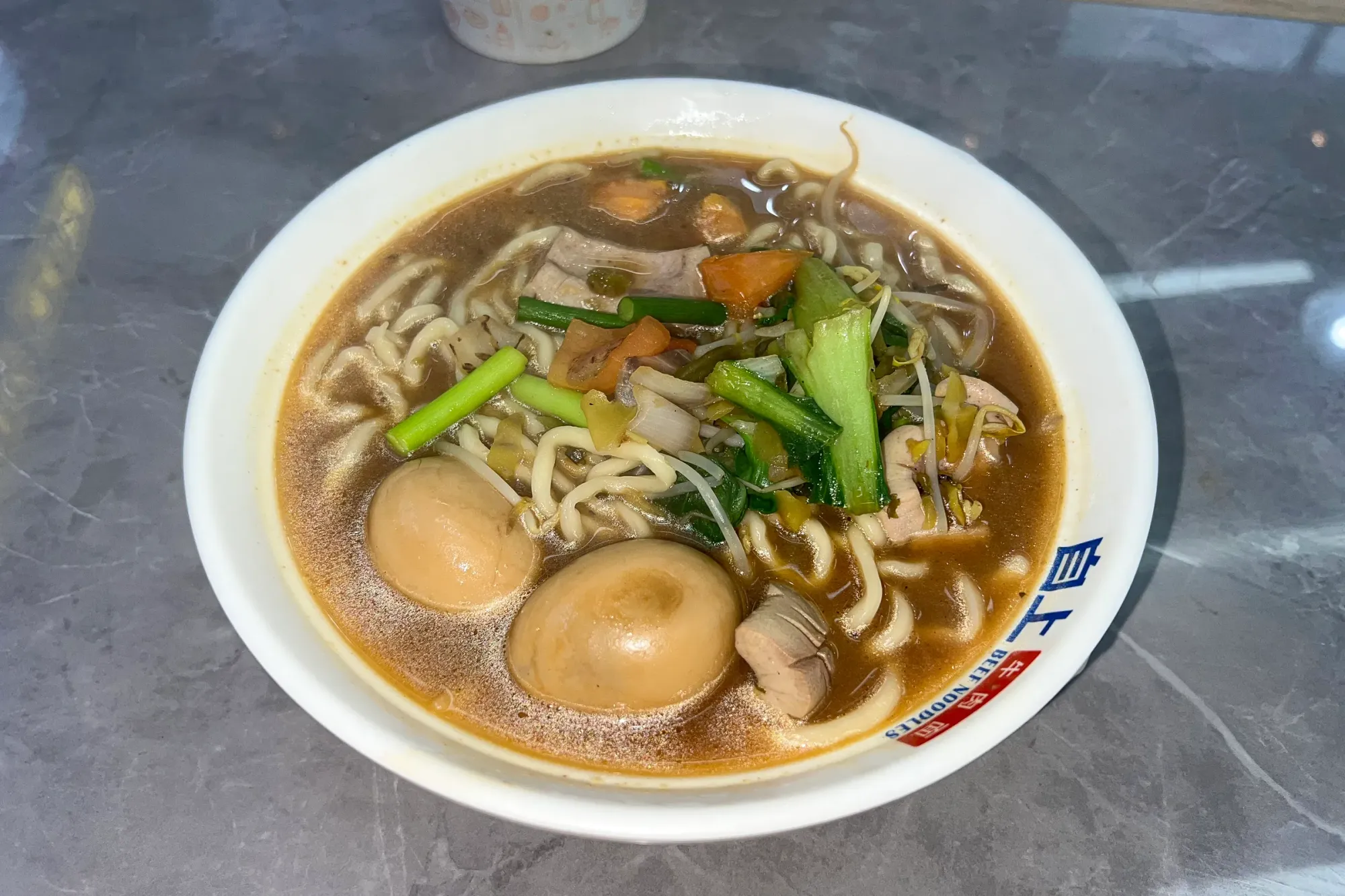
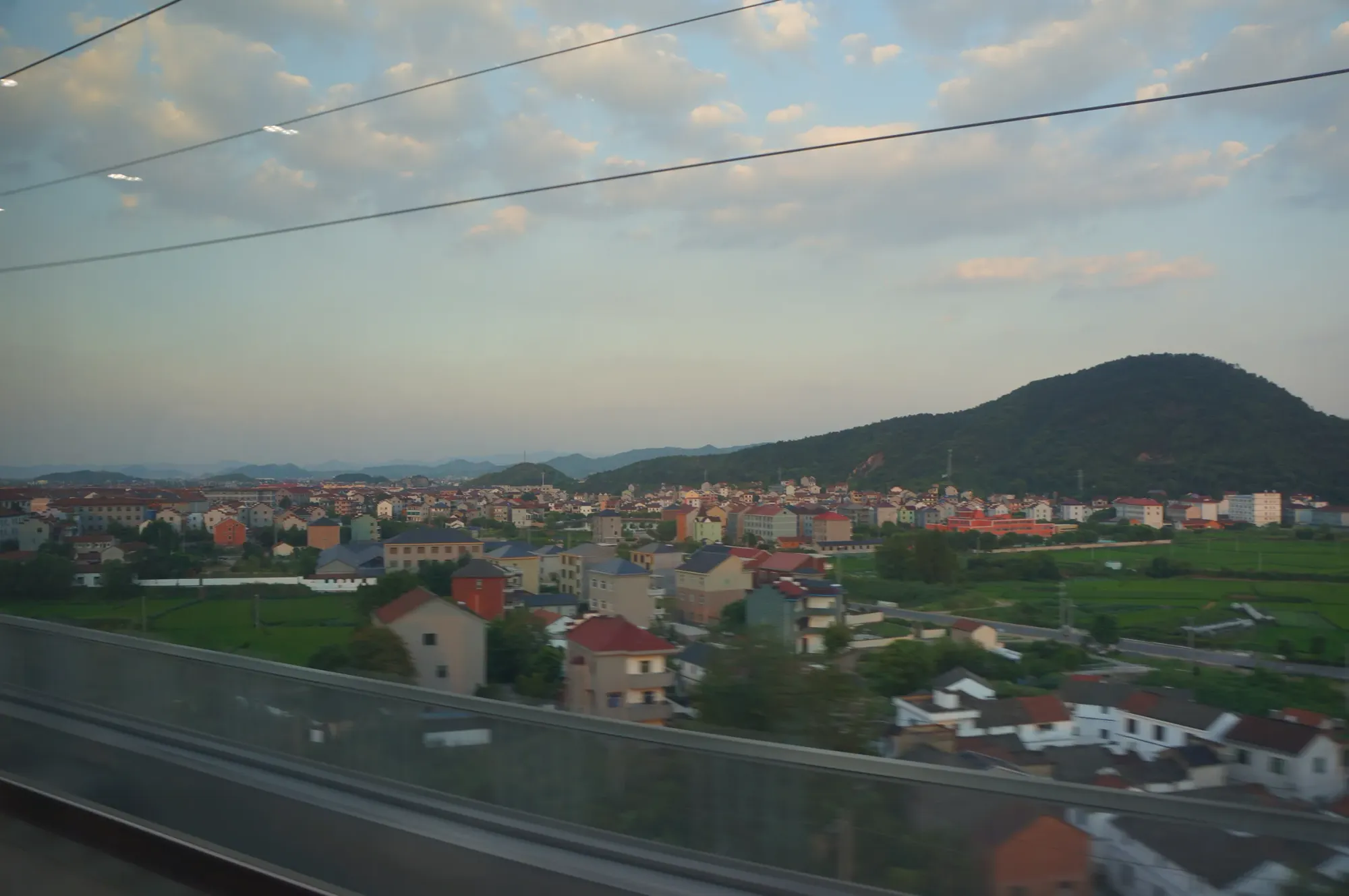
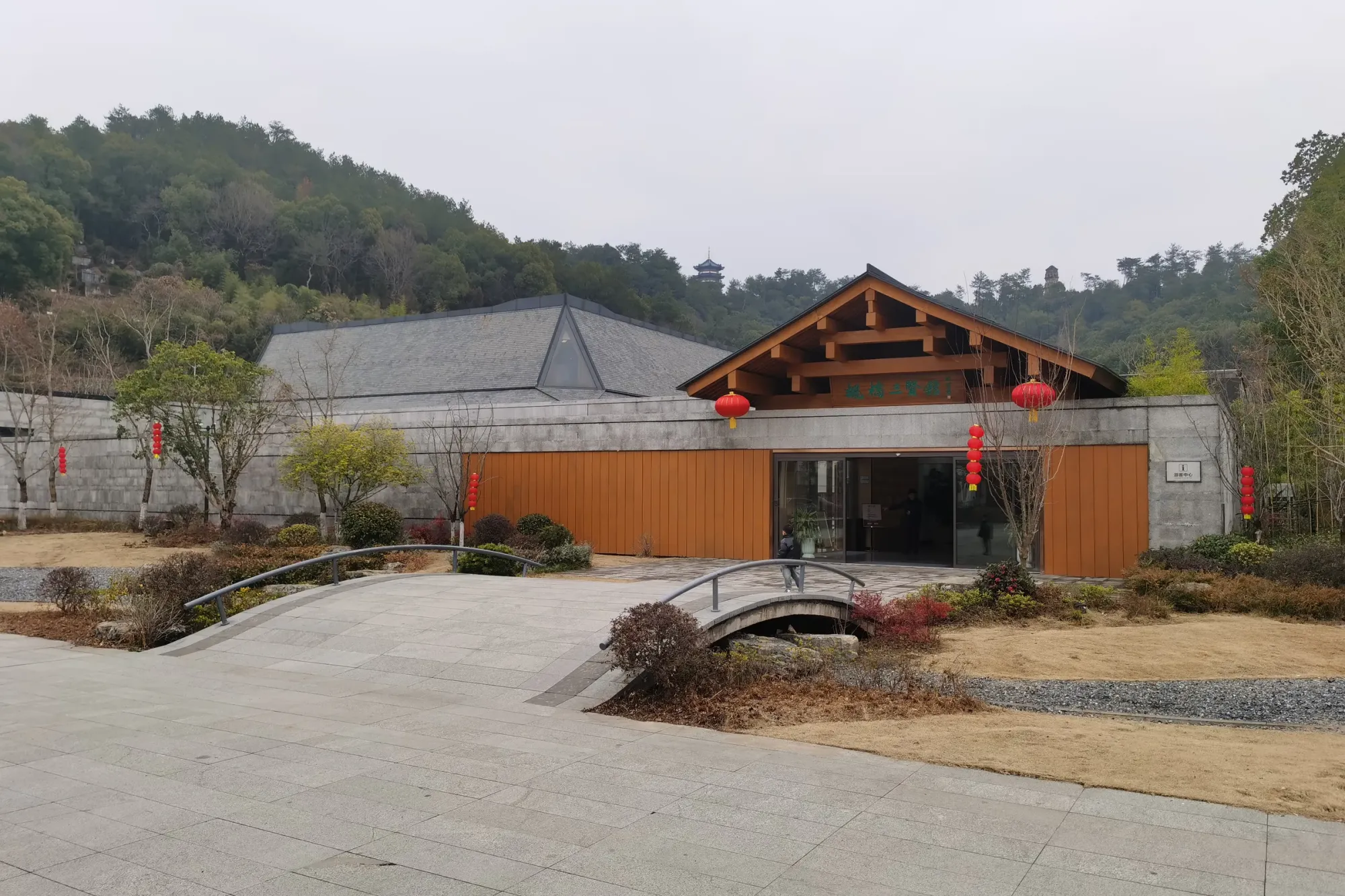
The county map from the Zhuji gazetteer of 1773, joined here from its two halves, with the walled county town in the middle. South is at the top, so the eastern neighbors appear on the left — the borders with Dongyang, Shengxian (Shengzhou) and Kuaiji — and the western ones on the right: Pujiang, Fuyang, Xiaoshan and Shanyin.Photo: 沈椿龄 修、楼瀍 纂 ·《乾隆诸暨县志》 · Public domain · Wikimedia CommonsZhuluo Hill, where Xi Shi is said to have lived, in the same 1773 gazetteer (first half of the picture), with a pagoda and houses by the river.Photo: 沈椿龄 修、楼瀍 纂 ·《乾隆诸暨县志》 · Public domain · Wikimedia CommonsThe Xi Shi Hall in Xi Shi’s Hometown, Zhuji, 2008.Photo: 江上清风1961 · CC BY 3.0 · Wikimedia CommonsXi Shi Washing Silk, attributed to Zhou Wenju of the Southern Tang, from an album of Song and Yuan paintings.Photo: 周文矩(传) · Public domain · Wikimedia CommonsAn old torreya grove at Bashifan, Zhuji, 2009.Photo: 开均 · CC BY-SA 3.0 · Wikimedia CommonsZhuji station on the Shanghai–Kunming high-speed railway, 2016.Photo: MNXANL · CC BY-SA 4.0 · Wikimedia CommonsA bowl of Ciwu noodles with pork kidney and two eggs at the Ciwu service area on the expressway, 2025.Photo: N509FZ · CC BY-SA 4.0 · Wikimedia CommonsAround Ciwu, Zhuji, in 2016.Photo: MNXANL · CC BY-SA 4.0 · Wikimedia CommonsThe Fengqiao Three Worthies Museum in Fengqiao, which honours Wang Mian, Yang Weizhen and Chen Hongshou, 2026.Photo: Siyuwj · CC BY-SA 4.0 · Wikimedia Commons