Xinchang Xiaojingsheng Peanuts
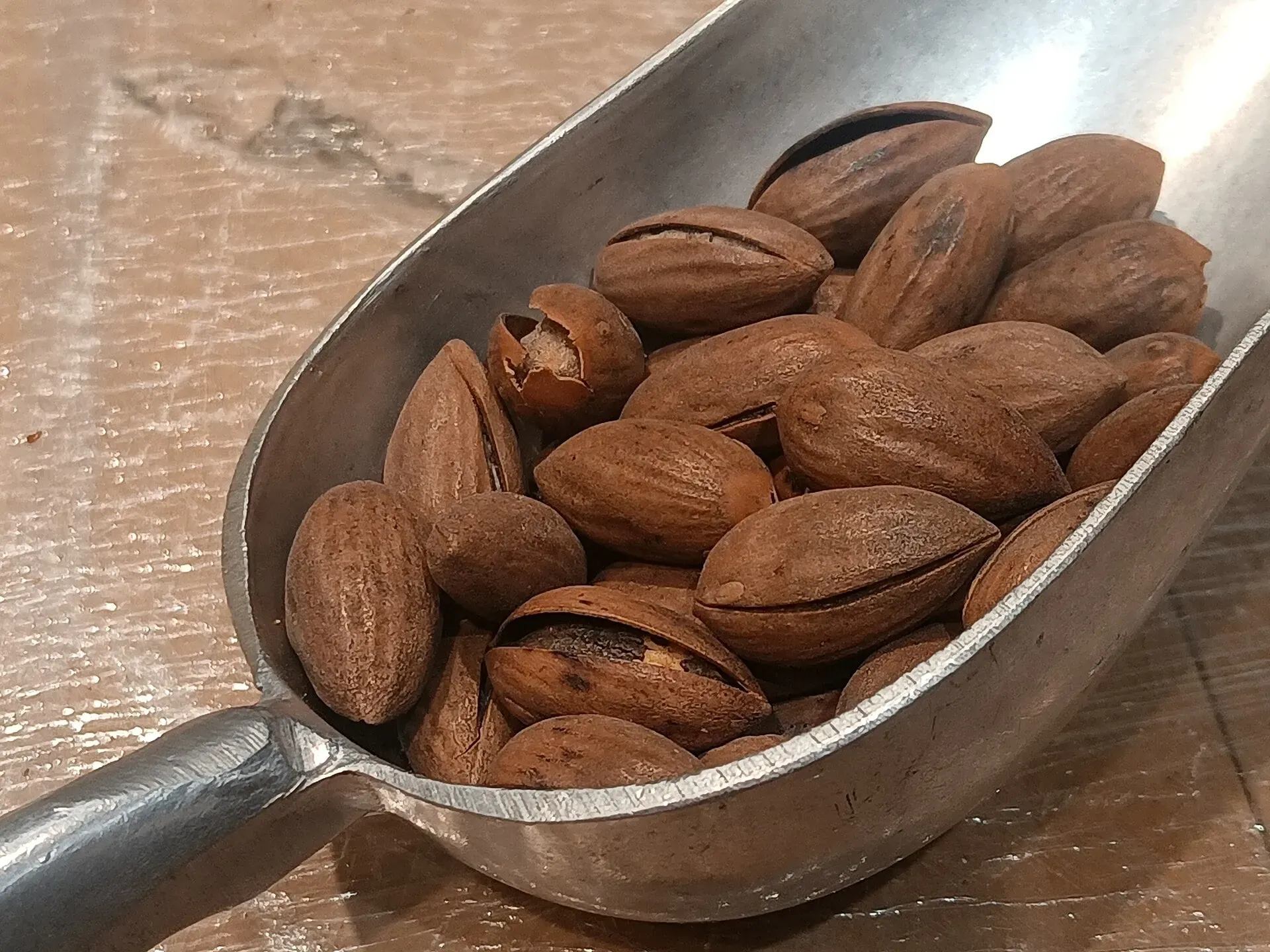
Xiaojingsheng, Xinchang’s own peanut, is small, slender and thin-shelled, fragrant and sweet once roasted. It is a geographical-indication product with a national standard, and roasting it in river sand is on Zhejiang’s intangible heritage list. To buy, try the Xiaojingsheng street on Yongxing Road.
Xiaojingsheng is Xinchang’s own variety of peanut, known locally as xiaohongmao: a small, slender nut with a slight waist and a thin shell, fragrant and faintly sweet once roasted. It is a geographical-indication product with its own national standard, GB/T 19693-2008, and the old way of roasting it in river sand joined Zhejiang’s fourth list of intangible cultural heritage in 2012. To take a bag home, go to the “Xiaojingsheng street” on Yongxing Road in Xinchang (as reported in 2022 and 2023). The new crop comes in between August and October, and the shops are busiest before Chinese New Year.
A small, slender peanut
The Qianjiang Evening News opened a 2020 report on Xiaojingsheng with a rhyme that, it said, brings back warm memories for everyone in Xinchang: “A hemp house, red bed-curtains, and inside live two plump white fellows.” The answer is a peanut.
In October 2019, according to the Xinchang County History and Gazetteer Office, a quality-standards institute of the Zhejiang Academy of Agricultural Sciences described the peanut formally: slender, straight, even pods, slightly narrowed at the waist, with a tip like a chicken’s beak; a thin golden shell with shallow, smooth pitting; pink or pale pink skins over jade-white kernels; and a taste fragrant and faintly sweet, rich but not greasy, and crisp.
It is also called xiaoyangsheng. Families in Xinchang have always grown a little of it, the gazetteer office says; it was entered in the Catalogue of China’s Peanut Variety Resources in 1978, and Zhejiang’s committee for minor crop varieties approved it under the official name Xiaojingsheng in 2011.
Grown in yellow clay
Xiaojingsheng is particular about where it grows. The gazetteer office says the best comes from the yellow-earth uplands of southeast Xinchang; the county paper, Jinri Xinchang, put the most authentic ground around the former town of Dashiju, now Wozhou, in 2022; and one version of a 2020 Qianjiang Evening News report quoted an official posted to Meilinshan as naming four places where it grows best: Hongqi, Meilinshan and nearby villages in Dashiju, Mengjiatang in Yulin Subdistrict, and Xijiao in Qixing Subdistrict. Only in reddish-brown yellow clay like his village’s, the head of Meilinshan village in Wozhou told the county paper, does the peanut come out sweet and rich without being greasy; grown anywhere else, “the taste is nowhere near.”
On June 21, 2022, the county paper found the Meilinshan plants dotted with small yellow flowers. The harvest comes at the turn of summer and autumn: September is the best month, the Qianjiang Evening News said in 2020, while Xu Jun, deputy head of the county agriculture bureau, spoke of September and October; and early on August 21, 2025, a farmer in Qingao village, Chengnan Township, was already digging up his crop, the Shaoxing Daily reported.
How much is grown follows the market. After the gift economy shrank sharply at the end of 2012, the Qianjiang Evening News reported in 2020, many farmers switched crops, and by 2015 the county’s fields were down to about 17,000 mu (some 1,100 hectares), around 60 percent of their peak. From 2016 the county put 2 million yuan a year into purifying the variety, research, larger plantings and standardized processing plants, among other things; by 2020 the area had recovered to about 25,000 mu (some 1,700 hectares), producing 3,000 tonnes a year worth over 100 million yuan. “If the Xiaojingsheng starts putting on weight,” Xu Jun told the paper, “we have to find a way to slim it back down.”
Roasted in river sand
The old way to roast Xiaojingsheng is in sand. As Zhejiang’s intangible heritage website describes it, sand the size of rice grains is scooped from a river of very clear water and dried. The sand is heated in the wok first; then the sun-dried raw peanuts go in and are turned over and over, kept off the metal as far as possible so that the hot sand cooks them. At about 80 percent done they come out to cool. A few villages, such as Waipokeng, roast with salt instead. The craft joined Zhejiang’s fourth list of intangible cultural heritage in 2012, with the Wozhou Town government responsible for safeguarding it.
In the old days, the Qianjiang Evening News wrote in 2020, peanuts were roasted over a wood fire in a big iron wok, about five kilograms at a time, for half an hour or so. Now, the head of a roasting works in Chengnan Township told the paper, machines do most of it, and only a very few villages still roast with salt in a wok. Yet the rustle of peanuts in sand, he said, is the sound of home for everyone who grew up in Xinchang.
Roasting is not the only way to eat it. Another version of the same 2020 report adds boiling: young peanuts, not yet fully ripe, washed and boiled in their shells in salted water. In Xinchang, it says, they are also made into salt-baked kernels and pickled peanuts.
Tribute to the emperors: legend and record
How long Xiaojingsheng has been grown here, and where it came from, depends on who is telling. An official posted to Meilinshan told the Qianjiang Evening News in 2020 that it arrived around the end of the Ming or the start of the Qing, was sent to the court as tribute under the Qianlong emperor, and has been grown for nearly 400 years; the county gazetteer office, too, says it became a prized tribute under the Ming and Qing. Shaoxing Release said in 2023 that it was introduced from Beijing at the end of the Qing and was famous at home and abroad by the early Republic. Chao News called the Ming and Qing tribute story a legend in 2023, and we have found no historical record that bears it out.
The records that can be checked are more recent. According to the gazetteer office, Xiaojingsheng came first in a national quality contest for roasting peanuts in 1984; its “Xinchang Xiaojingsheng” certification trademark was named a well-known Zhejiang trademark in 2004; it was among Zhejiang’s first ten geographical-indication brands in August 2006 and became a Zhejiang brand-name farm product in 2007; and in May 2020 it joined that year’s first national list of distinctive, high-quality farm products.
Its name is protected, too. On May 21, 2003, the national quality watchdog, AQSIQ, approved origin protection for Xinchang peanut (Xiaojingsheng) in its notice No. 52 of that year, for an area covering Xinchang County and six townships of neighboring Pan’an County: Huzhai, Jianshan, Yushan, Shanghu, Jiuhe and Wancang. A national standard for the peanut as a product of designated origin, GB 19693-2005, followed in March 2005. In 2008 AQSIQ and the Standardization Administration of China replaced that standard with GB/T 19693-2008, for the peanut as a geographical-indication product, in force since October 1 that year and confirmed as still valid at its review in August 2025. In 2023 Zhejiang’s agriculture department put Xinchang Xiaojingsheng on its second list of a hundred famous local specialties, along with Xinchang fried rice cakes.
Gifts, New Year and weddings
In Xinchang, Xiaojingsheng is often a gift. The gazetteer office calls it a must at festivals and weddings; wedding peanuts are dyed red and left unroasted, for the saying yao sheng, which can mean both “wanting them raw” and “wanting a baby.” People used to give roasted Xiaojingsheng at holidays, the Qianjiang Evening News reported in 2020; lately many give raw peanuts straight from the harvest in September and October.
The weeks before Chinese New Year are the busiest. In January 2022 the county paper found a roasting shop on Yongxing Road open from 6:30 a.m. until midnight, roasting about a tonne of Xiaojingsheng a day for customers buying for weddings and New Year gifts. Before the 2023 New Year, Zhejiang Online met a man there who had bought twenty boxes at once to give to family and friends.
Where to buy it
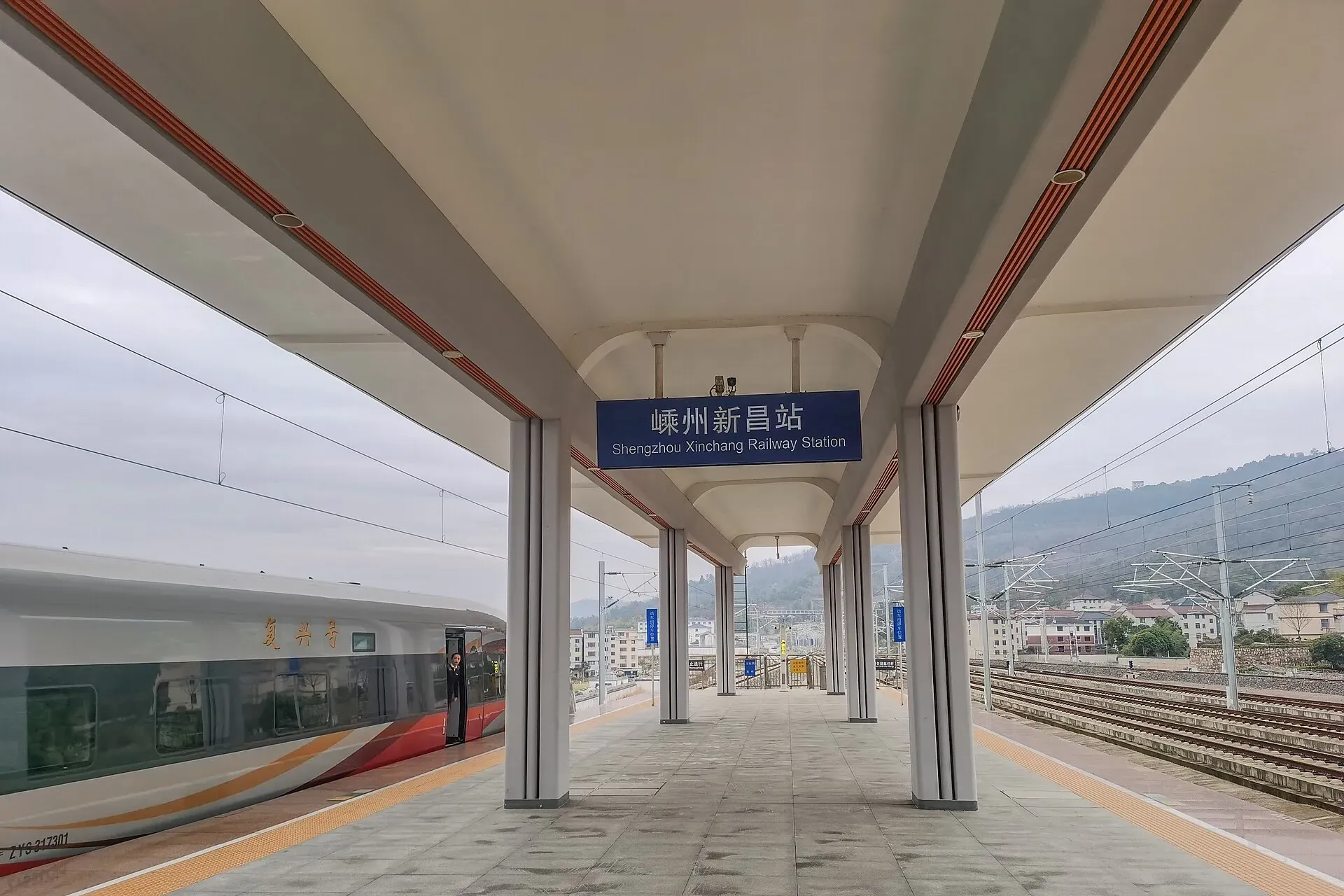
In Xinchang, the place to go is the Xiaojingsheng street on Yongxing Road, visited by Jinri Xinchang in 2022 and by Zhejiang Online in 2023. Chao News reported in 2023 that more than fifty businesses buying, processing and selling the peanut had grown up around it. We have not found the shops’ opening hours, so ask locally before you go. For the journey, see Getting to Xinchang.
Prices vary with the year and the grade. In 2020 the Chengnan roasting works charged twenty-odd yuan a jin (500 grams) for its cheapest, about 35 for its regular and about 50 for its select grade (Qianjiang Evening News). Before Chinese New Year 2022, a shop on Yongxing Road sold two grades, at 25 and 30 yuan a jin (Jinri Xinchang). Before Chinese New Year 2023 the price was about 30 to 35 yuan a jin (Zhejiang Online); and in 2025, writing about the Jingsheng Chengnan workshop in Chengnan Township, the Shaoxing Daily said the retail price had gone up from 50 to 70 yuan a kilogram. These were the prices at the time, so check before you buy.
How to tell the real thing? Not every peanut grown around Shaoxing may be called Xiaojingsheng, the Qianjiang Evening News pointed out in 2020, and much of what is sold under the name comes from elsewhere in Shaoxing and nearby. Compare the nuts with the description above, and ask whether they were grown inside the protected area. Xu Jun’s test was simpler: “Fresh, with that unique yellow-red soil still on them — that’s the genuine article.”
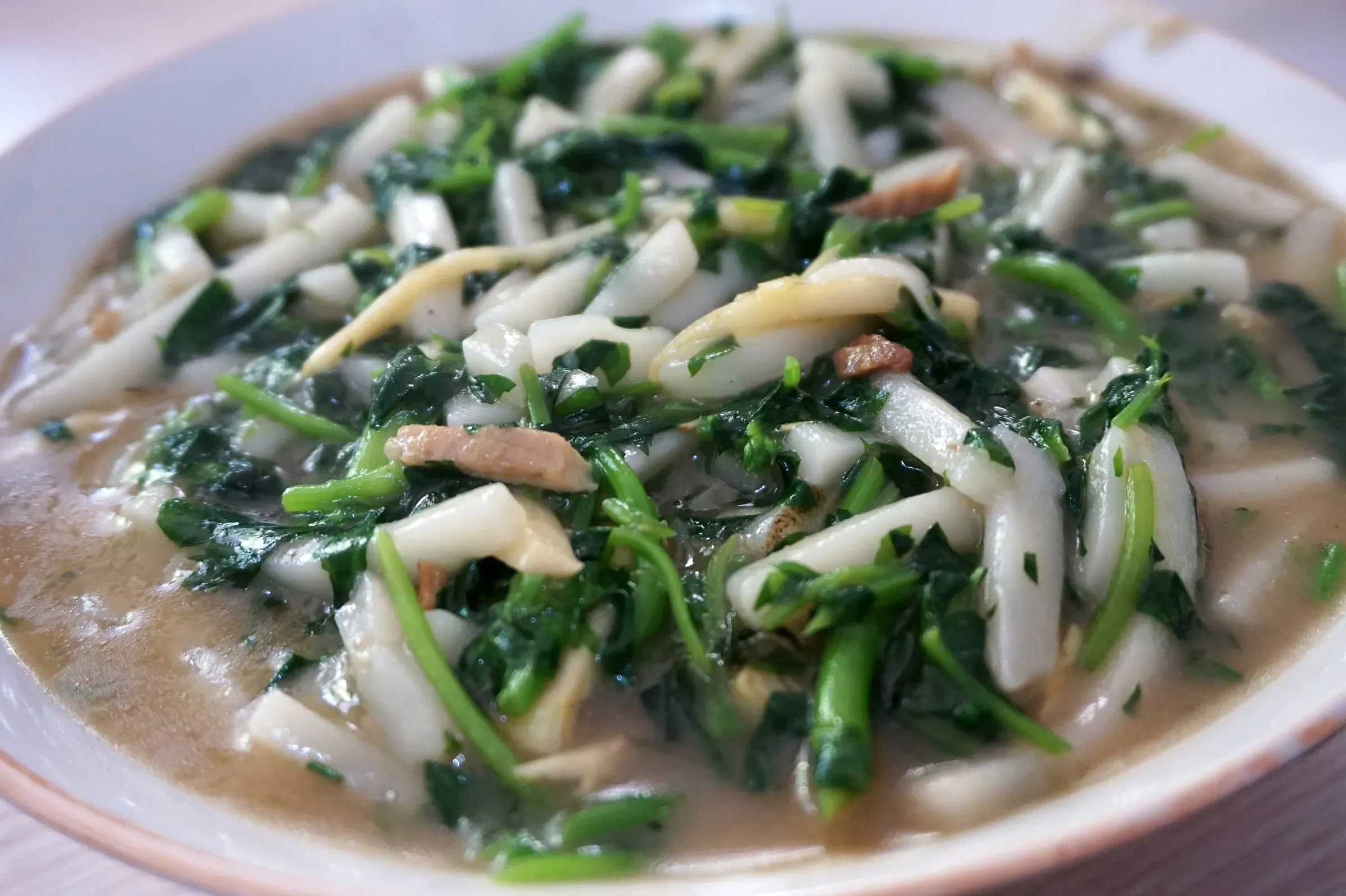
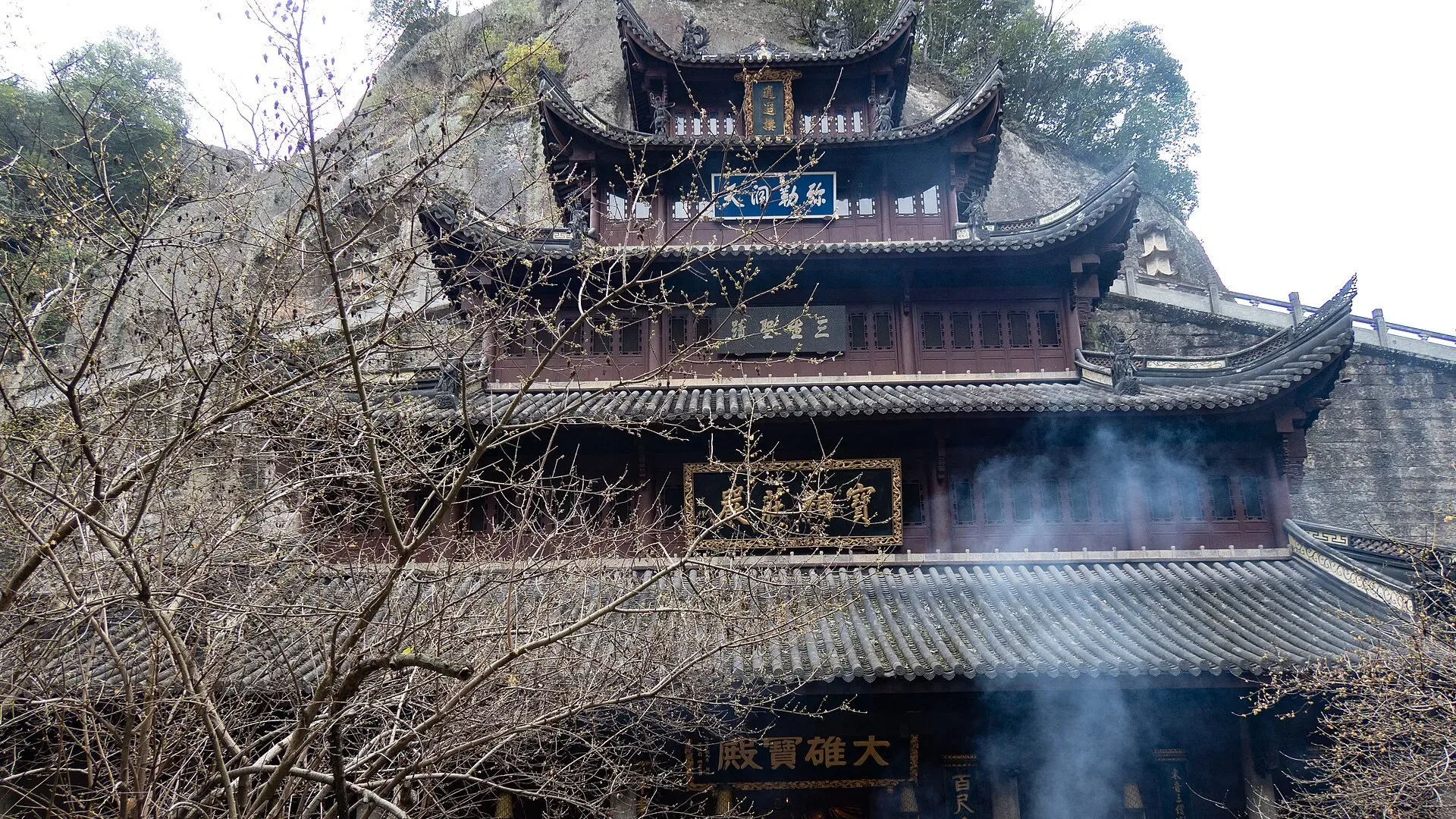
For Xinchang’s other food, see Xinchang Fried Rice Cakes and Snacks, and for places to see, Places to Visit. Zhuji, also in Shaoxing, has a nut of its own; see Torreya Nuts.
Questions & answers
How much do Xiaojingsheng peanuts cost?
It depends on the year and the grade. Before Chinese New Year 2023, Xiaojingsheng in Xinchang cost about 30 to 35 yuan a jin, or 500 grams (Zhejiang Online); in 2025, writing about a township workshop in Chengnan, the Shaoxing Daily said the retail price had gone up from 50 to 70 yuan a kilogram. Prices change from year to year, so check before you buy.
How can I tell genuine Xiaojingsheng?
Look first — slender, slightly waisted pods with a beaked tip and a thin golden shell, its pitting shallow and smooth (a 2019 assessment by the Zhejiang Academy of Agricultural Sciences). Then ask where they were grown. The protected area is Xinchang County and six townships of neighboring Pan’an (AQSIQ, 2003), and much of what is sold as Xiaojingsheng comes from elsewhere in Shaoxing and nearby, the Qianjiang Evening News reported in 2020. Fresh peanuts with the yellow-red soil still on them are the real thing, Xu Jun of the county agriculture bureau said that year.
When is the harvest?
At the turn of summer and autumn. A farmer in Chengnan was already digging on August 21, 2025 (Shaoxing Daily), and the Qianjiang Evening News called September the best month for picking in 2020. Sales peak before Chinese New Year; before the 2022 festival, one roasting shop on Yongxing Road was working from 6:30 a.m. until midnight (Jinri Xinchang).
Where can I buy them in Xinchang?
On the Xiaojingsheng street, Yongxing Road, which Jinri Xinchang and Zhejiang Online reported on in 2022 and 2023. More than fifty businesses buying, processing and selling the peanut are centered on it, Chao News reported in 2023. We have not found opening hours, so ask locally before you go.
Where did Xiaojingsheng come from?
Accounts differ. One says it reached Xinchang at the end of the Ming or the start of the Qing and was sent to the court as tribute under the Qianlong emperor (Qianjiang Evening News, 2020; the county gazetteer office also calls it a Ming and Qing tribute); another, that it was introduced from Beijing at the end of the Qing and was famous at home and abroad by the early Republic (Shaoxing Release, 2023). Chao News called the tribute story a legend in 2023, and we have found no reliable historical record of it.
Sources
- 英文为本站翻译。斤即市斤,一斤 500 克;亩即市亩,一亩约 667 平方米,英文里折成了公顷。
- 地理标志产品 新昌花生(小京生)GB/T 19693-2008 · 国家标准全文公开系统(国家市场监督管理总局、国家标准化管理委员会)
- 地理标志产品 新昌花生(小京生)GB/T 19693-2008(复审记录) · 全国标准信息公共服务平台(国家市场监督管理总局)
- 原产地域产品 新昌花生(小京生)GB 19693-2005 · 国家标准全文公开系统(已废止)
- 国家质量监督检验检疫总局公告 2003 年第 52 号 · 地理标志网(转载),2003 年 5 月 21 日
- 中国地理标志产品保护列表 · 维基百科
- 小京生炒制技艺 · 浙江省非物质文化遗产网(第四批省级名录,2012 年 6 月 25 日公布)
- 新昌“小京生” · 社科在线(浙江在线,新昌县史志研究室供稿),2024 年 3 月 29 日
- 大铁锅炒出北纬30度原香小京生 新昌“小花生”做出上亿大生意 · 浙江在线(钱江晚报),2020 年 6 月 23 日
- 舌尖上的非遗③|新昌小京生 黄泥土 清水沙 最爱北纬30度的那一口原香 · 钱江晚报(百家号),2020 年 6 月 22 日
- 炒货香 年味浓 · 今日新昌(新昌县融媒体中心),2022 年 1 月 27 日
- 还原明清贡品“小京生” · 今日新昌(新昌县融媒体中心),2022 年 6 月 24 日
- 新昌:新春气氛渐浓 年货消费迎来高潮 · 浙江在线(新昌新闻网),2023 年 1 月 12 日
- 绍兴这些“土特产”,你最爱啥? · 绍兴发布(澎湃号),2023 年 10 月 20 日
- 新昌县2个产品入选浙江名优“土特产” · 潮新闻,2023 年 10 月 26 日
- 绍兴新昌小京生搭上共富工坊快车 · 新华网浙江频道(绍兴日报),2025 年 8 月 22 日