Zhuji Pearls
Shanxiahu, a town in Zhuji of less than 43 square kilometers, produces more than 80 percent of China’s freshwater pearls and over 70 percent of the world’s, and is the largest freshwater pearl market on earth. It began in 1970, when a farmer put his first three hundred mussels into Baita Lake; the Huadong International Jewelry City, opened in 2008, is the world’s biggest pearl market.
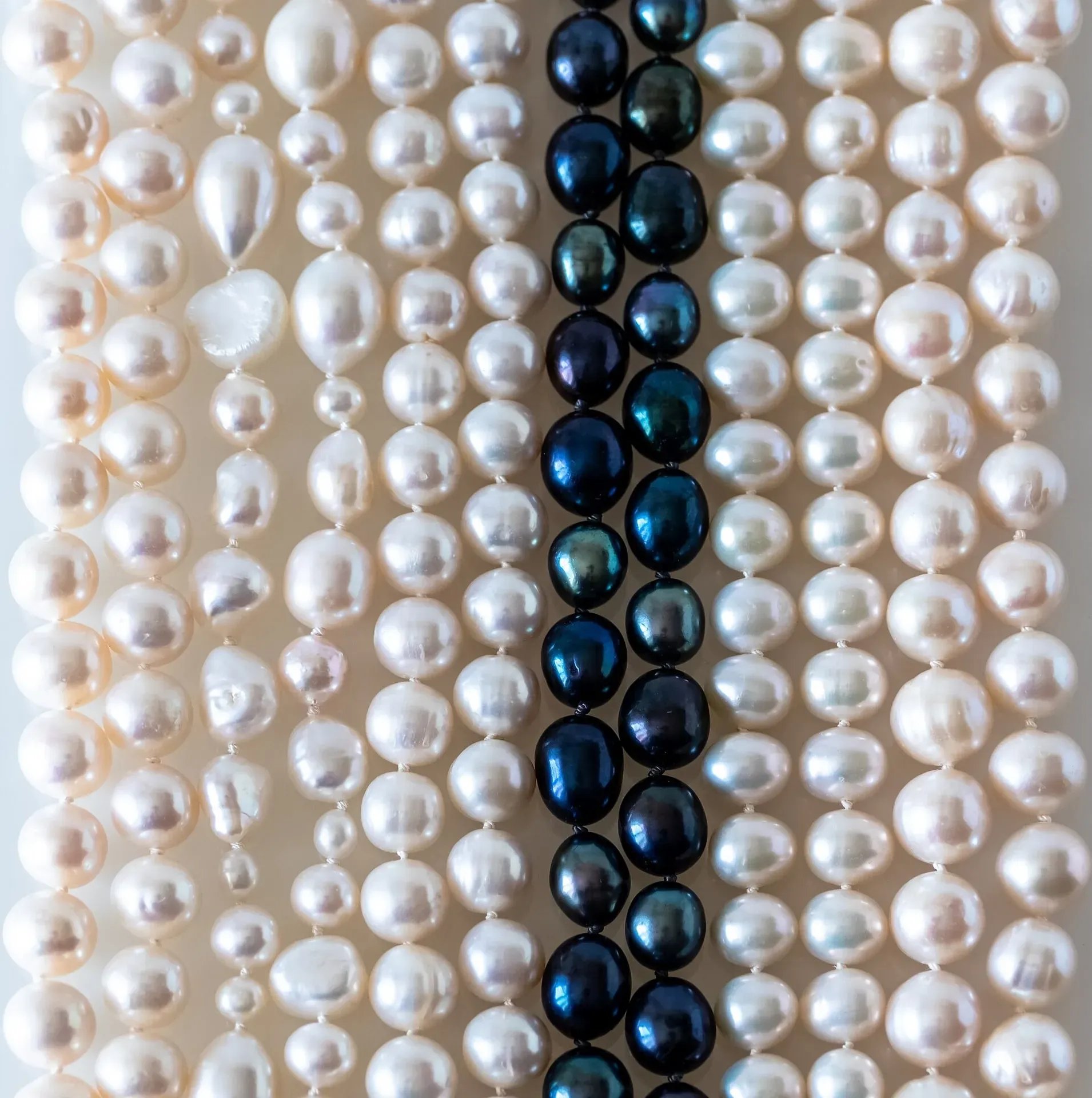
Pearls are to Zhuji what neckties are to Shengzhou. Shanxiahu, a town in the northeast of Zhuji, covers less than 43 square kilometers and has fewer than 30,000 people, yet it is the largest freshwater pearl market in the world.
Seven in ten freshwater pearls
According to China News Service in 2026, more than 9,000 businesses across the pearl trade are based in Shanxiahu, which produces more than 80 percent of China’s freshwater pearls and over 70 percent of the world’s; in 2025 Zhuji’s pearl industry as a whole turned over 52 billion yuan. Xinhua, citing Zhuji government figures in 2024, put Shanxiahu’s share of the world’s freshwater pearl production and sales at more than 73 percent.
Three hundred mussels
It all began small. According to China News Service in 2008, in 1970 a farmer named He Mugen put his first batch of young mussels — three hundred of them — into the water at Shanxiahu. He succeeded in growing pearls in the local Baita Lake, and the town’s pearl industry grew from there.
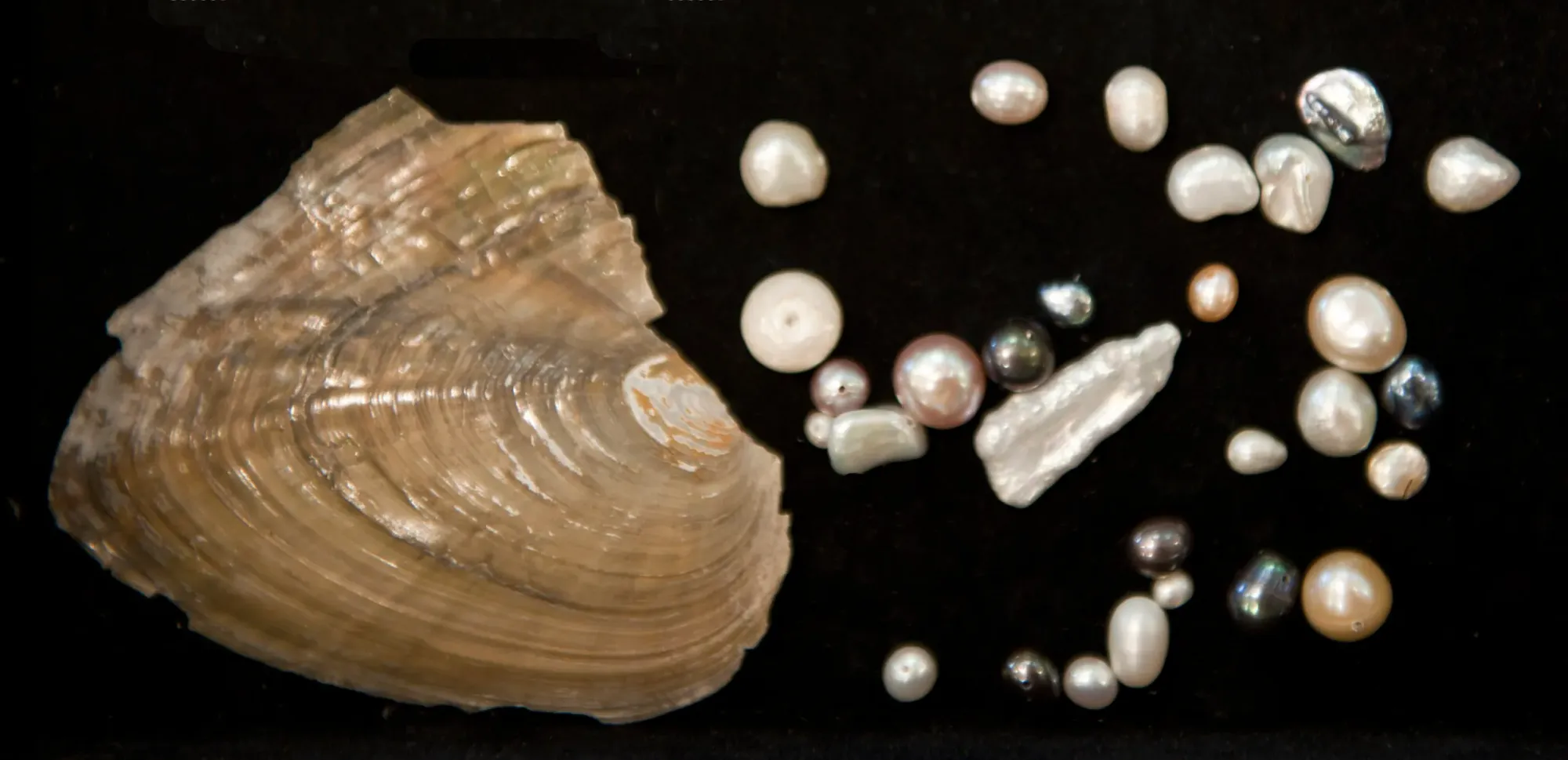
One of the dozen or so people who first farmed pearls at Shanxiahu, Zhan Youxin, told China News Service that at the start everyone kept just a few hundred mussels and sold the pearls by the jin to processing plants in Ningbo, Fujian and elsewhere; only later, bit by bit, did the trade grow into companies with brands of their own.
Pearls cannot be hurried. One takes several years from nucleation to harvest, and depends on the weather, the water and how the mussels are tended. The early, extensive pond farming also polluted the water; with environmental clean-ups since, it has given way to more carefully managed farming.
The world’s biggest pearl market
In 2008 Shanxiahu opened the Huadong International Jewelry City. According to China National Radio in 2024, it cost 3 billion yuan and covers 1.2 million square meters, the largest pearl market in the world and the main trading hub for raw freshwater pearls. Its shops stand row upon row, and many have a live-streaming room.
Pearls on live streams
In recent years Shanxiahu’s pearls have also gone abroad by live stream. According to Xinhua in 2024, a third generation of pearl families has hired foreign hosts to open mussels and sell pearls on TikTok and other platforms, in several languages, mainly to buyers in the United States, Canada, Australia and New Zealand. The report adds that, as farming techniques have improved, some kinds of freshwater pearls now rival seawater pearls for luster and roundness.
Getting there
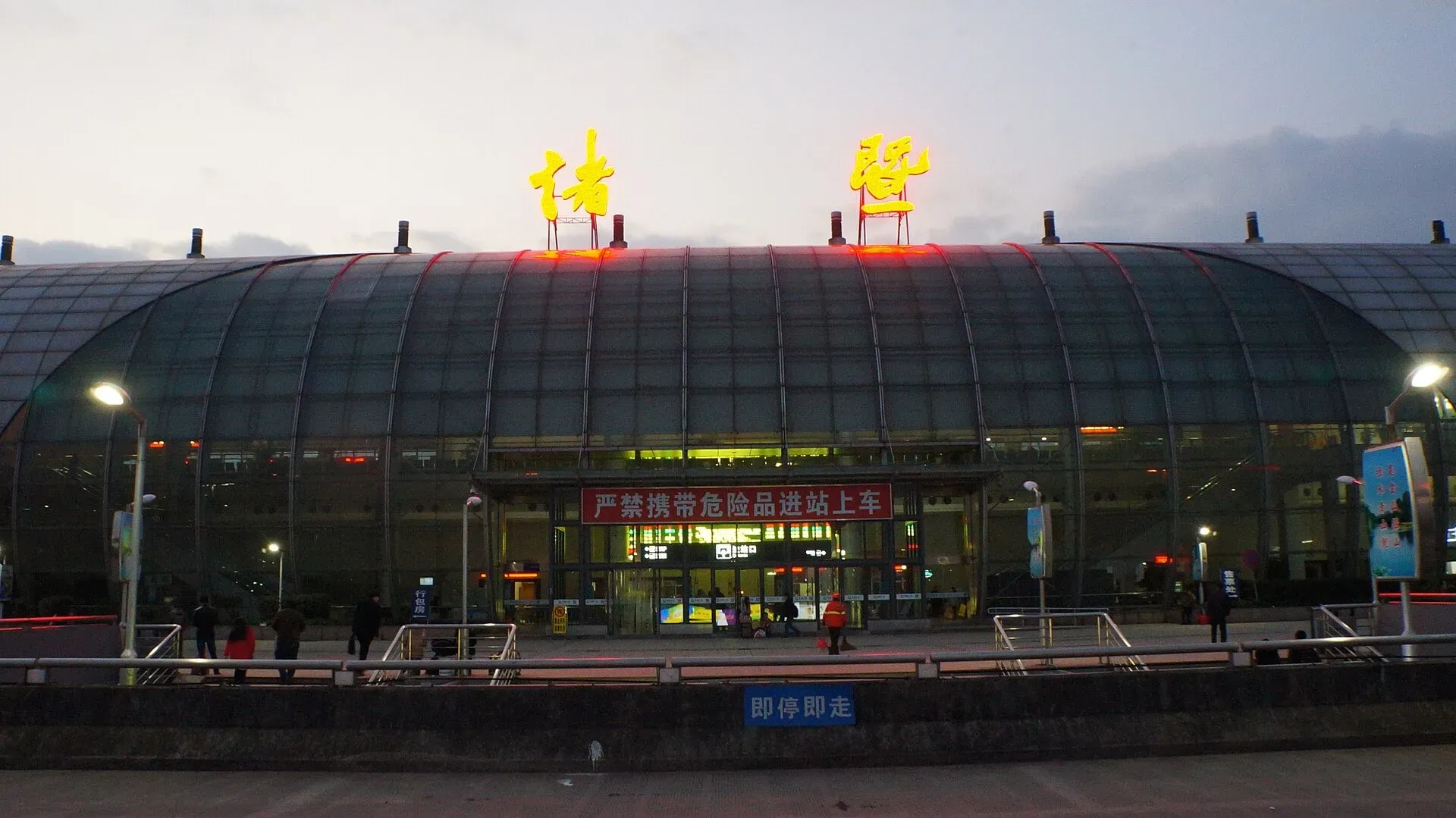
Shanxiahu is about 29 km from Zhuji high-speed station and about 24 km from Xi Shi’s Hometown — roughly half an hour by car either way, by map estimate. Prices and quality vary widely, so compare a few shops before you buy. For how to reach Zhuji, see Getting to Zhuji.
Visiting the pearl market
Most visits to Shanxiahu start at the Huadong International Jewelry City. According to Xinhua in 2026, it has more than 2,000 shops. China National Radio reported in 2024 that it has everything from loose pearls sold wholesale, metal fittings and packaging to pearl processing and finished jewelry, in premises that range from cubicle stalls to brand stores, and that once you have chosen a design, the processing, setting, packing and posting can all be done there.
According to Hangzhou Daily in May 2026, one shop owner estimated that at least three in ten of the Jewelry City’s customers come from Hangzhou, and that among them, on weekdays, most are people buying for others and wholesalers, and on holidays most are independent visitors who have driven in. According to Xinhua in 2026, after dark many stall owners pull down their shutters, switch on their streaming equipment and carry on selling online. We have found no opening hours or bus routes for the Jewelry City published by an official source or the major media; going by car or taxi from Zhuji station is simplest. Ask locally before you go.
The town also has the World Freshwater Pearl Museum. According to China News Service in 2020, it opened on November 9 that year, using pictures, video and augmented reality to cover the history and culture of pearls, the science behind them and how to judge them. According to the Zhuji government’s news office in 2026, you can open a river mussel there and take out your own pearls.
According to China News Service, the first Shanxiahu (International) Mussel-Opening Festival opened on October 1, 2025, and many visitors from China and abroad came to open mussels and buy pearls. China News Service photographs from the National Day holiday in 2026 show the Jewelry City crowded and visitors opening mussels in the town.
According to Xinhua in 2026, the World Pearl Conference, organized by the Zhejiang Pearl Industry Association, had been held five times in a row; according to Hangzhou Daily, the sixth opened on May 20, 2026 and ran until May 24. Check locally for the dates of the next one.
Before you buy
There is a national standard for judging pearls. According to China’s national standards information platform, the current standard, Cultured Pearl Grading (GB/T 18781-2023), took effect on December 1, 2023, and Zhuji’s market regulator and the Zhejiang Pearl Industry Association were among its drafters. According to the National Library of Standards, it sets out the quality factors and grades of cultured pearls and what a grading report or certificate must contain; irradiated, dyed or otherwise treated pearls, and composite pearls, are not graded under it. According to the Guangxi product-quality institute that led the revision, writing in 2023, the standard sets grades for shape, luster, surface finish, nacre thickness and matching, among other factors.
According to Hangzhou Daily, a quality standard for “Shanxiahu pearls” as a national geographical-indication product was released at the World Pearl Conference in May 2026. It sets requirements for “Shanxiahu freshwater pearls and pearl jewelry” from the area of origin, the growing environment and technical requirements to packing, transport and storage; the paper said that products carrying the mark now have a clear quality benchmark.
Opening a mussel is fun, but do not count on it for jewelry. According to China City News in 2024, Feng Wenting, an associate professor at the Gemmological Institute, China University of Geosciences (Wuhan), warned that very few high-quality pearls come out of mussels and that expecting to make jewelry by opening them like blind boxes is unrealistic. According to CCTV in 2025, Zhuji’s market regulator dealt with a live-stream case in which the host slipped good pearls from a dish out of shot under the mussel flesh and then “found” them on camera. The report says the pearls were genuine, but the officers called it false advertising, meant to get viewers bidding on the mussels to pay more; the shop’s operator and the host were each fined 20,000 yuan.
According to CCTV in June 2026, the China Consumers’ Association, in tips covering precious-metal jewelry, gems and jade among other goods, advises buying from reputable, fully qualified brand shops or department-store counters rather than privately through personal social-media accounts; checking, as soon as the goods arrive, that the appraisal certificate and the institution that issued it are genuine, and that the photo, weight and material on the certificate match the item; and, on live streams, being wary of “bargain” and “limited flash sale” pitches and not being misled by beauty filters, lighting or leading sales talk. Opening hours and events change often, so check locally before you go.
Questions & answers
Where is the Zhuji pearl market?
In the town of Shanxiahu in Zhuji, at the Huadong International Jewelry City, opened in 2008 — the largest pearl market in the world and the main trading hub for raw freshwater pearls. It is about 29 km by road from Zhuji high-speed station and about 24 km from Xi Shi’s Hometown.
How many of the world’s freshwater pearls come from Zhuji?
According to China News Service in 2026, Shanxiahu produces more than 80 percent of China’s freshwater pearls and over 70 percent of the world’s; Xinhua, citing Zhuji government figures in 2024, put the world share at over 73 percent.
How did pearl farming start in Zhuji?
According to China News Service in 2008, in 1970 a farmer named He Mugen put his first three hundred young mussels into the water at Shanxiahu and succeeded in growing pearls in Baita Lake; the town’s pearl industry grew from there. In the early years the pearls were sold by the jin to processing plants in Ningbo and Fujian.
How long does a freshwater pearl take to grow?
According to China News Service, a pearl usually takes several years from nucleation to harvest, depending on the weather, the water and how the mussels are tended.
What are the opening hours of the Shanxiahu pearl market?
We have found no officially published opening hours for the Huadong International Jewelry City. According to Xinhua in 2026, after dark many stall owners pull down their shutters and carry on selling by live stream. Ask locally before you go.
Can I open a pearl mussel myself at Shanxiahu?
Yes. According to the Zhuji government’s news office in 2026, the World Freshwater Pearl Museum in the town lets you open a mussel and take out the pearls yourself. But according to China City News in 2024, an expert warned that very few high-quality pearls come out of mussels and that expecting to make jewelry by opening them like blind boxes is unrealistic.
How are pearls graded?
The national standard Cultured Pearl Grading (GB/T 18781-2023) sets the quality factors and grades of cultured pearls, with grades for shape, luster, surface finish, nacre thickness, matching and more; irradiated, dyed or otherwise treated pearls are not graded under it. According to CCTV in 2026, the China Consumers’ Association advises checking, as soon as the goods arrive, that the appraisal certificate and its issuing institution are genuine and that the photo, weight and material on it match the item.
Sources
- 车程是按 OpenStreetMap 路网估算的开车时间。
- 单项冠军县,何以扛打丨拿下全球7成淡水珍珠,诸暨如何做到的 · 中新网,2026 年 8 月 12 日
- 洋洋大观丨全球最大淡水珍珠集散地 这个小镇不一般 · 新华网,2024 年 7 月 10 日
- 诸暨山下湖:演绎中国淡水珍珠的传奇 · 中新网,2008 年 4 月 21 日
- 新春走基层 | 浙江诸暨:小珍珠“串”起百亿大产业 · 央广网,2024 年 2 月 1 日
- 山下湖镇 · 维基百科
- 中国经济样本观察·县域样本篇丨浙江诸暨:一个县级市何以拥有两个“产业冠军”? · 新华网,2026 年 1 月 6 日
- 世界珍珠大会启幕 助力诸暨山下湖镇从珍珠产地变身“消费目的地” · 浙江在线(杭州日报),2026 年 5 月 21 日
- 世界淡水珍珠博物馆开馆 · 中国经济网(中国新闻网),2020 年 11 月 10 日
- 5·19中国旅游日,总要来一趟诸暨吧!这份游玩宝典请收好!· 诸暨发布(澎湃号),2026 年 5 月 19 日
- 游客“爱珍珠更爱开蚌” 浙江小镇体验式消费受青睐 · 中新网,2025 年 10 月 1 日
- “中国珍珠之都”国庆假期游客选购忙 · 中新网(图片),2026 年 10 月 4 日
- 珍珠分级(GB/T 18781-2023) · 全国标准信息公共服务平台(2026 年 11 月 4 日查阅)
- GB/T 18781-2023 珍珠分级 · 国家标准馆(2026 年 11 月 4 日查阅)
- 广西质检院牵头修订的《珍珠分级》国家标准正式发布 · 浙江省市场监管局质量基础设施“一站式”服务平台(广西质检网),2023 年 7 月 27 日
- 开蚌取珠“新盲盒”:珍珠品质是关键 · 中国城市报(人民网),2024 年 2 月 26 日
- 直播开蚌藏“套路消费”:号称捡漏拉抬人气 开蚌取珠暗藏手法 · 中新网(央视网),2025 年 6 月 23 日
- 中国消费者协会发布贵金属饰品等消费提示 · 新华网(央视网),2026 年 6 月 16 日