离离野火生Wildfire on the Balcony
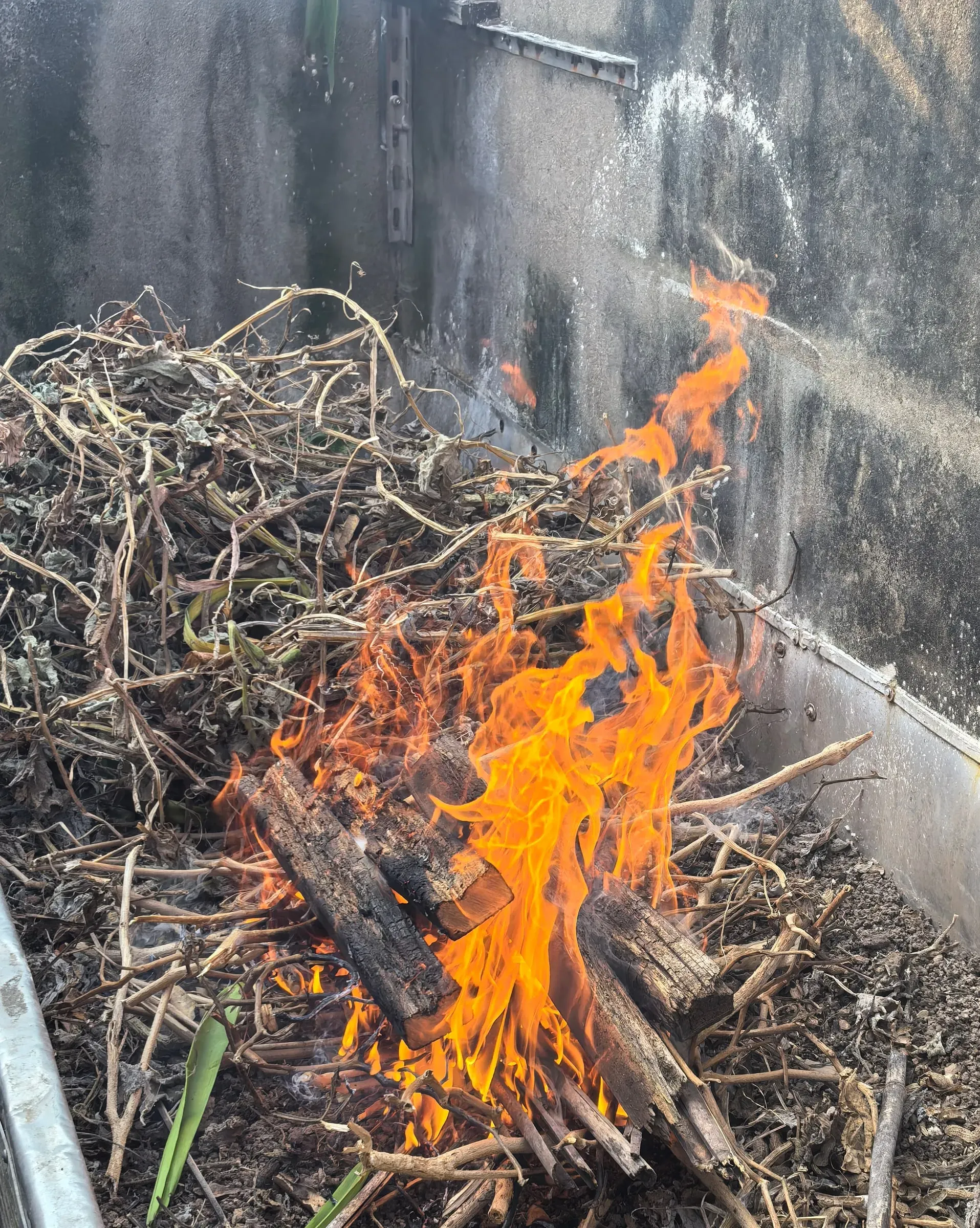
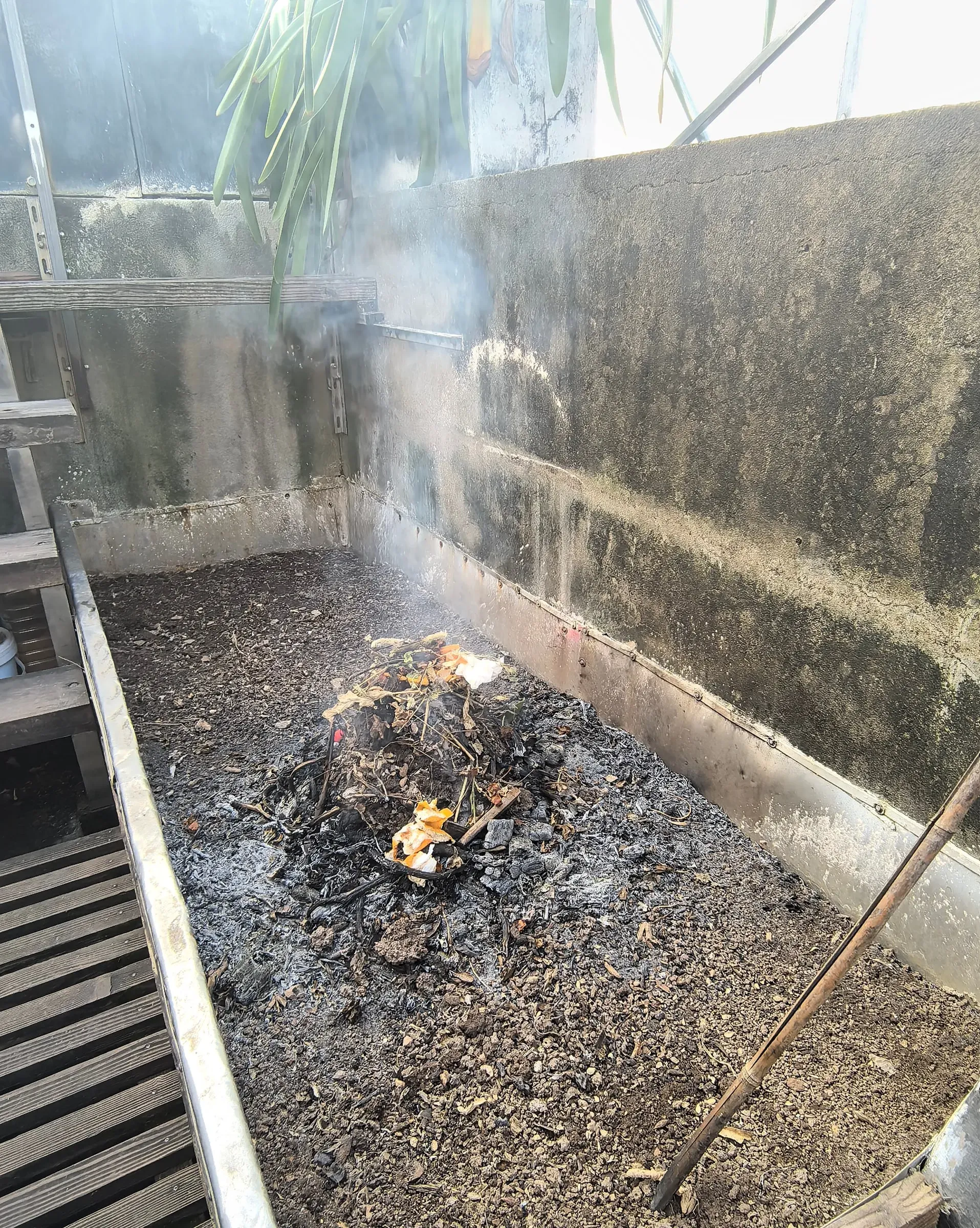
昨日砍了饭瓜藤,又烧了荒,老母见了,夸奖:介大一堆灰,又从前阳台扫来一畚箕垃圾,盖在上面,那已晒干了的桔子皮在火上一烤,焦香飘满阳台。农民朴实无华,见到兔粪羊粪鸡粪,还有草木灰,都是好东西。看见它们,眼睛里就是一畦又一畦绿油油水灵灵瓜果蔬菜的景象。他们跟土地打了一辈子交道,知道什么是好东西,什么是真滋味。这是一种朴素的欢喜,是跟着泥土里长出来的庄稼一样,带着根,带着须,长在骨子里的。
Yesterday I cut down the pumpkin vines and burned off the plot. My old mother saw it and praised me: “Such a big heap of ash!” Then she swept a dustpan of rubbish off the front balcony and piled it on top, and the tangerine peel that had already dried in the sun toasted in the fire until the whole balcony smelled of its scorched sweetness. Farming people are plain and unpretentious. Rabbit droppings, sheep droppings, chicken droppings, plant ash — to them these are all good things. When they look at them, what they see is row upon row of melons and vegetables, green and glossy and full of juice. They have dealt with the land all their lives; they know what is good, and what tastes true. It is a simple kind of joy, and like the crops that grow out of the soil, it has roots and rootlets, and it grows into the bone.
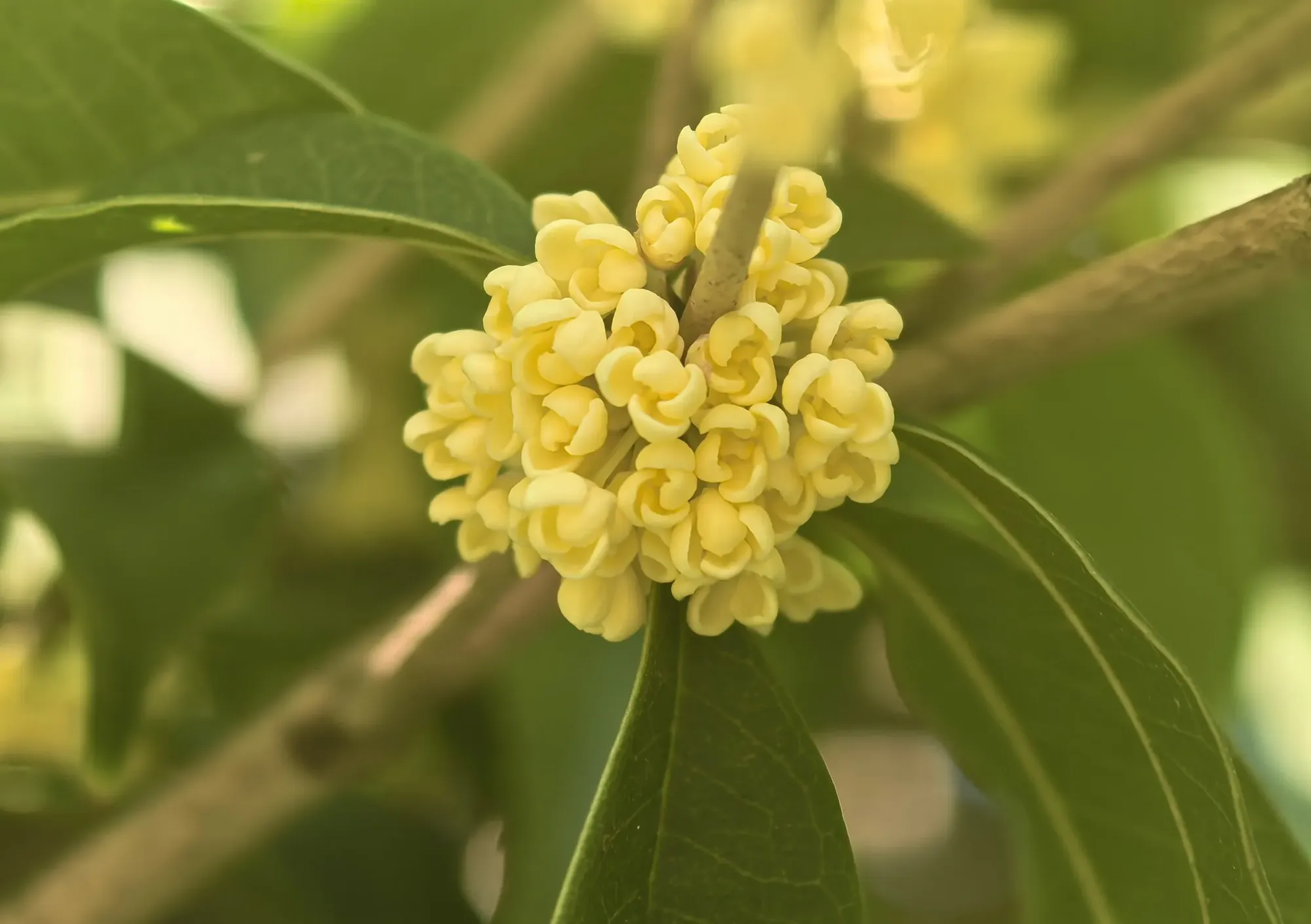
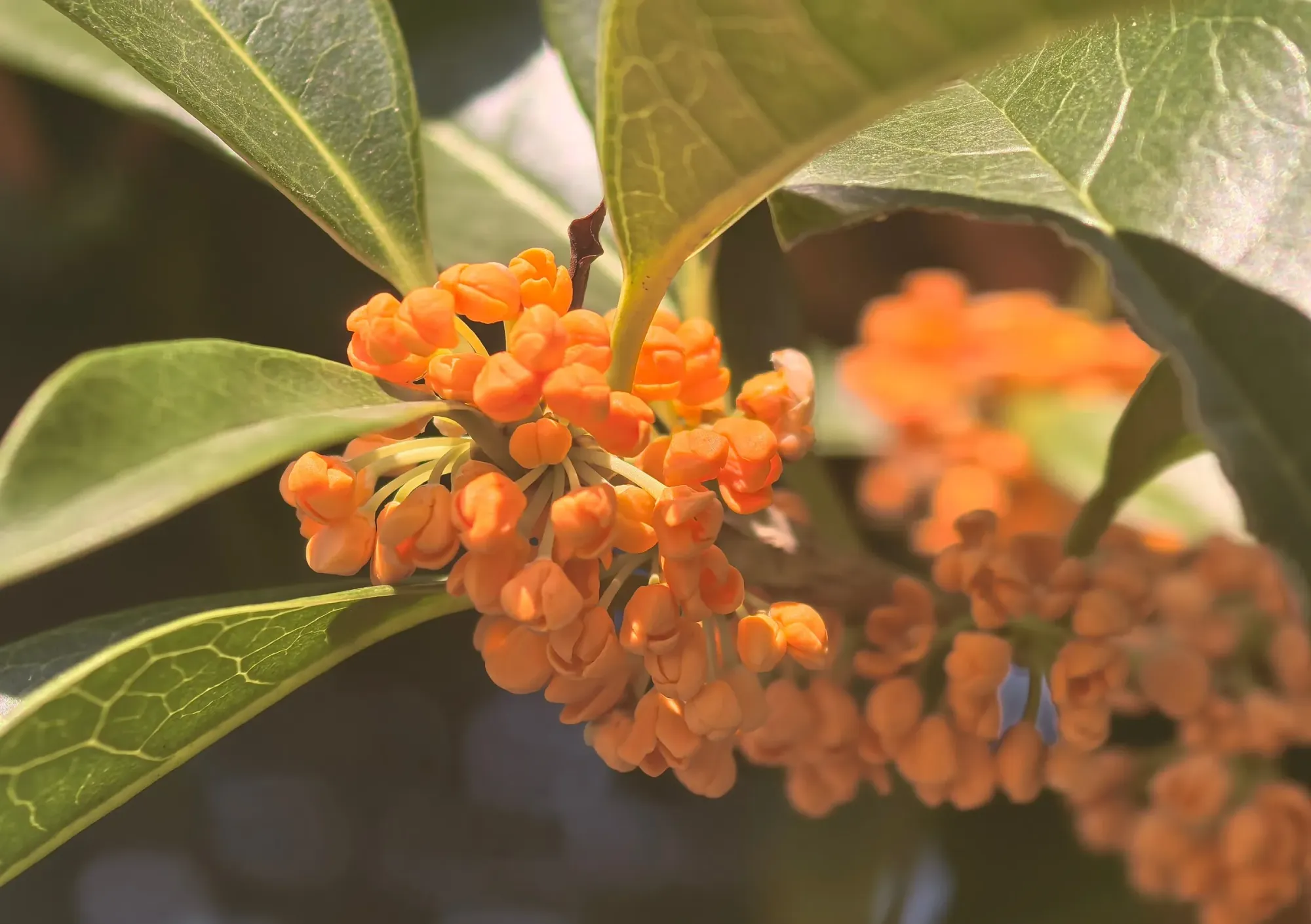
反正阳台洞天,这把野火一烧,算是彻底打开了阳台洞天的秋天模式,你先闻闻,空气里都是桂花香,烧焦的橙香味。
Anyway, with this one wildfire my balcony paradise has well and truly switched into autumn. Just breathe in: the air is full of osmanthus, and the smell of scorched orange.
说到桂花香,想到一个河南人。曾经有个河南信阳的茶叶老板,驱车进入浙江,见了高速公路两边的夹竹桃花,一路花开;见了杭州立交桥上桥下的月季花,风里摇曳。说浙江真漂亮,是花的世界,香的味道。我说你待到八月桂花香,那是空前绝后的香的存在,原来柳永写过的西湖,十里荷花三秋桂子,要么待上个把月,那时的桂花香整日整夜的,能薰掉你的鼻子。他听了,半信半疑的笑。
Speaking of osmanthus, I think of a man from Henan. A tea merchant from Xinyang once drove into Zhejiang. He saw the oleanders blooming all the way along both sides of the expressway, and the roses swaying in the wind above and below the overpasses in Hangzhou, and said Zhejiang was truly beautiful, a world of flowers and fragrance. I told him to wait for the osmanthus of the eighth month: a fragrance like nothing before or since. It is the West Lake that Liu Yong wrote of, ten li of lotus and osmanthus all autumn long. Stay a month or so then, and the osmanthus scent goes on all day and all night, strong enough to knock your nose off. He laughed, only half believing me.
其实何止是桂花香。浙江的好,就在这四季分明的性子。春有百花秋有月,夏有凉风冬有雪,每一季都有各自的香,各自的颜色,各自的味道。你看,阳台上这把野火烧过的灰,看似死寂,它藏着秋天里的青菜萝卜,还藏着来年的春天花朵;就像母亲眼中的兔粪羊粪鸡粪,看似秽物,其实是土地最朴素的诗篇。
In fact it isn’t only the osmanthus. What is good about Zhejiang is its four distinct seasons. Spring has its hundred flowers, autumn its moon; summer has its cool breeze, winter its snow. Each season has its own fragrance, its own colors, its own flavors. Look: the ash from this wildfire on the balcony seems dead, but it holds autumn’s greens and radishes, and next spring’s flowers too — just as the rabbit, sheep and chicken droppings in my mother’s eyes may look like filth, but are really the land’s plainest poetry.
没有粪便臭,哪来稻花香。农人看见粪便想到的是丰收,文人看见粪便却要掩鼻而过。可我总觉得,真正的诗句,不在云端,而在泥土里。就像此刻,这一堆草木灰,这一畚箕垃圾,这一缕桔皮焦香,都是秋天写给大地的诗句,离离之间,都带着烟火气的温暖。
Without the stink of manure, where would the fragrance of rice flowers come from? A farmer looks at manure and thinks of the harvest; a scholar looks at it and holds his nose as he passes. But I have always felt that real poetry is not up in the clouds but down in the soil. Like right now: this heap of plant ash, this dustpan of rubbish, this wisp of scorched peel — all of them are lines that autumn writes to the earth, and among the lush grasses they carry the warmth of the hearth.
昨晚夜里,又出后阳台,看看那堆灰烬,还在冒烟。昨日下午用枯竹腐木茄子杆做底,又用鼓风机吹透,火心实得很。
Late last night I went out onto the back balcony again to look at the ashes. They were still smoking. Yesterday afternoon I had laid a base of dead bamboo, rotten wood and eggplant stalks, then blown air right through it with a blower, so the heart of the fire was packed solid.
人间草木,光阴流转。一把野火,一秋桂香,在这一方小小的阳台洞天里,静静地演绎着岁月的轮回。而我,是这个轮回里一个安静的看客,也是个幸福的参与者。
The plants of this world, the turning of time. One wildfire, one autumn of osmanthus: here on my little balcony paradise, they are quietly playing out the cycle of the years. And I am a quiet onlooker in that cycle — and a happy part of it, too.
离离野火起阳台, 草木成灰何快哉, 莫道秽物无诗意, 真味俱从土里来, 四时风物各有韵, 阳台洞天等秋老, 人间烟火最味道, 明朝新绿次第来。
A wildfire rises from the grasses on my balcony; plants turn to ash — how glad that makes me! Don’t say there’s no poetry in filth: every true flavor comes up out of the soil. Each of the four seasons has its own music; my balcony paradise waits for autumn to grow old. The smoke of human hearths tastes best of all, and tomorrow the new green comes, row after row.
郑家老二2026年10月12日 13:06 · Zheng Lao’er
词语Words & phrases
- 离离
- lílí
- thick and lush, of grass; from Bai Juyi’s poem on the grass that wildfire cannot burn away
- 烧荒
- shāohuāng
- to burn off a plot, clearing dead plants with fire
- 草木灰
- cǎomù huī
- plant ash, used as fertilizer
- 畚箕
- běnjī
- a dustpan
- 桂花
- guìhuā
- osmanthus, whose scent fills Zhejiang in autumn
- 介
- jiè
- so, this (Wu dialect), as in 介大 “so big”
- 烟火气
- yānhuǒ qì
- the warmth of everyday life; literally, the air of cooking smoke