Places to Visit
A thousand-year-old town, the village where Yue opera began, and the home of the Sage of Calligraphy’s descendants.
Chongren Ancient Town
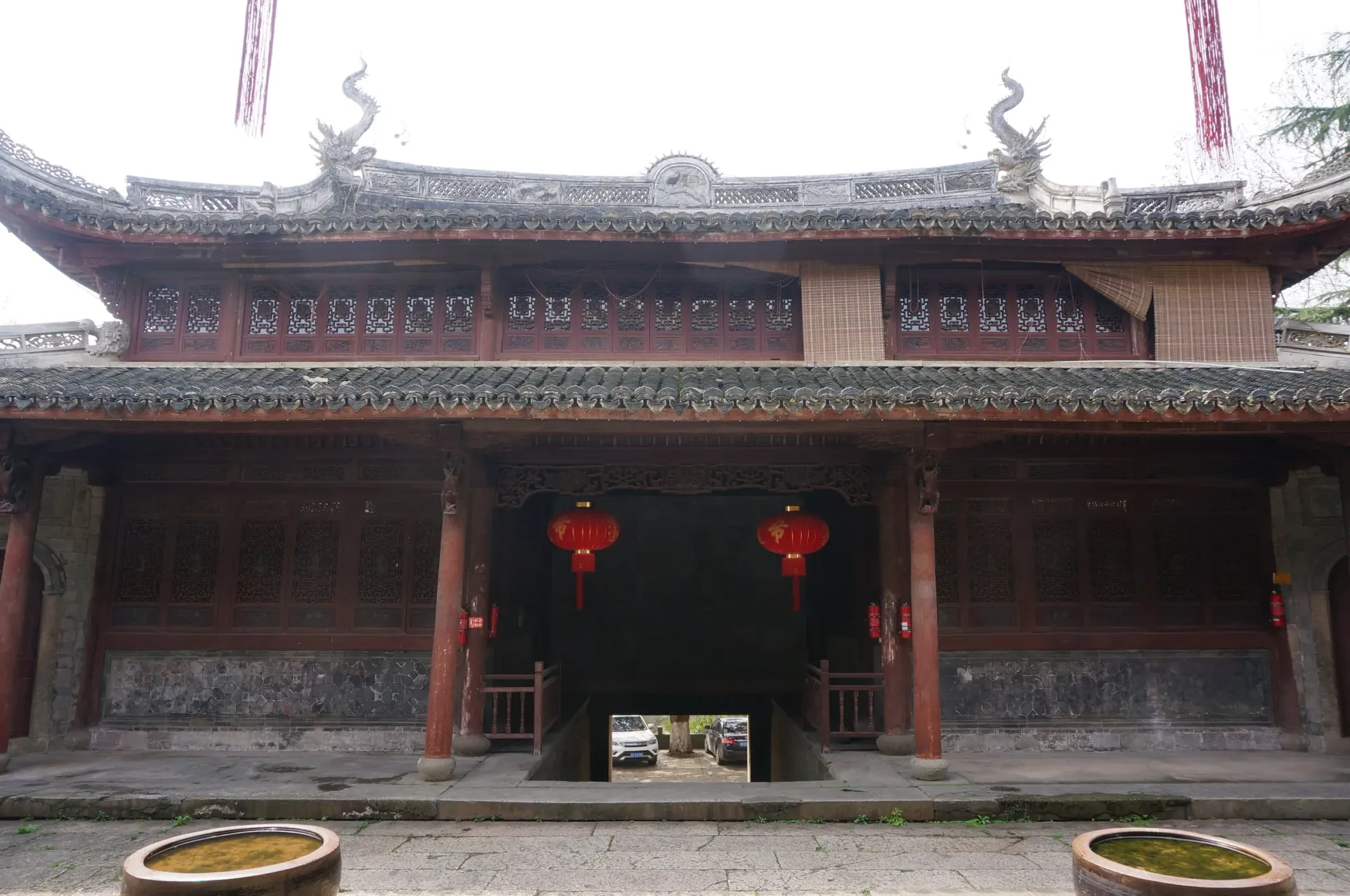
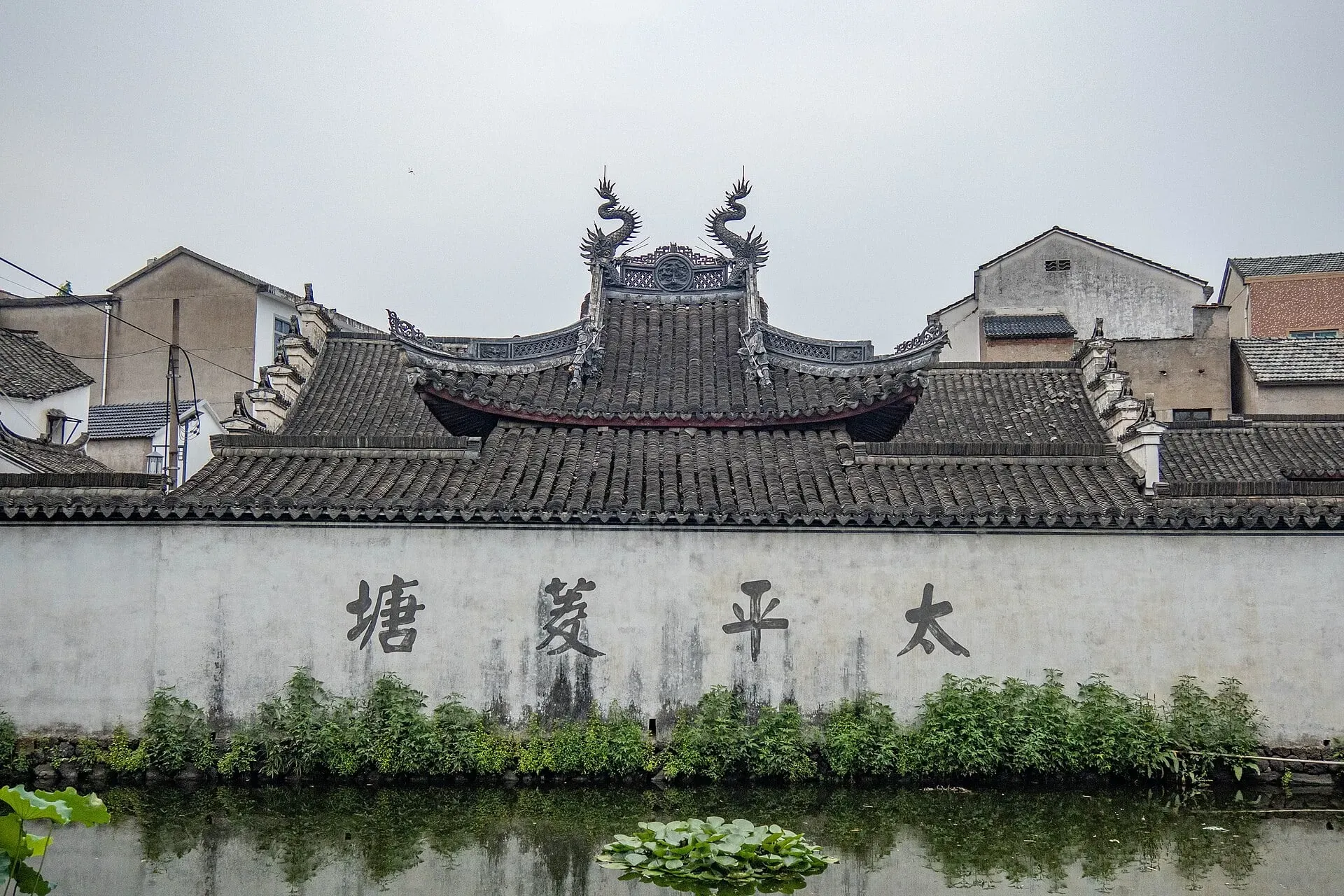
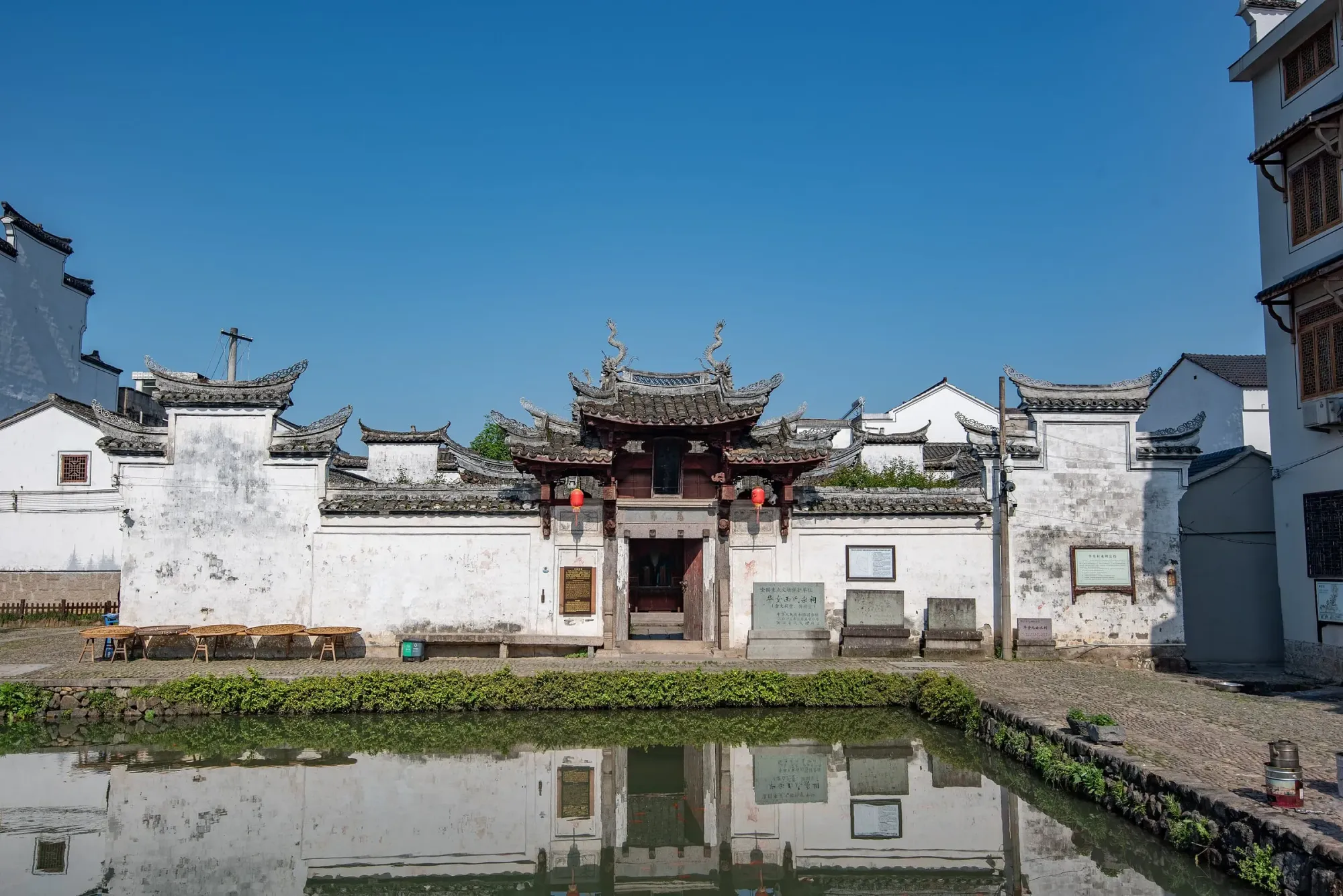
Chongren is about 11 kilometers northwest of central Shengzhou. In the Northern Song dynasty the Qiu family moved here from Kuaiji (today’s Shaoxing) and became the leading local clan. More than two hundred historic buildings survive from the early Ming to the Republic, among them 154 old courtyard houses, along with ancestral halls, an old opera stage, covered overhead passages, ponds and wells. The stage in the Yushan Ancestral Hall is where many early Yue opera performers first appeared, and it still hosts performances on weekends. More in our guide to Chongren.
Dongwang and Shijia’ao villages
Dongwang Village in Ganlin is where Yue opera was first performed on a stage, in 1906. Nearby Shijia’ao Village is where the first all-female Yue opera school was founded, in 1923, and a “Yue Opera Town” has since been built in the area; in 2023 the Yue Opera Museum moved into a new building there. See The Birthplace of Yue Opera.
Huatang Village and the Jinting Temple
Huatang, an old village in Jinting Town, is where Wang Xizhi’s descendants settled, and many of them still live there. The nearby Jinting Daoist Temple is said to stand on the site of his home, and the hillside behind holds a Tomb of General Wang, though the present tomb dates from the Ming dynasty and whether he truly lies there is debated. See Wang Xizhi in Shengzhou.
The Xiaohuangshan site
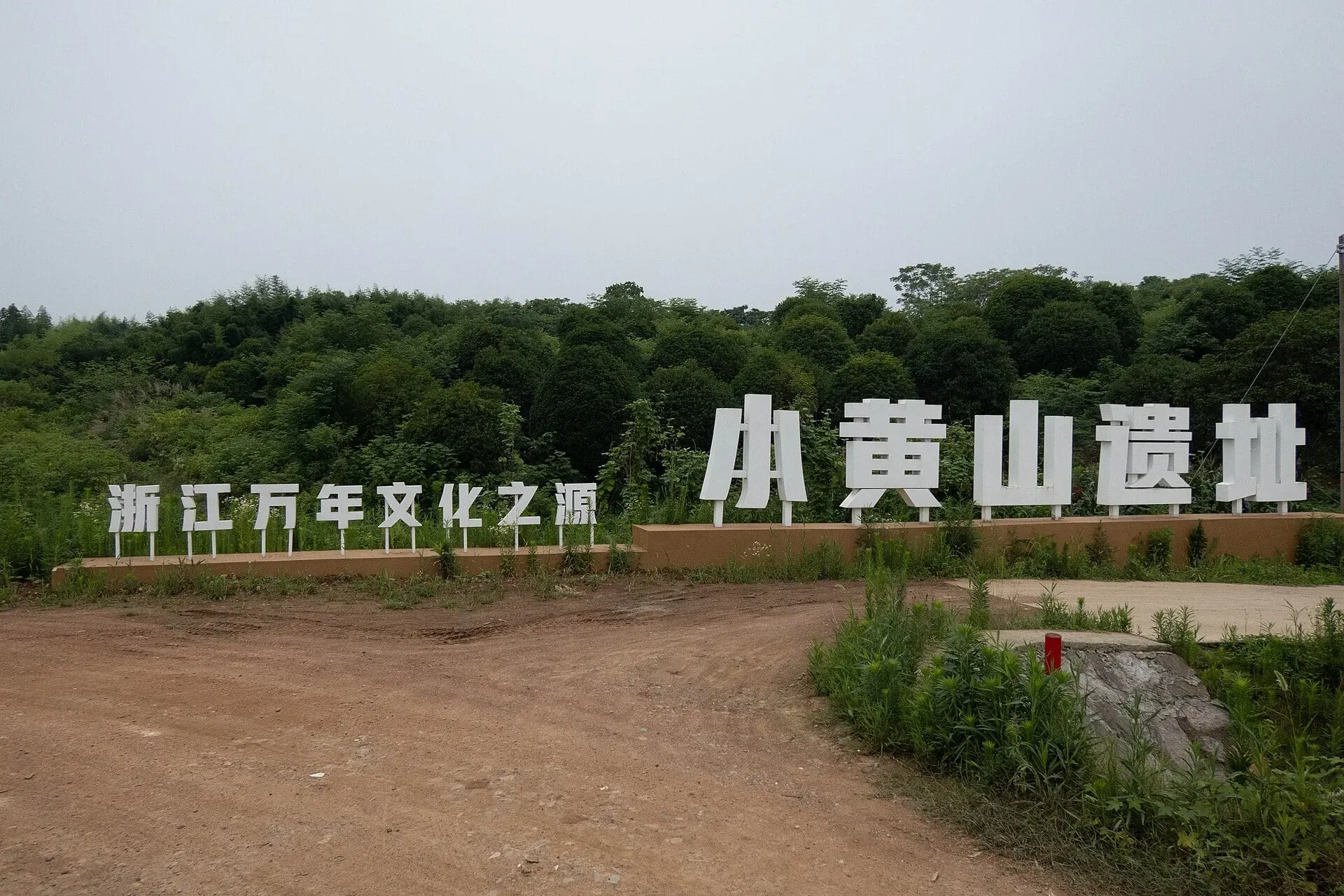
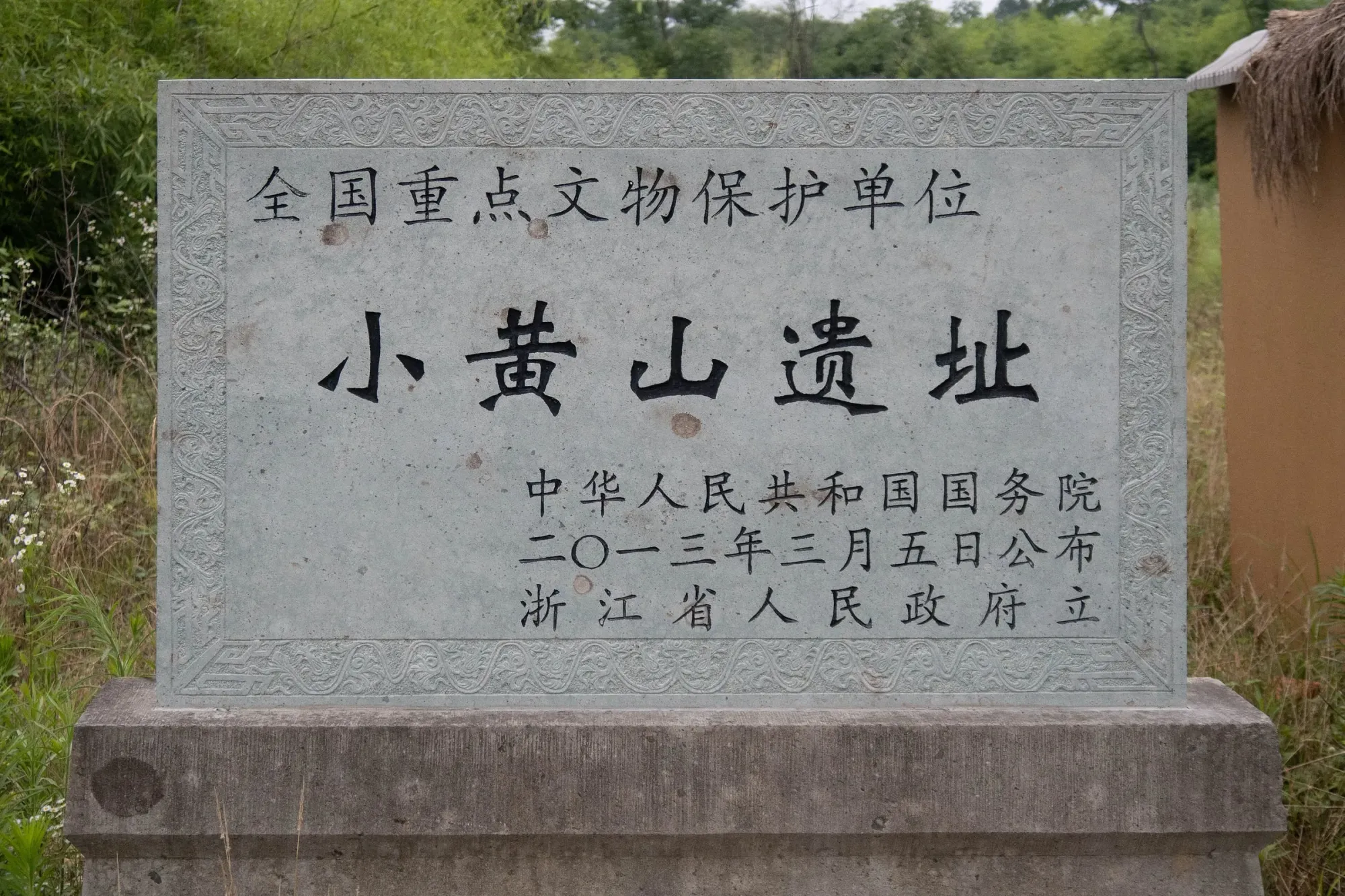
The Xiaohuangshan site in Ganlin was a village about nine thousand years ago, part of the Neolithic Shangshan culture. It was listed as a major national heritage site in 2013. The Shangshan culture is closely tied to the beginnings of rice farming in China, and its sites are on China’s tentative list for UNESCO World Heritage. More in Xiaohuangshan and the Shangshan culture.
The old town
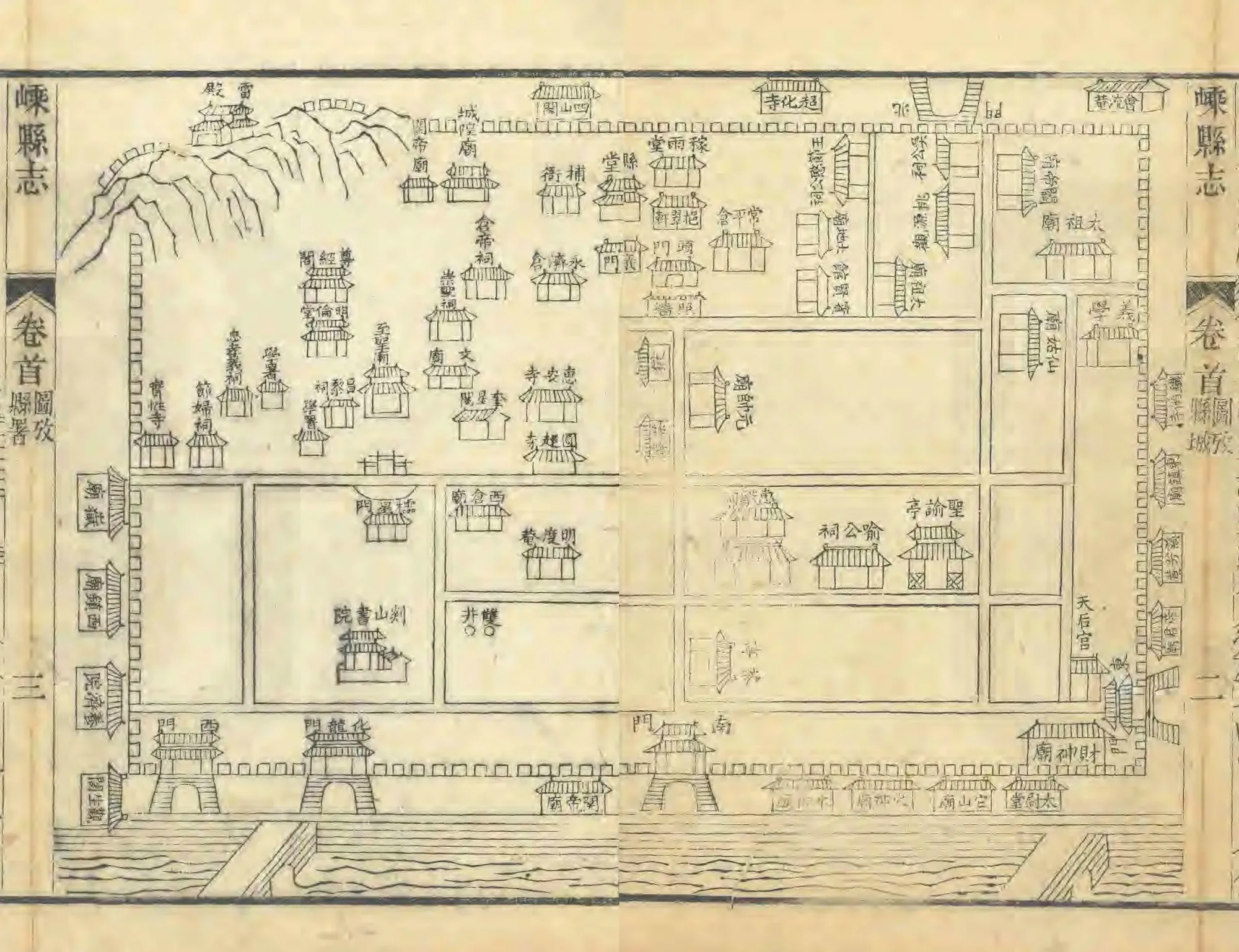
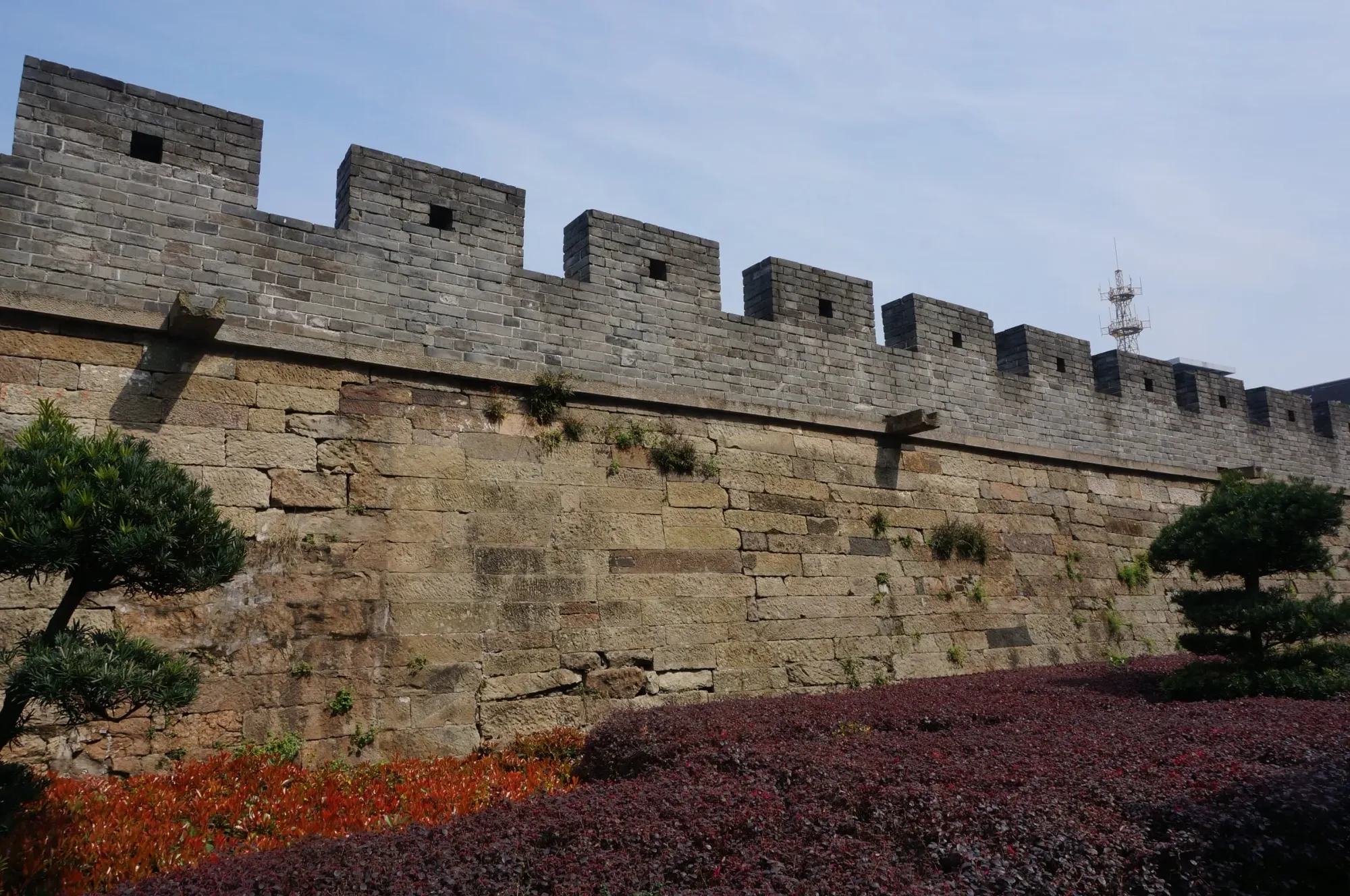
In the old town you can still see a stretch of the Sheng County city wall, around Culture Square where the south gate used to stand, and the county’s Town God Temple.
The Shan stream
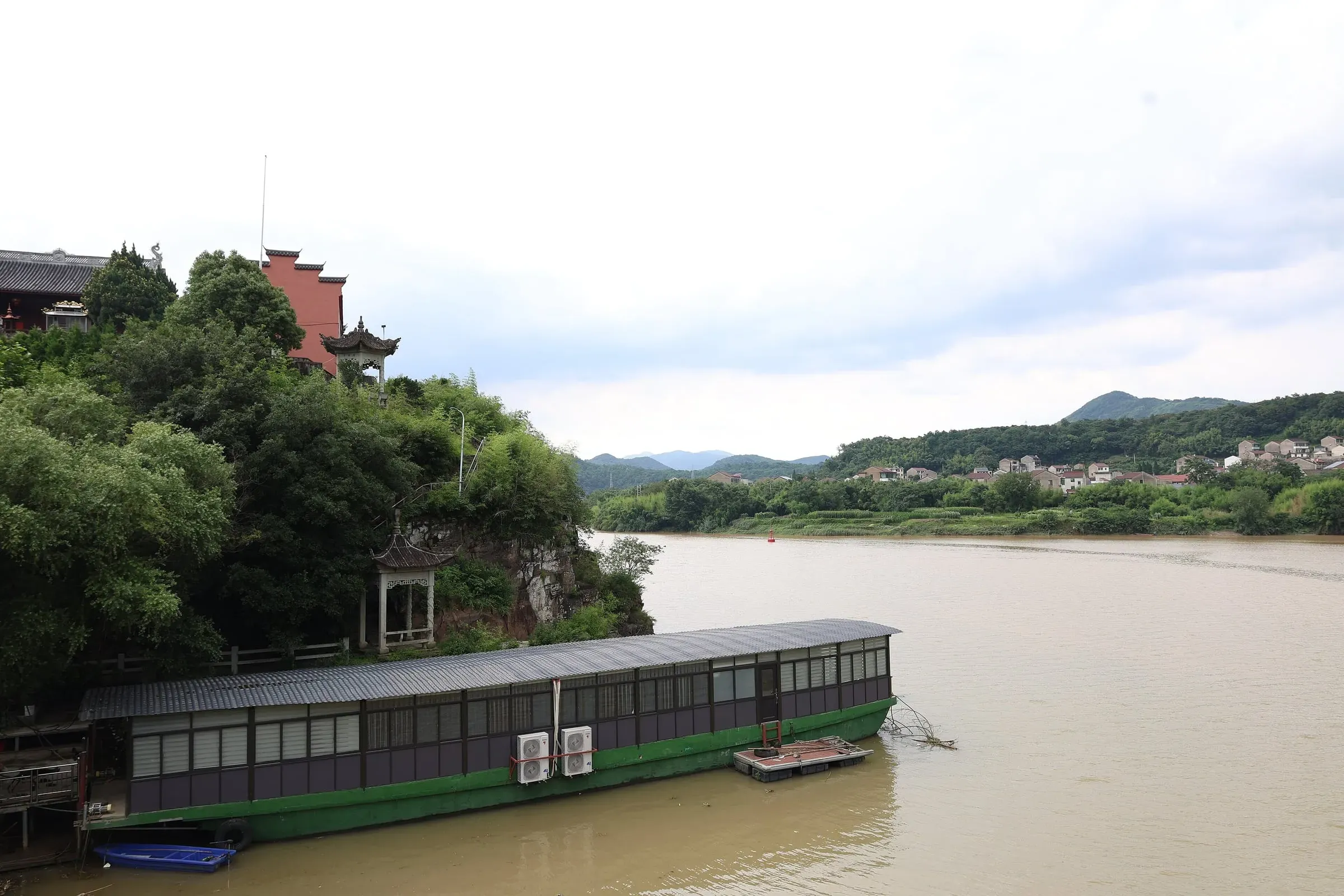
The Shan stream runs right through the city. Walk along its banks and think of the poets who passed this way by boat more than a thousand years ago. To string these places into a one- or two-day trip, see Following the Tang Poets Through Shengzhou.
More photos
All photos