Shengzhou Xiaolongbao
Many of China’s “Hangzhou xiaolongbao” shops trace back to Shengzhou. Raised with an old-dough starter and left open at the top, these buns are not Shanghai’s soup dumplings.
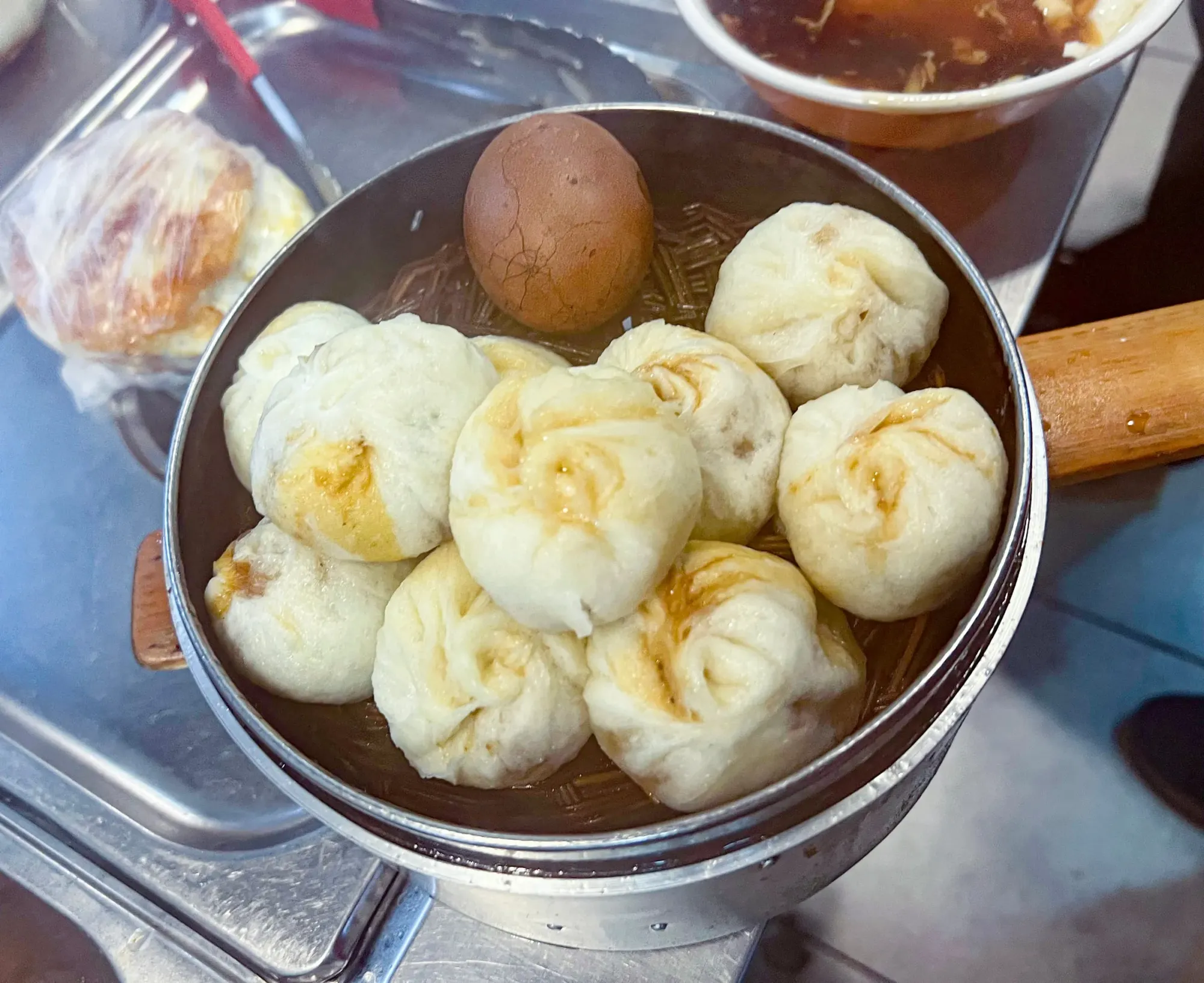
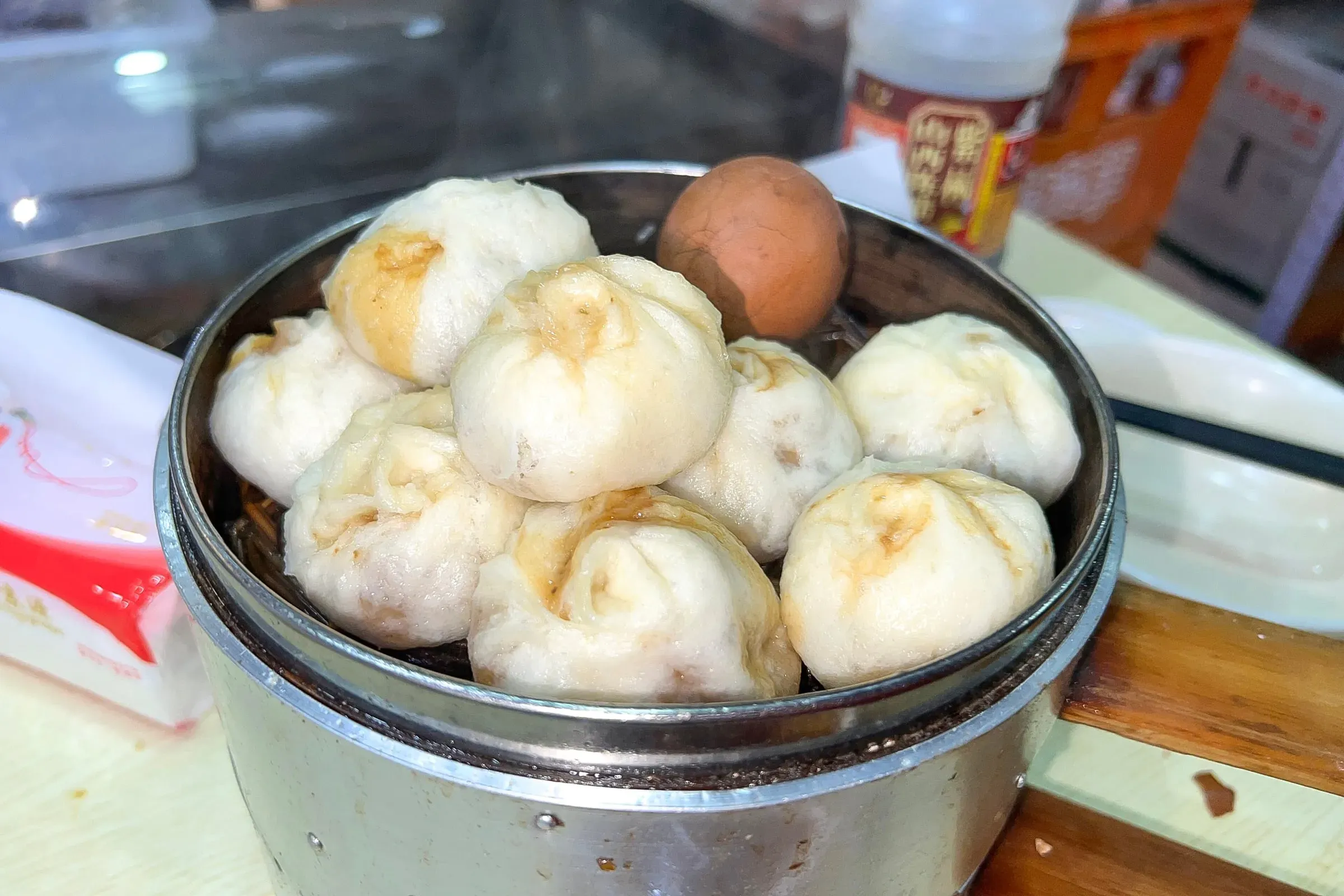
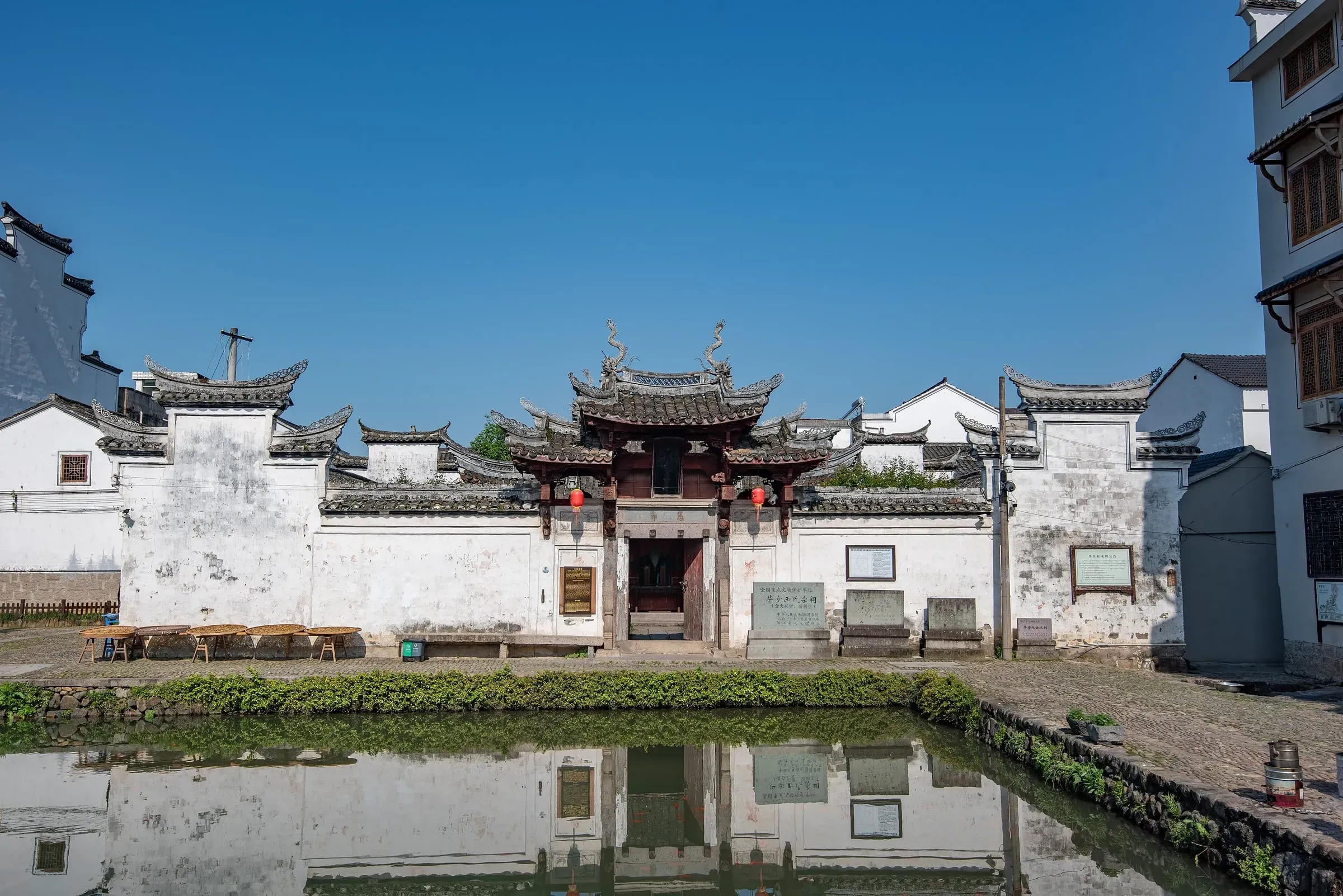
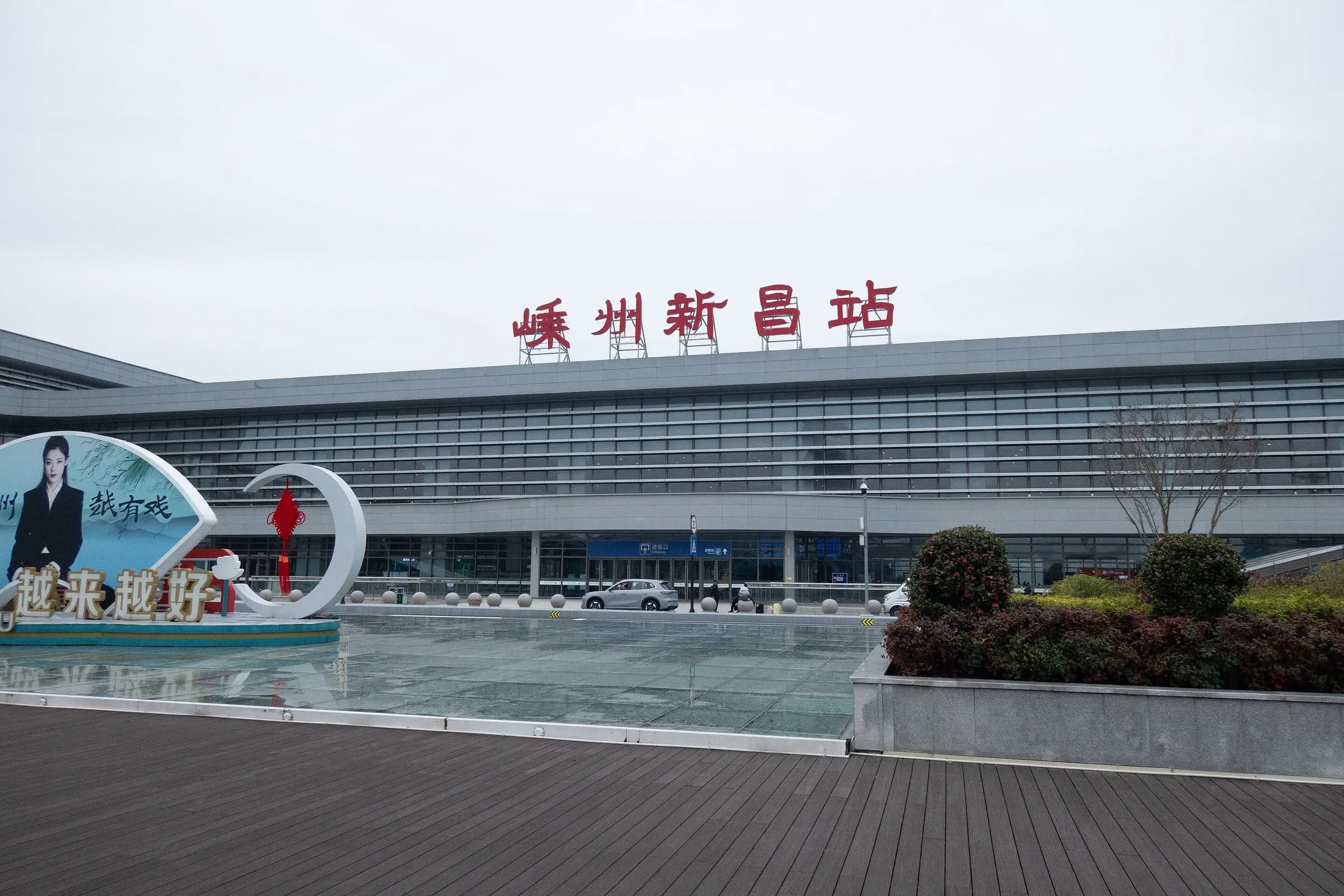
Shengzhou xiaolongbao (嵊州小笼包) are a traditional snack from Shengzhou, Zhejiang: small buns of dough raised with an old-dough starter, filled with pork or tofu, pinched into more than a dozen pleats, left open at the top and steamed. They are small, soft and juicy — the town’s everyday breakfast.
You may have eaten them already. Many of the little shops across China under a “Hangzhou xiaolongbao” (杭州小笼包) sign are run by people from Shengzhou.
Why do the signs say “Hangzhou”?
The story begins around 1985. According to the food publication Flavor Planet (风味星球), which reported from Shengzhou, a farmer named Tu Fuyuan from Yuxi Village failed at beekeeping and fell 2,400 yuan into debt — a fortune at the time. He and his wife left to make a living in Tongren, Guizhou, where a pastry cook who had moved there from the north taught them to make buns and sell them for breakfast. Two years later the couple had paid off the debt and built the first three-storey house in their village.
Neighbors wanted to learn, and Tu taught them everything he knew. Through the 1990s, people from Shengzhou took the craft all over China. As China Daily tells it, the owner of the first shop thought Shengzhou was too little known, so he put Hangzhou on his sign — and the people from Shengzhou who followed did the same. Over time, “Hangzhou xiaolongbao” became almost another name for Shengzhou xiaolongbao.
In Shengzhou itself you won’t see the words “Hangzhou xiaolongbao.” In 2018 the city began a nationwide campaign to bring its people’s shops back under one “Shengzhou Snacks” sign; in November 2024 it launched a Shengzhou xiaolongbao logo and industry standards in Beijing, and it is registering a single trademark.
How are they different from Shanghai xiaolongbao?
Say “xiaolongbao” and most people picture the soup dumplings of Nanxiang, near Shanghai. The two are made in different ways.
Nanxiang xiaolongbao use unleavened dough, and the filling is mixed with aspic made from pork skin, which melts into soup as they steam — hence the rule “open a little window, then sip the soup.” The soul of a Shengzhou xiaolongbao is its old-dough starter. Families keep their own, and the dough rises slowly: a survey by the team drafting the local standards found workshops fermenting it for anywhere from 8 to 15 hours. The steamed wrapper comes out soft yet springy.
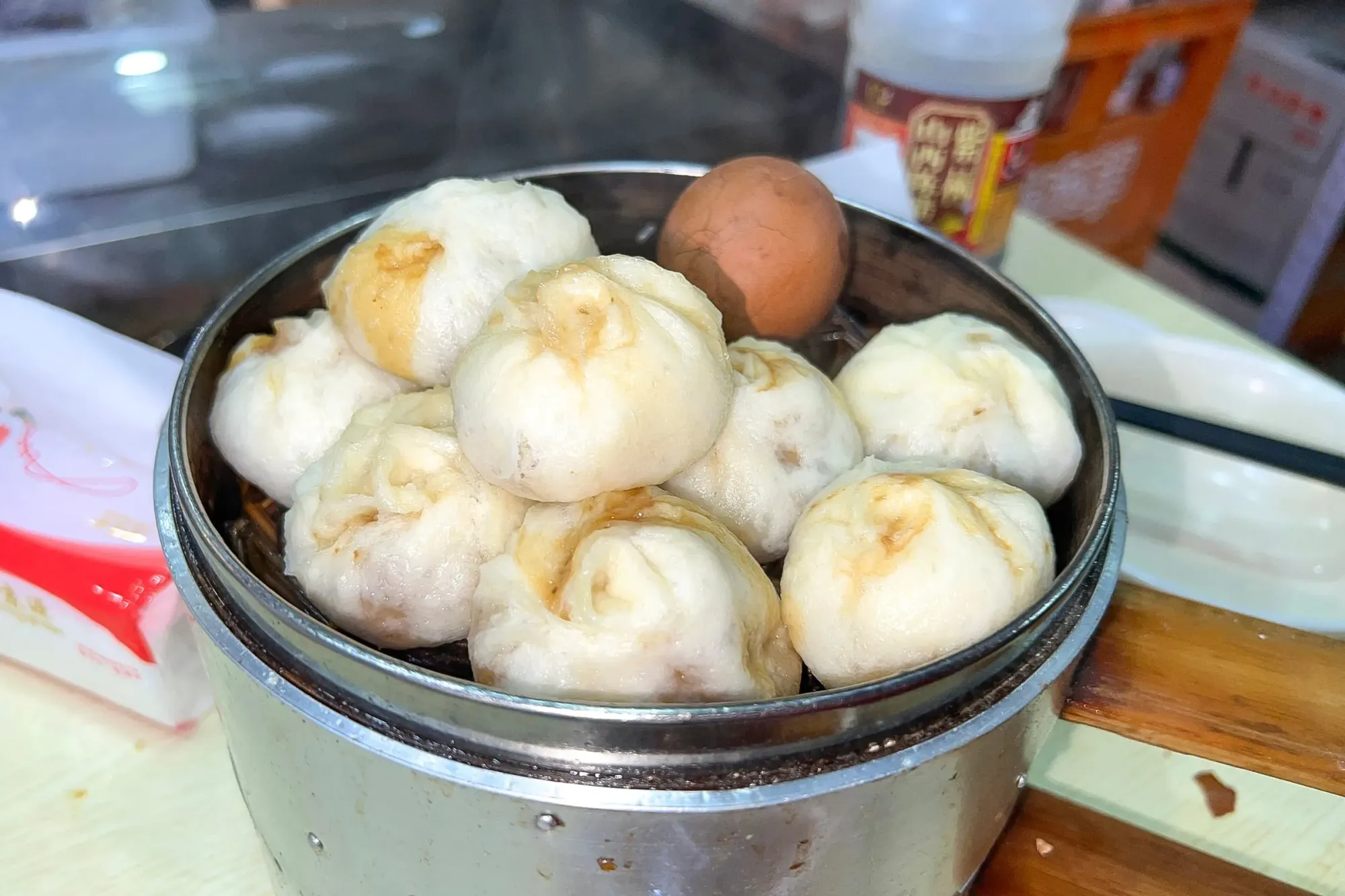
The opening on top is called the “carp mouth” (鲤鱼口). Under the local standard, a proper bun weighs 25 grams, has 18 pleats and a carp mouth about a centimeter wide. Lift the steamer lid and the steam pours out through the openings; bite in, and the bun is soft and juicy.
Tofu mantou: a Shengzhou original
Even more local than the pork buns is the tofu mantou (豆腐馒头). In Shengzhou any filled bun is called a mantou; elsewhere these are usually sold as tofu xiaolongbao or tofu buns. The wrapper is nothing like the leavened buns found elsewhere: it is rolled very thin, like a dumpling skin, around a filling of silken tofu with a little minced pork and garlicky chili. There is less soup than in a Nanxiang dumpling, but the filling is wonderfully soft and smooth.
Flavor Planet traces tofu mantou to Huangze, a town in Shengzhou, where they took off in the early 2000s before spreading all over the city. Some are steamed and some pan-fried: half-steamed, moved to an iron griddle and finished with beaten egg until the bottoms turn golden — soft on top, crisp underneath.
Locals say tofu doesn’t travel: away from Shengzhou’s water and soil, the tofu is never quite the same. So the best tofu mantou are still the ones you eat in Shengzhou.
What Shengzhou calls a bun
Before you order breakfast in Shengzhou, a few words worth knowing (from Flavor Planet’s reporting in town):
- Fresh pork small buns (鲜肉小包): the xiaolongbao known everywhere else, eight to a basket.
- Fresh pork big buns (鲜肉大包): larger pork buns, six to a basket.
- Mantou (馒头): in Shengzhou, any filled bun — pork mantou, vegetable mantou, and the thin-skinned tofu mantou (豆腐馒头). A plain one is a “bland mantou” (淡馒头).
- Tangbao (汤包): not Shanghai’s soup dumplings but tiny wontons cooked in broth; the best come with a duck egg.
From one bun to a ¥10-billion industry
According to China News Service, by the end of 2023 people from Shengzhou ran 28,000 snack shops outside the city, with 73,000 people in the trade and output of more than 11 billion yuan. By 2025 there were more than 30,000 shops and over 80,000 people in the trade — an industry worth about 14 billion yuan.
In Shengzhou itself, more than fifty companies focus on frozen xiaolongbao, together worth about 5 billion yuan a year. Machines can mix the dough and weigh the filling, but the pleats are still pinched by hand: the starter-raised dough is so elastic that it sticks in machines.
The craft keeps spreading. The Shengzhou Farmers’ Training School has taught more than ten thousand bun makers, whose signature skill is holding eighteen wrappers in one hand.
Going abroad
On June 1, 2025, the Shengzhou xiaolongbao brand Shanweimian (剡为面) opened its first US shop, NeZha Dumpling, in Pasadena near Los Angeles. That October, KFC launched leavened xiaolongbao across China with the Shengzhou brand Sheng Xiaolong (嵊小笼).
Heritage and standards
In 2023 the craft of making Shengzhou xiaolongbao was added to Zhejiang’s sixth list of provincial intangible cultural heritage. The same year, Shengzhou’s starter-raised xiaolongbao was named one of the ten best buns in the province’s “Tasty Zhejiang” snack contest.
Shengzhou is now drafting a full set of standards for the trade — nearly forty in all, from handmade buns and frozen production to how the shops are run.
Eating them in Shengzhou
In Shengzhou, xiaolongbao are breakfast. Bun shops open early, and many close by two in the afternoon. Order a basket of pork buns or tofu mantou and eat them hot, with vinegar or chili sauce as you like. If you want something brothy on the side, try a bowl of Shengzhou tangbao. For the town’s other snacks, see Shengzhou Snacks and Shengzhou Fried Rice Cakes.
Questions & answers
Are Shengzhou xiaolongbao the same as “Hangzhou xiaolongbao”?
Often, yes. From the 1980s and 1990s, people from Shengzhou opened bun shops all over China and, because Hangzhou was better known, often put “Hangzhou xiaolongbao” on the sign. In Shengzhou itself you won’t see those words.
Are Shengzhou xiaolongbao soup dumplings?
No. Shanghai’s Nanxiang dumplings use thin unleavened dough with aspic in the filling, so you bite into a mouthful of soup. Shengzhou xiaolongbao are small leavened buns, soft and juicy, raised with an old-dough starter. And in Shengzhou, tangbao (汤包, “soup buns”) means tiny wontons cooked in broth.
What is the “tofu mantou” people in Shengzhou talk about?
It is what other places call tofu xiaolongbao or tofu buns — a very thin wrapper around a filling of silken tofu with a little minced pork. In Shengzhou, any filled bun is called a mantou.
Why is there an opening on top?
It is called the “carp mouth” and is about a centimeter wide. Makers say it lets steam in evenly, so the bun cooks through and the flavors of dough and filling blend.
Is Shengzhou xiaolongbao intangible cultural heritage?
Yes. In 2023 the craft of making Shengzhou xiaolongbao was added to Zhejiang’s sixth list of provincial intangible cultural heritage.
How many Shengzhou snack shops are there?
As of 2025, more than 30,000 Shengzhou snack shops across China, over 80,000 people in the trade, and an industry worth about 14 billion yuan.
Can I find them outside China?
Increasingly. In June 2025 the Shengzhou brand Shanweimian (剡为面) opened its first US shop in Pasadena, near Los Angeles, and frozen Shengzhou buns are exported to Vietnam, Cambodia and elsewhere.
Sources
- 非遗技艺赋能早餐市场:肯德基推出“K 记发面小笼包” · 新华网,2025 年 10 月 21 日
- 这只包子凭啥 20 分钟卖 1400 万元? · 央视网(光明网转载),2026 年 9 月 20 日
- 人这一辈子,一定要去一趟嵊州! · 中新社,2026 年 1 月 6 日
- 百余种嵊州小吃飘香海内外 · 中国新闻网(凤凰网转载),2024 年 3 月 14 日
- 嵊州小笼包的出海雄心 · 潮新闻,2025 年 7 月 6 日
- 嵊州市委书记讲嵊州小吃:“大嵊归来”全国统标工程 · 澎湃新闻(腾讯新闻转载),2026 年 4 月 18 日
- City of steamed buns · China Daily, January 28, 2025
- 2024 中国(嵊州)小笼包品牌发布暨小吃产业发展大会 · 中国日报网,2024 年 11 月 5 日
- 《嵊州小吃 速冻小笼包产业标准体系建设指南》编制说明 · 浙江省计量与标准化学会,2025 年 6 月
- 中国最“难吃”的菜系,却承包了每个城市的早餐? · 风味星球(虎嗅转载),2025 年 5 月 20 日
- 南翔馒头小考 · 澎湃新闻
- Xiaolongbao: A small dumpling with a big story · Shanghai Municipal Government, March 16, 2026