Ciwu Beaten Noodles
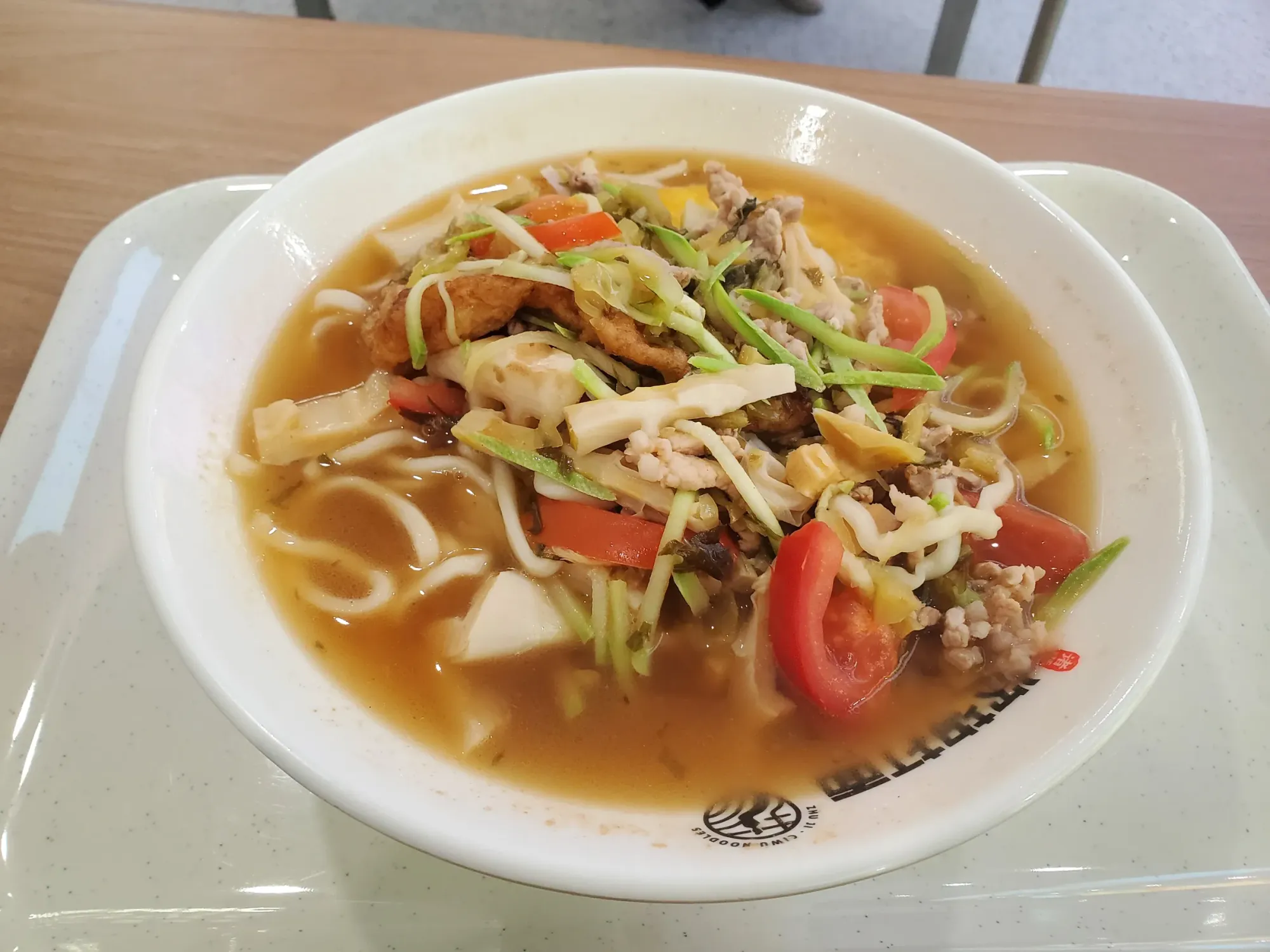
Ciwu noodles are the classic noodle of Zhuji, from Ciwu, its northernmost town. The dough is beaten with a wooden pole more than a meter long for two or three hours, and every bowl is cooked on its own, with its topping stir-fried fresh. The craft joined Shaoxing’s intangible heritage list in 2020, and a shared brand was launched in 2019; the shops now reach well beyond Zhejiang.
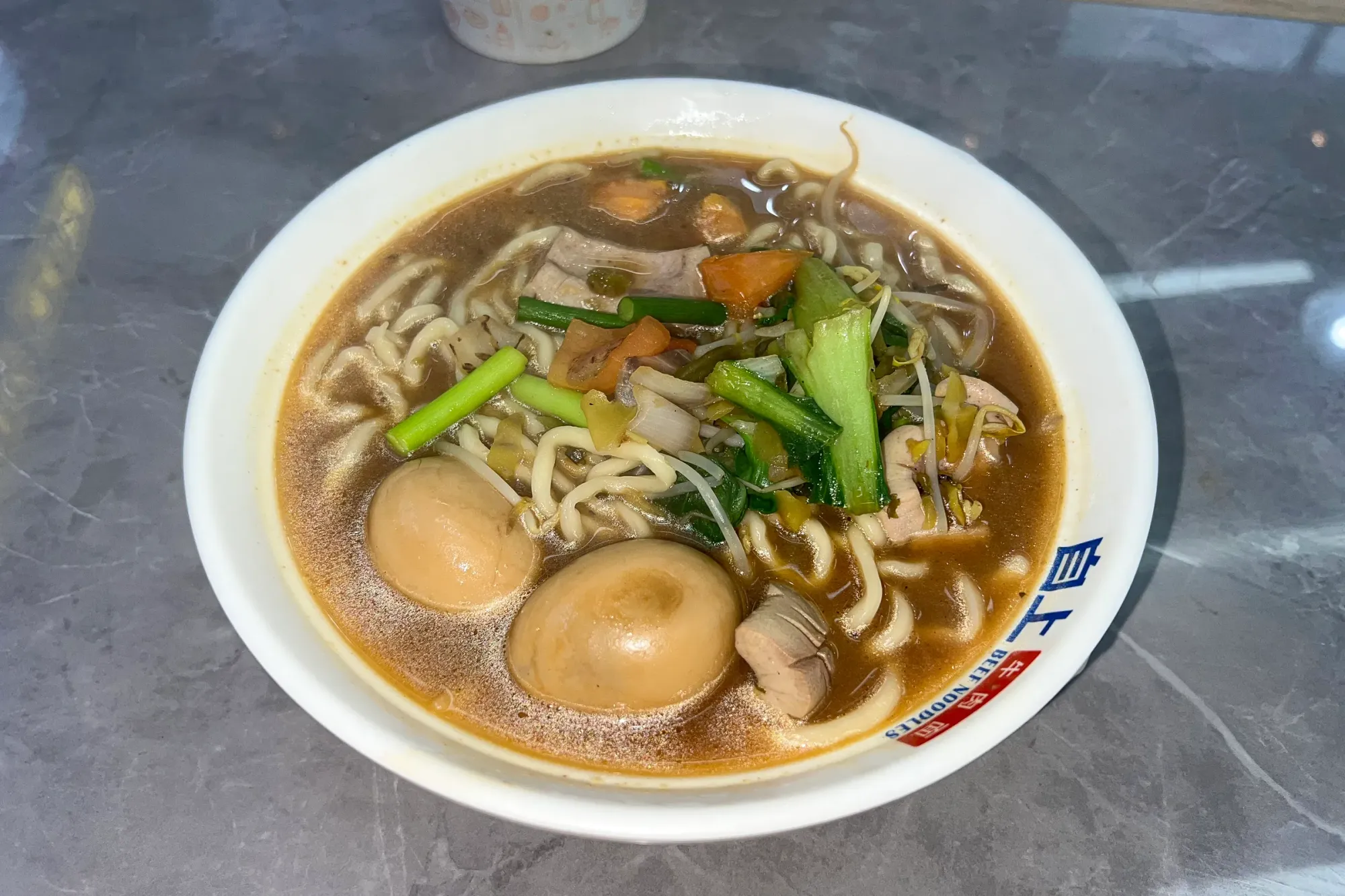
In Zhuji, noodles are serious business: beaten noodles, dry noodles, “live” noodles, each with its own school. The best known of them all — the “big brother,” as Chao News put it in 2025 — is the beaten noodle of Ciwu.
Where Ciwu is
Ciwu is the northernmost town in Zhuji; Wikipedia gives its area as 97.2 square kilometers and its population as nearly 40,000. According to Zhuji’s broadcasting station in 2018, the noodle shop on Ciwu’s old street was the first in town; its owner, Yu Xianyou, took it over from his father’s generation at 27, and when the reporters came by, the sound of beating dough was ringing out before dawn. Since the economic reforms, enterprising people from Ciwu have carried their noodles all over China, opening shops everywhere, some of them as chains.

It is all in the beating
The secret of Ciwu noodles, the Hangzhou paper Dushi Kuaibao explained in 2023, is in the word da, to beat. Once the dough is mixed, the noodle maker works it with a wooden pole more than a meter long and four or five centimeters thick, bouncing up and down on it for two or three hours until the dough turns springy; then it is folded and cut into noodles. It is heavy work: a noodle maker can beat 35 to 40 kilograms of dough a day, and even the strongest no more than 50 to 100.
The Zhuji government’s news office, describing the craft in 2020, lists more rules: dough neither too wet nor too dry; pickled mustard greens fresh from the vat, golden and fresh; lard rendered in the shop’s own kitchen; lean pork from a leg butchered that day; and not too much broth in the pan — half soup, half dry is best.
One bowl, one cooking
These are not fine noodles, so how do they take on so much flavor? The trick is yi wan yi shao, “one bowl, one cooking”: the topping is stir-fried fresh and the noodles are cooked with it for about a minute and a half, so the reduced broth clings to every strand. Each bowl is cooked on its own, never in a batch, says the Zhuji government’s account, which is why the noodles taste fresh and rich without being greasy.
Toppings
The toppings change with the season and the place: bamboo shoots in spring, shrimp in autumn; more seafood in Wenzhou, more meat in Anhui. The most local is a bowl of sanxian, “three delicacies,” noodles. In 2021 the basketball star Yao Ming walked into the Ciwu noodle flagship shop at the Xi Shi’s Hometown scenic area, ordered the house sanxian noodles, followed them with a bowl of shrimp and stir-fried eel, and took several more away with him.
From the old street to the whole country
According to Zhuji’s broadcasting station, Ciwu has held four Ciwu noodle festivals and named its “ten best Ciwu noodle shops,” and one noodle chain registered in 2014 had opened more than 130 shops by 2018.
In November 2019 a shared brand, “Zhuji Ciwu Noodles,” was launched at the Xi Shi’s Hometown scenic area, with a logo and industry standards, and the first flagship shop opened there. According to Zhejiang Online, Zhuji had already issued a plan for the industry that set eight common standards — for the brand’s look, the method, the premises, training, marketing and more — and put 10 million yuan into a fund: a one-off grant of 200,000 yuan for each flagship shop and 30,000 to 50,000 for each model shop. Nearly two hundred shops in and outside Zhuji had already applied for model status.
In 2020 the craft of making Ciwu noodles joined Shaoxing’s seventh list of intangible cultural heritage. Dushi Kuaibao reported in 2023 that Zhuji alone was said to have more than a thousand Ciwu noodle shops, and the whole country over two thousand. As Chao News noted in 2025, the noodles were once scattered through village lanes, and it took policy support, branding, partnerships and training in recent years to make them Zhuji’s best-known snack.
Zhuji’s other noodles
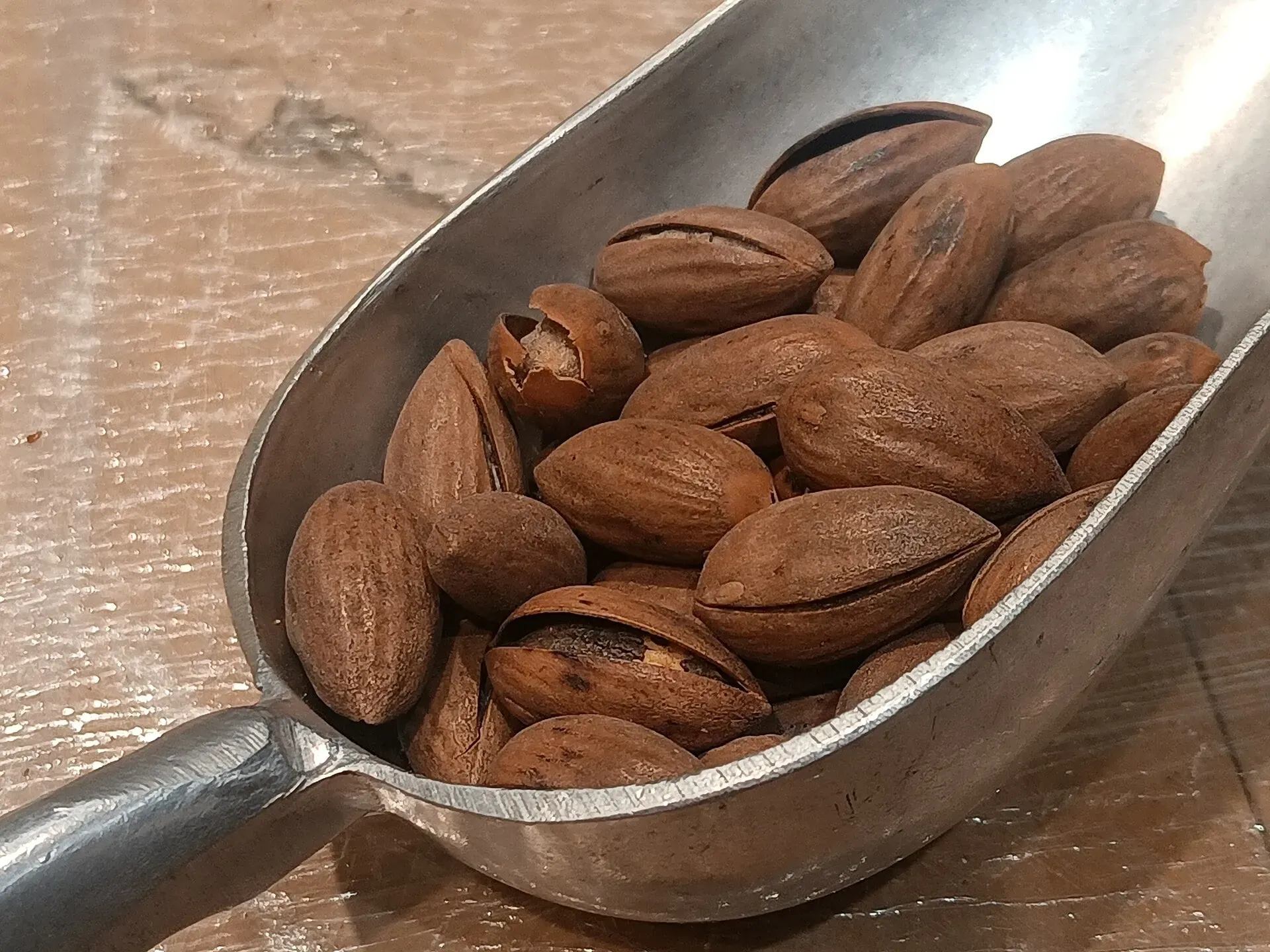
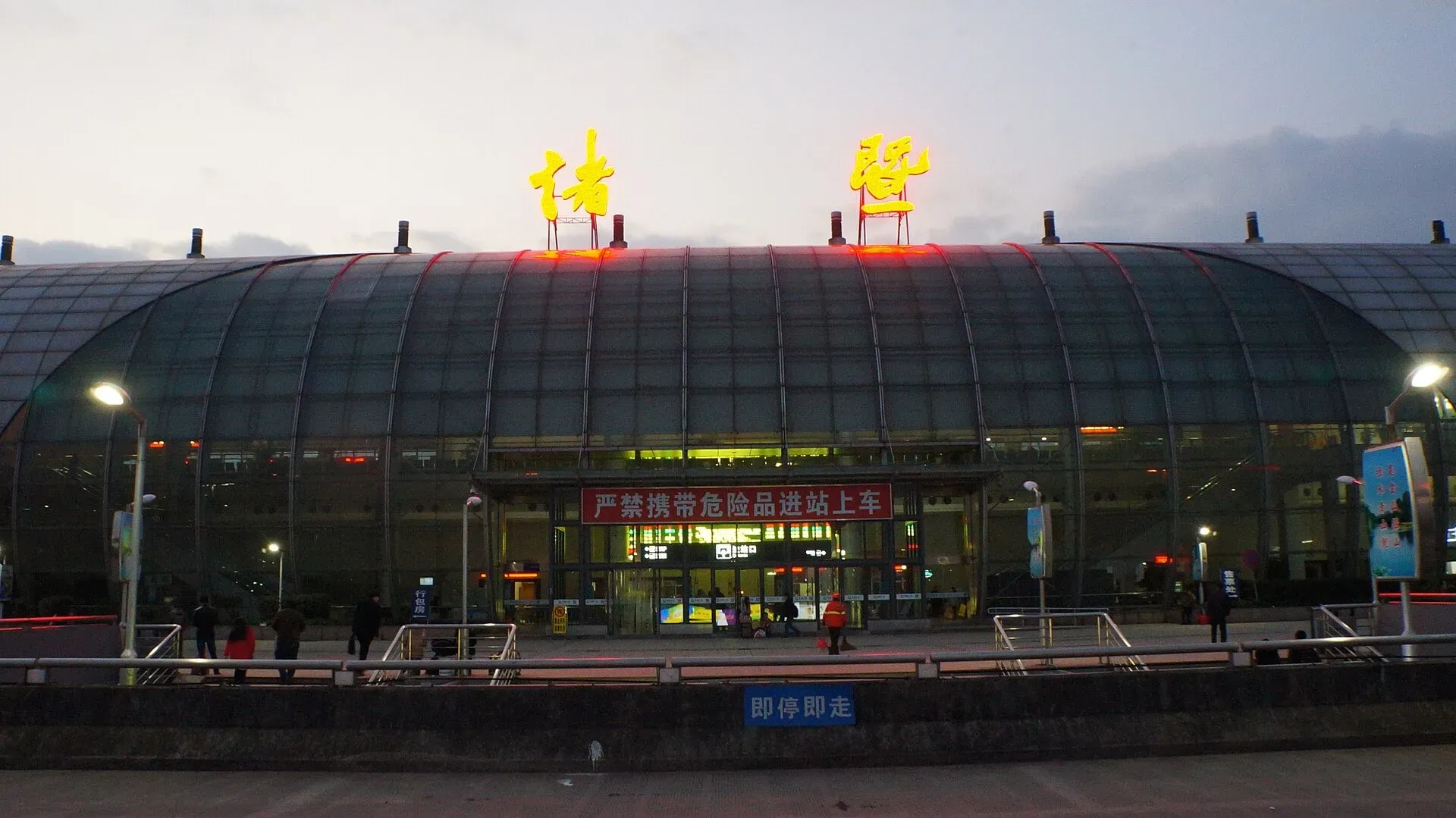
Zhuji has more noodles than Ciwu’s. Chao News lists eel noodles and pian’erchuan from Fengqiao, springy noodles from Caota, fish noodles from Anhua and longevity noodles from Majian. Zhuji also grows torreya nuts and pearls — see Torreya Nuts and Zhuji Pearls — and for the journey, see Getting to Zhuji.
Questions & answers
Why are they called beaten noodles?
It is all in the da, the beating. Once the dough is mixed, the noodle maker beats it with a wooden pole more than a meter long and four or five centimeters thick, bouncing up and down for two or three hours until it turns springy, then folds it and cuts it into noodles. It is heavy work; one noodle maker can beat 35 to 40 kilograms of dough a day.
Where is Ciwu?
Ciwu is the northernmost town in Zhuji, covering 97.2 square kilometers with nearly 40,000 people, according to Wikipedia. Ciwu noodle shops are now all over Zhuji and well beyond it, so you need not go to Ciwu itself.
What does “one bowl, one cooking” mean?
The topping is stir-fried fresh and the noodles are cooked with it, in about a minute and a half; every bowl is cooked on its own, never in a batch. The reduced broth clings to the noodles, which is why they taste so rich.
What toppings are there?
They change with the season and the place — bamboo shoots in spring, shrimp in autumn, more seafood in Wenzhou, more meat in Anhui. The most local is sanxian, “three delicacies,” noodles. The traditional rules also call for pickled mustard greens fresh from the vat, home-rendered lard and pork from a leg butchered that day.
How old are Ciwu noodles?
Accounts differ, and they are legends. Zhuji’s broadcasting station said in 2018 that the noodles are more than six hundred years old, and that the first Ming emperor, Zhu Yuanzhang, ate them on campaign in Zhuji and could not stop praising them; a 2020 account from the Zhuji government’s news office has him “dismounting at the smell and halting his carriage at the taste.” We have found no historical record to back any of it.
Sources
- 英文为本站翻译。
- 一年利润3900万!诸暨这碗面不得了 · 浙江在线(诸暨市广播电视台),2018 年 7 月 31 日
- 统一工艺统一标示 “诸暨次坞打面”开启品牌化运作 · 浙江在线,2019 年 11 月 8 日
- 诸暨6个项目入选第七批绍兴市非遗项目名录 · 诸暨发布(澎湃号),2020 年 4 月 8 日
- 小伙诸暨街头偶遇姚明 直夸次坞打面好吃姚明连吃两碗 · 浙江在线,2021 年 5 月 3 日
- 在浙江吃面究竟有多少花样?你家乡的特色面条是什么样?· 杭州网(都市快报),2023 年 7 月 1 日
- 打面、干面、活面……香迷糊了,快来诸暨会“面”吧!· 潮新闻,2025 年 3 月 13 日
- 次坞镇 · 维基百科