Zaogeng and Danqing Yangwei
Linhai celebrates the Lantern Festival a day early. On the fourteenth night of the first month every household stirs up a pot of zaogeng, a dozen ingredients diced small and thickened with rice flour into a hearty soup. On Ziyang Street you can also get danqing yangwei fried to order — whipped egg white wrapped around red bean paste, puffed and golden. Both are on Zhejiang’s list of the hundred best rural snacks.
Everywhere else the Lantern Festival falls on the fifteenth of the first month; Linhai celebrates it on the fourteenth. On that evening, according to the Zhejiang news site Chao News, every household in every street is busy at the stove, and the air smells of vegetables and rice-flour batter: they are stirring zaogeng. The soup is on Linhai’s list of intangible cultural heritage.
A bowl of zaogeng on the fourteenth night
Traditional zaogeng is savory, and the idea is to bring “a hundred things together”: a dozen or more ingredients, all cut into centimeter cubes — pork, winter bamboo shoots, shiitake, pressed tofu, fried tofu puffs, broad beans, mustard greens, taro, bean noodles and more, with razor clams, oysters or shrimp in better-off homes. Everything is stir-fried until half done, simmered in water, and then a rice-flour slurry is poured in and stirred steadily in one direction until the soup is thick and fragrant, before a final seasoning of salt. Taizhou’s official news account describes mustard greens as the main vegetable, with local sausage and salt pork for depth — warming and full of flavor.
Old Linhai hands have their own way of eating it: no spoon, just chopsticks, or both hands around the bowl, turning it as they drink.
On the fifteenth, Linhai eats a second, sweet bowl — first the hard times, then the sweet. Sweet zaogeng has rice cake, broad beans, candied orange, raisins and little glutinous rice balls, and used to be thickened with sweet-potato starch.
A Qing dynasty folk verse on the Lantern Festival runs: “In Taizhou the fourteenth is the Lantern Festival; bowl after bowl of zaogeng, seasoned with clams.” Children used to go from door to door with their bowls, begging zaogeng from the neighbors; a child who had tasted soup from a hundred homes, the old folks said, would grow up clever and safe.
Why the fourteenth?
Why does Linhai celebrate a day early? Stories differ, and they are only stories.
Chao News cites a regional gazetteer of Taizhou: in the early Tang, the prefect Yuchi Liao was ordered to build the walls of Taizhou, and work began on the fourteenth of the first month. That night brought wind and snow, and the soldiers building the wall were cold and hungry. Townspeople wanted to send them food and wine, but alcohol was forbidden in the army. An old man found a way: he used new wine still on its lees in place of water, added shredded pork, bamboo shoots, mushrooms and fried tofu, and thickened it with rice flour into a hot soup. Fortified, the soldiers finished the wall in no time, and Linhai moved its Lantern Festival to the fourteenth in memory, keeping the custom of eating the soup ever since.
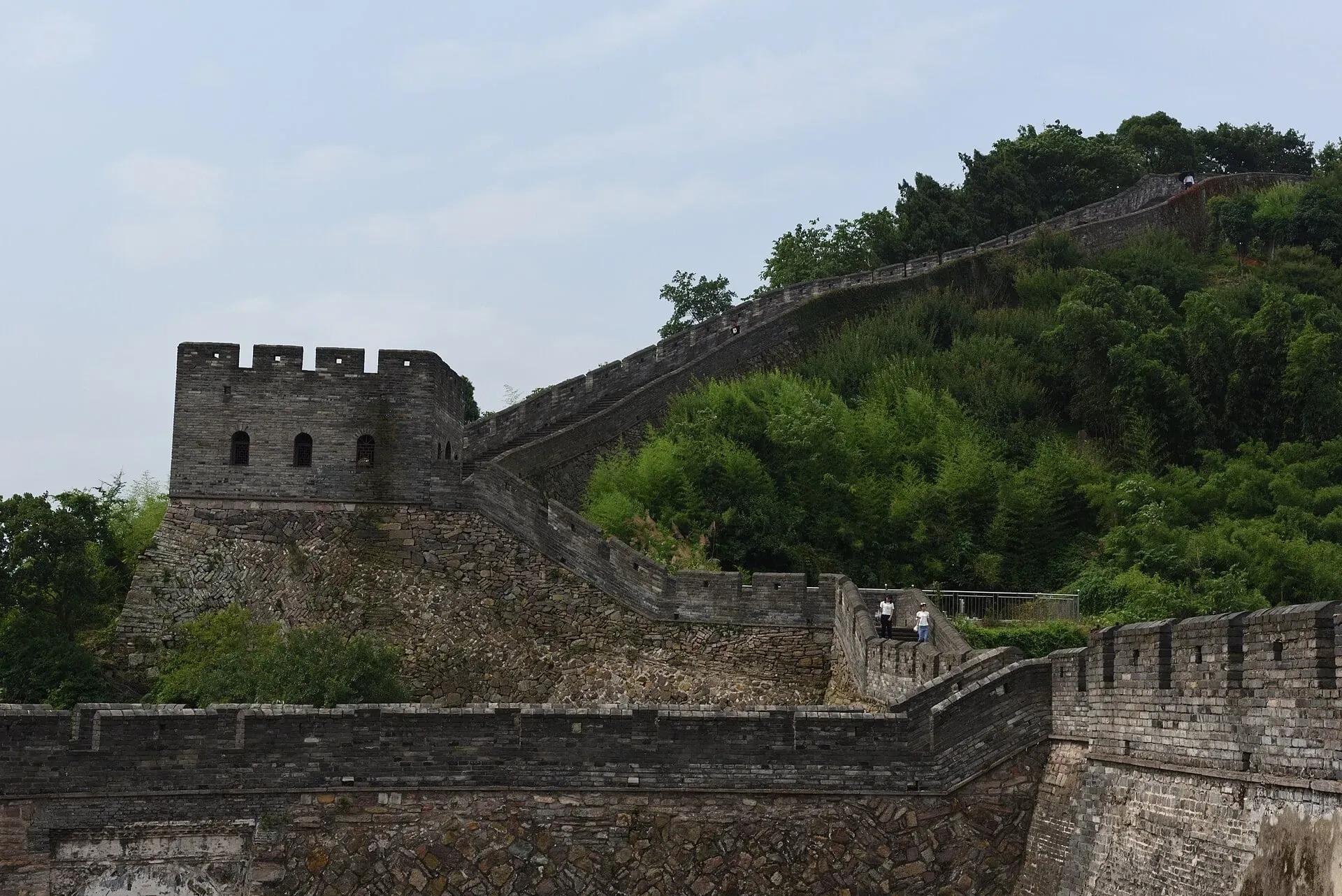
Another version involves Qi Jiguang. When pirates raided the Taizhou coast in the Ming, he garrisoned Linhai, and the townspeople, following the Tang example, cooked zaogeng for his troops. For Qi Jiguang and the city wall, see the Taizhou City Wall.
Danqing yangwei
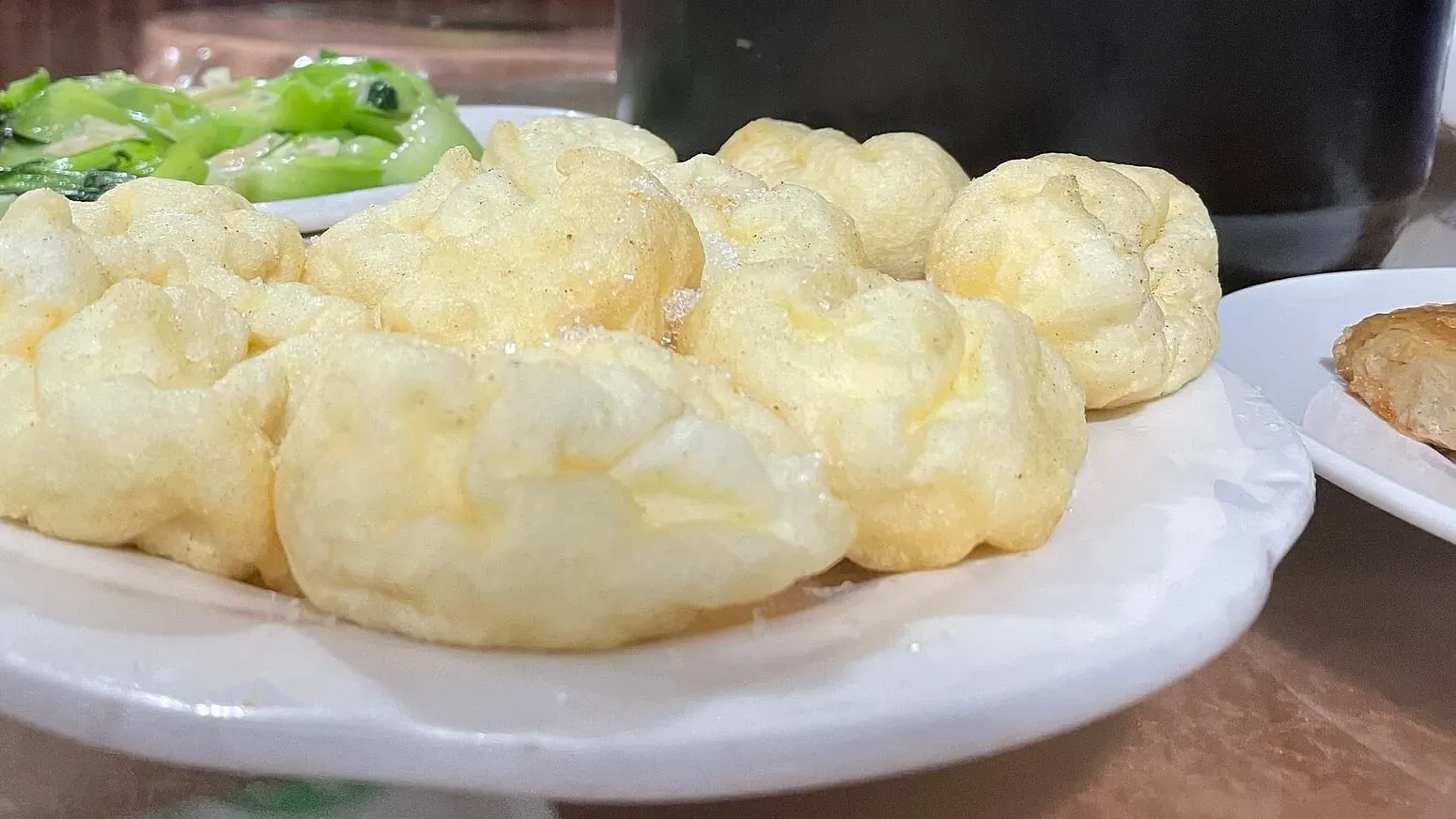
Ziyang Street has a sweet with a curious name, danqing yangwei — “egg-white sheep’s tail.” According to Taizhou’s official news account, it was invented in Linhai at the end of the Ming, is made from egg whites, and looks like a sheep’s tail once fried; rich without being greasy, soft, sweet and pale gold, it is served everywhere from smart restaurants to street stalls.
It looks simple but takes skill: the egg whites must be whipped until a chopstick stands up in them, wrapped around red bean paste, fried until pale gold and sprinkled with sugar, and they melt in the mouth. Chao News reports that the technique is on a local intangible heritage list and is included in the Zhejiang volume of Chinese Recipes, and that in winter the old shops on Ziyang Street fry them to order. Eat them straight from the fryer.
Zhejiang’s hundred best snacks
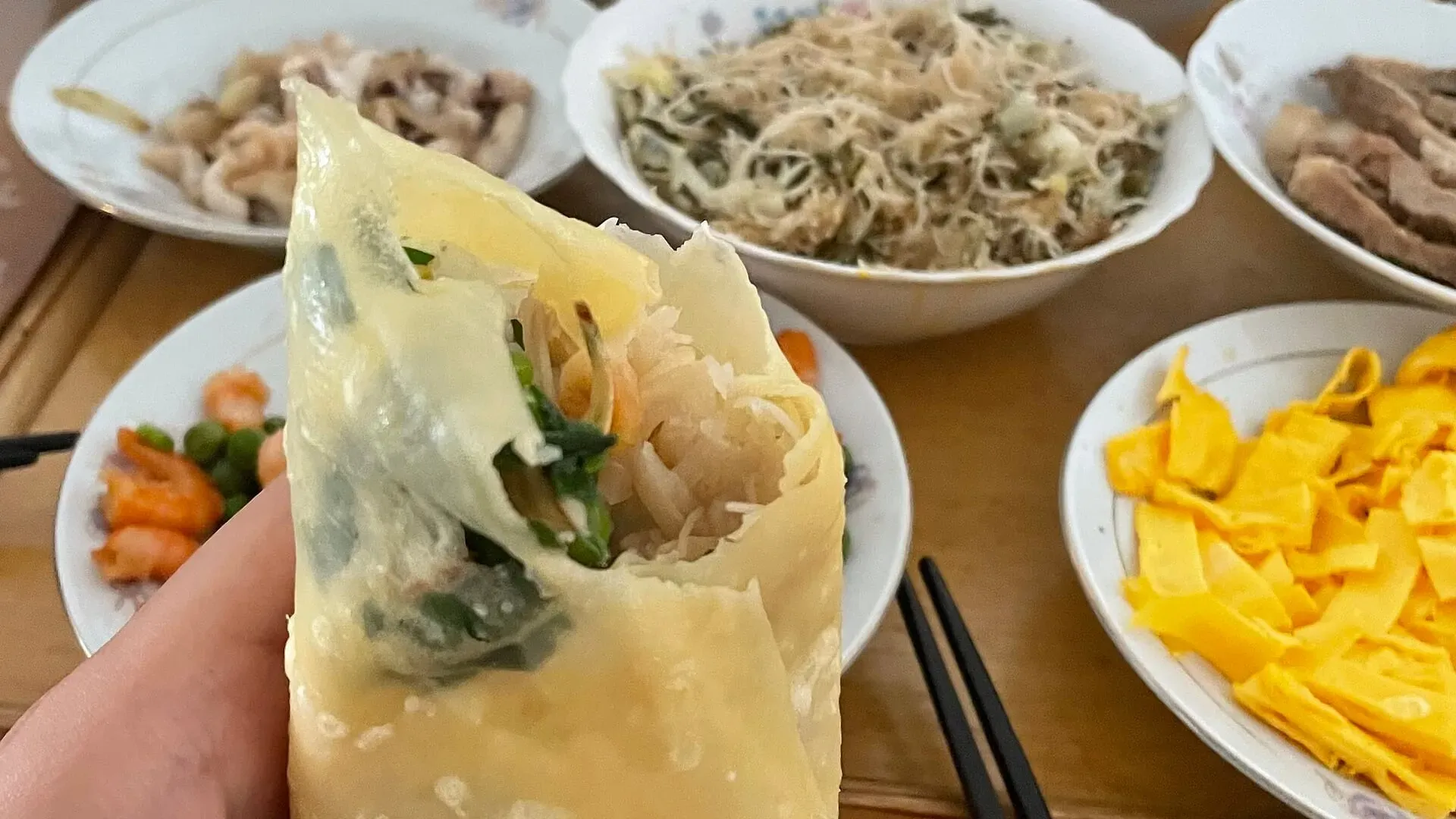
In early 2021 Zhejiang named its hundred best rural snacks. Twelve came from Taizhou, among them Linhai’s danqing yangwei and zaogeng — and Tiantai’s jiaobingtong, see Jiaobingtong. Linhai eats those rolled pancakes too, where they are called shibingtong or sometimes maiyouzhi.
Winter mandarins
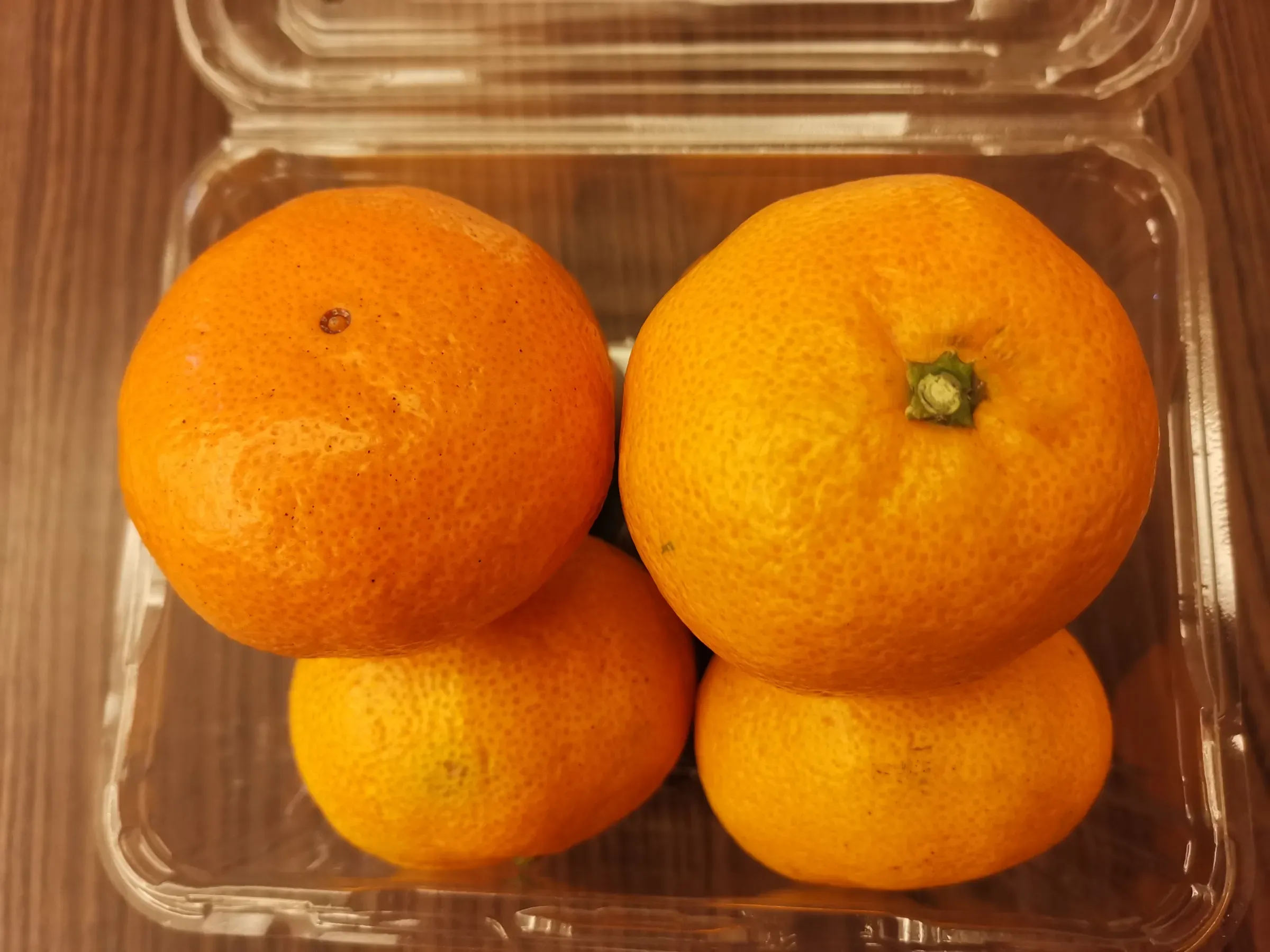
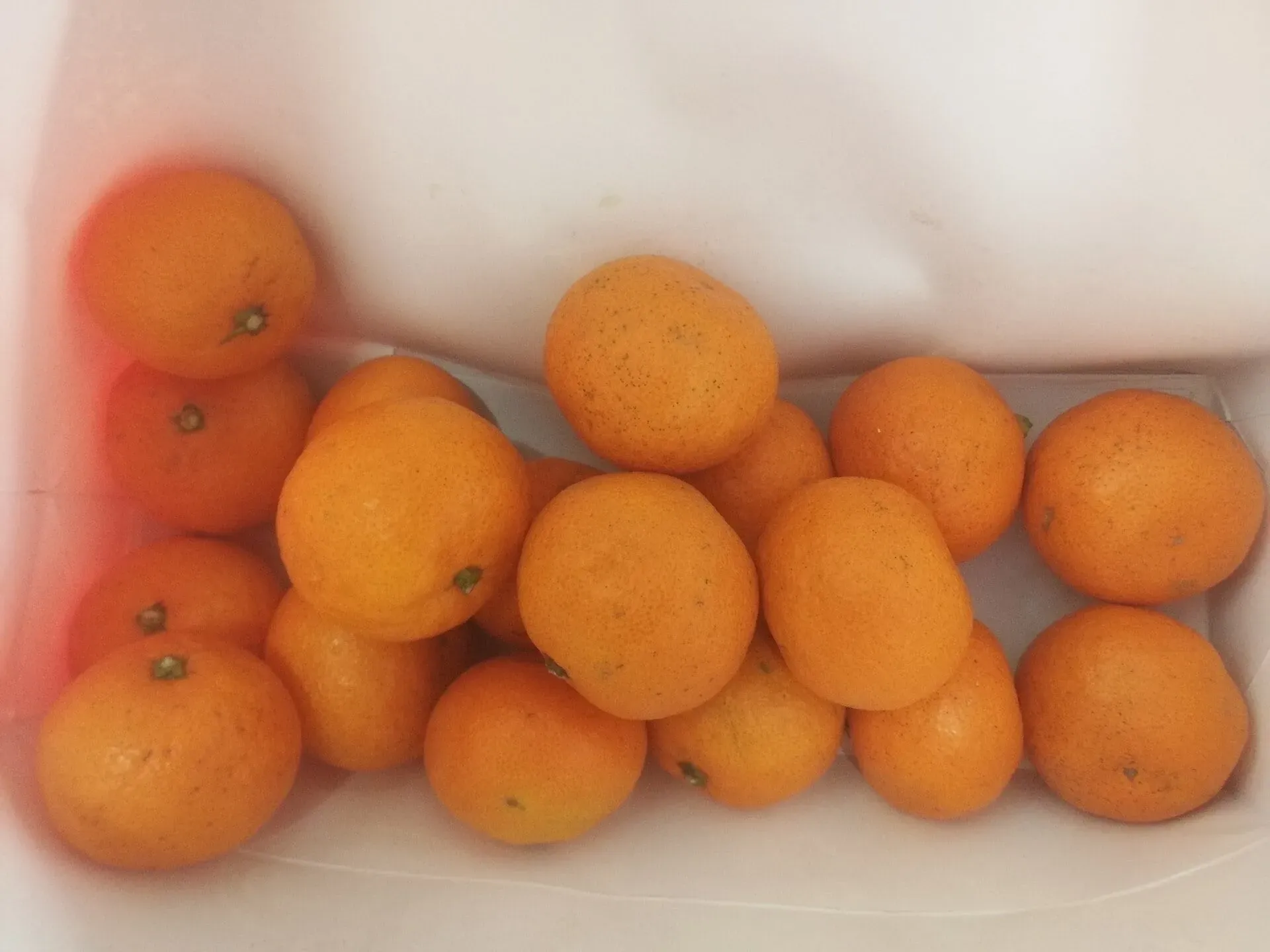
Linhai also grows citrus, and mandarins from Yongquan are one of its best-known local products.
Eating in Linhai
Snack shops around Ziyang Street serve both zaogeng and danqing yangwei, so try them as you explore the old street — see Ziyang Street and the Old City. Zaogeng is sold all year, but the best time to come is the fourteenth night of the new year: Chao News reports that Linhai holds zaogeng events that day, every household stirs, shares and begs soup, and the whole town smells of it.
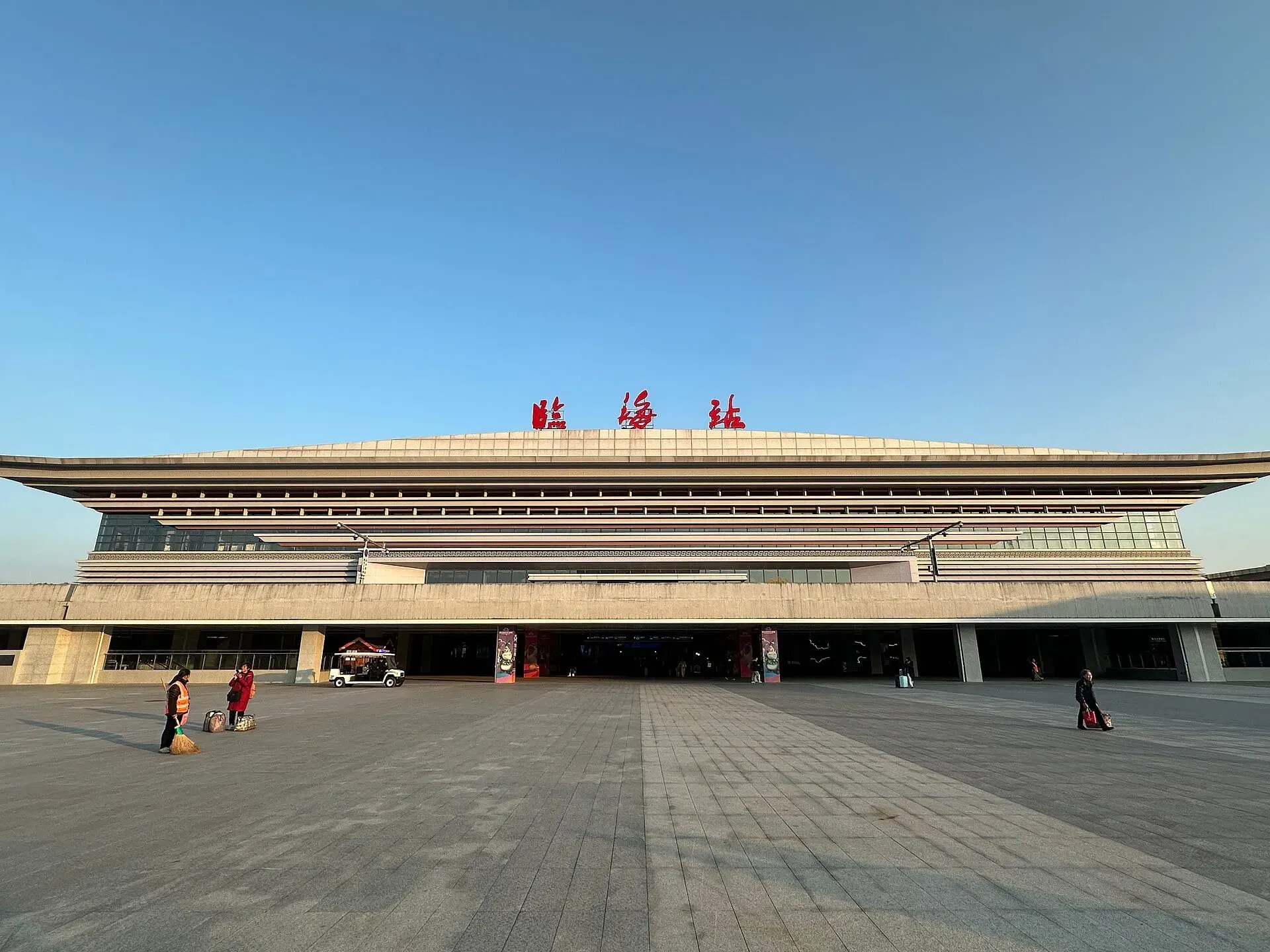
Linhai has its own station on the Hangzhou–Taizhou high-speed line — see Getting to Linhai.
Questions & answers
Why does Linhai celebrate the Lantern Festival on the fourteenth?
Accounts differ. One legend says the early Tang prefect Yuchi Liao began building the city wall on the fourteenth of the first month and townspeople cooked a thick soup for the soldiers, so the festival moved to that day; others tie it to Qi Jiguang’s war on the pirates in the Ming. They are all legends, and nobody knows for sure.
What is zaogeng?
Linhai’s Lantern Festival soup. The traditional savory version uses a dozen or more ingredients cut into centimeter cubes — pork, winter bamboo shoots, shiitake, pressed tofu, fried tofu puffs, mustard greens, taro and more, with razor clams, oysters or shrimp in better-off homes. They are stir-fried until half done, simmered in water, then stirred together with a rice-flour slurry into a thick soup.
Is zaogeng savory or sweet?
Both. Linhai eats the savory soup on the fourteenth and a sweet one on the fifteenth — first the hard times, then the sweet. The sweet version has rice cake, broad beans, candied orange, raisins and little glutinous rice balls, and used to be thickened with sweet-potato starch.
What is danqing yangwei, and why “sheep’s tail”?
A Linhai sweet. Egg whites are whipped until a chopstick stands up in them, wrapped around red bean paste, fried until pale gold and sprinkled with sugar. It is said to have been invented in Linhai at the end of the Ming, and the fried puffs look like sheep’s tails — hence the name.
Where can I try them in Linhai?
Snack shops around Ziyang Street serve both, and danqing yangwei should be eaten fresh from the fryer. Zaogeng is sold year-round, but the best time is the fourteenth night of the new year, when every household is stirring a pot.