Places to Visit
The hill-climbing city wall and Ziyang Street, a rebuilt Song pontoon bridge, sunrise among Kuocang’s wind turbines, and Taozhu, a Ming fort near the sea.
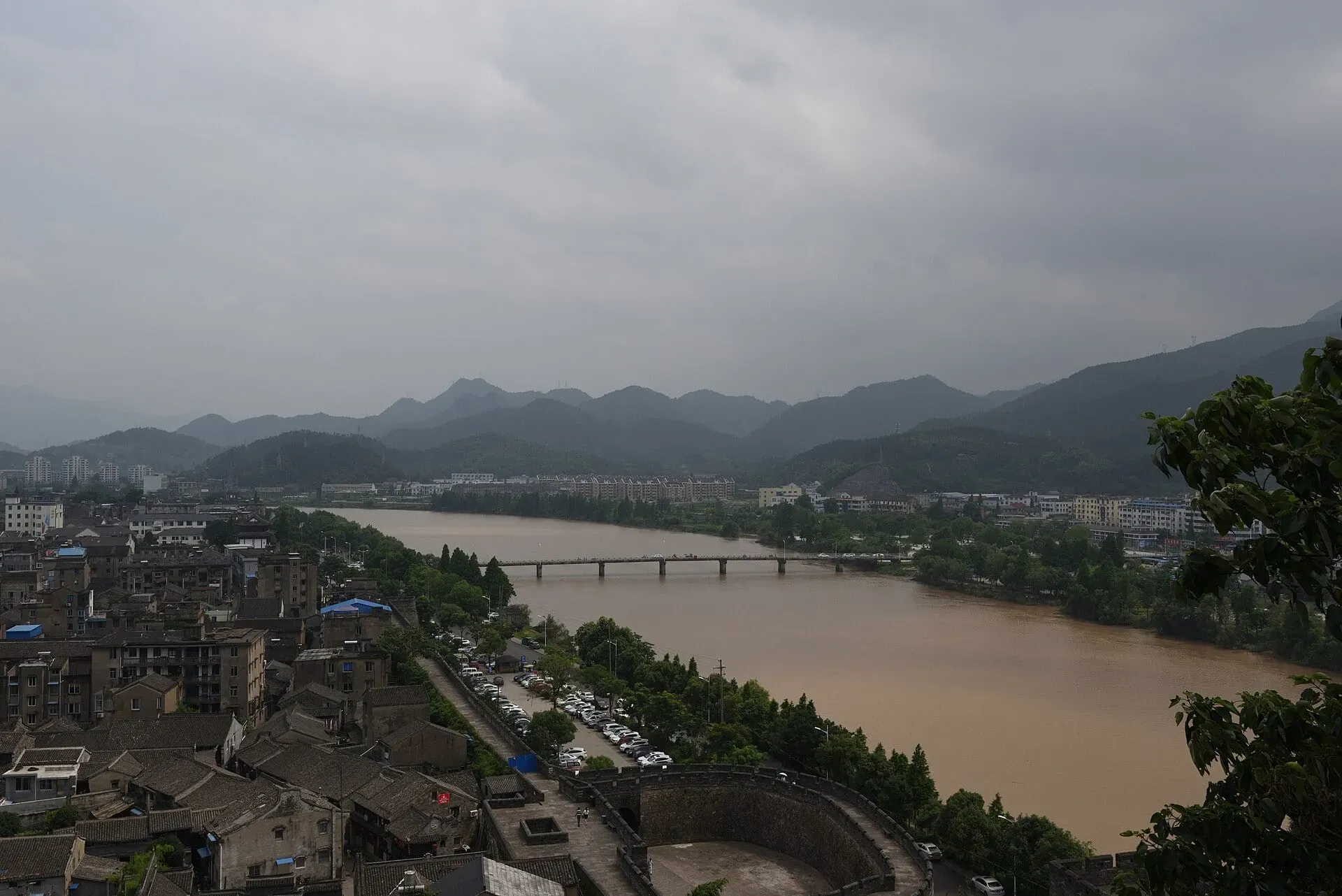
Most of what there is to see in Linhai is inside the old city: a wall that climbs the hills, an old street more than a kilometer long, a small hill crowned with pagodas in the southeast corner, a lake on the east side and, once again, a pontoon bridge across the Ling River. To the west rises Kuocang, billed as the highest mountain in southeastern Zhejiang, and out on the coast stands a walled garrison town built against the pirates in the Ming. Here are the places worth the trip.
The Taizhou city wall
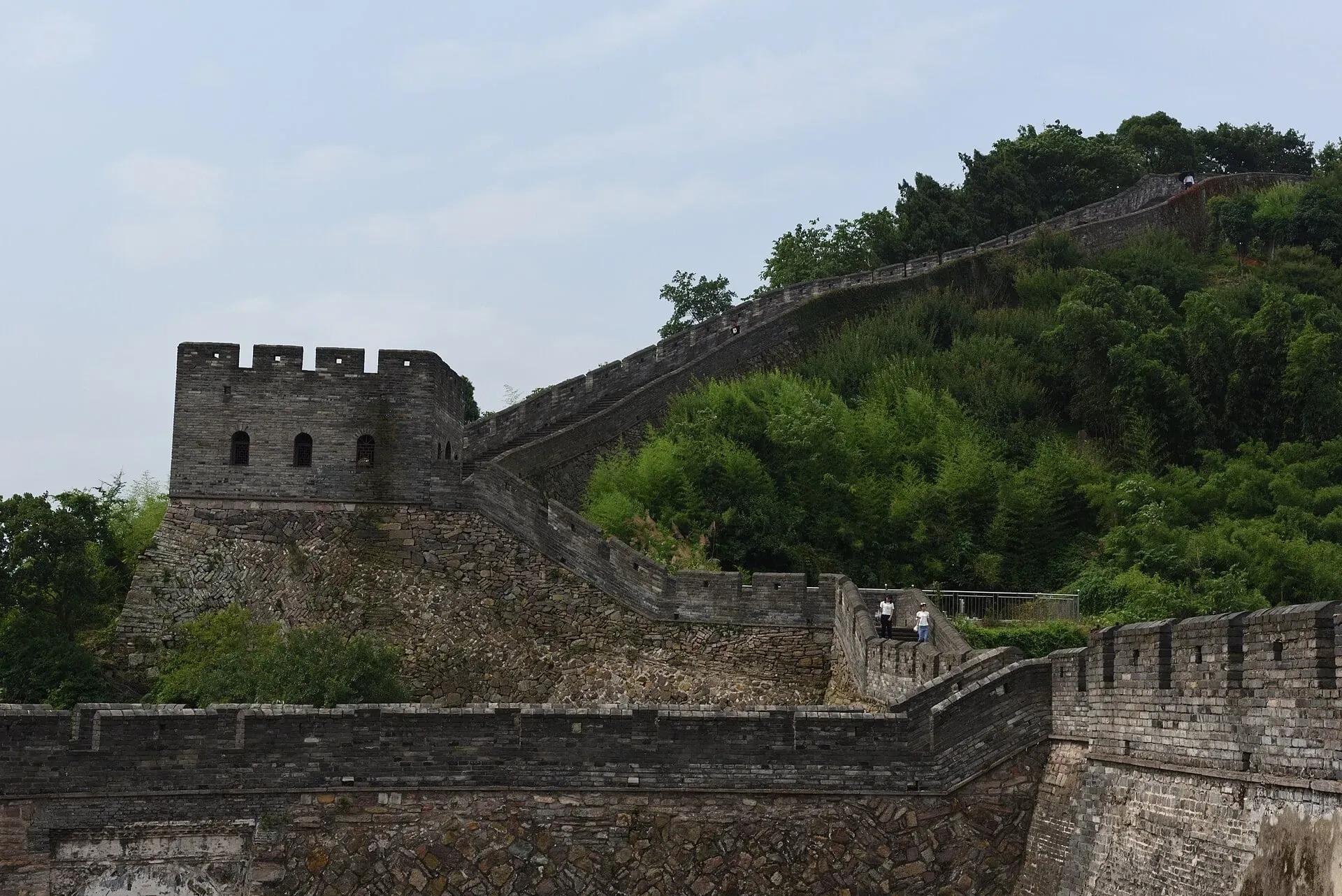
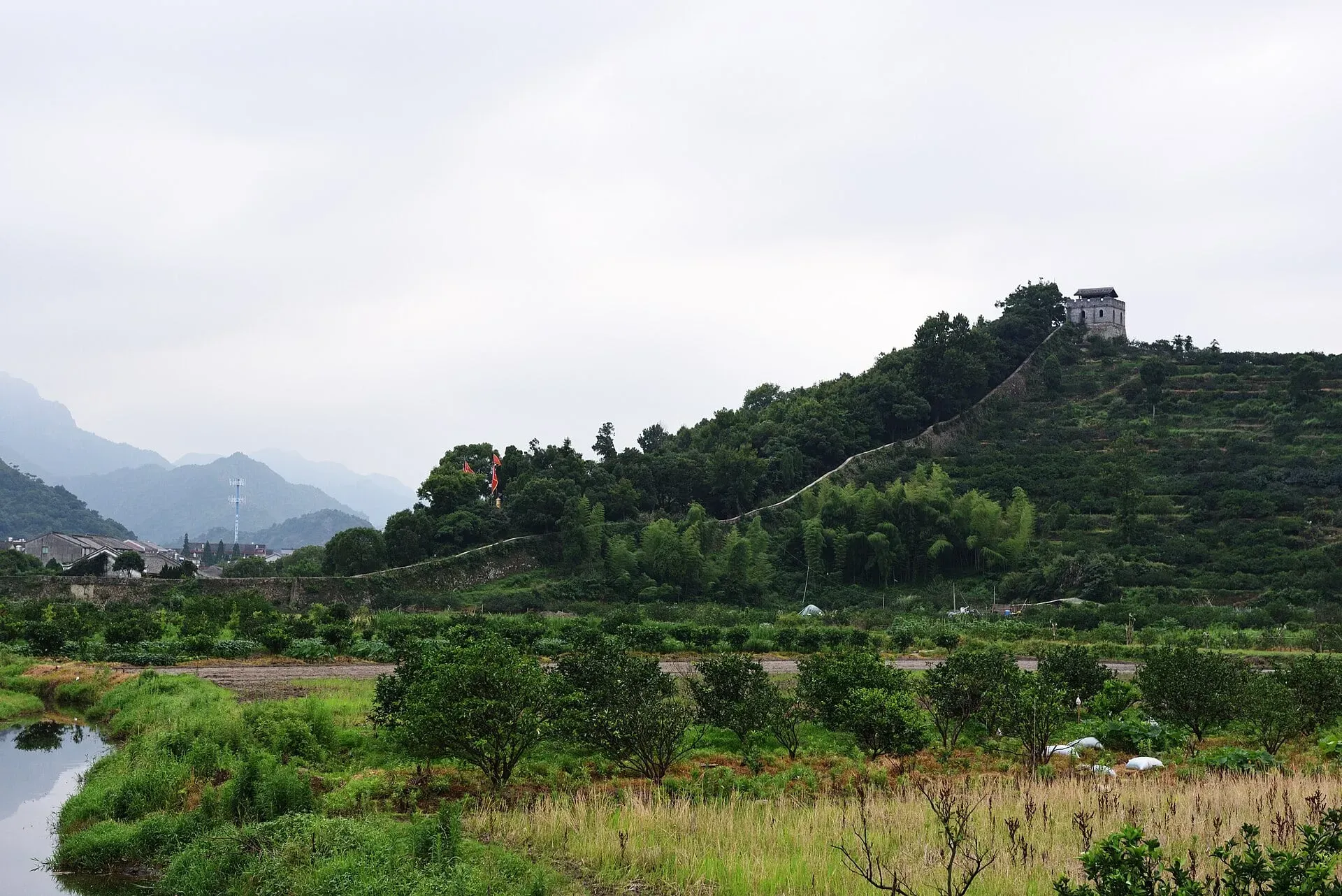
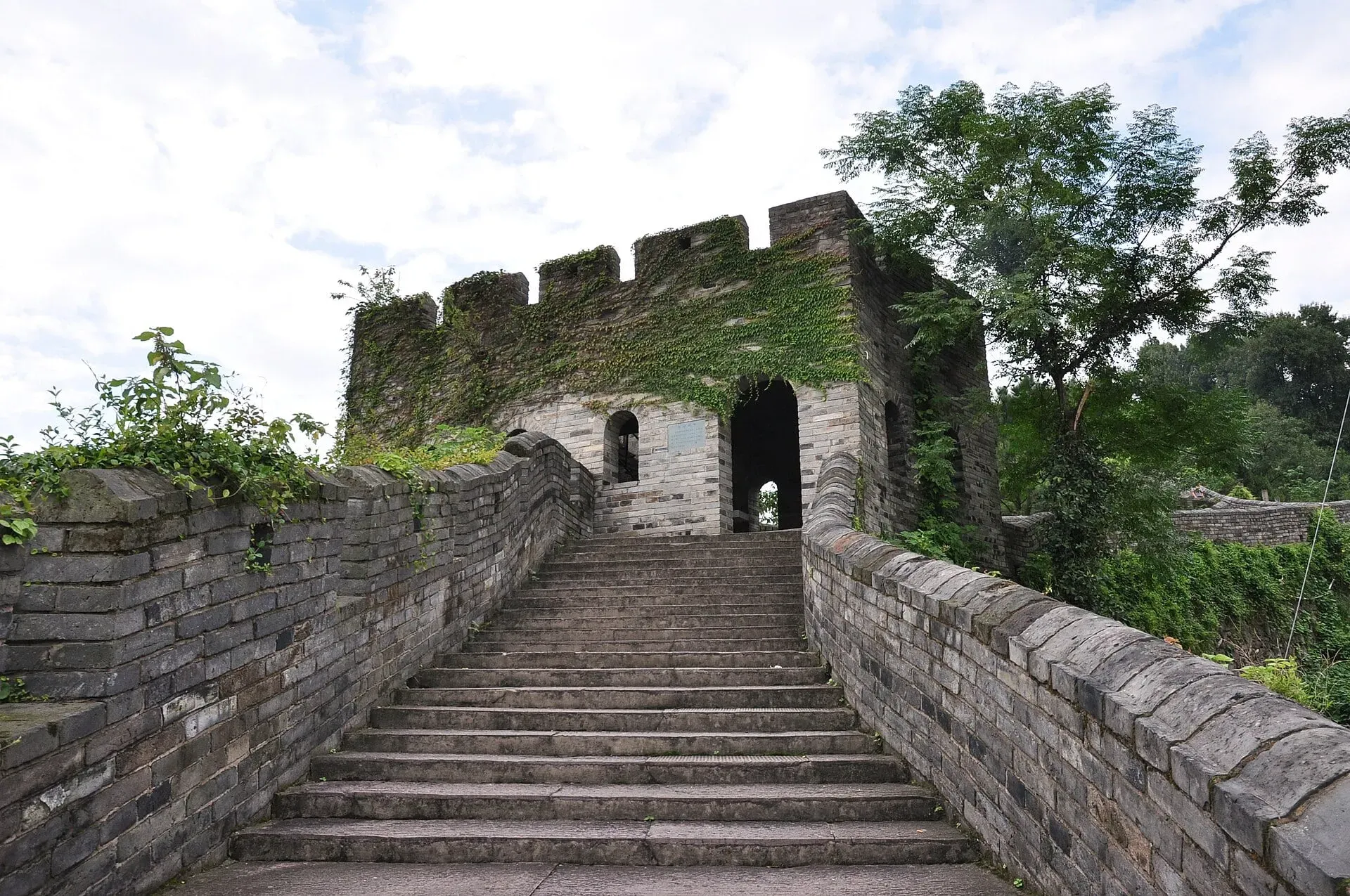
According to China News Service, 4,730 meters of the Taizhou city wall survive. It starts at the Lansheng Gate, follows the ridge of Beigu Hill to the Yanxia Pavilion, drops to the Ling River and runs along it to the western foot of Jin Hill. The Ming general Qi Jiguang built his first two-story hollow towers here before taking the design to the Great Wall in the north, which is why it is called the Great Wall of the South, or the Linhai Great Wall; Xinhuanet pairs it with the Ming Great Wall at Beijing as the “southern and northern Great Walls.” The ridge has plenty of steep steps, so wear good shoes. More in the Taizhou City Wall.
Ziyang Old Street
Ziyang Street is the spine of the old city, more than a kilometer of flagstones lined with houses that keep a shop downstairs and a home upstairs, and with shops a century old or more. According to Xinhuanet in 2026, some 28,000 people still live within the old city’s 3.12 square kilometers. Townspeople and visitors come out to the old city after dark, too; for the egg-white puffs fried to order on the street, see Zaogeng and Danqing Yangwei. For the mandarins in season from late autumn, see Linhai and Yongquan Mandarins. For the street’s history and a walk through it, see Ziyang Street and the Old City.
Jin Hill and East Lake
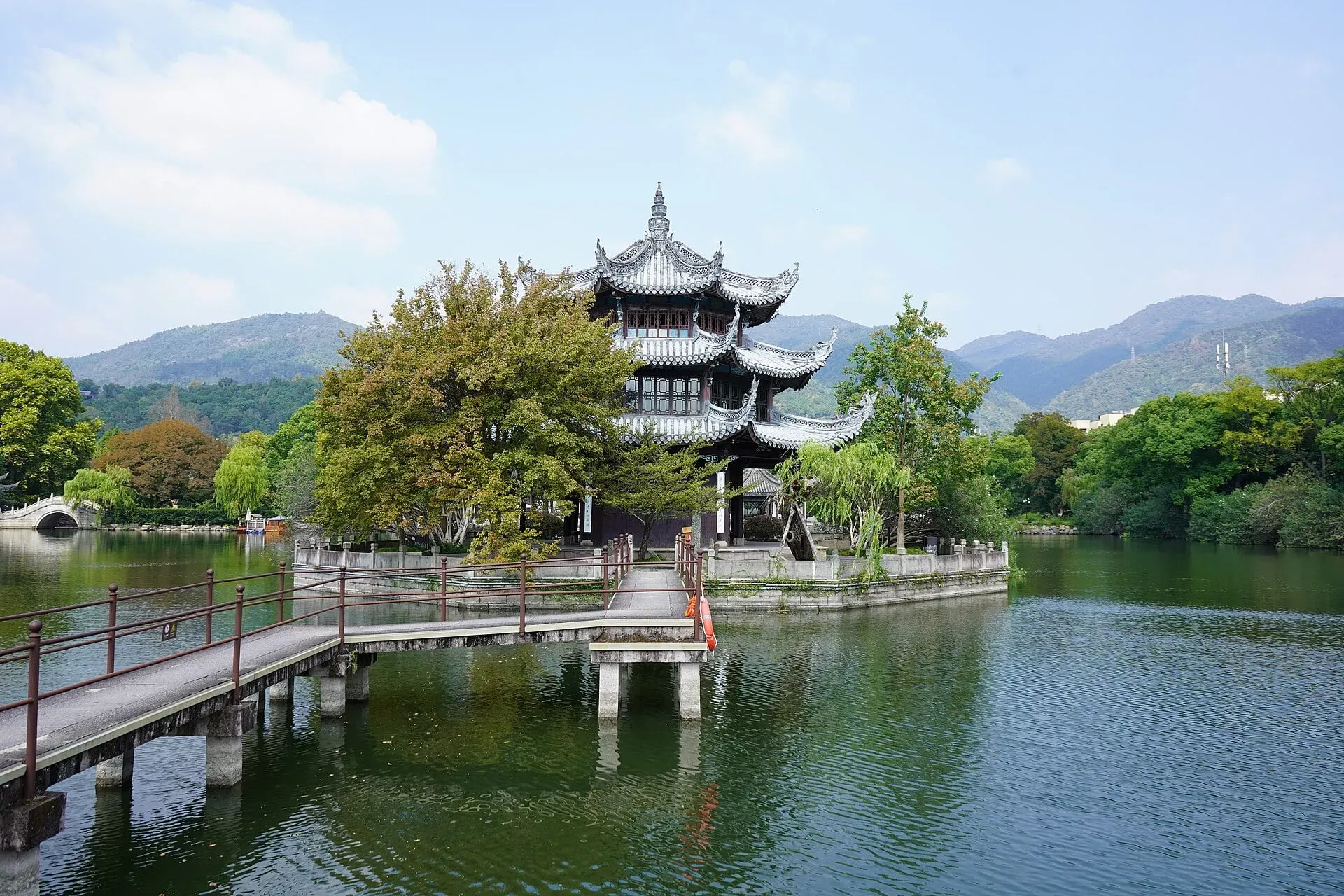
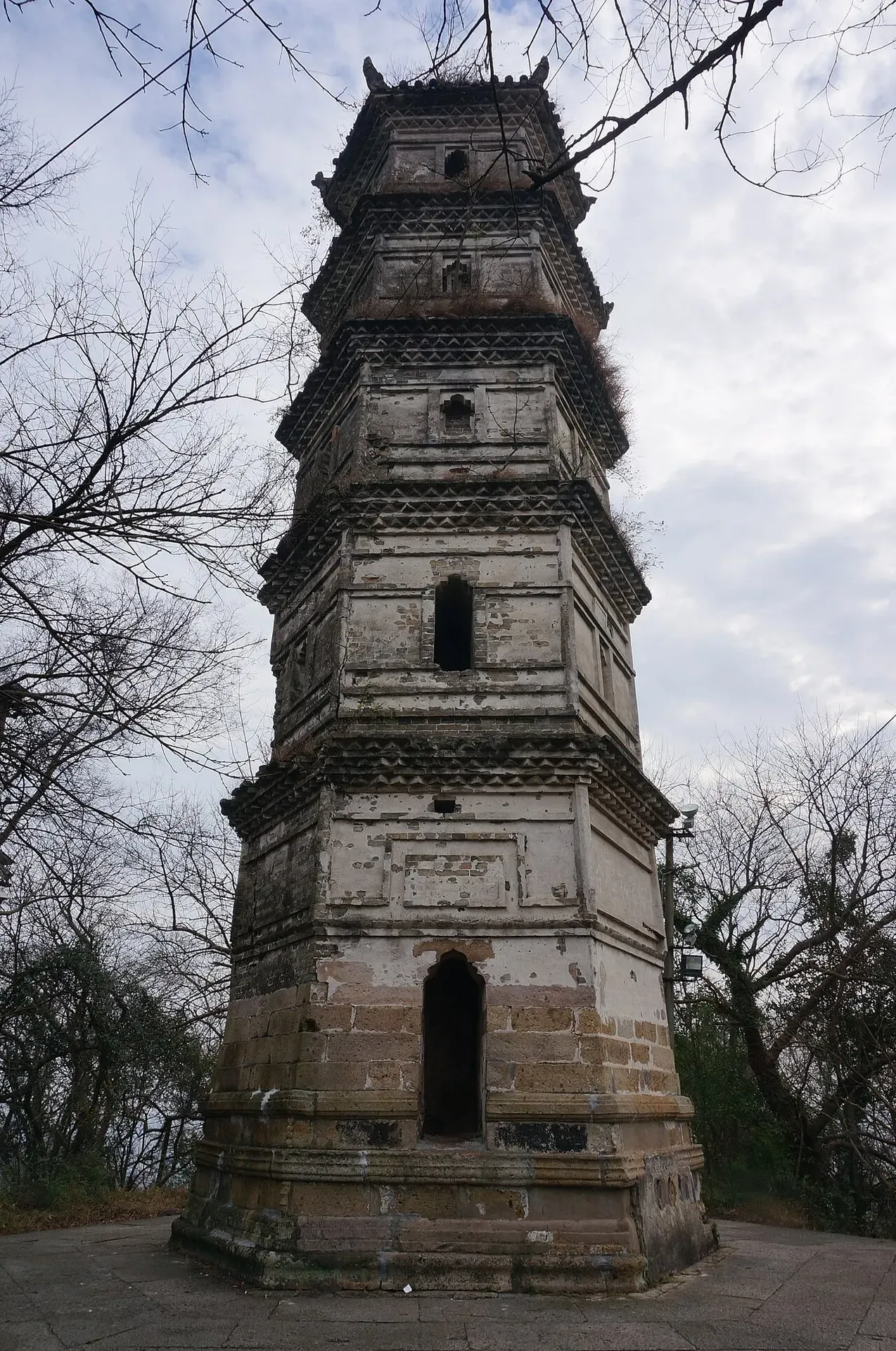
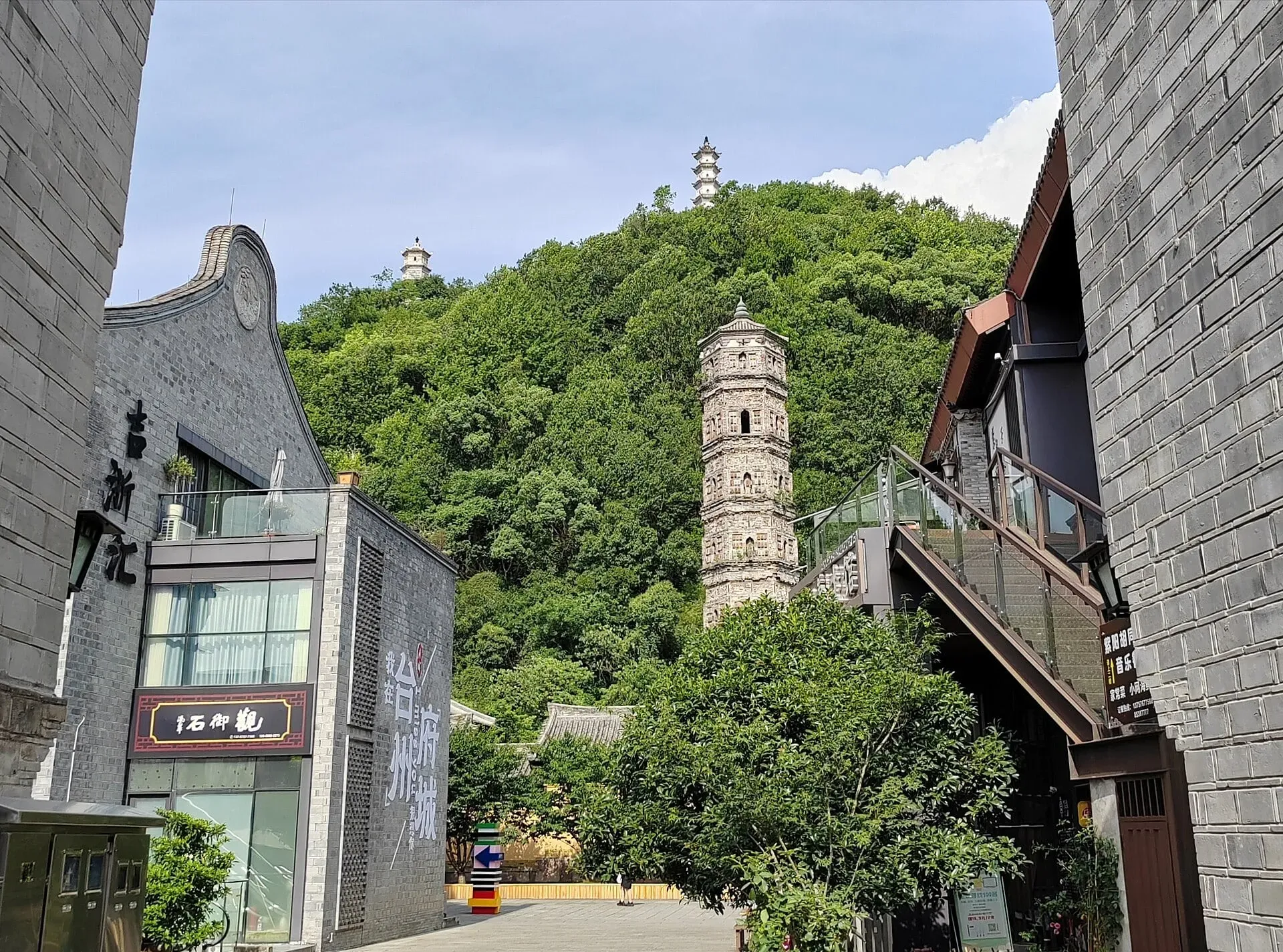
South along Ziyang Street, in the southeast corner of the old city, rises Jin Hill, a small hill about a hundred meters high with two peaks facing each other east and west. Four pagodas stand on and around it, and the Thousand Buddha Pagoda in Longxing Temple, at its western foot, was first built in the Tang; Saichō, who founded the Tendai school in Japan, found his teacher at that temple. East Lake, on the east side of the old city, has a pavilion on an island in the middle, and you can see it from the wall. More in Ziyang Street and the Old City.
The Zhongjin pontoon bridge
On the Ling River outside the old city’s Xingshan Gate, the Zhongjin pontoon bridge was laid across the water again on April 30, 2025. Zhejiang Online reports that the bridge has more than 800 years of history, and Xinhuanet says it has served the two banks since the Southern Song. The new bridge, 280 meters long and 5 meters wide, rests on 14 boats and 7 pontoons; the boats can be taken apart, which eases the force of the tide on the bridge. Out on the river it sways gently with the tide; to the north the wall winds along the bank, and above it rises Jin Hill.
Kuocang Mountain
Kuocang Mountain, in Kuocang Town, is billed locally as the highest mountain in southeastern Zhejiang; its main peak, Mishailang, rises to more than 1,380 meters. The summit is lined with wind turbines, and the mountain is known for them, for its seas of cloud and its starry skies, and as a place to watch the sun rise. On the mountain stands the Dawn Monument of 21st-century China: according to a Sina report of January 2, 2001, the first rays of the new century to reach mainland China fell on it at 6:42:54 on New Year’s morning. The hill-climb race reported by the People’s Daily site runs more than 25 km up the mountain road, from 30 meters at the foot to over 1,300 meters at the top. From the old city to the summit is about 42 km, around an hour by car; the mountain road winds, and holidays take longer.
The city’s official news account recommends driving up and allowing a day and a half: go up in the afternoon, spend the night on the summit and rise early for the sunrise. For hikers, the Linhai news site points to the Jiutaigou gorge trail, 5.5 km from the entrance of Huangshitan village up to Paomaping at 1,200 meters. On the way down, Zhangjiadu village at the foot of the mountain has an old street worth a stroll.
Taozhu and Wukeng
Out toward the coast, in Chengli village in Taozhu Town, stands Taozhu, a Ming garrison town built in 1443 against the pirates. According to Linhai’s tourism account, it has hills on three sides and the sea on the fourth, each of its three gates has a barbican, its walls are still built of the original Ming brick and stone, and its lanes keep their Ming and Qing layout, with an exhibition hall on the war against the pirates, a parade platform and a beacon tower; it is, the account says, one of the most complete Ming anti-pirate garrison towns in China. In the Jiajing reign Qi Jiguang routed the pirates here; see the Taizhou City Wall.
About 2.5 km south of the town are the rock pinnacles of Wukeng, known as “little Yandang” for their strange peaks and crags. From the top of Stone Pillar Peak you look down on the Thirteen Isles of the Tao River, where the river cuts the fields into thirteen islands. Taozhu is about 44 km, or some forty minutes, by car from Linhai station; with Wukeng, it makes a day out.
Getting around
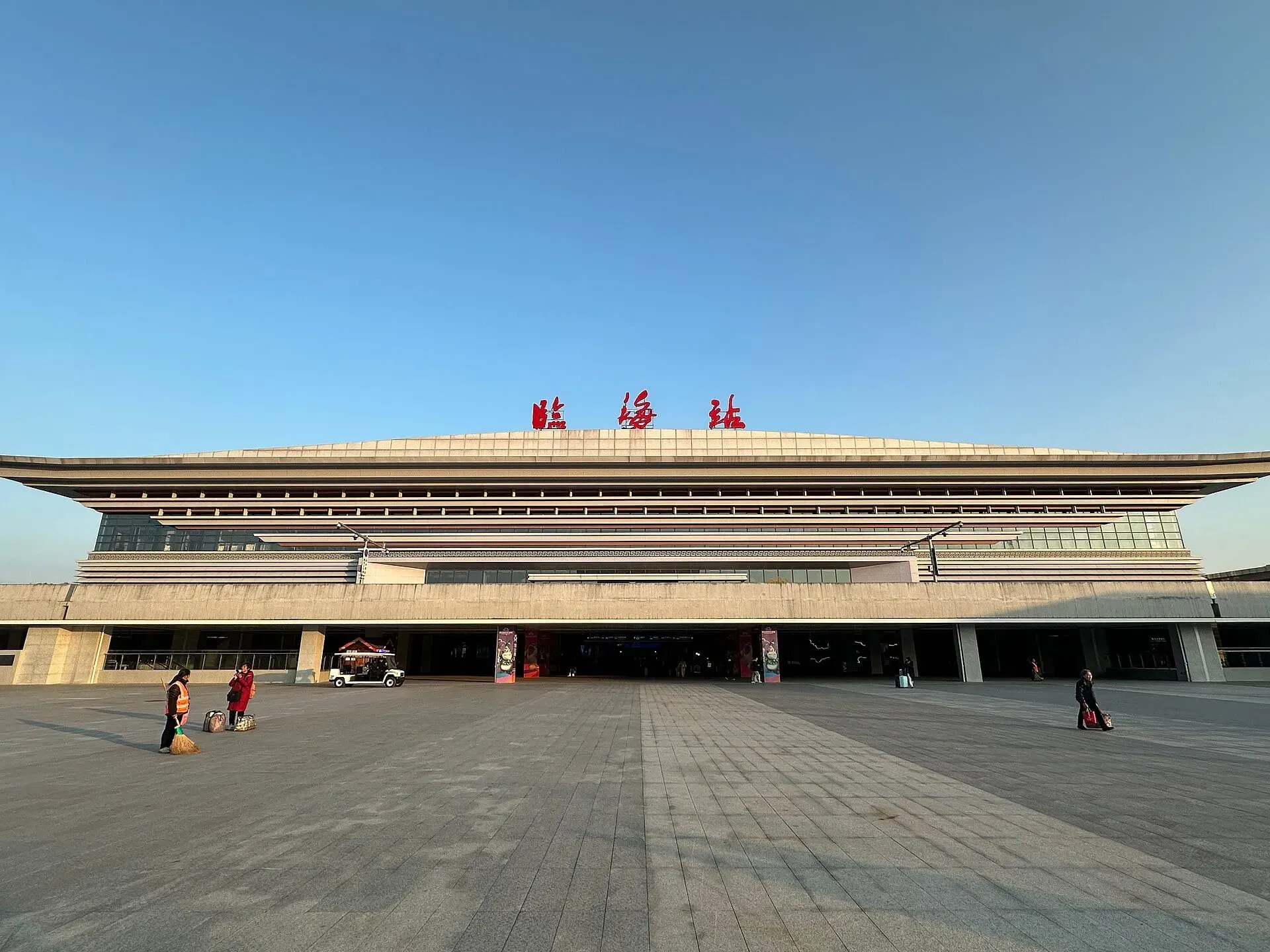
Linhai station is about 15 km from the old city, some twenty minutes by taxi. The old city is small enough to explore on foot — the wall, Ziyang Street, Jin Hill, East Lake and the pontoon bridge — and a full day lets you take it slowly; Xinhuanet reports that the scenic area has also added free shuttle buses. For Kuocang and Taozhu, a car or a hired driver is easiest. See Getting to Linhai. For a day trip from Hangzhou, see Day Trips from Hangzhou by High-Speed Train.
More photos
All photos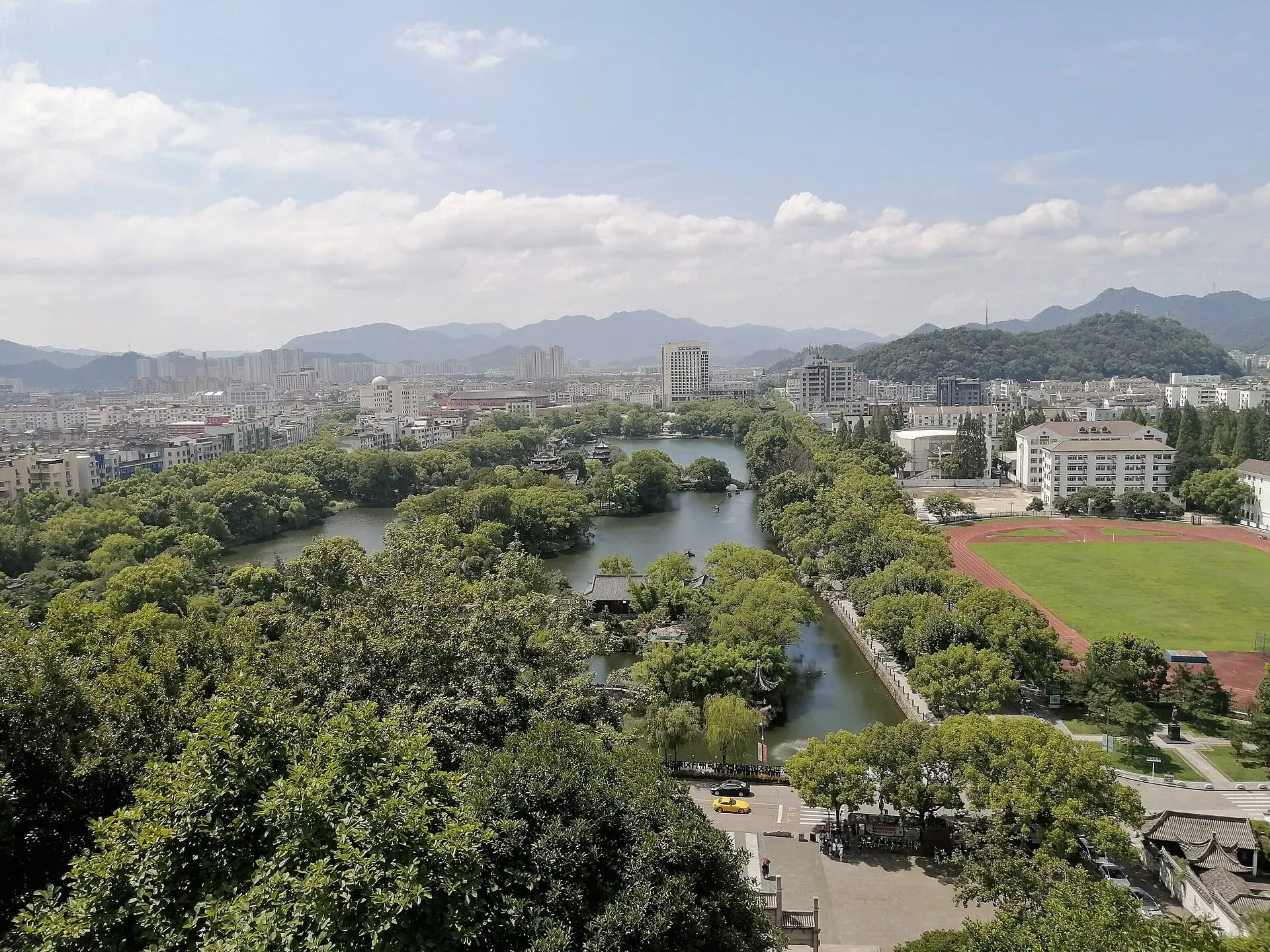
Sources
- 车程是按 OpenStreetMap 路网估算的开车时间。
- 美丽城市丨台州府城:江南长城 千年宋城 · 新华网,2026 年 3 月 10 日
- 浙江临海:古城入夜迎客来 · 新华网,2025 年 4 月 8 日
- 浙江临海:一任接一任“绣花式”守护千年古城 · 新华社,2026 年 4 月 2 日
- 探访台州府城墙 听“城墙守护者”讲述申遗“长跑”故事 · 中新网,2022 年 3 月 19 日
- 浙江临海台州府城中津浮桥开通 · 新华网浙江频道,2025 年 5 月 1 日
- 日通行量达4.2万人次!800多年历史的中津浮桥再现临海灵江 · 浙江在线,2025 年 5 月 1 日
- 临海这6座山,好看更好玩 · 临海发布(浙江在线),2020 年 10 月 5 日
- 台州年轻人的小众周末之旅 · 浙江在线,2025 年 4 月 11 日
- 秘境天成 大美括苍 · 临海新闻网,2024 年 10 月 11 日
- 台州临海:问鼎云境括苍 2023括苍山爬坡王国际骑行挑战赛举行 · 人民网浙江频道,2023 年 12 月 4 日
- 图文:中国二十一世纪曙光碑 · 新浪网,2001 年 1 月 2 日
- 古城斑驳、山海多情、田园悠然……如此多娇的桃渚 · 临海旅游(浙江在线),2019 年 2 月 25 日