Made in Shengzhou
Neckties, kitchen stoves, Longjing tea, woven bamboo — things made in this small city may be closer to you than you think.
Neckties
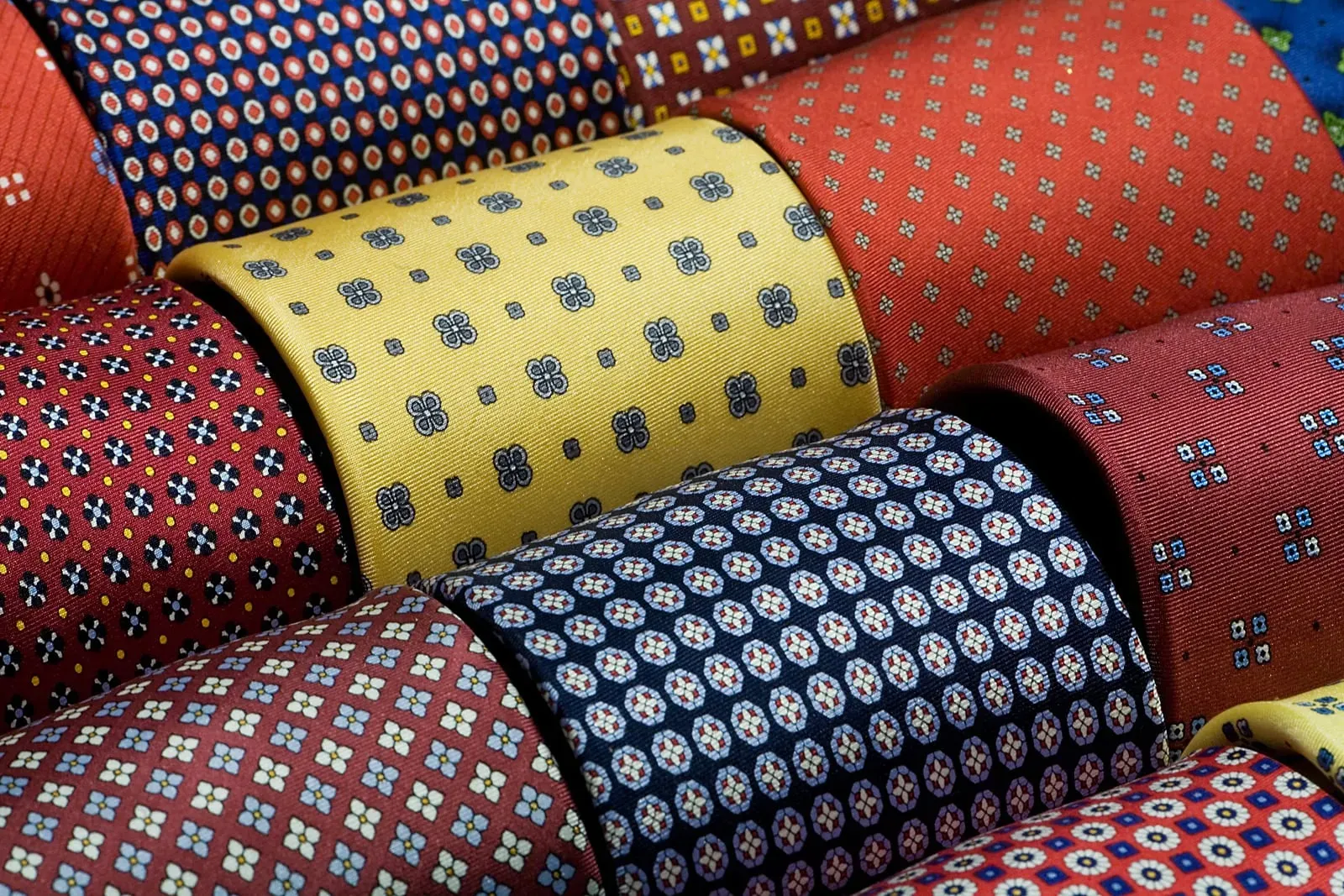
Shengzhou is China’s largest producer of neckties. According to China News Service in 2026, it makes about 90 percent of China’s ties and 60 percent of the world’s, and calls itself the “world capital of neckties.” Its China Tie City was billed as the world’s largest wholesale market devoted to ties until it was rebuilt as an e-commerce park in 2025. The tie in your wardrobe may well have come from here. For the full story, see Shengzhou neckties.
Integrated stoves
An integrated stove (集成灶) combines a cooktop and a range hood in a single kitchen appliance. Shengzhou is the country’s biggest production base for them, making about 65 percent of China’s output, and styles itself “China’s capital of kitchenware.”
Tea
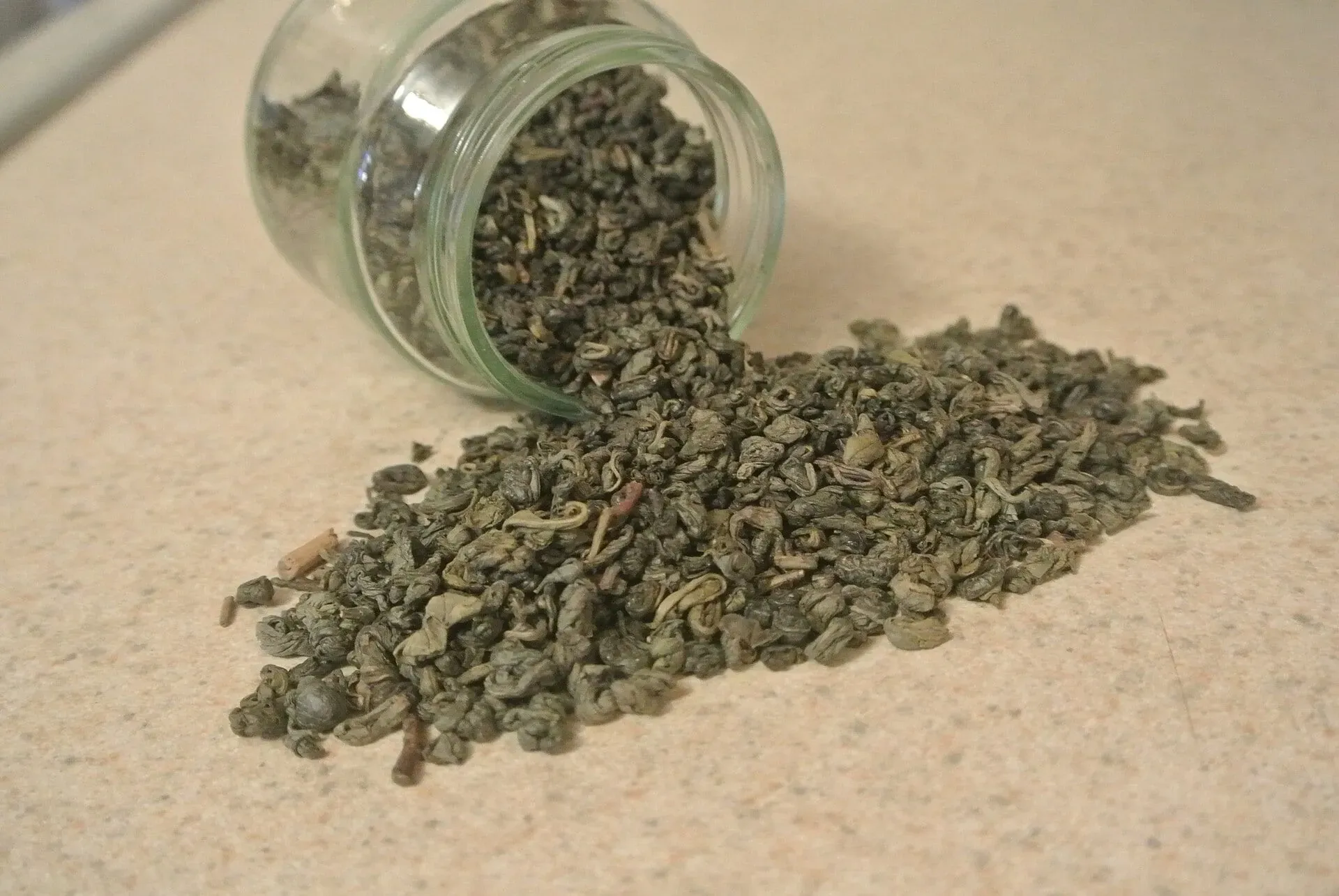
Tea growing in Shengzhou goes back to the Han and Jin dynasties, and in 1996 the Ministry of Agriculture named it a “home of Chinese tea.” Today it grows more Longjing than anywhere else in China, sold as Yuexiang Longjing (越乡龙井), and an older tea, Quangang Huibai (泉岗辉白, also written 前岗辉白), was counted among China’s ten famous teas in the late Qing. Shengzhou also calls itself the birthplace of gunpowder tea and has led China in tea exports for years. More in our guide to Shengzhou tea.
Bamboo weaving
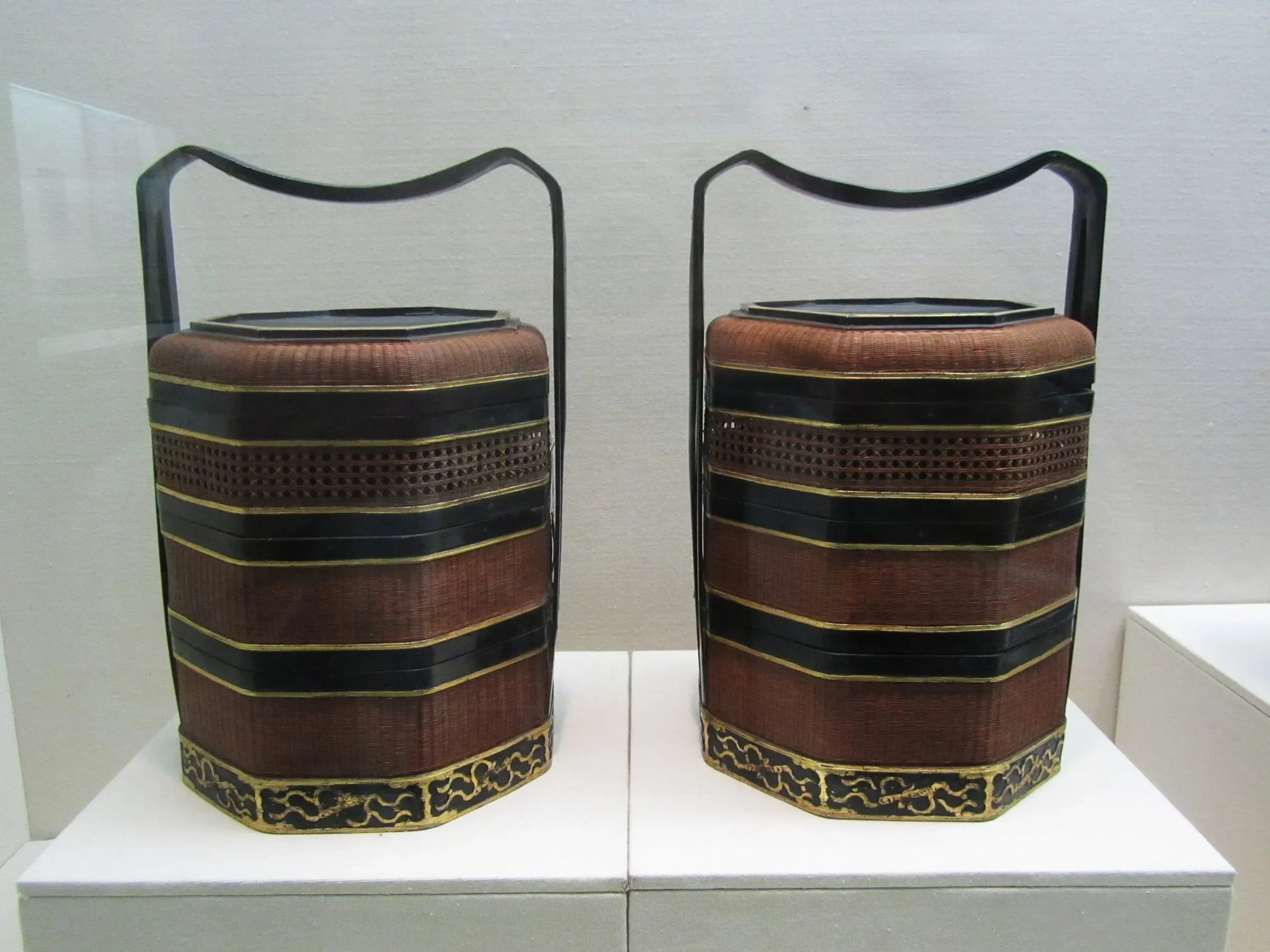
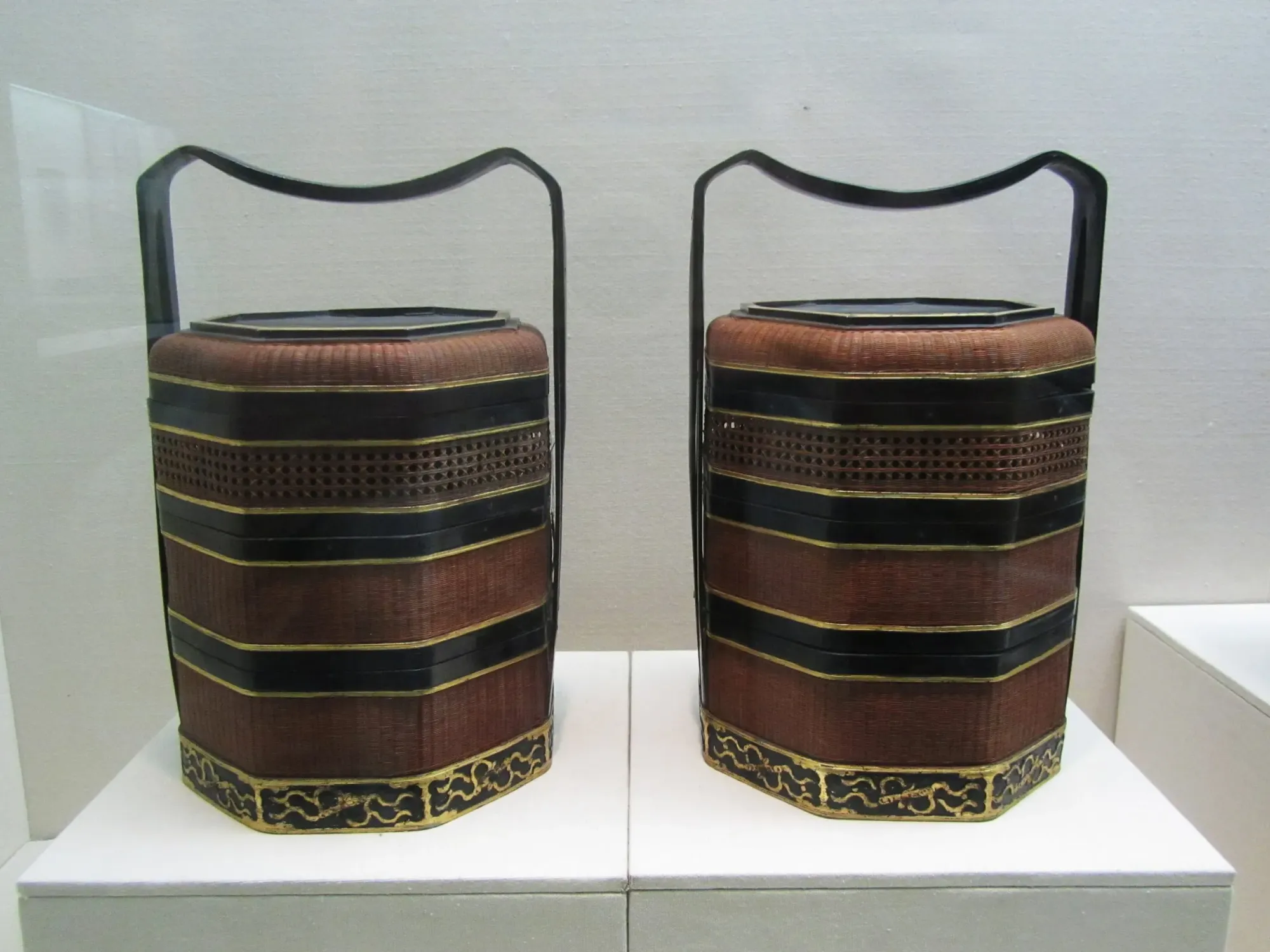
Bamboo weaving in Shengzhou goes back more than two thousand years, and in 2006 it was named in China’s first list of national intangible cultural heritage. Weavers make baskets, plates, boxes and vases, as well as screens, lamps and furniture — more than seven thousand designs in all — and Shengzhou is known as “China’s home of bamboo weaving.” More in our guide to Shengzhou bamboo weaving.