Shengzhou tea
Much of the gunpowder green tea in Moroccan mint tea is made in places like Shengzhou. The city calls itself the birthplace of gunpowder tea, has led China in tea exports for years, and grows more Longjing than anywhere else.
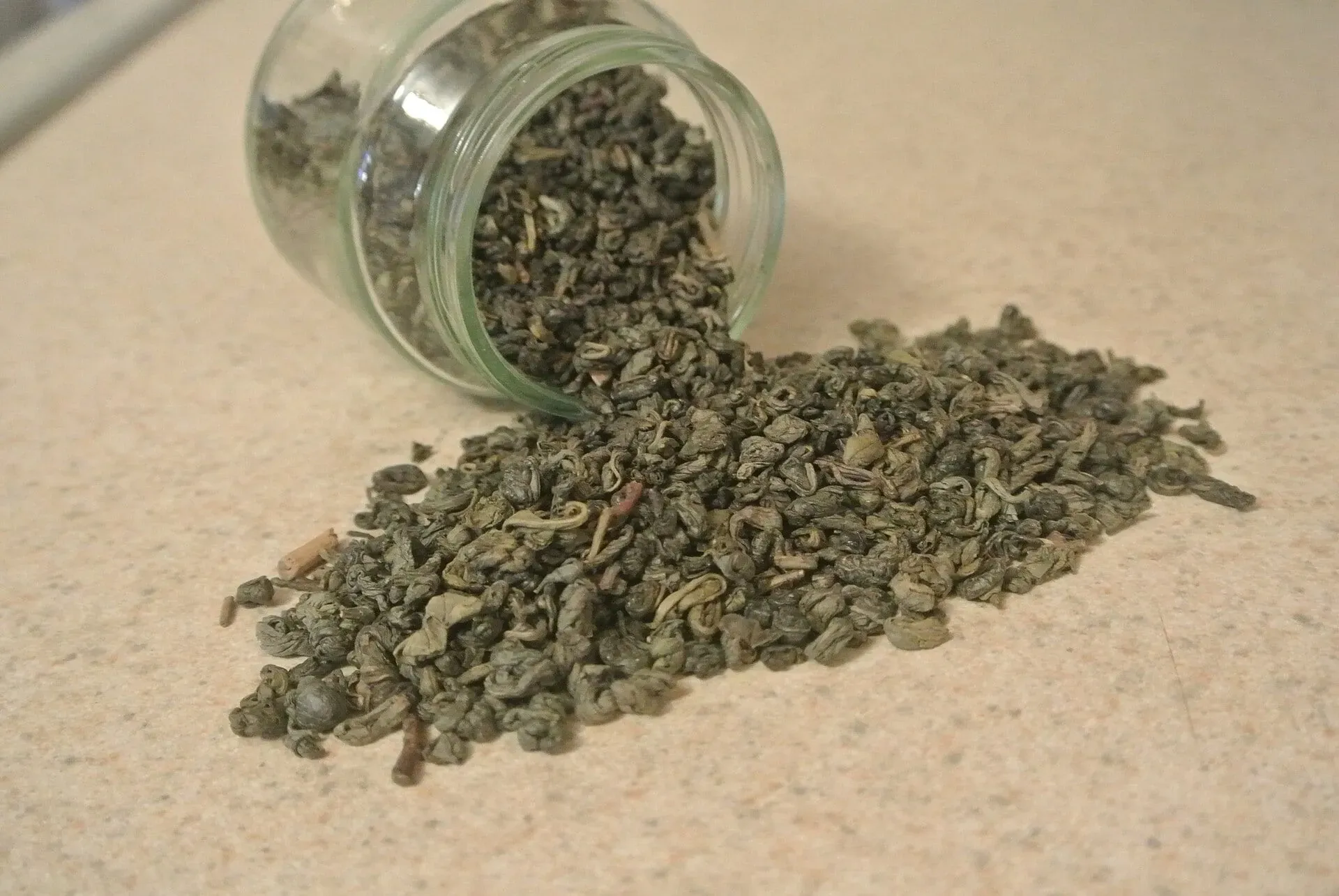
What does a glass of Moroccan mint tea have to do with a small city in Zhejiang? North Africans make their mint tea with gunpowder — green tea rolled into tiny pellets — and Shengzhou’s own gazetteer calls the city the birthplace of gunpowder production. Today Shengzhou has 210,000 mu, about 14,000 hectares, of tea gardens, grows more Longjing than anywhere else in China, and has led the country in tea exports for years. In 1996 the Ministry of Agriculture named it a “home of Chinese tea.”
Gunpowder: green tea rolled into pearls
Gunpowder is green tea in which each leaf is rolled into a small round pellet. There are two stories about the English name: that the pellets look like gunpowder, or that it comes from a Chinese phrase that sounded like the word. From 1986 to 1994, most of the tea Shengzhou made was gunpowder. Ordinary families kept a little at home, sealed in metal tins, and sometimes stirred white sugar into the cup.
Shengzhou’s best-known gunpowder maker is the Zhejiang Sanjie Tea Factory. It began in August 1936 as the tea farm of a provincial agricultural improvement station; in 1950 the China Tea Company built a factory there, renamed the Zhejiang Sanjie Tea Factory in 1956. In the 1970s it refined more than 5,000 tonnes of gunpowder a year. By 2002 it was processing 15,000 tonnes a year and exporting more than 95 percent, and the gazetteer called it China’s largest specialist producer of every grade of gunpowder. Its Temple of Heaven brand 3505 special-grade gunpowder won national silver medals in 1981, 1985 and 1990, and a gold medal at the 23rd world quality food selection in Madrid in 1984.
Gunpowder sold abroad today often carries codes like these on the packet. English Wikipedia notes that gunpowder is graded with letters and numbers, 3505AAA being considered the top grade and 9375 a fairly low one, and that Pingshui gunpowder, the original and most common kind, is often sold under the Temple of Heaven brand.
From Shengzhou to Morocco
Tea has long been Shengzhou’s star export. According to the gazetteer, the city led China in both the volume and the value of its green tea exports; in 2002 it shipped 55,000 tonnes of gunpowder to more than forty countries, among them Morocco, the United States, Britain, Algeria, France, Libya, Tunisia, Pakistan, Iraq and Canada. Today its tea goes to more than seventy countries and regions, and in 2025 it exported 75,700 tonnes, first in China for years running.
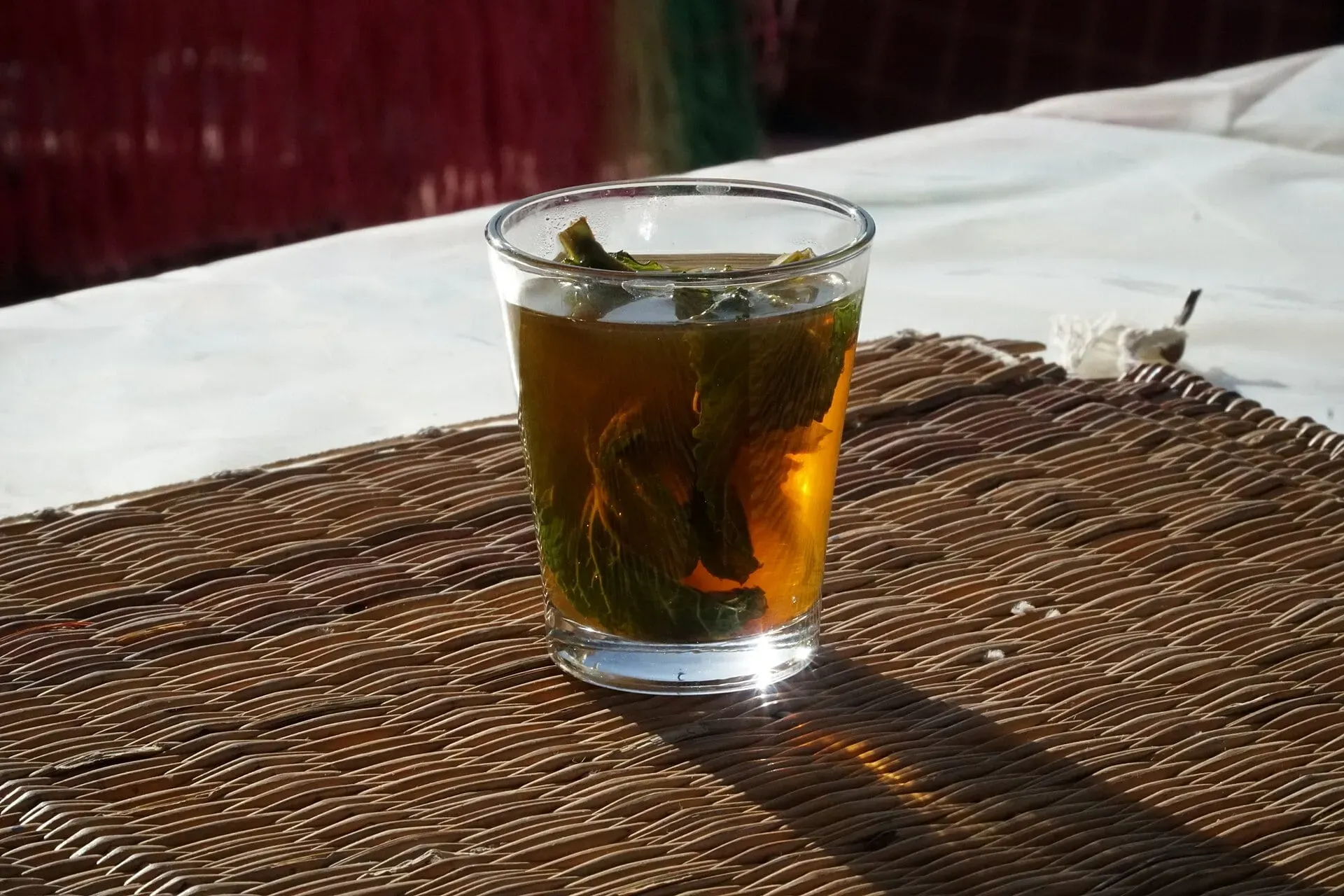
North African mint tea is gunpowder green tea brewed with spearmint and sugar. According to English Wikipedia, the British brought gunpowder to North Africa in the 18th and 19th centuries, through Morocco and Algeria.
Gunpowder is also called Pingshui gunpowder, after the town of Pingshui in Shaoxing, now part of Keqiao District, and English Wikipedia describes Pingshui gunpowder as the original and most common kind. Shengzhou, for its part, says gunpowder production began here: its gazetteer says so, and a 2026 report by the tax authorities called the city “the world’s source of gunpowder tea.” The Zhejiang Gunpowder Tea Chamber of Commerce, founded in 2001, has its seat at the Sanjie Tea Factory.
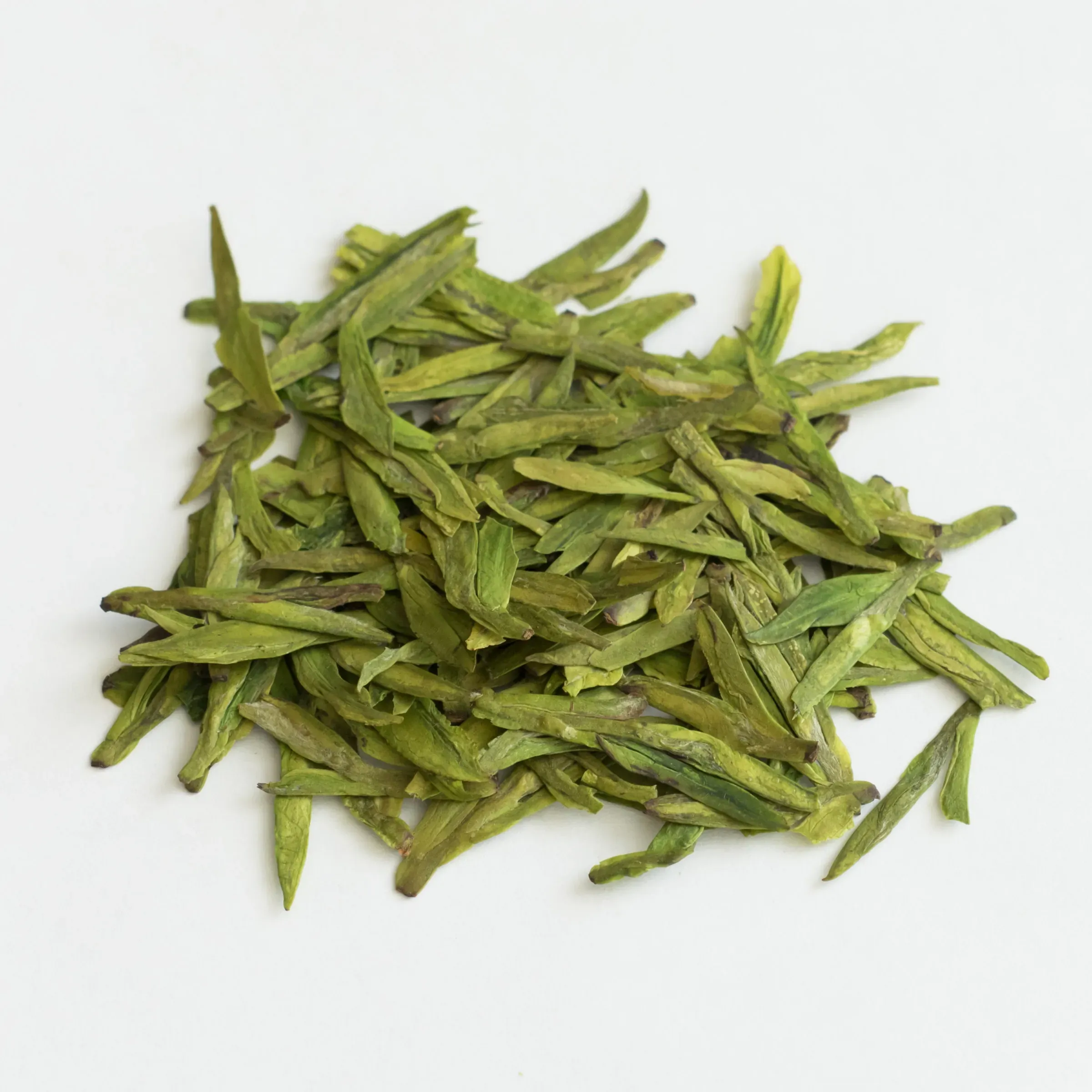
Yuexiang Longjing
From the 1990s Shengzhou put its effort into premium teas. After 1998, as their prices came within reach of ordinary households, most local families switched from gunpowder to Huibai and Longjing. In 1999 the Yuexiang Tea Company registered the Yuexiang Longjing brand, and in 2002 it sold about 3,000 tonnes. Back then the best Longjing was bought by dealers from Hangzhou and Shanghai, while most of the mid- and lower-grade tea went north to Shandong.
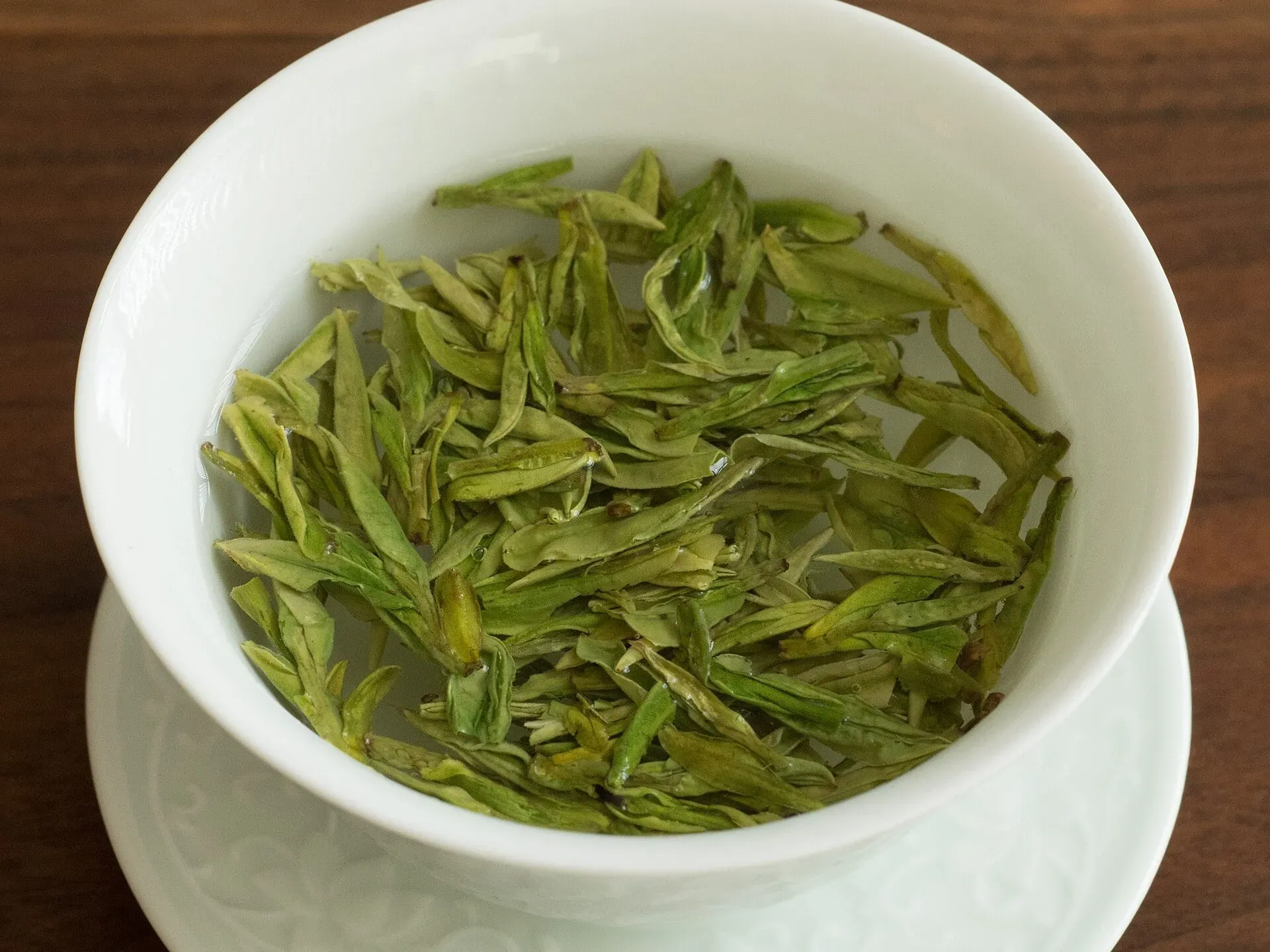
Today Shengzhou is the largest Longjing-producing area in China. According to reports in 2026, it makes more than 6,000 tonnes a year — between a quarter and a third of Zhejiang’s Longjing, depending on the report. Longjing’s protected geographical indication covers 18 counties and districts, and Shengzhou is one of them. The first place in Shengzhou to plant improved clonal tea bushes on a large scale was Yingguiyan Village in Chongren: it began propagating seedlings in 1986, and from 1990 sold them to Jiangsu, Shaanxi, Guangxi, Anhui, Fujian and other provinces.
Longjing is made in the wok. According to the gazetteer, hand roasting follows the West Lake Longjing tradition in two stages, a first roast and a finishing roast, until the leaves are flat, smooth, straight and emerald green. The roaster’s hands move through a wok at over 200°C — shaking, lifting, pressing, flattening, pushing — all by feel. Shengzhou has held a Longjing roasting contest for 25 years running, and in April 2026 it hosted Zhejiang’s provincial Longjing roasting championship, with top hands from all 18 Longjing areas.
Quangang Huibai
Shengzhou has an older famous tea too: Quangang Huibai, also written Qiangang Huibai, from Qiangang Village in Xiawang Town. The gazetteer says it was counted among China’s ten famous teas in the late Qing. Huibai is also rolled into pearls, through seven steps — fixing, a first rolling, a first drying, a second rolling, a second drying, a second pan-firing and the finishing roast — until the leaves are “round as pearls, curled like coils, white as frost, with green hidden in the white.” In 1999 Shengzhou drew up a local standard for it, the city’s first for any farm product.
How Shengzhou drinks tea
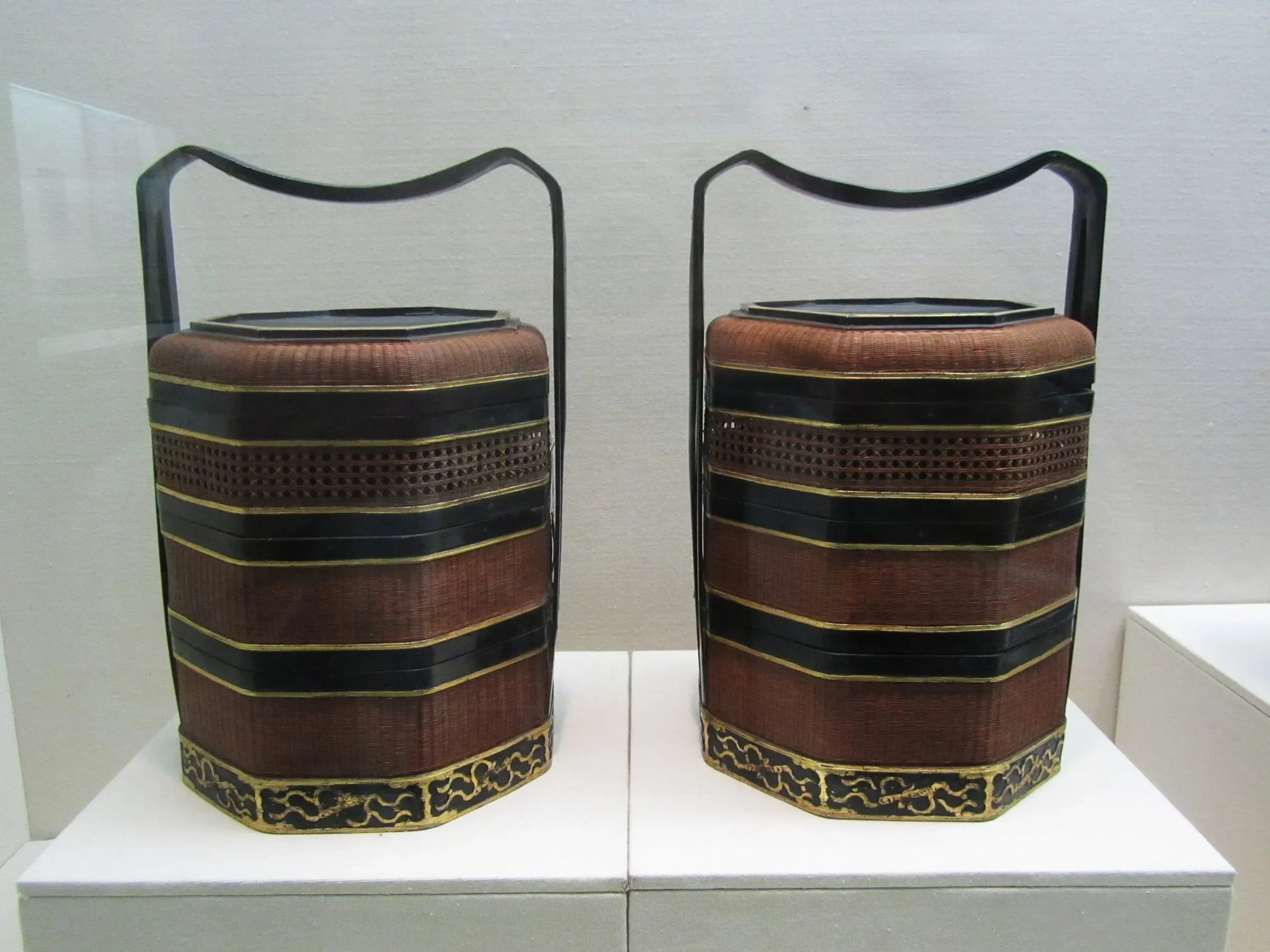
According to the gazetteer, Shengzhou people drink tea for the pleasure of it: a big handful of leaves, a big bowl, big gulps. Farming families used to keep glazed pottery tea jars — wide mouth, small spout, round belly — easy to carry out to the fields. When a guest arrives you may skip offering a meal, but never the tea: rinse a cup, add the leaves, pour as soon as the water boils, and serve it with the left hand or both hands, set down at the guest’s right; if the cup has a handle, turn it to the side the guest will reach with. At New Year, for an honored guest, or on a new son-in-law’s first visit, the tea is sweetened with sugar.
In everyday sayings, tea even comes before rice: “three meals of tea and rice,” “boil the tea, cook the rice,” “coarse tea and plain rice.” And the tea growers’ proverbs hold generations of know-how:
- Picked three days early, it’s treasure; three days late, it’s grass.
- Once spring tea passes the Start of Summer, it grows an inch a day.
- For good tea, give the bushes a cotton coat in winter.
- Leave the first flush unpicked, and the second won’t come.
Tea in Shengzhou today
April and May are the picking season. According to a 2026 report, Shengzhou has linked several tea spots into a tea-culture tour: the “lonely tree” in the tea gardens of Shenhu Village in Sanjie, often used as a location for TV dramas; wok-roasting at Shunhuang Mountain; and Xibaishan Village. The tea gardens of Xianyan Town have launched their own brand, Tushan Xianming, and ship tea to Europe on the China–Europe freight trains.
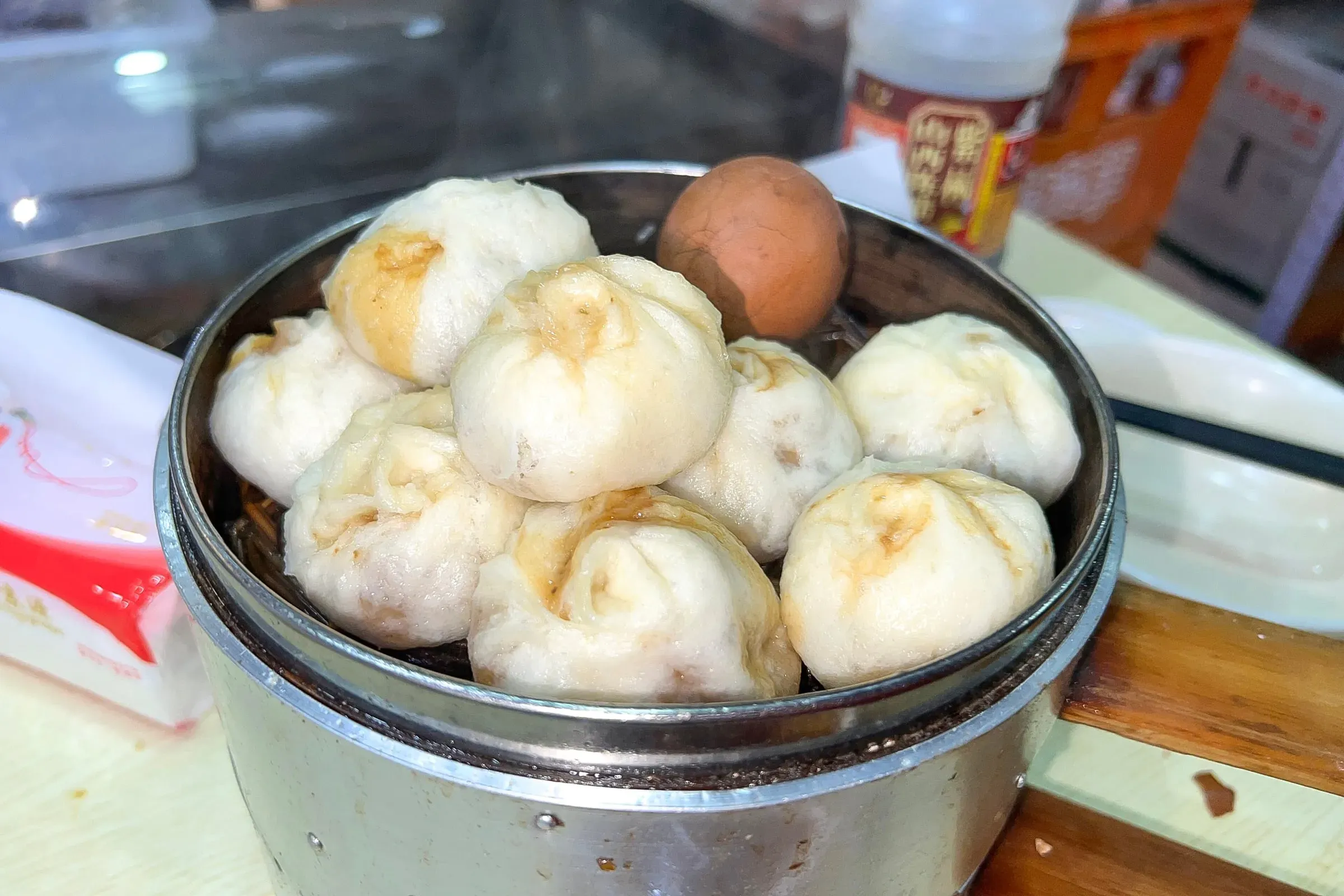
In Shengzhou, order a cup of Yuexiang Longjing with a basket of tofu buns — both are as local as it gets.
Questions & answers
How is gunpowder different from Longjing?
Both are green teas, shaped and made differently. Gunpowder is rolled into small pellets and mostly exported — it is the tea in North African mint tea; Longjing is pan-roasted flat and straight, and mostly drunk in China. Shengzhou makes both, exporting gunpowder in bulk and growing more Longjing than anywhere else.
Did gunpowder tea really start in Shengzhou?
Claims differ. Shengzhou’s gazetteer says gunpowder production began here, but the tea is also known as Pingshui gunpowder, after Pingshui in Shaoxing, and English Wikipedia calls Pingshui gunpowder the original variety. What is certain is that Shengzhou is one of the most important places where gunpowder is made and exported.
What does 3505 on a packet of gunpowder tea mean?
It is a grade code. According to Shengzhou’s gazetteer, the Sanjie Tea Factory’s 3505 is special-grade gunpowder, while 9372, 9373 and 9374 are first, second and third grade. English Wikipedia notes that 3505AAA is considered the top grade.
Is Yuexiang Longjing the same as West Lake Longjing?
No. Longjing’s protected geographical indication covers 18 counties and districts, including Shengzhou, and Yuexiang Longjing is Shengzhou’s regional brand; West Lake Longjing comes from the West Lake area of Hangzhou. Both are made the same way, pan-roasted until flat and straight.
When can you see tea picking in Shengzhou?
April and May, the peak of the picking season. Shengzhou has held a Longjing roasting contest for 25 years running; in 2026 it took place in April.