王羲之与嵊州Wang Xizhi in Shengzhou
书圣王羲之相传晚年隐居剡县金庭,他的后人至今住在华堂村。可他究竟葬在哪里,史料并不一致。
Tradition says Wang Xizhi, the Sage of Calligraphy, spent his last years at Jinting in Shengzhou, and his descendants still live in Huatang Village. Where he is actually buried is another matter.
王羲之是东晋书法家,被后人尊为“书圣”。他在嵊州留下的,是一段晚年的故事:相传他辞官后隐居剡县金庭,也就是今天的嵊州金庭镇;他的后人在附近的华堂村聚居至今。至于他最后葬在哪里,史料却说法不一。
Wang Xizhi was a calligrapher of the Eastern Jin dynasty, honored ever since as the Sage of Calligraphy. His story in Shengzhou is the story of his last years: tradition says that after leaving office he retired to Jinting in Shan county — today’s Jinting Town in Shengzhou — and his descendants still live in nearby Huatang Village. Where he was finally buried, though, the records do not agree.
书圣是谁
Who was the Sage of Calligraphy?
王羲之(约 303—361)是琅邪临沂(今山东临沂)人,官至右军将军,人称“王右军”。他把当时流行的书体变成了今草、行书和楷书,被看作中国书法的一座高峰。
Wang Xizhi (c. 303–361) came from Linyi in today’s Shandong and rose to the rank of General of the Right, so he is also called Wang Youjun, “General Wang.” He turned the scripts of his day into the running, cursive and regular scripts that followed, and is seen as a summit of Chinese calligraphy.
353 年三月初三,王羲之和孙绰等四十多位名士在会稽山阴(今绍兴)的兰亭饮酒赋诗,他为大家的诗集写了一篇序,就是后来被称为“天下第一行书”的《兰亭集序》,共 324 字。
On the third day of the third month in 353, Wang Xizhi gathered with Sun Chuo and some forty other men of letters at the Orchid Pavilion (Lanting) near Shaoxing to drink and write poems. The preface he wrote for their collection — 324 characters — became known as the finest piece of running script under heaven: the Orchid Pavilion Preface (《兰亭集序》).
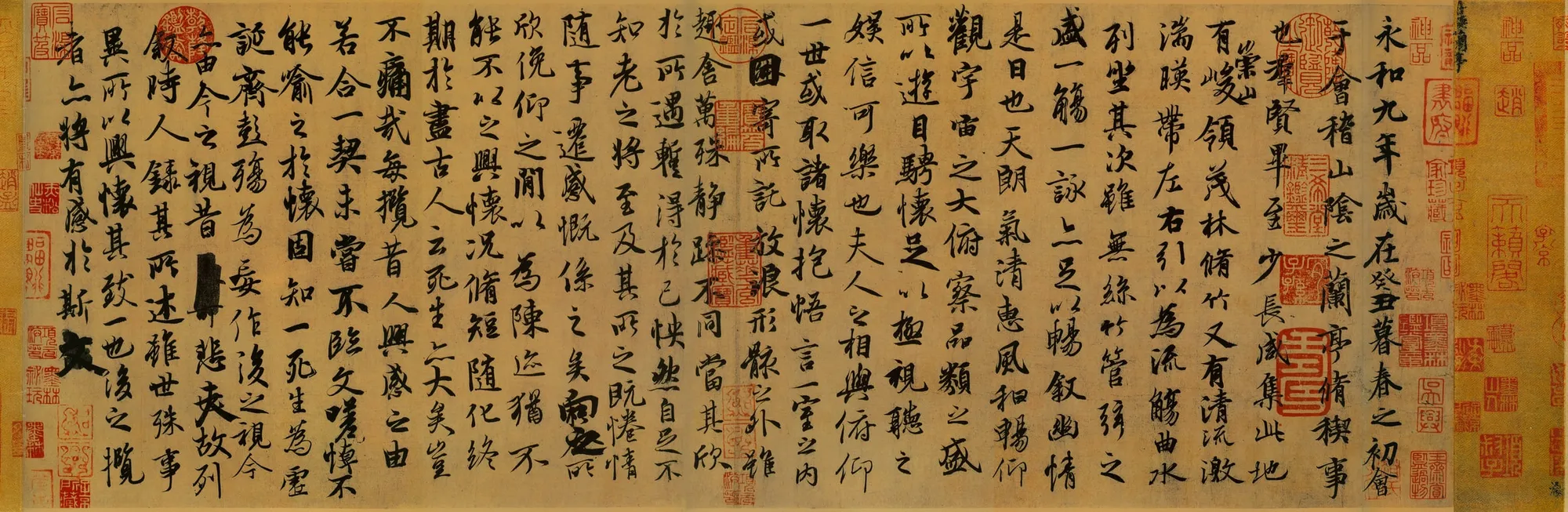
王羲之的真迹都已失传。今天看到的《兰亭序》都是后人的摹本,其中最有名的唐代“神龙本”,藏在北京故宫博物院。
None of Wang Xizhi’s originals survive. Every Orchid Pavilion Preface we see today is a later copy; the most famous, the Tang dynasty Shenlong copy, is in the Palace Museum in Beijing.
为什么说他晚年在金庭
Why Jinting?
351 年,王羲之出任会稽内史,此后在会稽一带生活了十一年。355 年,他写下《告誓文》,辞官归隐。后世的记载说,他隐居的地方就在剡县金庭。
In 351 Wang Xizhi became governor of Kuaiji, and he lived in the region for the rest of his life, eleven years in all. In 355 he wrote a solemn vow and left office for good. Later records say he retired to Jinting in Shan county.
南宋的《会稽志》(1201 年)提到,有人说嵊县的金庭观就是王右军的旧宅,他曾把读书楼舍出来做了道观。十三年后成书的嵊县县志《剡录》,也把金庭观记作“右军故宅”,说那里有书楼和墨池。据记载,他的好友许询听说他隐居金庭,特地搬来与他为邻。
The Southern Song gazetteer of Kuaiji (1201) notes that some said Jinting Temple in Sheng county was his old home, and that he gave up his study to become a Daoist temple. Shan Records, the county gazetteer finished thirteen years later, also lists Jinting Temple as his former residence, with his study and his ink pond. His friend Xu Xun is said to have moved to Jinting to live near him.
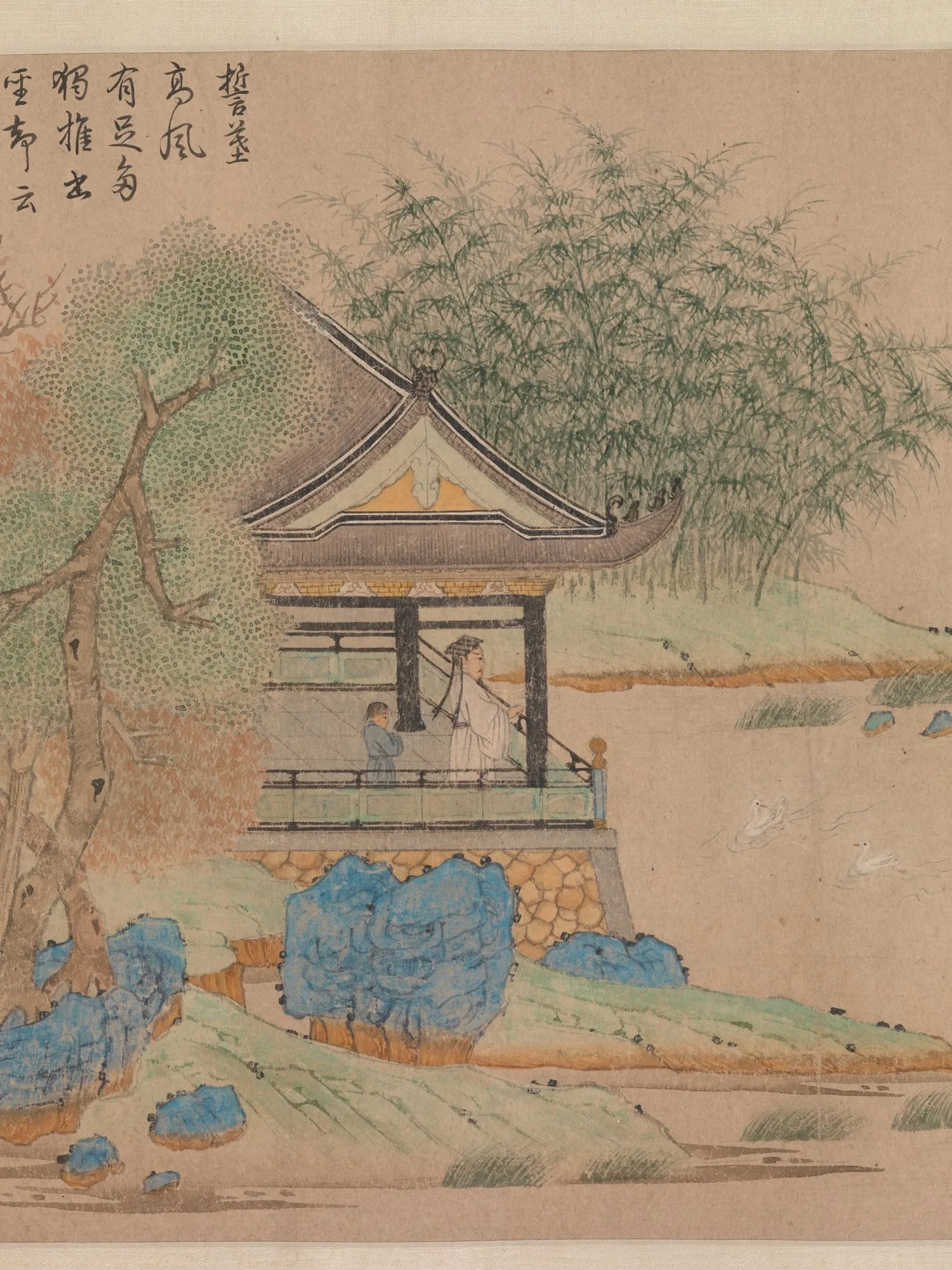
王羲之爱鹅的故事流传很广。绍兴一带流传的“王羲之传说”已列入国家级非物质文化遗产,其中就有《王羲之与鹅》。李白在《王右军》里写他:
Wang Xizhi’s love of geese is one of the best-loved stories about him. The legends of Wang Xizhi told around Shaoxing are national intangible heritage, and “Wang Xizhi and the Geese” is one of them. Li Bai wrote of him in his poem “General Wang”:
书罢笼鹅去,
何曾别主人。The writing done, he left with the geese in a cage,
without so much as a goodbye to his host.王右军墓之谜
The mystery of the tomb
金庭有一座王右军墓,地方传统认为王羲之就葬在这里。可是翻开历代文献,事情没那么简单。
Jinting has a Tomb of General Wang, and local tradition holds that Wang Xizhi lies there. But the historical record is not so simple.
据潮新闻刊发的考证文章,最早记载王羲之墓的南朝《会稽记》,说墓在诸暨的苎萝山脚下,碑文由他的好友孙绰撰写、儿子王献之书写;直到南宋嘉泰《会稽志》,仍是这个说法。嵊县的“王右军墓”,最早出现在 1214 年的《剡录》里,那时王羲之已去世八百五十多年。
According to a study published by Tide News, the earliest record of his tomb, the Record of Kuaiji from around 460, places it at the foot of Zhuluo Hill in Zhuji, with an epitaph by his friend Sun Chuo written out by his son Wang Xianzhi — and the Kuaiji gazetteer still says so in 1201. A “Tomb of General Wang” in Sheng county first appears in Shan Records in 1214, more than 850 years after his death.
金庭现存的王右军墓,墓碑显示建于明弘治十五年(1502),此后屡毁屡建。1985 年,浙江省文物局曾答复:由于确切资料不足,暂缓推荐它为省级重点文物保护单位。嵊州地方志办公室编的《王羲之金庭岁月》也写道,王羲之的真身墓在哪里,或许至今还是一个谜。
The tomb that stands at Jinting today was built, its stele shows, in 1502, and has been destroyed and rebuilt several times since. In 1985 Zhejiang’s cultural heritage bureau declined, for lack of firm evidence, to recommend it for listing as a provincial heritage site. A book published by Shengzhou’s own gazetteer office says that where Wang Xizhi truly lies may still be a mystery.
所以,比较稳妥的说法是:金庭是王羲之后人聚居的地方,这座墓寄托着后人对先祖的纪念;书圣真正长眠何处,还有待考证。
The safest way to put it: Jinting is where Wang Xizhi’s descendants settled, and the tomb is their memorial to him. Where the Sage of Calligraphy actually rests is still an open question.
华堂古村:书圣后人的家
Huatang: home of his descendants
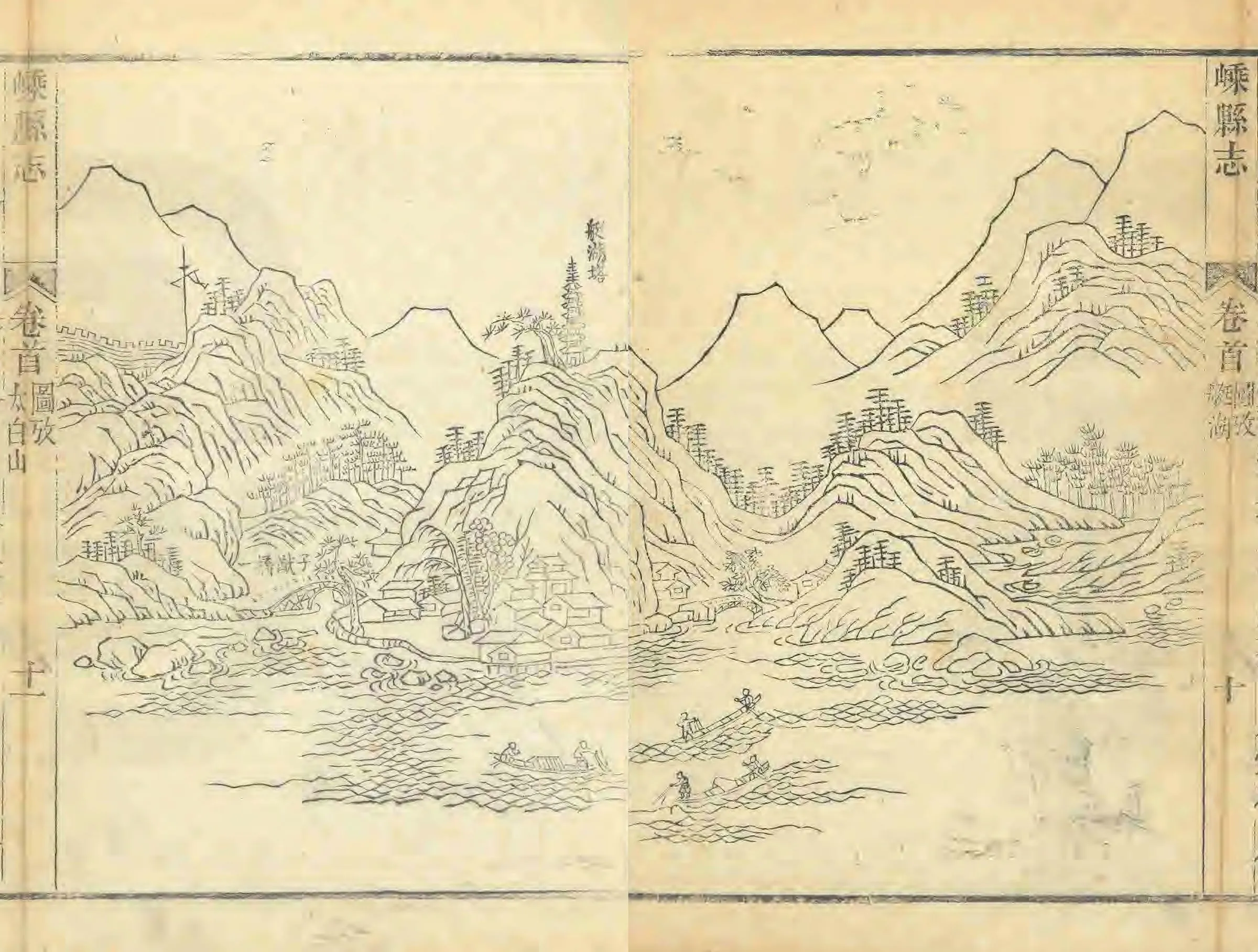
华堂村在金庭镇,被卧龙山脉和平溪江环抱,是王羲之后裔的重要聚居地。2012 年,华堂村列入第一批中国传统村落名录。
Huatang Village, in Jinting Town, sits between the Wolong hills and the Ping River and is a major home of Wang Xizhi’s descendants. In 2012 it was named in China’s first list of traditional villages.
据《人民日报》报道,村名也有来历:相传王羲之的后人多擅长书画,家家把字画挂在厅堂里供人欣赏,人称“画堂村”,后来改名“华堂”。
According to the People’s Daily, even the village’s name has a story: his descendants were said to be so good at calligraphy and painting that every family hung their work in the hall for visitors, and people called it Huatang 画堂, “painted hall,” later written 华堂.
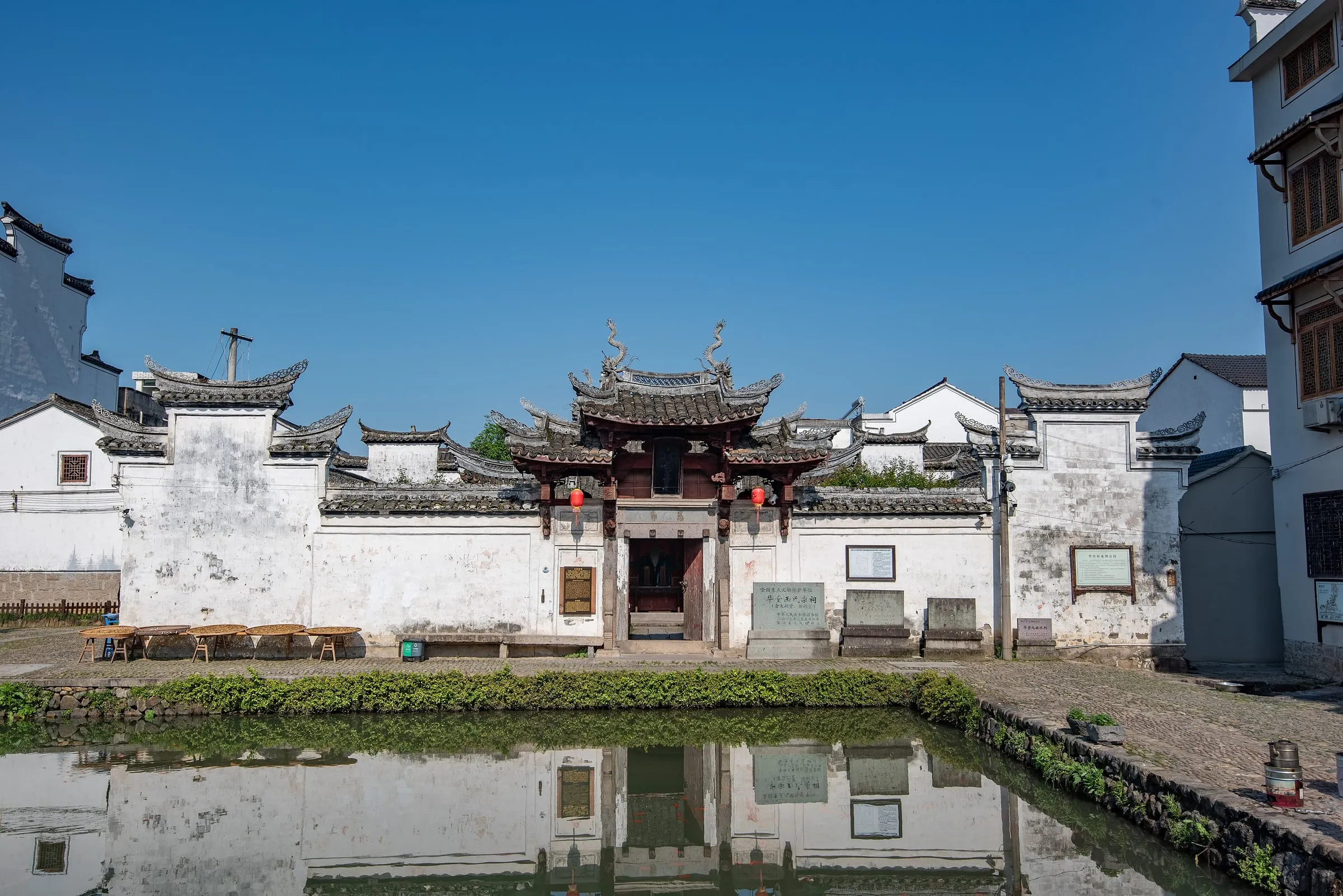
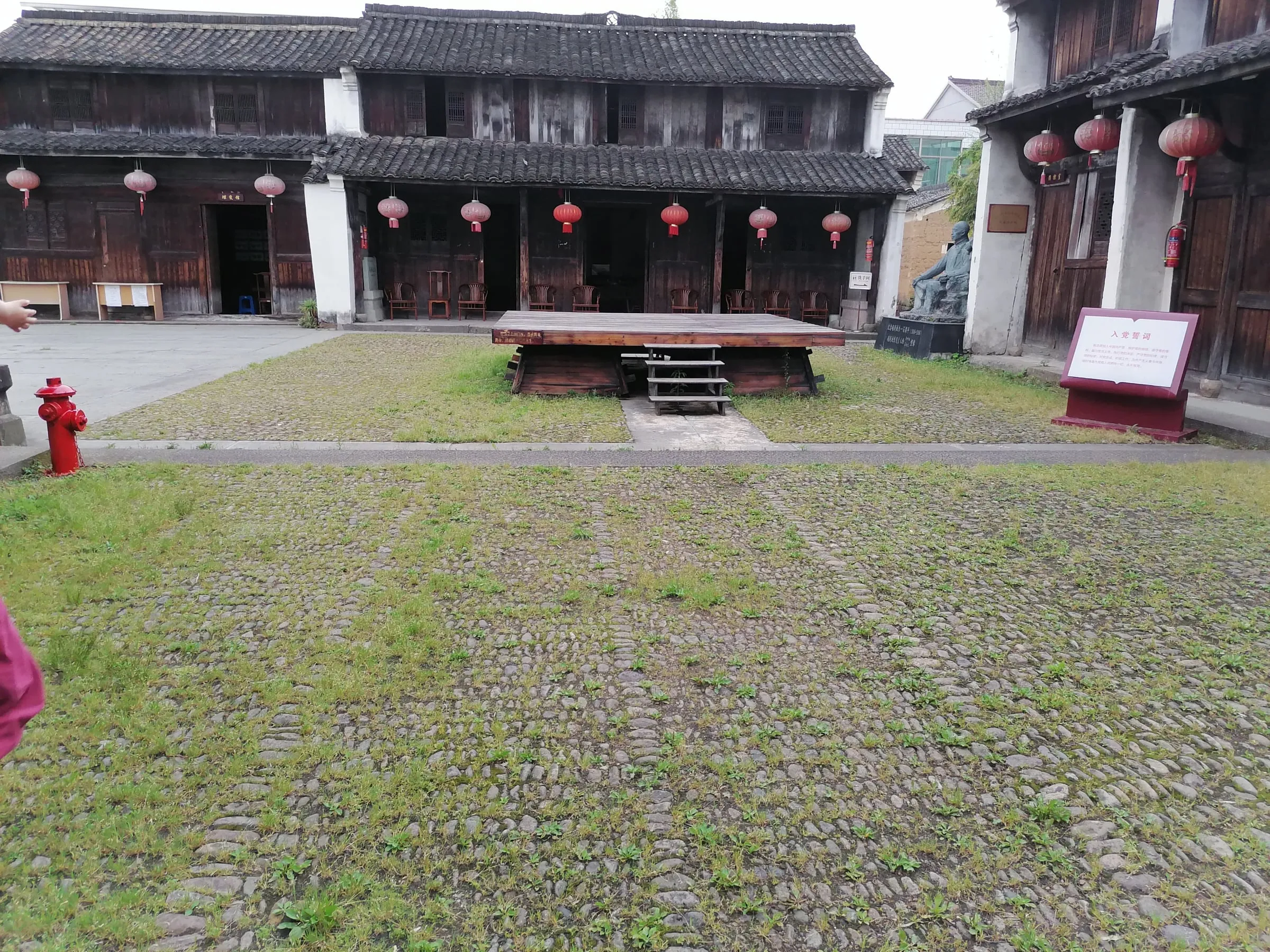
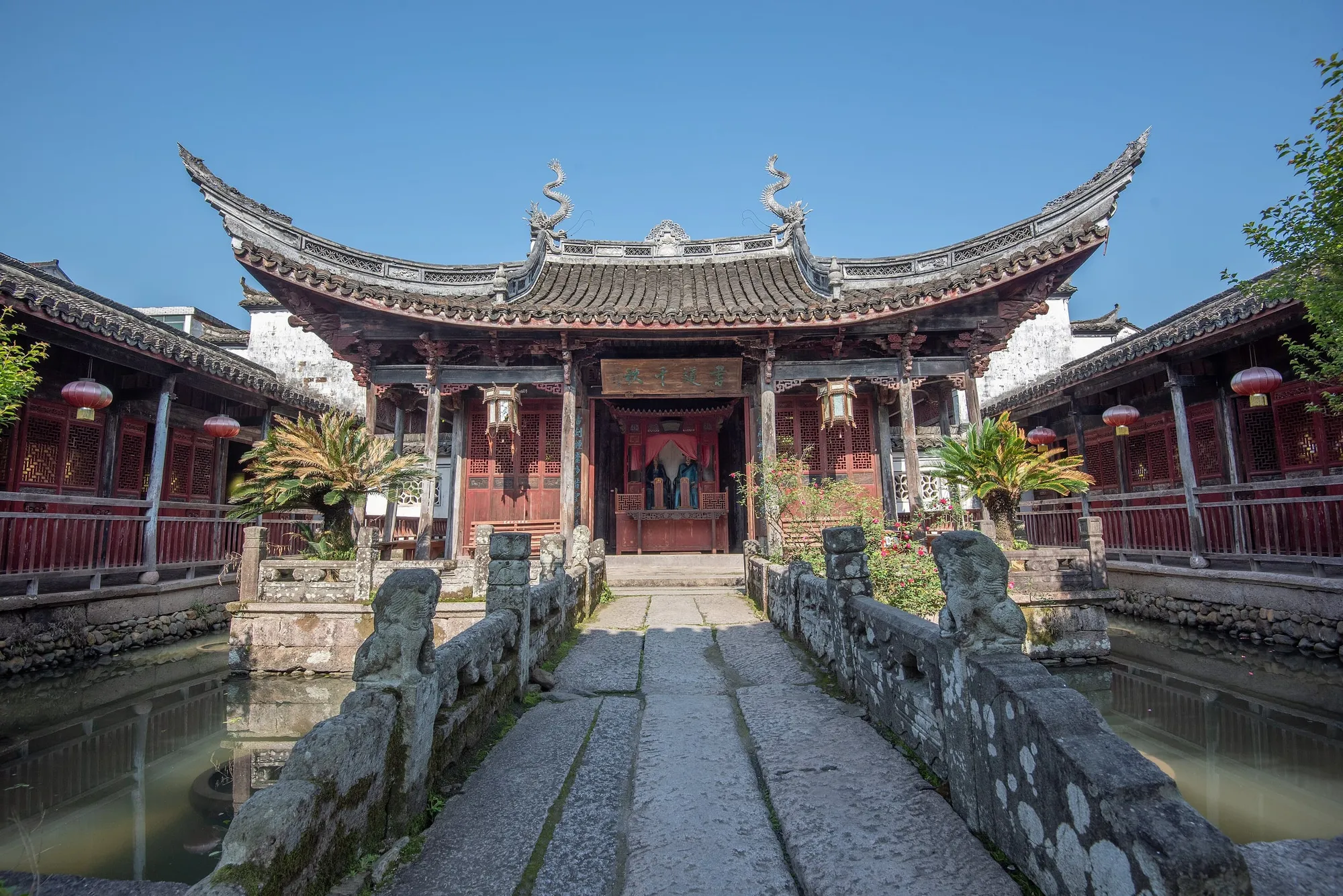
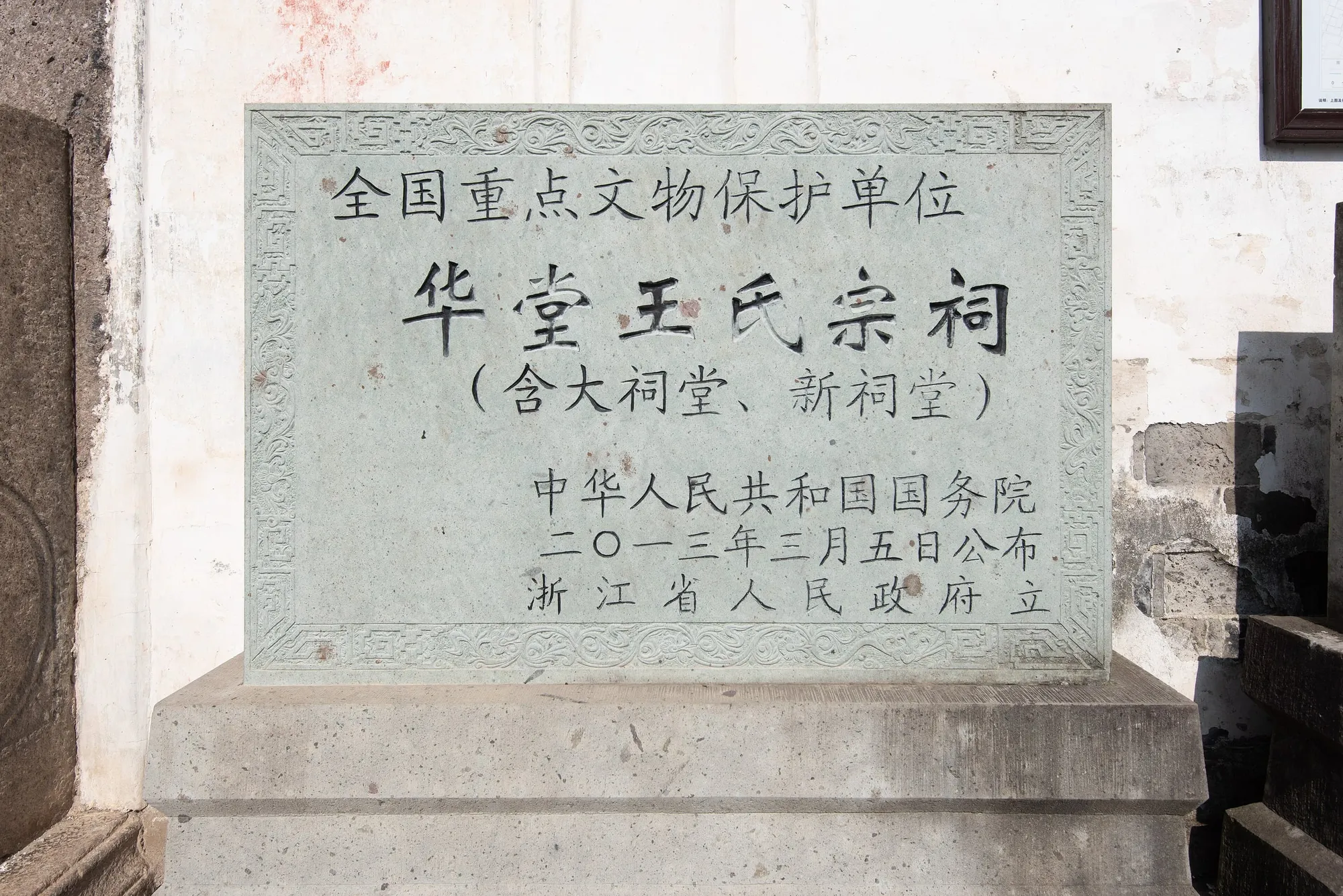
村里保留着大片明清建筑:55 座老台门、3200 米长的鹅卵石街巷、九曲水圳、进士牌坊和古戏台。最有名的是明正德年间始建的王氏宗祠,前有牌楼、石桥和瑞莲池,2013 年和新祠堂一起列为全国重点文物保护单位。
The village keeps a large group of Ming and Qing buildings: 55 old courtyard houses, 3.2 kilometers of cobbled lanes, a winding water channel, an archway for successful scholars and an old opera stage. Its pride is the Wang ancestral hall, begun in the Zhengde years of the Ming dynasty, with a gateway, a stone bridge and a lotus pond in front. In 2013 it was listed, together with the newer hall, as a major national heritage site.
2023 年 6 月,由民国时期丝厂旧址改建的王羲之艺术馆在村里揭牌,和西泠印社合办了第一届“金庭风韵”国际书法篆刻展。村里还有书法体验馆,不时有人在老宅里临帖。
In June 2023 a Wang Xizhi Art Museum opened in a converted Republic-era silk mill in the village, and held its first international calligraphy and seal-carving exhibition together with the Xiling Seal Art Society. There is a calligraphy studio too, and you will often see people copying model scripts in the old houses.
去金庭走走
Visiting Jinting
到华堂村,可以先走一走古村的街巷和王氏宗祠,再去村后的山坡:金庭观和王右军墓就在那里。金庭观里有山门、书画廊、书圣殿、雪溪书院和右军祠,书画廊用一幅幅画讲述王羲之的一生。
In Huatang, wander the lanes and the ancestral hall first, then climb the hillside behind the village to Jinting Temple and the Tomb of General Wang. The temple has a gate, a gallery of calligraphy and paintings, a hall to the Sage of Calligraphy, an academy and a shrine to Wang Xizhi; the gallery tells his life in a series of paintings.
常见问题Questions & answers
王羲之葬在哪里?Where is Wang Xizhi buried?
说法不一。嵊州金庭有王右军墓,地方传统认为他葬在这里;但最早的记载(南朝《会稽记》)说他的墓在诸暨苎萝山。金庭现存的墓建于 1502 年,嵊州地方志办公室编的书也认为,他的真身墓在哪里或许至今是个谜。
Accounts differ. There is a Tomb of General Wang at Jinting in Shengzhou, and local tradition says he lies there, but the earliest record, from around 460, puts his tomb at Zhuluo Hill in Zhuji. The present tomb at Jinting was built in 1502, and a book from Shengzhou’s own gazetteer office says where he truly lies may still be a mystery.
王羲之和嵊州有什么关系?What is Wang Xizhi’s link to Shengzhou?
他 351 年到会稽(今绍兴)做官,在那一带生活了十一年,355 年辞官。相传他晚年隐居剡县金庭,也就是今天的嵊州金庭镇;金庭观据说是他的旧宅,附近的华堂村至今住着他的后人。
He went to Kuaiji (today’s Shaoxing) as governor in 351, lived in the region for eleven years, and left office in 355. Tradition says he spent his last years at Jinting in Shan county, today’s Jinting Town in Shengzhou; Jinting Temple is said to stand on his old home, and his descendants still live in nearby Huatang Village.
《兰亭序》的真迹还在吗?Does the original Orchid Pavilion Preface survive?
不在了。王羲之的真迹都已失传,今天看到的《兰亭序》都是后人的摹本,最有名的唐代“神龙本”藏在北京故宫博物院。
No. None of Wang Xizhi’s original works survive; every Orchid Pavilion Preface we see today is a later copy. The best known, the Tang dynasty Shenlong copy, is in the Palace Museum in Beijing.
王羲之为什么爱鹅?Why is Wang Xizhi linked with geese?
王羲之爱鹅是流传很广的故事。“王羲之传说”是国家级非物质文化遗产,其中就有《王羲之与鹅》;李白也写过“书罢笼鹅去”。
His love of geese is one of the best-known stories about him. The legends of Wang Xizhi are national intangible heritage, and “Wang Xizhi and the Geese” is among them; Li Bai wrote of him leaving “with his geese in a cage” once the writing was done.
华堂村有什么可看的?What is there to see in Huatang Village?
明代的王氏宗祠、55 座老台门、3200 米鹅卵石街巷、九曲水圳、古戏台和王羲之艺术馆。村后就是金庭观和王右军墓。
The Ming dynasty Wang ancestral hall, 55 old courtyard houses, 3.2 km of cobbled lanes, a winding water channel, an old opera stage and the Wang Xizhi Art Museum. Jinting Temple and the Tomb of General Wang are just behind the village.