The Birthplace of Yue Opera
In spring 1906, a few storytellers built a stage of rice tubs and door planks in a Shengzhou village, and Yue opera was born. A hundred and twenty years on, it is China’s second-largest form of traditional opera.
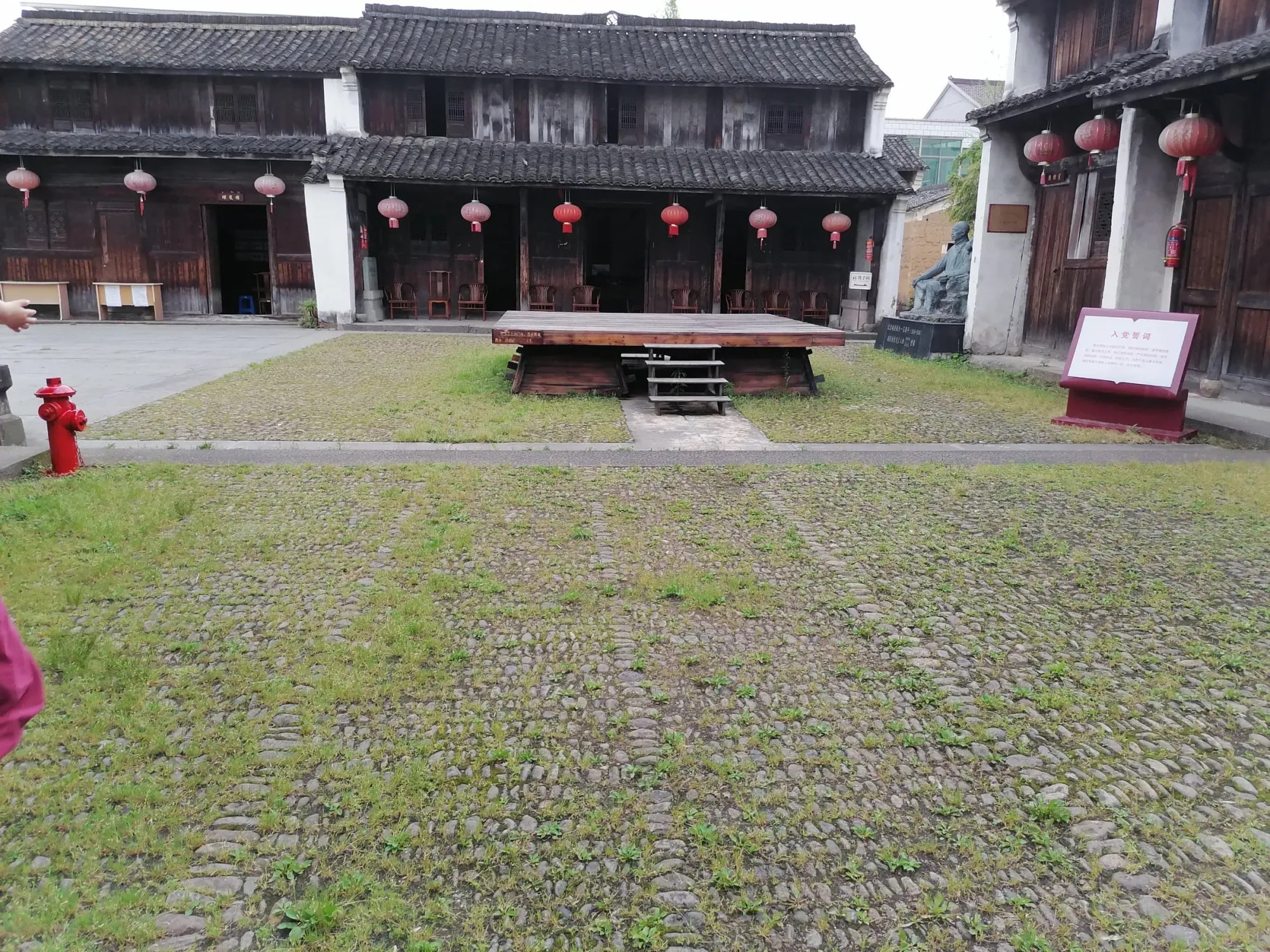
Yue opera (越剧) is one of the most widely loved forms of Chinese opera, often called the country’s second-largest after Peking opera. It was born in Shengzhou, and in 2026 it turns 120.
From storytelling to the “little song troupes”
In the late Qing dynasty, folk tunes of many kinds were sung in the fields around Shengzhou, and out of them grew a form of sung storytelling called luodi changshu (落地唱书). Performers went from village to village, half speaking and half singing their tales.
On March 27, 1906, in front of the ancestral hall of Dongwang Village in Ganlin, a few of these storytellers — Li Shiquan, Gao Binghuo and others — built a makeshift stage from four rice-threshing tubs and some door planks. In simple costumes, they performed Two Golden Flowers (《双金花》) and other pieces. That day is considered the birthday of Yue opera.
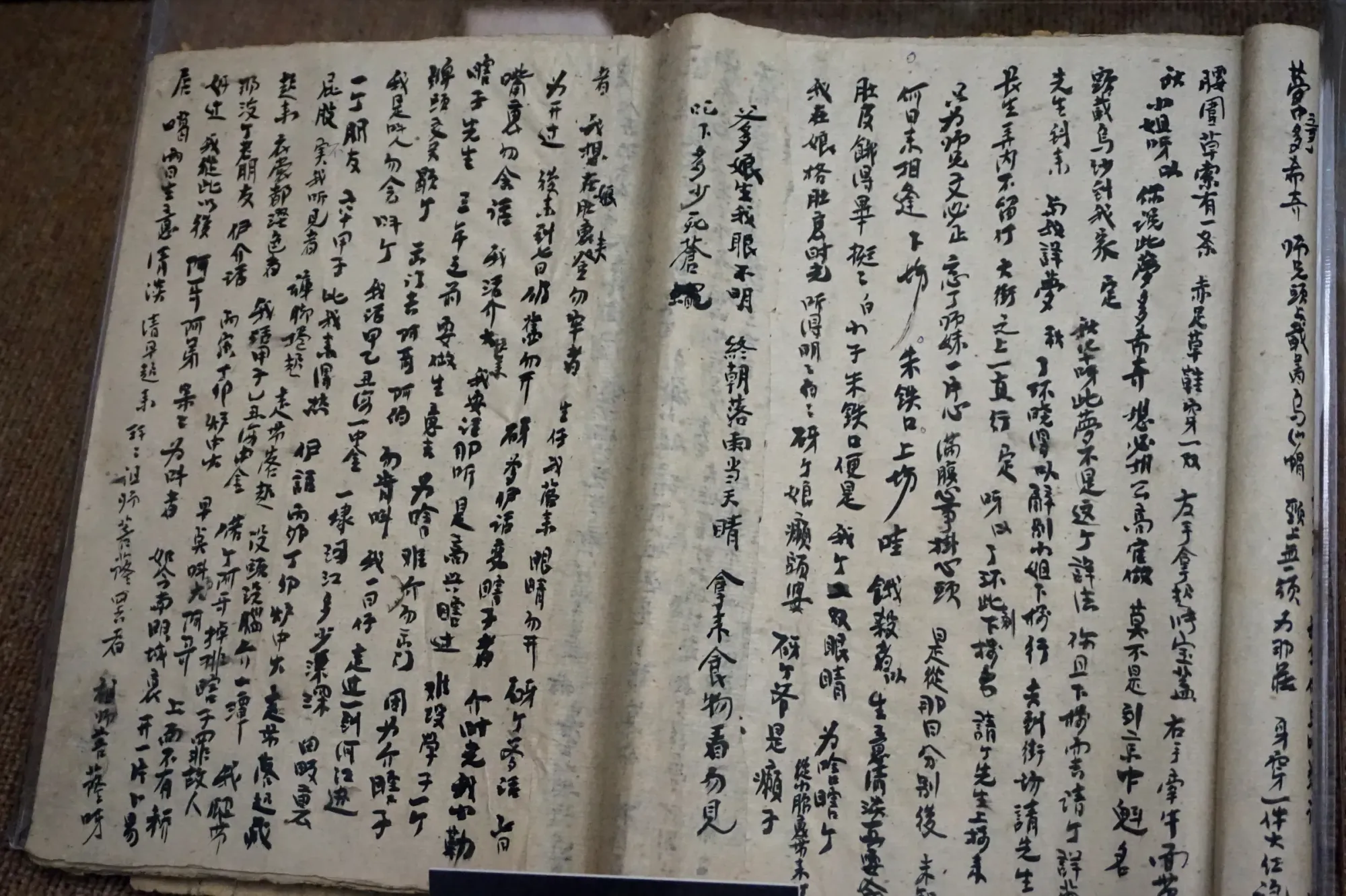
At first it was called the “little song troupe” (小歌班) or the “di-du troupe” (的笃班), after the sound of its clappers. Troupes of seven or eight people toured the countryside, and their plain lyrics and heartfelt singing quickly won over rural audiences. In 1917 the troupes reached Shanghai for the first time, and from 1921 the form was called Shaoxing wenxi, “Shaoxing civil opera.”
Women take the stage
The earliest Yue opera performers were all men. In 1923, a local man named Wang Jinshui came home and started the first all-female Yue opera school in Shijia’ao Village, Ganlin, breaking the old rule that women could not perform on stage. Its students, including Shi Yinhua, Zhao Ruihua and Tu Xinghua, became the genre’s first stars and took Yue opera to the stages of Shanghai.
After 1937 the men’s troupes declined and women’s troupes took over. Around 1938, Shaoxing civil opera took the name Yue opera — Yue (越) being the old name for this part of Zhejiang. Accounts still differ on exactly how and when the new name was settled.
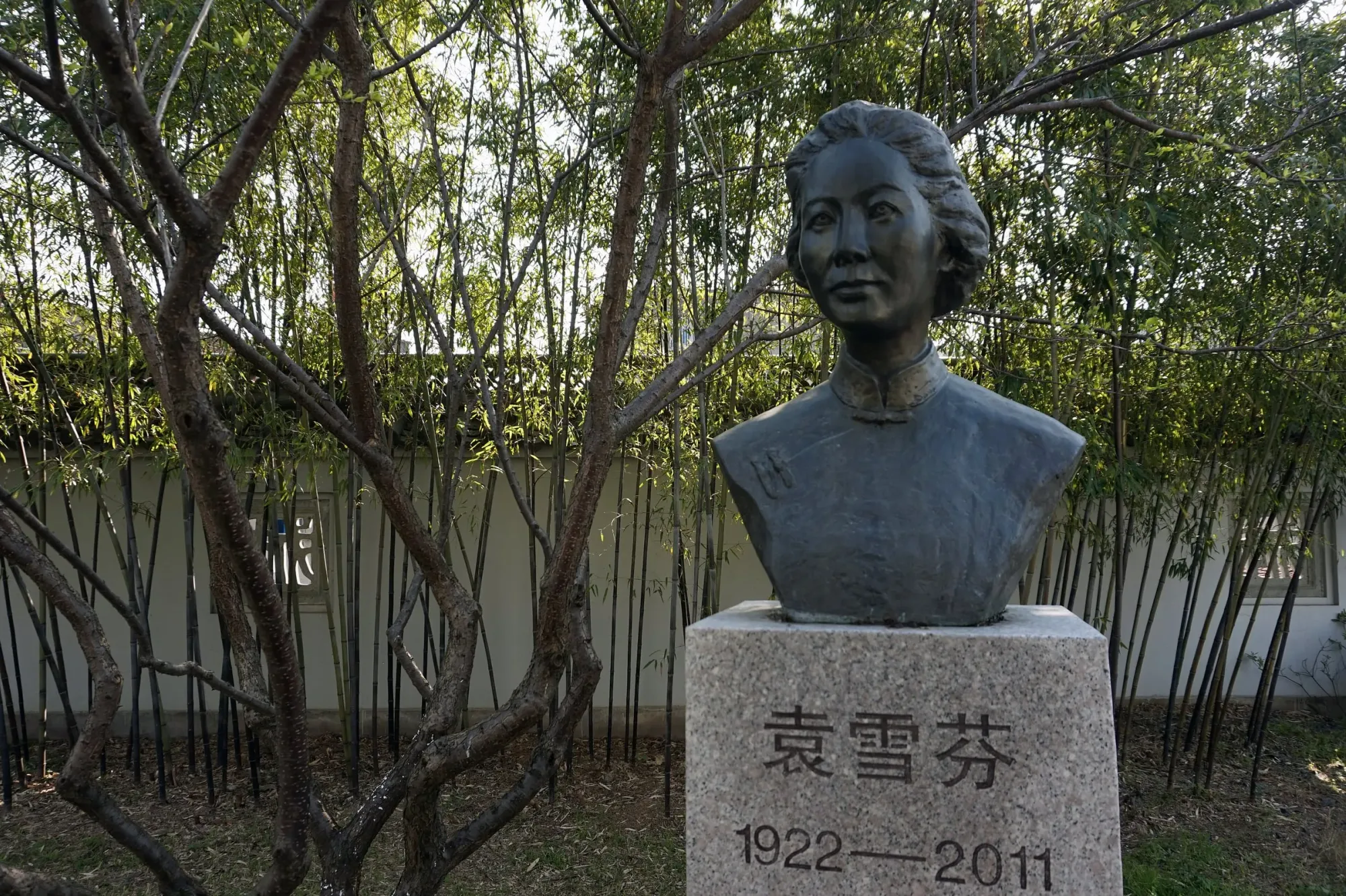
In 1942, Yuan Xuefen and others in Shanghai began a reform of the form, opening the era of “new Yue opera.” In 1947, ten leading actresses — among them Yuan Xuefen, Yin Guifang, Xu Yulan, Fan Ruijuan and Fu Quanxiang — staged a joint benefit performance of Love Between Mountains and Rivers (《山河恋》) and became known as the “Ten Sisters” of Yue opera.
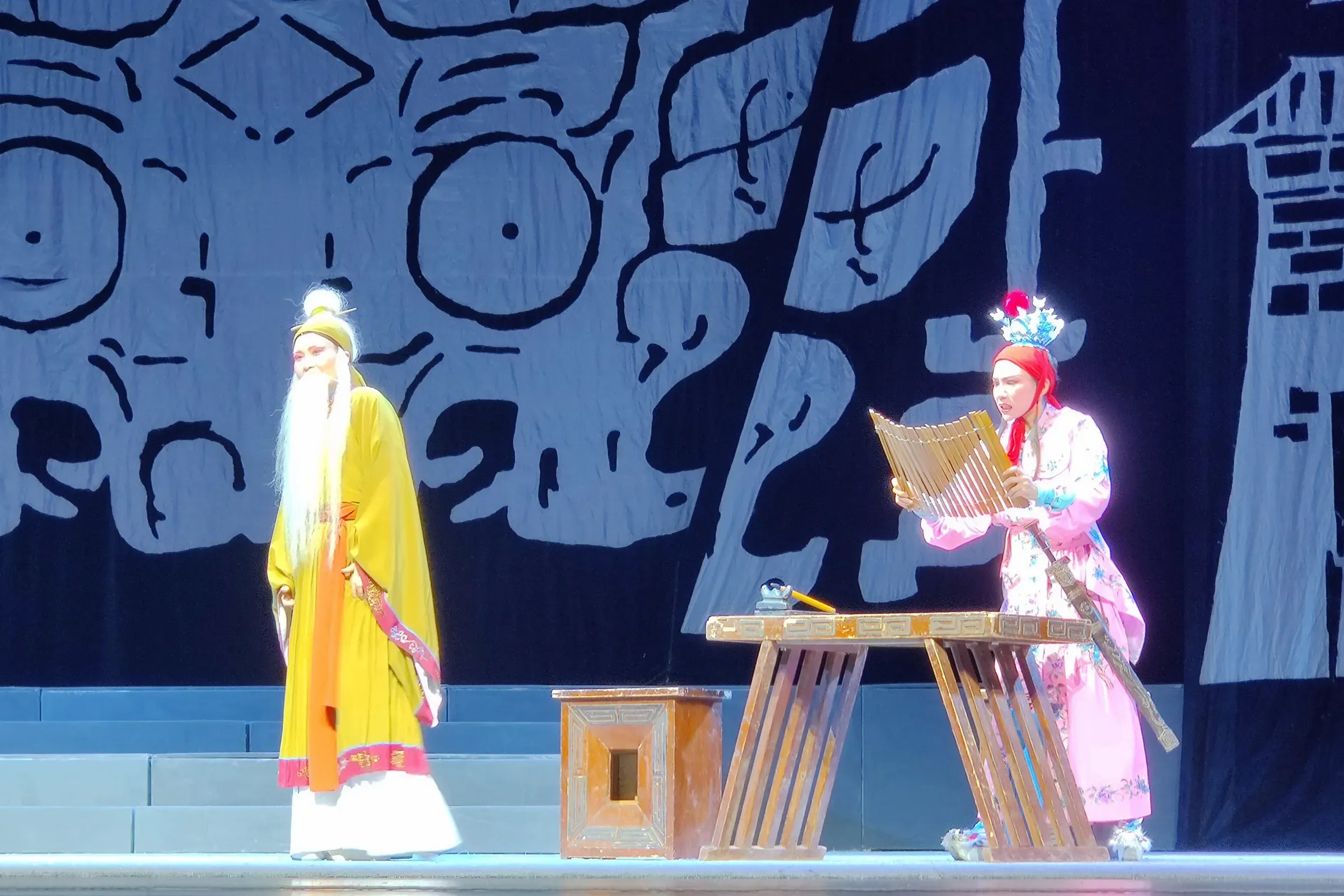
Since then, women have been at the heart of Yue opera, and they often play the male roles, too. It is one of the things that make the form unique.
Yue opera vs. Peking opera
Yue opera is often compared with Peking opera. One comes from the south and one from the north, and they differ in both origin and flavor.
In short, Peking opera is the older form: it took shape in Beijing after the Anhui troupes arrived in the capital in 1790, its music is built on the xipi and erhuang melodies, and it is accompanied mainly by the huqin fiddle, gongs and drums. Yue opera is much younger: it came out of the Shengzhou countryside only in 1906 and flourished in Shanghai; its stage speech is based on the Shengzhou dialect, its melodies are soft and lyrical, and most of its performers are women. Compared with Peking opera, its makeup and sets are also more realistic.
The Butterfly Lovers and Yue opera
Among Yue opera’s classics is Liang Shanbo and Zhu Yingtai (《梁山伯与祝英台》), the story known in English as The Butterfly Lovers; the Yue opera was made into a color film in 1954. In 1959 two students at the Shanghai Conservatory of Music, He Zhanhao and Chen Gang, wrote the Butterfly Lovers Violin Concerto on the basis of the opera and its melodies. It was first performed in Shanghai that year, with Yu Lina as soloist. So people who have never seen a Yue opera may well have heard its tunes already, in this concerto.
For the story and its oldest records, the places that claim it, and how the opera, the film and the concerto came about, see The Butterfly Lovers and Yue Opera.
Yue opera today
After 1949, Yue opera spread across China, and at one point there were more than 260 professional troupes. In the 1980s, Zhejiang’s young Xiaobaihua troupe drew crowds wherever it went, a craze that became known as the Xiaobaihua phenomenon.
In the last few years Yue opera has caught on again with young people. In 2023 the immersive production New Dragon Inn (《新龙门客栈》) broke out of the traditional stage, and a spinning scene with Chen Lijun, an actress born in Shengzhou, and her stage partner Li Yunxiao drew views in the billions online. In 2025 Chen won the Wenhua Performance Award for playing Jia Baoyu in My Grand View Garden (《我的大观园》).
In Shengzhou they say Yue opera belongs to everyone “from old men with white beards to toddlers in split pants.” According to China News Service, Shengzhou alone has 117 private troupes giving about 30,000 performances a year. In 2023 the city started a village Yue opera league, and in May 2025 a Yue opera college of the Zhejiang Conservatory of Music opened in Shengzhou — the first college in China built around Yue opera.
120 years on
On March 27, 2026, Yue opera’s 120th birthday, the anniversary was marked in Shengzhou. At a tribute performance the night before, leading singers of thirteen schools — the Yin, Yuan and Fan schools among them — sang famous scenes from The Story of the Western Wing and other classics.
From a straw stage in the Shengzhou countryside, Yue opera has been sung all over China, and far beyond.
Seeing Yue opera in Shengzhou
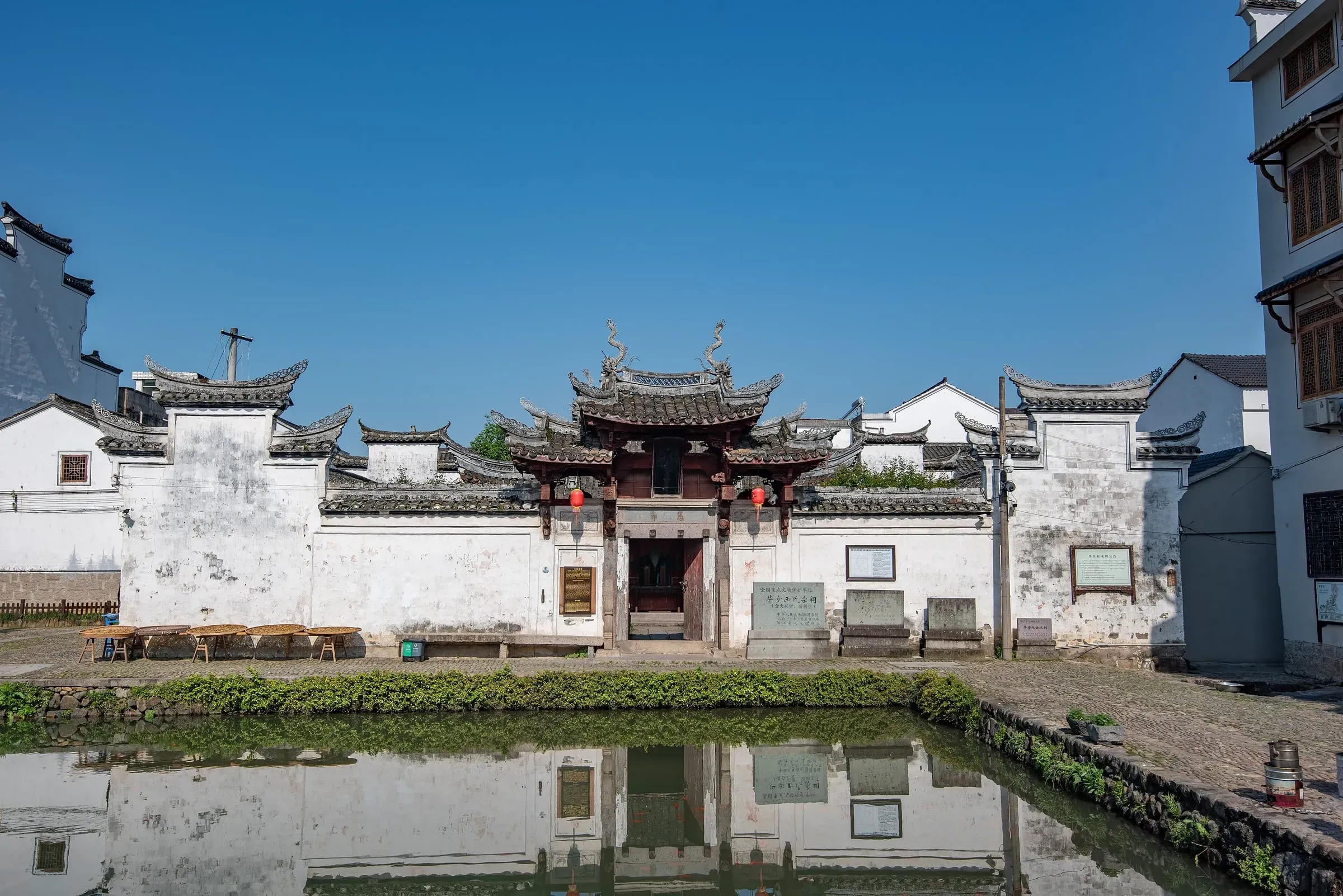
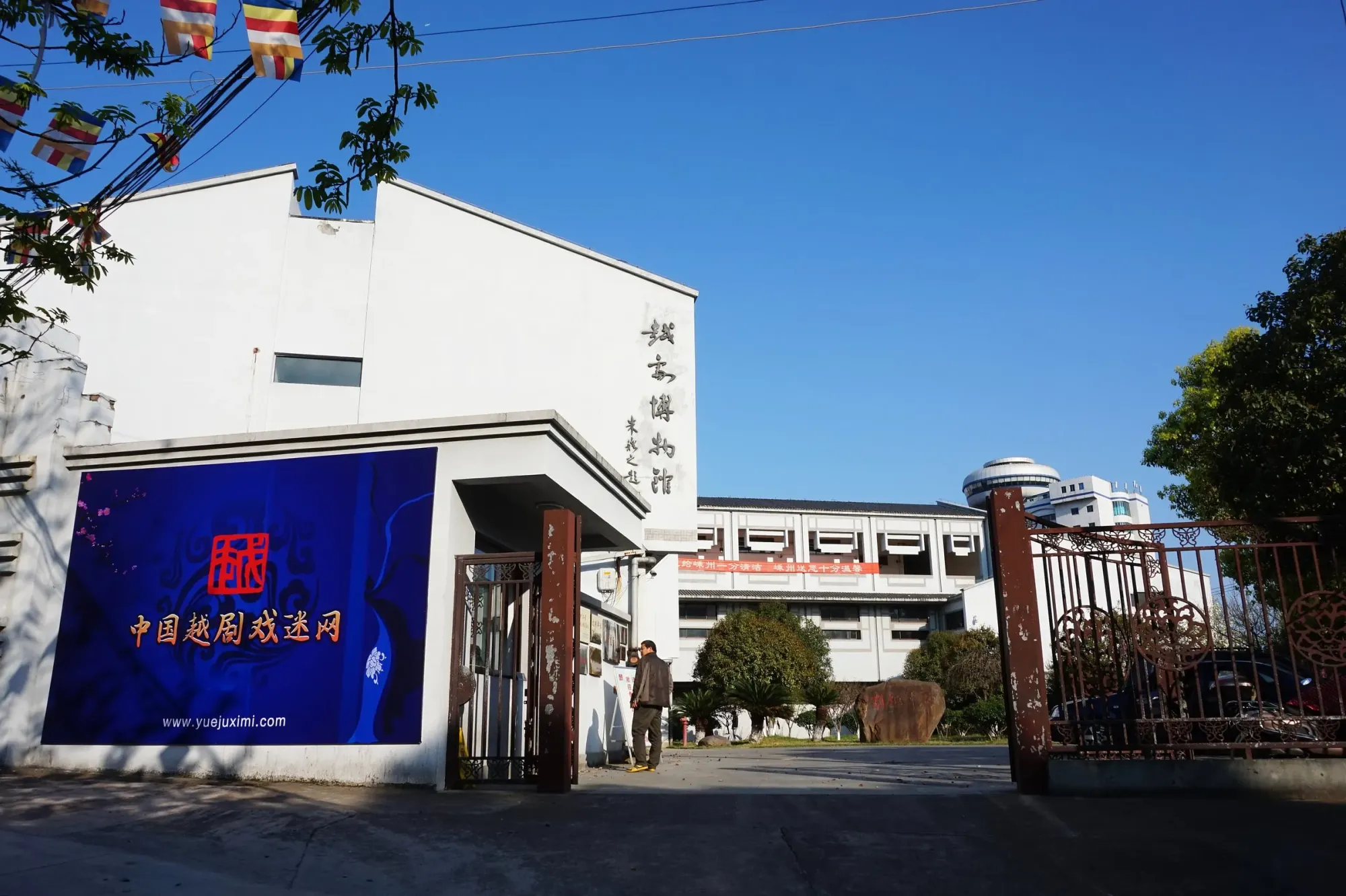
To see where it all began, visit Dongwang Village, the Yue Opera Town around Shijia’ao, and the Yue Opera Museum, which moved into a new building in the Yue Opera Town on May 18, 2023. In town, Dongqian Street has a row of Yue opera gift shops around its old stage, and the old stage in the Yushan Ancestral Hall at Chongren is where many early performers got their start.
Shengzhou has also brought Yue opera into its villages, streets and sights, with pop-up performances, immersive shows and craft markets, so visitors can hear a few bars just by wandering around. To fit these into a one- or two-day trip, see Following the Tang Poets Through Shengzhou.
Questions & answers
Where did Yue opera begin?
In Shengzhou, Zhejiang. On March 27, 1906, a few storytellers performed on a stage of rice tubs and door planks in Dongwang Village, Ganlin. That day is counted as Yue opera’s birthday.
Why are Yue opera performers mostly women?
The earliest performers were all men. The first all-female school opened in Shengzhou in 1923, and women’s troupes were a hit in Shanghai; after 1937 the men’s troupes declined, women’s troupes took over, and women came to play the male roles too.
Where does the name Yue opera come from?
Yue (越) is the old name for this part of Zhejiang. The form was first called the “little song troupe,” the “di-du troupe” and “Shaoxing civil opera,” and took the name Yue opera around 1938.
What is the difference between Yue opera and Peking opera?
Peking opera took shape in Beijing after the Anhui troupes came to the capital in 1790; its music is built on the xipi and erhuang melodies, accompanied mainly by the huqin fiddle, gongs and drums. Yue opera was born in Shengzhou, Zhejiang, in 1906 and flourished in Shanghai; its stage speech is based on the Shengzhou dialect, its melodies are soft and lyrical, and most of its performers are women, who often play the male roles too.
What language is Yue opera sung in?
Its stage speech is based on the Shengzhou dialect; some sounds are close to Mandarin, while others keep their Shengzhou pronunciation.
What does the Butterfly Lovers Violin Concerto have to do with Yue opera?
Its main theme uses Yue opera melodies. In 1959 He Zhanhao and Chen Gang, students at the Shanghai Conservatory of Music, wrote the concerto on the basis of the Yue opera Liang Shanbo and Zhu Yingtai.
How big is Yue opera?
It is often called China’s second-largest form of traditional opera, after Peking opera. After 1949 there were once more than 260 professional Yue opera troupes across China.
Who is Chen Lijun?
A young Yue opera actress born in Shengzhou. She became an online sensation in New Dragon Inn in 2023, and in 2025 won the Wenhua Performance Award for playing Jia Baoyu in My Grand View Garden.
Where can I see Yue opera in Shengzhou?
At Dongwang Village where it began, the Yue Opera Town around Shijia’ao and its Yue Opera Museum, and the old stage on Dongqian Street in town. Village stages and halls often host performances too.