Hanshan (Cold Mountain) and Shide
Hanshan, a Tang dynasty recluse, lived in a cave on Mount Tiantai and wrote his poems on bamboo, trees and rock faces; Shide, who worked in the kitchen of Guoqing Temple, was his closest friend. In time the pair became China’s Twin Immortals of Harmony, and Hanshan’s poems crossed the sea to win admirers from Japan’s great haiku poet to America’s Beat Generation.
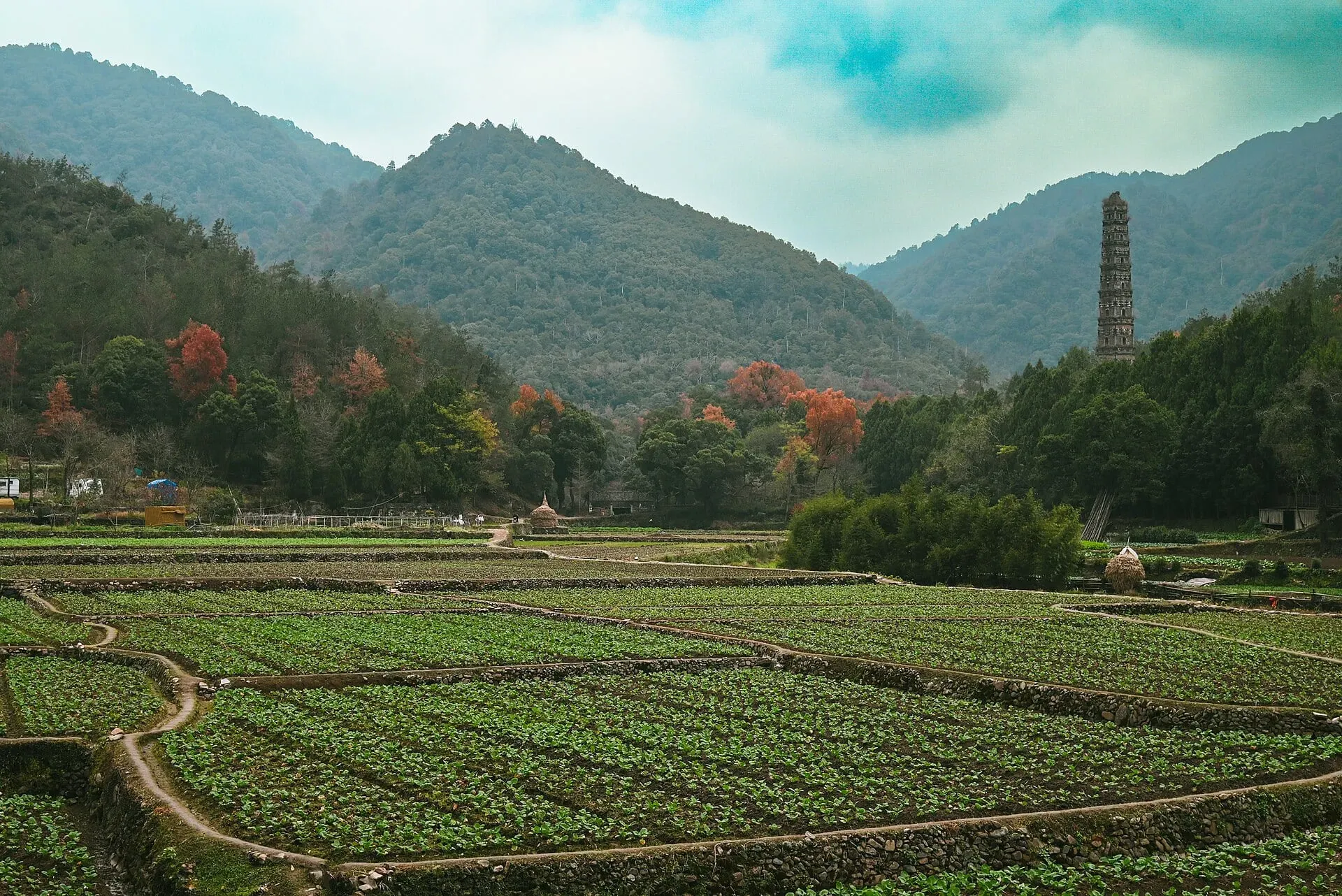
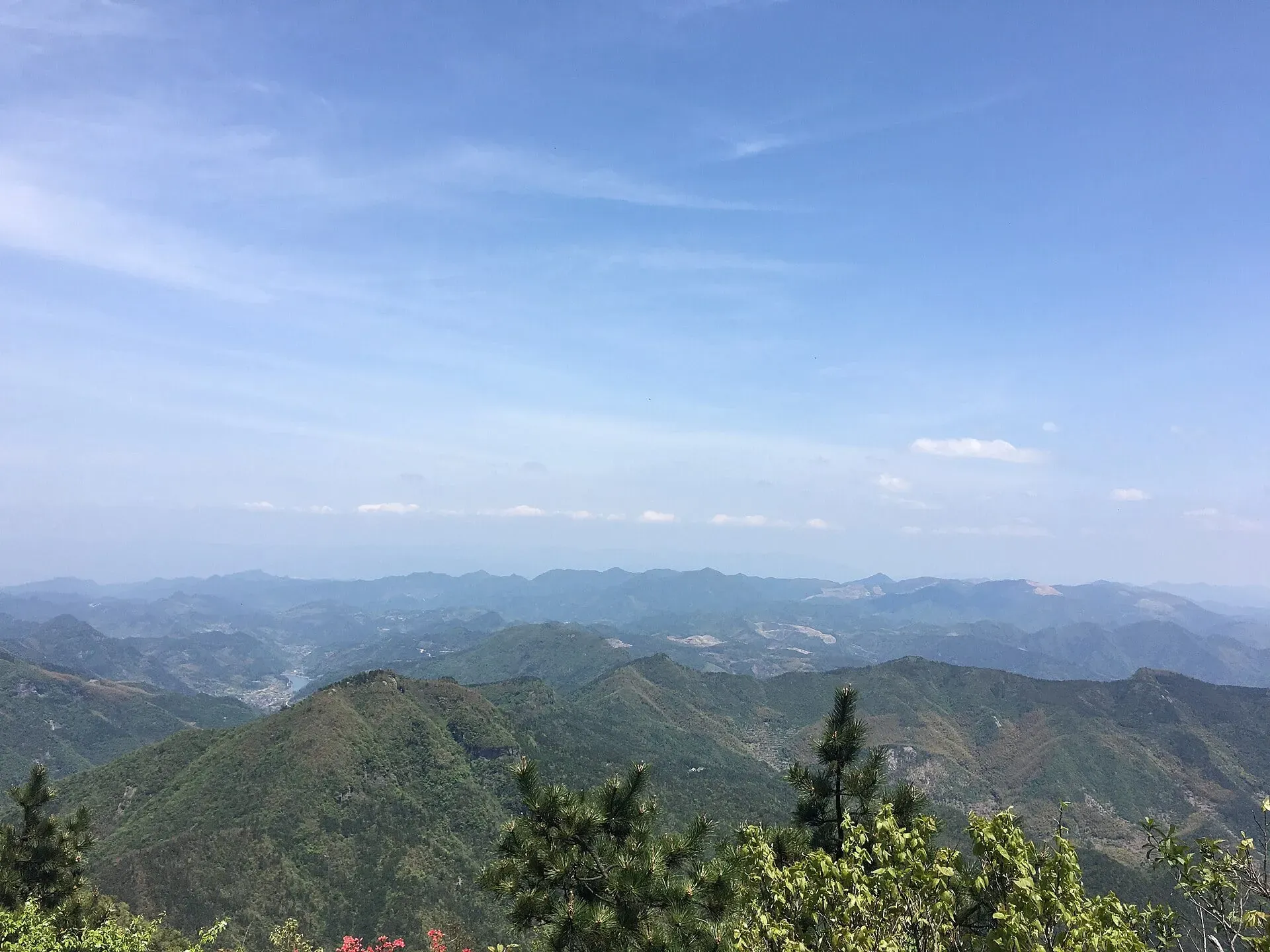
In the hills west of Tiantai town is a vast cave called Hanyan, the Cold Cliff. More than a thousand years ago a poet lived there as a recluse, calling himself the Master of Cold Mountain, and people came to call him Hanshan, also written Han Shan — Cold Mountain. His closest friend was Shide, who worked in the kitchen of Guoqing Temple.
Hanshan, who wrote on the rocks
Little is reliably known about Hanshan’s life. He is generally thought to have lived in the Tang dynasty, at Hanyan on Mount Tiantai, and to have come often to Guoqing Temple; with Shide and Fenggan he is known as one of the Three Recluses of Guoqing. His best-known poem is about Cold Mountain itself:
People ask the way to Cold Mountain;
there is no road through to Cold Mountain.
In summer the ice has not yet thawed;
when the sun comes up, the mist hangs thick.
How could someone like me get there?
My heart is not the same as yours.
If your heart were like mine,
you would be there already.Hanshan’s poems are said to have survived thanks to a prefect of Taizhou. Before Lüqiu Yin took up his post, the story goes, Fenggan told him that the two men tending the kitchen fires at Guoqing Temple were bodhisattvas — Hanshan was Manjushri and Shide was Samantabhadra. Three days after arriving, Lüqiu went to the temple to bow to them. The pair burst out laughing — “Fenggan talks too much, too much!” — ran out of the temple and back to Hanyan, where Hanshan walked into the cliff and the opening closed behind him. Lüqiu sent the monk Daoqiao to find what Hanshan had left behind, and he copied down more than three hundred poems from bamboo, trees, rock faces and the walls of village houses.
The story comes from the preface to Hanshan’s collected poems, signed by Lüqiu Yin himself; the American translator Burton Watson doubts that Lüqiu ever existed and reads the preface as legend. The Complete Tang Poems includes 303 of Hanshan’s poems, most of them in plain, almost spoken language — some urging people to mend their ways, some about life in the mountains, some about Chan.
Shide, the foundling
Shide was an orphan. One day the Chan master Fenggan of Guoqing Temple, on the road to Chicheng, heard a child crying, carried him back to the temple and brought him up, naming him Shide — “picked up.” Grown up, Shide ran the temple kitchen and lamps. When Hanshan came to Guoqing Temple, the two were friends at once. Shide wrote of them:
I have always been Shide, “picked up” —
it is not a name I got by chance.
I have no family of my own;
Hanshan is my elder brother.In another poem, Shide says that anyone who wants to know him need “only go into Mount Tiantai.”
The Twin Immortals of Harmony
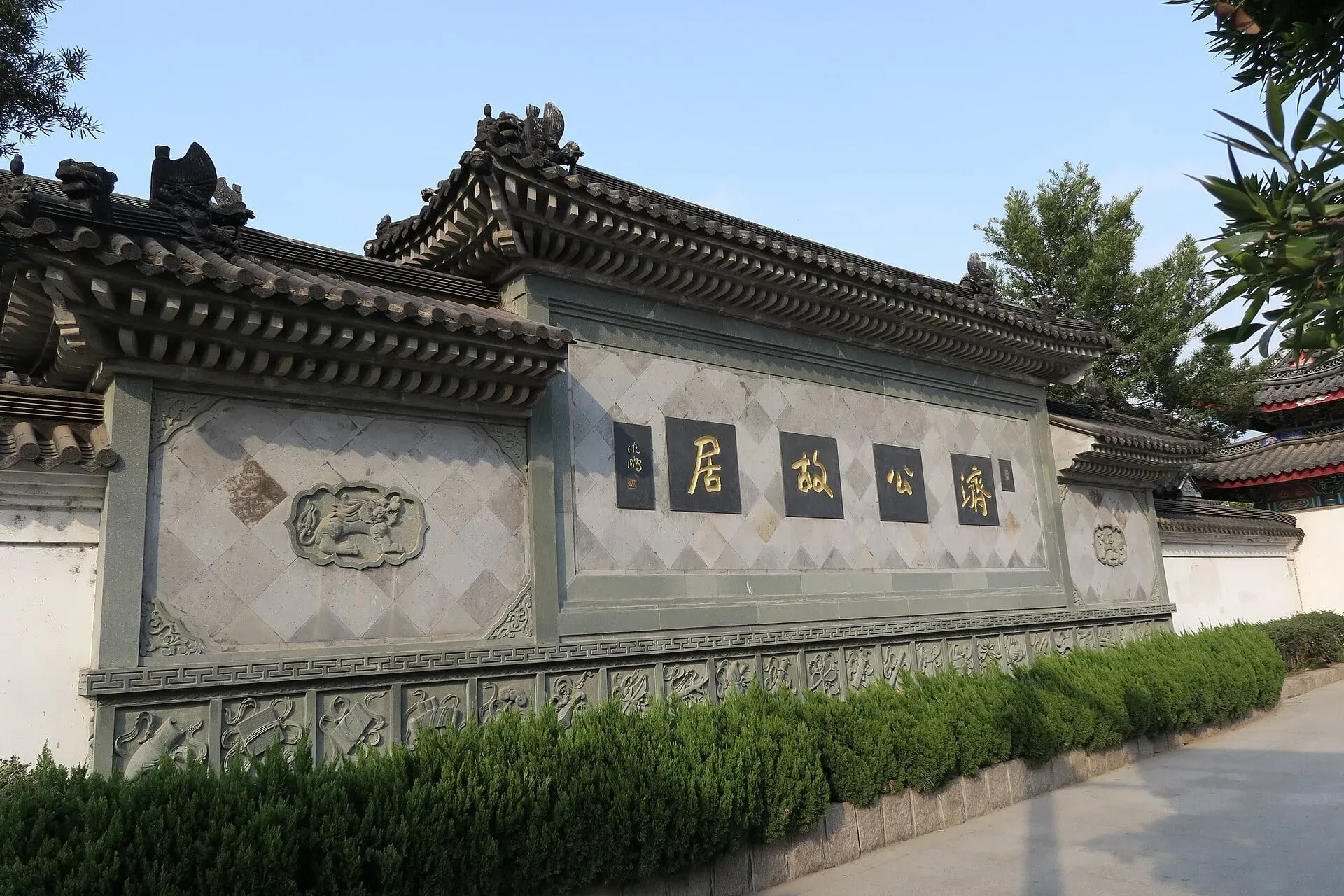
In popular religion Hanshan and Shide became the He-He Er Xian, the Twin Immortals of Harmony — one holding a lotus (he), the other a box (he), puns on “harmony” — who bless friendships and marriages. Legend makes Hanshan an incarnation of Manjushri and Shide of Samantabhadra; under the Yongzheng Emperor of the Qing, Hanshan was titled the Sage of Harmony and Shide the Sage of Union. Hanshan Temple in Suzhou is said to take its name from the two monks’ stay there.
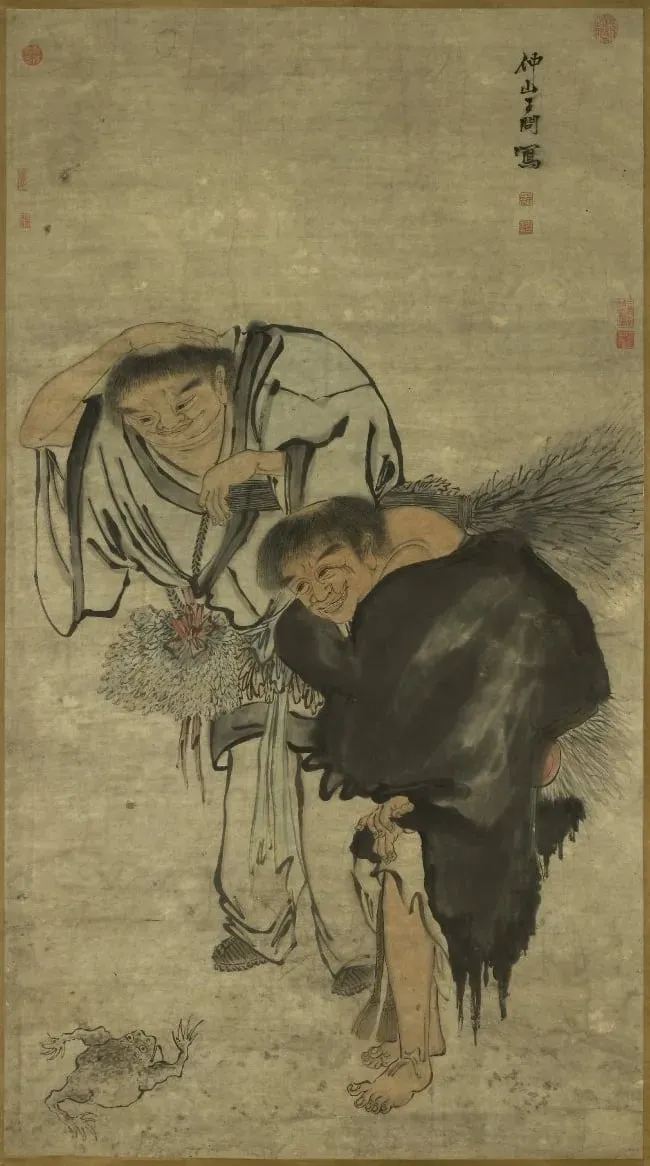
People in Tiantai call Mount Tiantai the holy ground of harmony. When a household makes jiaobingtong for a festival, some always go to the neighbors — and that too, locals say, is harmony at work. See Jiaobingtong.
“Hanshan asked Shide”
The best-known story about the two today is a short exchange:
Once Hanshan asked Shide: “The world slanders me, cheats me, insults me, laughs at me, slights me, despises me, hates me, deceives me. How should I deal with it?”
Shide said: “Just bear with them, yield to them, let them be, keep out of their way, be patient with them, respect them, and pay them no mind. Wait a few years, and then look at them.”The dialogue is nowhere in the Tang collection of Hanshan’s poems or in its preface. The earliest text we have found is in Jianhu Erji, a notebook by the early Qing writer Chu Renhuo, whose preface is dated 1691. The entry is headed “Questions and Answers of Hanshan and Shide,” and the wording is not quite the one in circulation now:
Hanshan asked: “Someone beats me, curses me, insults me, cheats me, threatens me, deceives me, abuses me, treats me in ways past bearing. What should I do with him?”
Shide answered: “Simply avoid him, be patient with him, bear with him, respect him, fear him, yield to him, let him have his way entirely, pay him no mind — and just watch him.”The version people quote today is in the Gazetteer of Hanshan Temple, compiled by Ye Changchi at the end of the Qing, where it is followed by a long verse beginning “This clumsy old man wears a patched robe; plain rice fills his belly.” Ye added a note of his own at the end: the piece had been copied out for him by someone else, he “did not know where it came from,” and it “does not read like the writing of monks of the Tang or earlier.”
So although the dialogue goes under the names of Hanshan and Shide, it was very likely written by someone later; even Ye Changchi, who put it in his book, did not take it for a Tang text.
Cold Mountain abroad
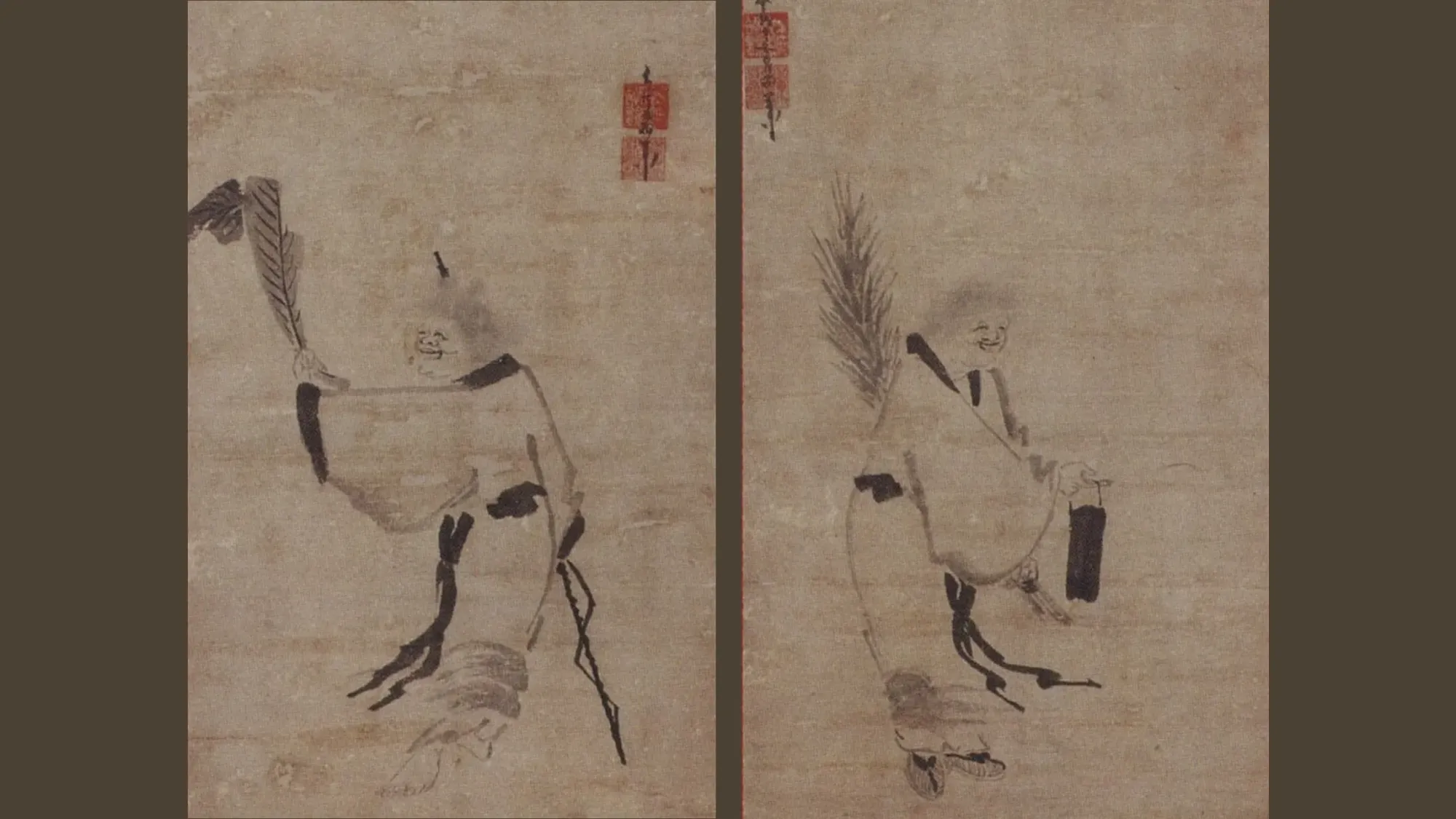
Unknown in his lifetime, Hanshan found fame overseas. In Japan, from the Kamakura to the Edo period, painter after painter took up Hanshan, or Hanshan and Shide together; the great haiku poet Matsuo Bashō wrote that he drank the “wine of the heart” from Li Bai and Du Fu and sipped the “gruel of the Dharma” from Hanshan.
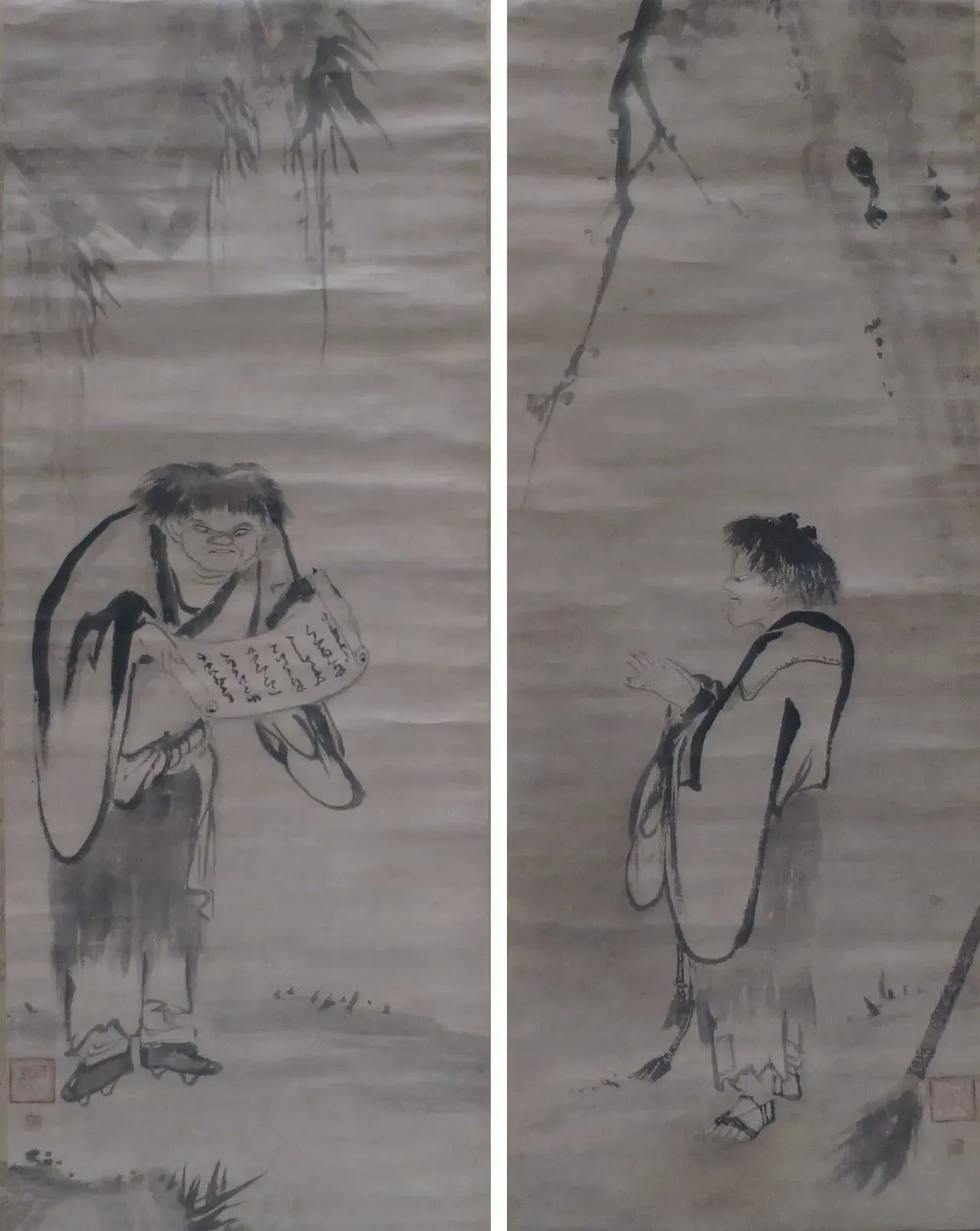
In the 1950s Hanshan reached America. The British scholar Arthur Waley translated twenty-seven of his poems in 1954; the American poet Gary Snyder translated twenty-four as Cold Mountain Poems; and in 1962 Burton Watson published a hundred more. Jack Kerouac’s novel The Dharma Bums closes with a vision of Hanshan, and at Snyder’s suggestion Kerouac dedicated the book to him. Cold Mountain became a hero of the Beat Generation.
Looking for Hanshan in Tiantai
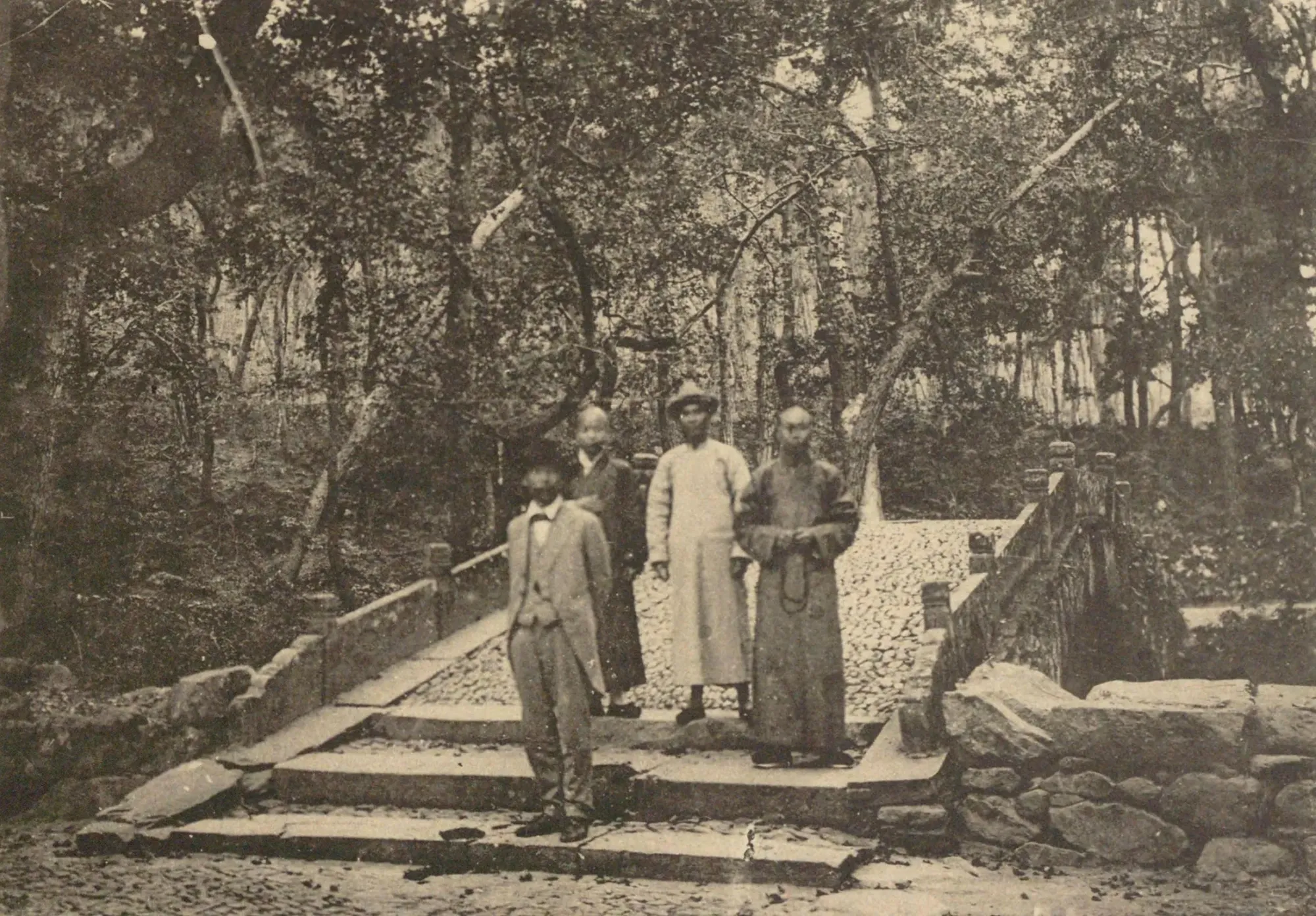
Guoqing Temple’s Hall of the Three Worthies honors Hanshan, Shide and Fenggan, and outside the gate are the Hanshi Pavilion and Fenggan Bridge — see Guoqing Temple.
Hanyan and Mingyan are in the hills west of Tiantai town. In 1613 Xu Xiake went more than fifty li from Guoqing Temple to see them, most of the way on horseback. Mingyan, he wrote, was “where Hanshan and Shide hid themselves,” ringed by cliffs like a city wall; outside stood a boulder several zhang high that split at the top like two figures standing side by side, and the monks told him it was Hanshan and Shide. The next day he reached Hanyan, a sheer rock face as if split by an axe, with a great cave halfway up, eighty paces wide and more than a hundred deep, level and full of light. See Mount Tiantai.
Questions & answers
Who was Hanshan?
A Tang dynasty poet-monk about whom little is reliably known. He lived as a recluse at Hanyan, the Cold Cliff, on Mount Tiantai, calling himself the Master of Cold Mountain, and with Shide and Fenggan of Guoqing Temple is known as one of the Three Recluses of Guoqing. The Complete Tang Poems includes 303 of his poems.
Why is Shide called Shide?
Shide was an orphan whom the Chan master Fenggan found by the road and brought up at Guoqing Temple — shide means “picked up.” He grew up to run the temple kitchen and lamps, and was Hanshan’s closest friend.
Who are the Twin Immortals of Harmony?
Hanshan and Shide. Their friendship made them patrons of harmony between friends and between husband and wife; under the Yongzheng Emperor of the Qing, Hanshan was titled the Sage of Harmony (he) and Shide the Sage of Union (he).
Is Hanshan Temple in Suzhou connected to Hanshan of Tiantai?
By tradition, yes. Hanshan and Shide are said to have stayed at Puming Cloister in Suzhou, which was later renamed Hanshan Temple in his memory. But Ye Changchi, who compiled the temple’s gazetteer at the end of the Qing, already had his doubts — going by the preface to the poems, Hanshan lived in the early Tang, and Ye had never heard of his coming to Suzhou.
Did Hanshan and Shide really say the “Hanshan asked Shide” dialogue?
Probably not. It appears neither in the Tang collection of Hanshan’s poems nor in its preface; an early version is in Chu Renhuo’s notebook Jianhu Erji, whose preface is dated 1691. When Ye Changchi put the wording now in circulation into his Gazetteer of Hanshan Temple at the end of the Qing, he noted that he did not know where it came from and that it did not read like the writing of monks of the Tang or earlier.
Why is Hanshan known in America?
In the 1950s the poet Gary Snyder translated Hanshan, and at Snyder’s suggestion Jack Kerouac dedicated his novel The Dharma Bums to him — making Cold Mountain a hero of the Beat Generation.
Sources
- 寒山诗出自《全唐诗》卷八〇六,拾得诗出自卷八〇七;闾丘胤的故事据《寒山子诗集序》(收在《全唐文》卷一六二);徐霞客的话引自《游天台山日记》。英文为本站翻译。
- 全唐诗 卷八〇六(寒山)· 维基文库
- 全唐诗 卷八〇七(拾得)· 维基文库
- 寒山子诗集序 · 维基文库
- “寒拾问答”据清褚人获《坚瓠二集》卷一;今天流行的版本和叶昌炽的按语,据清叶昌炽《寒山寺志》。
- 坚瓠二集 · 维基文库
- 寒山寺志 · 维基文库
- 徐霞客遊記/遊天台山日記 · 维基文库
- 寒山 · 维基百科
- 拾得 · 维基百科
- 和合二仙 · 维基百科
- Hanshan (poet) · Wikipedia
- He-He Er Xian · Wikipedia
- 妈妈的味道|饺饼筒里的天台记忆 · 天台县妇女联合会(澎湃号),2025 年 3 月 14 日
- 天台山:中国旅游日从浙江出发 · 人民政协网,2026 年 5 月 19 日