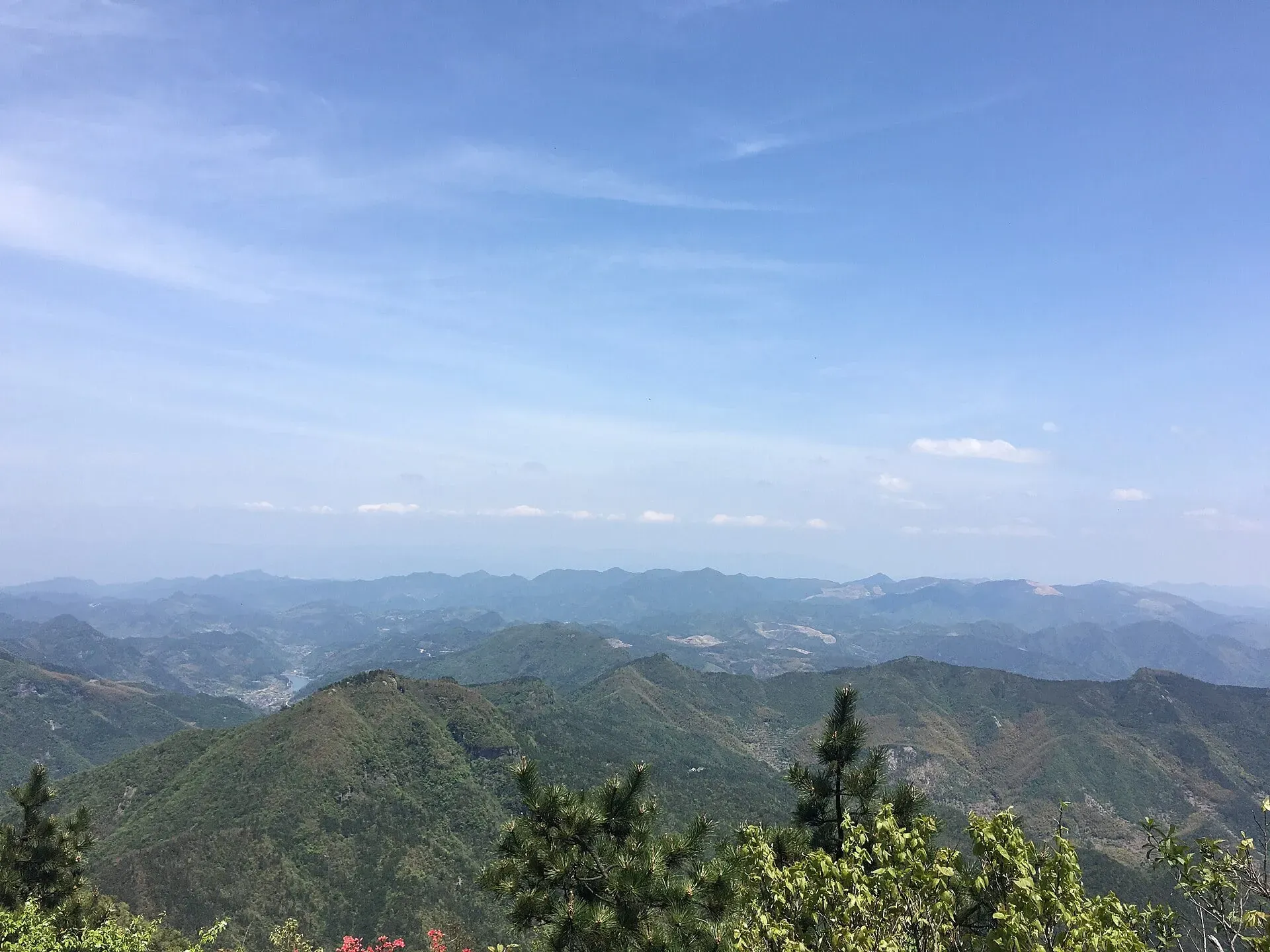
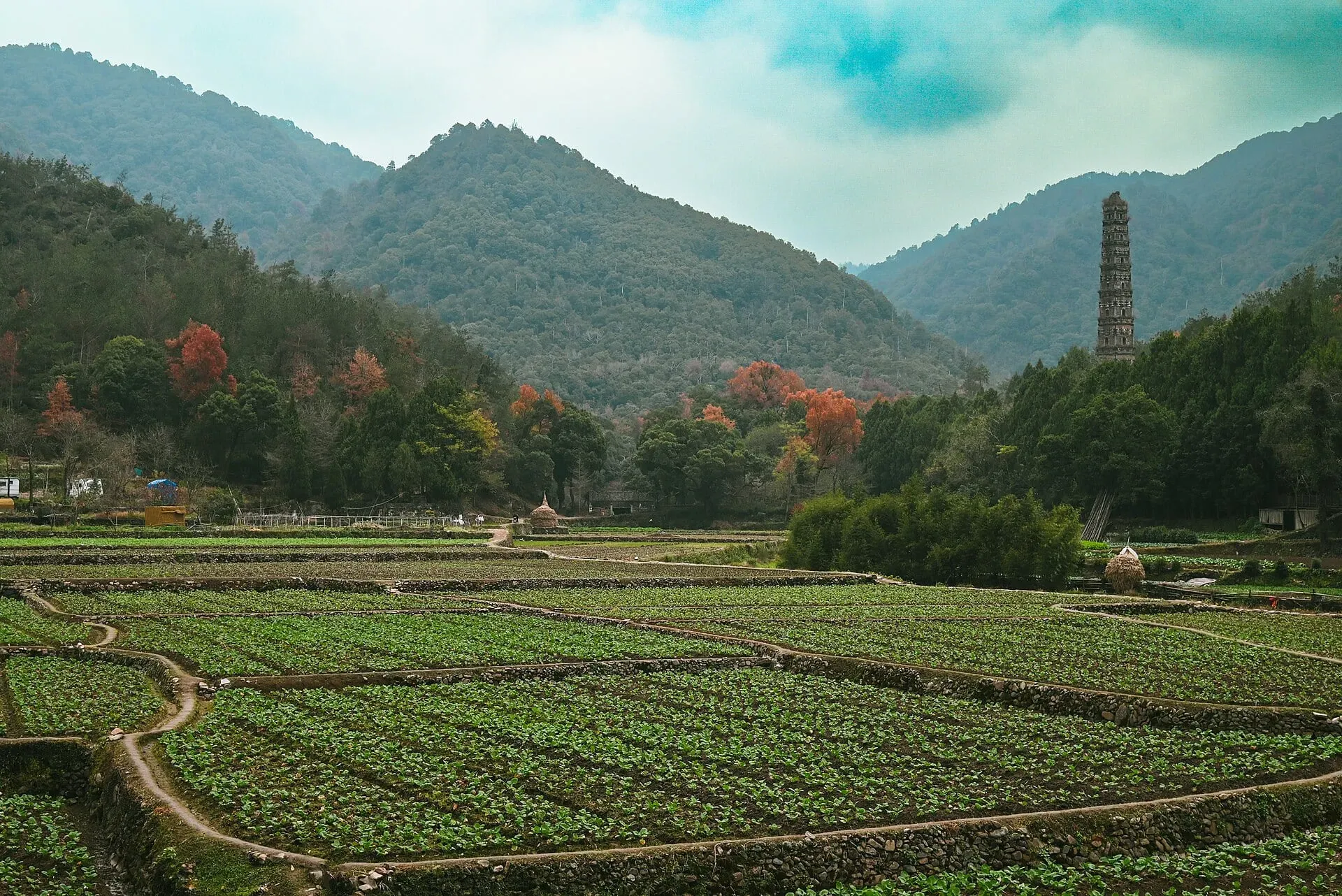
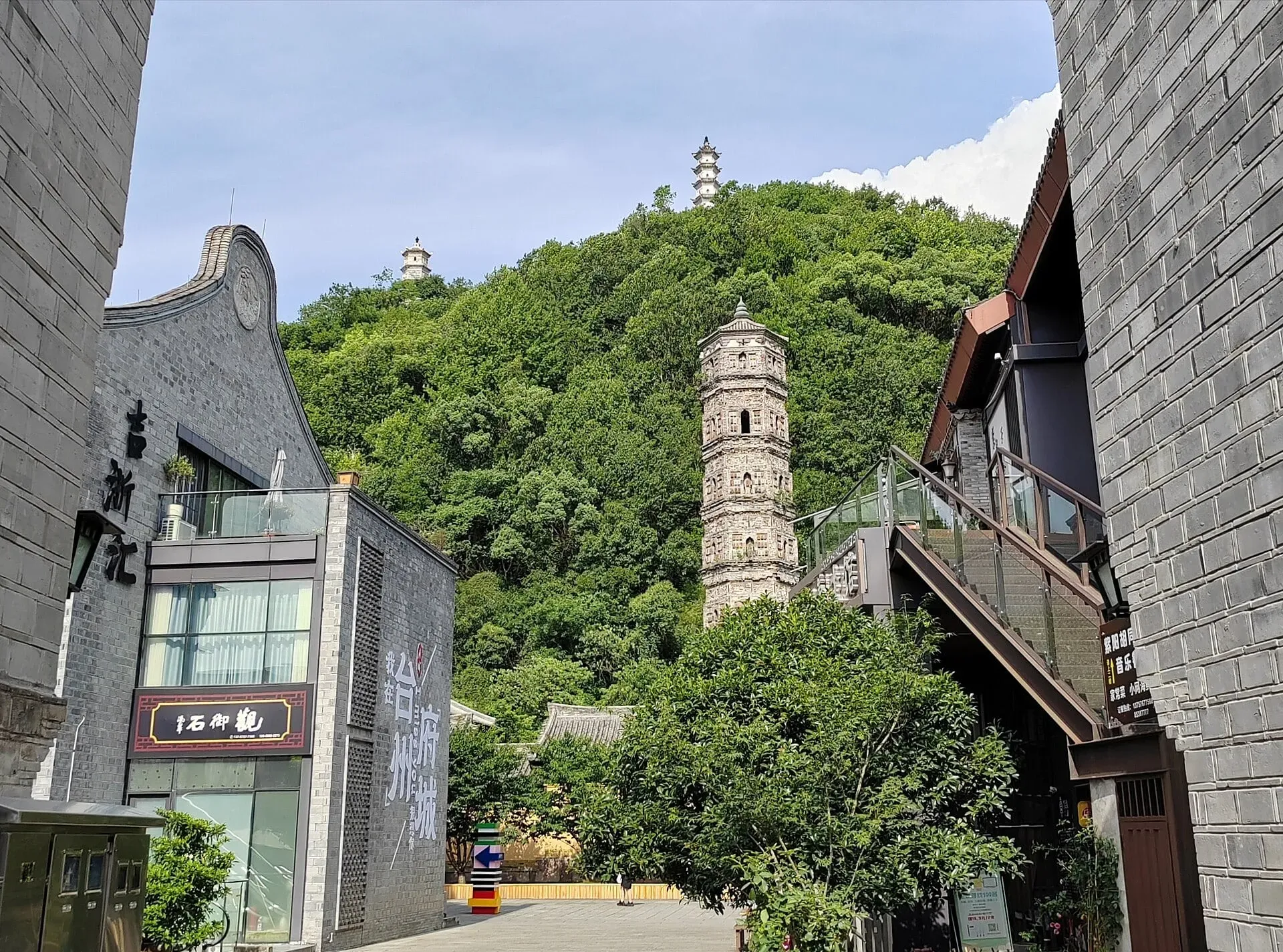
Tang Poetry Road of Eastern Zhejiang
More than a thousand years ago, hundreds of Tang poets set out from the Qiantang River, passed Shaoxing and Shangyu, followed the Shan stream upstream through Shengzhou and Xinchang and went on to Mount Tiantai, leaving well over a thousand poems behind. The route is now called the Tang Poetry Road of Eastern Zhejiang, and the Hangzhou–Taizhou high-speed railway runs south along it.
Tang poets reached eastern Zhejiang mostly by boat: across the Qiantang River, into the Eastern Zhejiang Canal at Xixing, through Shaoxing to Shangyu, then up the Cao’e River and against the current of the Shan stream through Shengzhou and Xinchang, all the way to the Stone Bridge falls on Mount Tiantai — nearly 200 kilometers in all. More than a thousand years later, the route they traveled and wrote about came to be called the Tang Poetry Road of Eastern Zhejiang.
It is not a road anyone built but a string of places: Mirror Lake, the Ruoye stream, the Cao’e River, the Shan stream, Wozhou, Mount Tianmu, Mount Tiantai. By one count, 451 of the more than 2,200 poets in the Complete Tang Poems came to eastern Zhejiang — about one in five — and left more than 1,500 poems.
From where to where
In today’s place names, the main line runs Xiaoshan – Keqiao – Yuecheng – Shangyu – Shengzhou – Xinchang – Tiantai – Xianju (Linhai). There are two views of where it starts: some say Shaoxing, others the Qiantang River in Xiaoshan, Hangzhou — for instance Yupu, where the Fuchun, Puyang and Qiantang rivers meet. It usually ends at the Stone Bridge falls on Mount Tiantai. China News Service put the main line at about 190 kilometers in 2012; People’s Daily reported in 2018 that with its branches the network runs to more than 1,000 kilometers through nearly 30 counties and cities.
Shengzhou is not the start but the middle of the road. Zhu Yuebing, the Xinchang scholar who named it, called Shan the hub for touring the great mountains of eastern Zhejiang — like an airport where travelers change planes today. For why Shengzhou is sometimes called the starting point, see The Poets’ Stream.
Why the poets came
What drew Tang poets was first of all the landscape, and the aura of the great men of the Wei and Jin who had lived here: Wang Xizhi spent his last years at Jinting, Xie Lingyun founded landscape poetry beside the Shan stream, the monk Zhi Dun practiced at Wozhou and on Mount Shicheng, and Dai Kui lived as a recluse in Shan. Professor Zha Pingqiu of Fudan University notes that every Tang scholar grew up reading the Selections of Refined Literature, full of Wei, Jin and Southern Dynasties writing about the scenery south of the Yangtze — so as adults they wanted to see it for themselves.
Eastern Zhejiang was also holy ground for Buddhism and Daoism: Mount Tiantai is the birthplace of the Tiantai school, with Guoqing Temple at its foot, and several of the Daoist grotto-heavens and blessed lands are in this region. Zha Pingqiu says Li Bai, a friend of the Daoist master Sima Chengzhen, came to Tiantai almost as a pilgrim. Some scholars also think one reason Li Bai loved this road was to seek out He Zhizhang, who came from Yongxing in Yue — today’s Xiaoshan, Hangzhou.
Stop by stop, heading south
Xiaoshan: Here the poets crossed the Qiantang River and entered the Eastern Zhejiang Canal at Xixing. Yupu, where the Fuchun, Puyang and Qiantang rivers meet, was already a famous ferry crossing in the Southern Dynasties. He Zhizhang, who wrote the much-loved “Coming Home” — “I left home young and came back old” — was from Xiaoshan.
Shaoxing: Past Mirror Lake the boats reached Kuaiji. The Ruoye stream, the largest of the thirty-six streams that fed Mirror Lake, is where Li Bai set his lotus-picking girls; looking back late in life on his youthful travels, Du Fu wrote, “The women of Yue are the fairest under heaven; Mirror Lake is cool in the fifth month.”
Shangyu: Here the poets left the canal for the Cao’e River. Shangyu was a center of early Yue ware; Cao’e Temple on the riverbank, called the first temple south of the Yangtze, was a place poets passing through liked to visit.
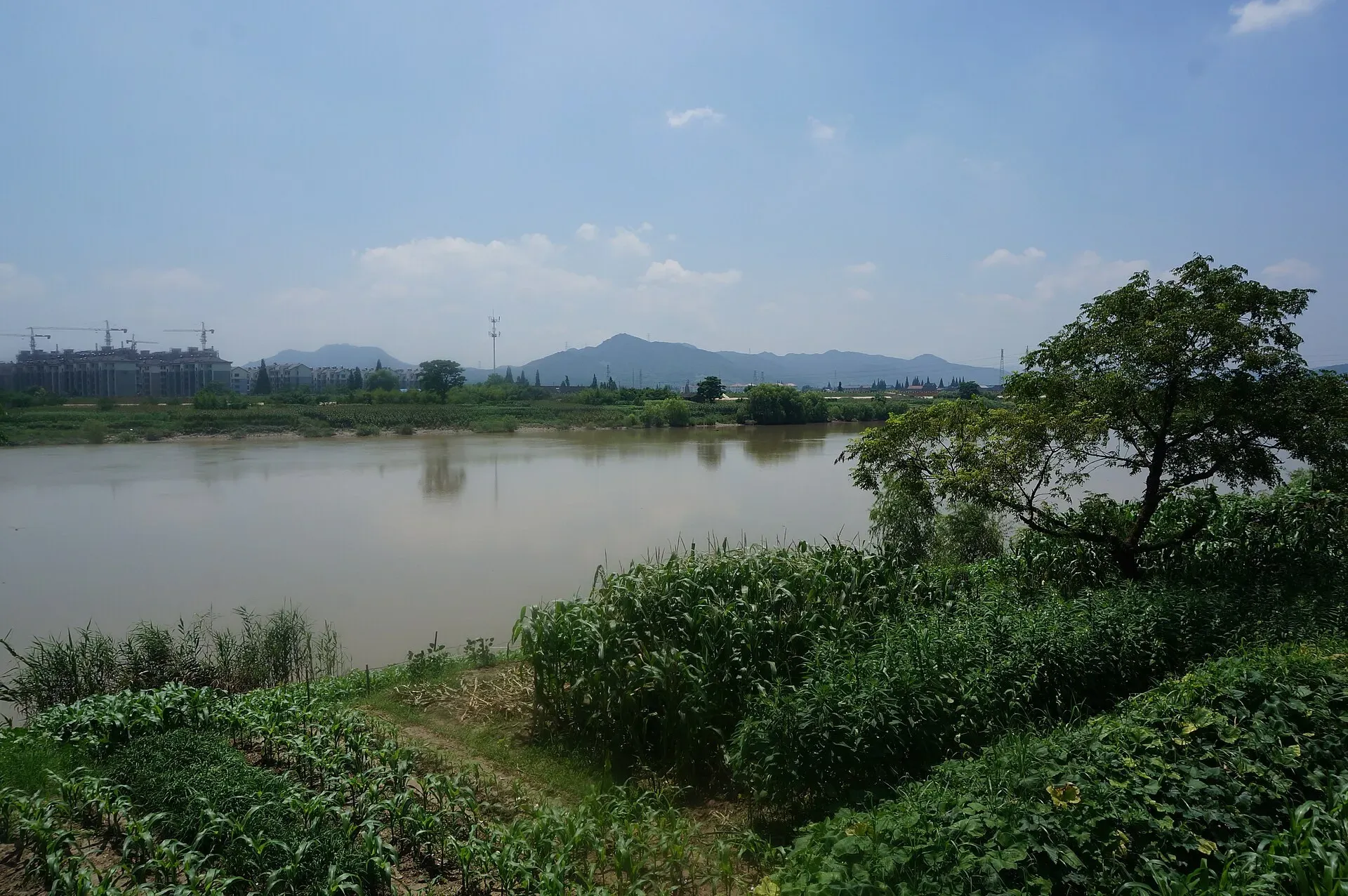
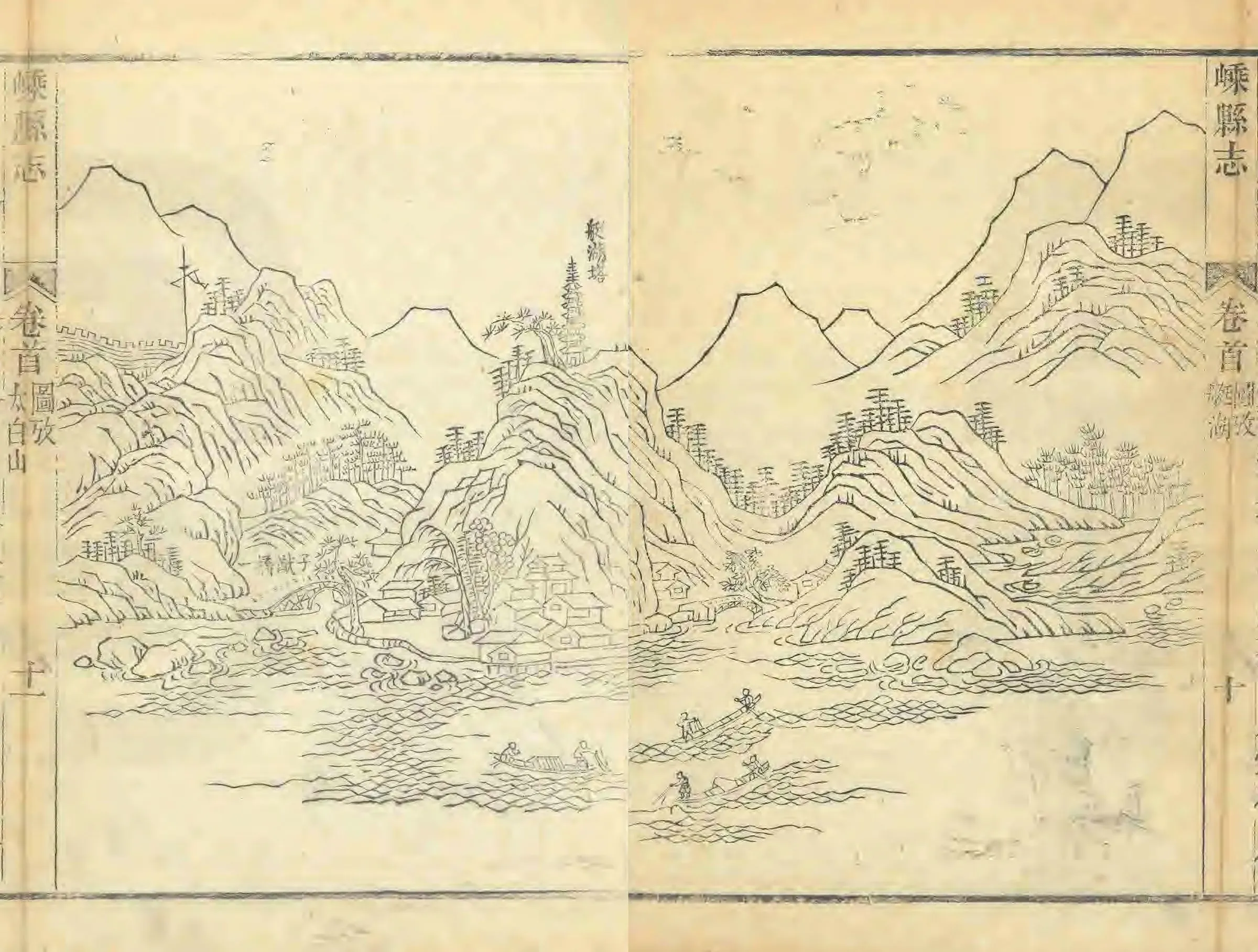
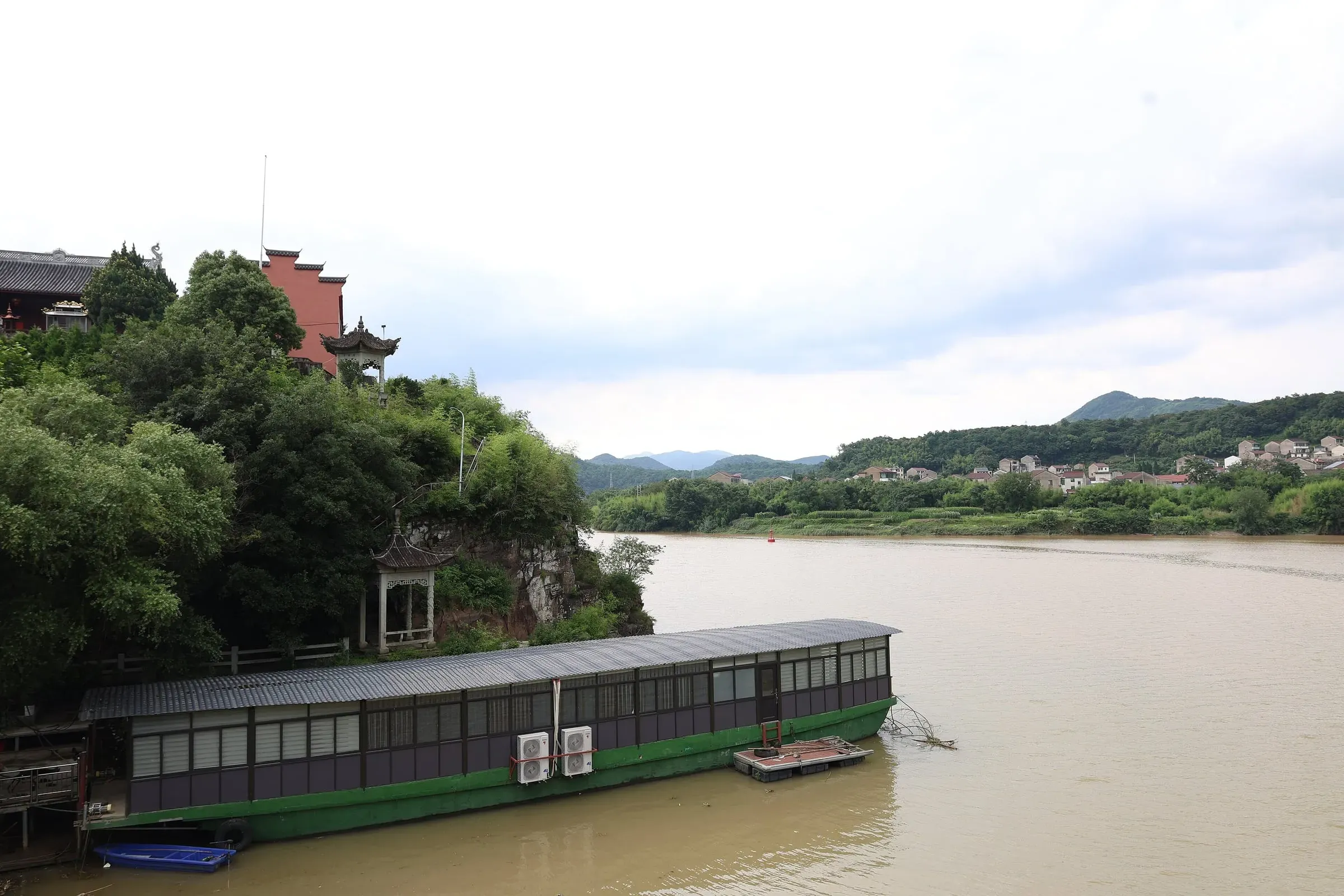
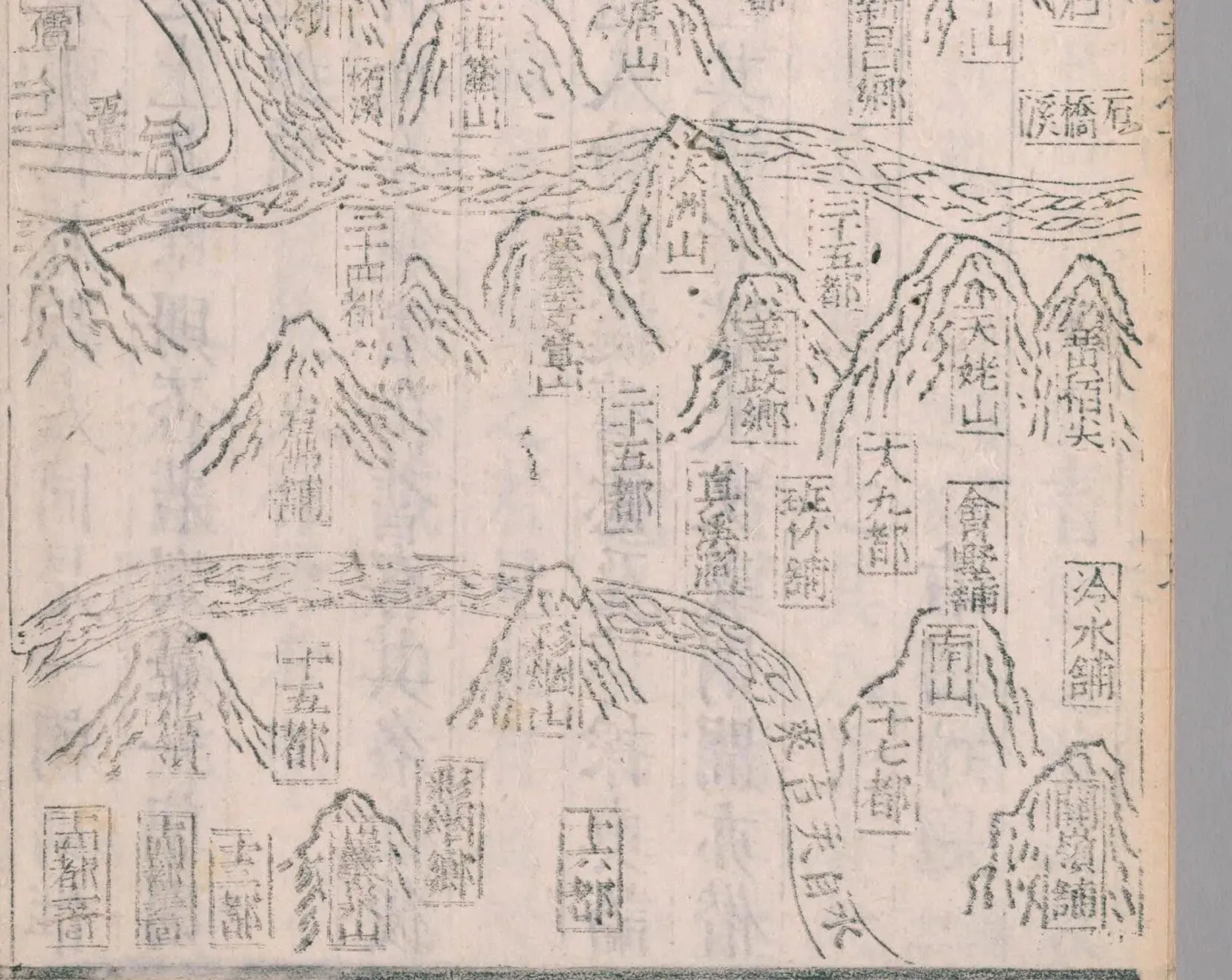
Shengzhou: Upstream, the Cao’e River becomes the Shan stream, and Shengzhou was once Shan county. Yang Qiong of Zhejiang University calls the Shan stream the main waterway of the Tang Poetry Road, the stretch richest in scenery and history and the one where Tang poets left the most traces. The story of Wang Ziyou’s snowy-night visit and Tupu, where Xie Lingyun fished, are both here. See The Poets’ Stream and Following the Tang Poets Through Shengzhou.
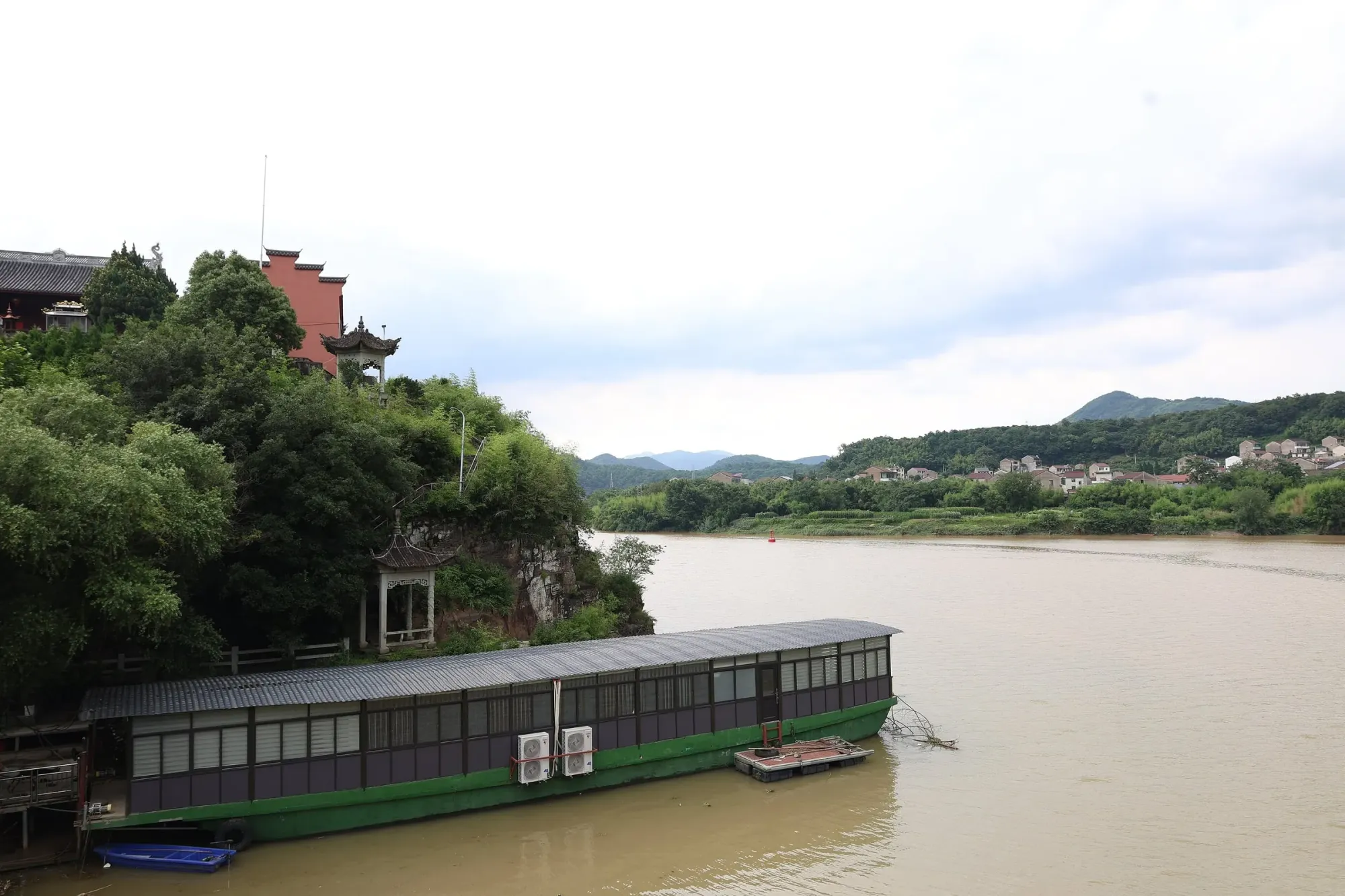
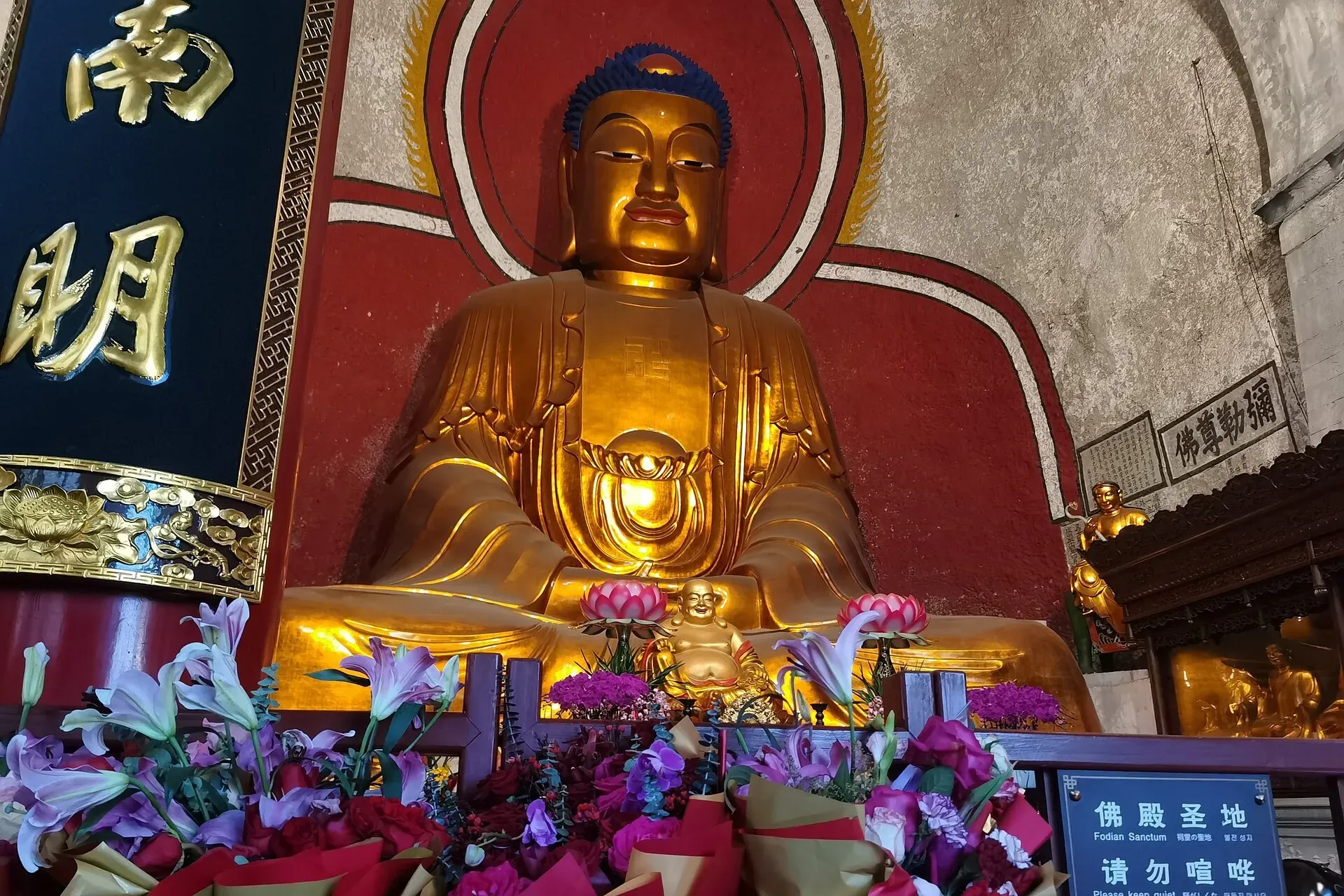
Xinchang: Farther up the Shan stream lie Wozhou and Mount Tianmu. Bai Juyi called Wozhou and Tianmu “the eyes and brows” of the southeastern landscape, and Li Bai wrote Tianmu into “Dreaming of Mount Tianmu.” The stone Maitreya at the Great Buddha Temple on the edge of Xinchang town was already finished in 516. See Mount Tianmu and the Great Buddha Temple.
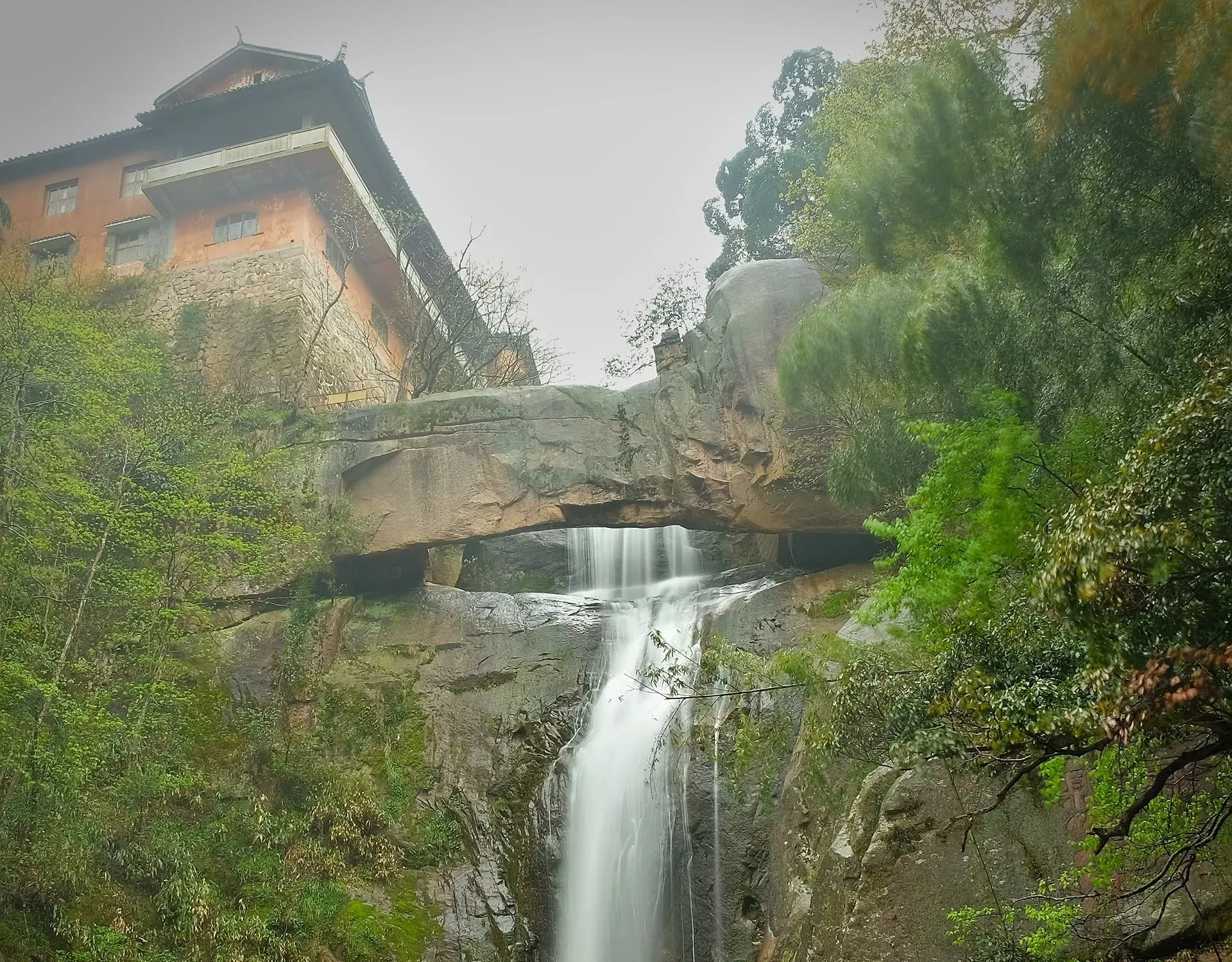
Tiantai: The end of the road, and its heart. By one count, more than 1,200 of the over 1,500 Tang poems about eastern Zhejiang are about Tiantai. At the foot of Mount Tiantai is Guoqing Temple, the founding temple of the Tiantai school, and on the mountain the Stone Bridge falls; Meng Haoran wrote from his boat, “If you ask where I am going now — to Tiantai, to see the Stone Bridge.” According to Zhu Yuebing, Li Bai came to Zhejiang four times and climbed Mount Tiantai twice. See Mount Tiantai and Guoqing Temple.
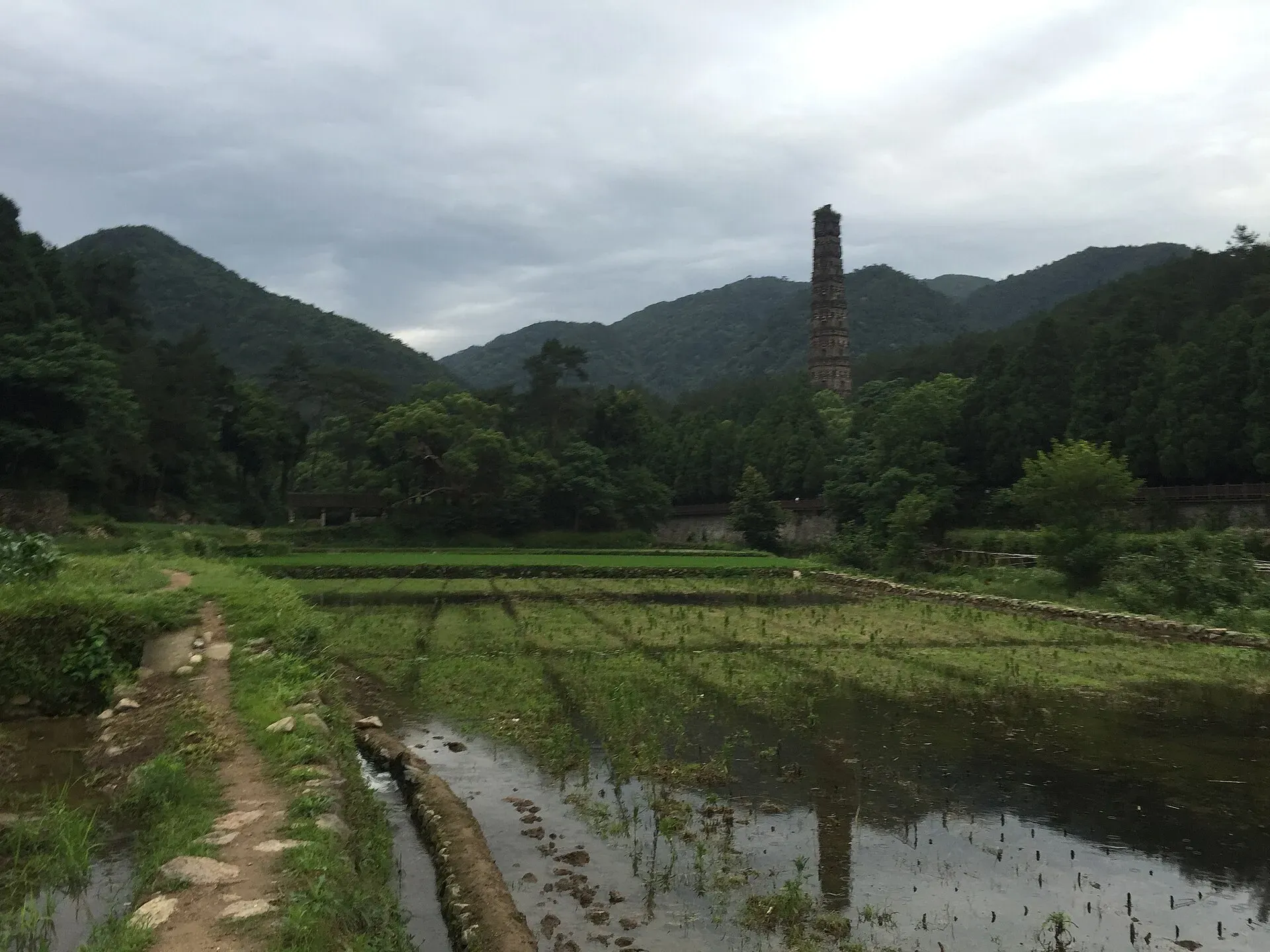
Linhai and Xianju: Farther south the road runs on to Linhai and Xianju in Taizhou, and even to Wenzhou. The Tang poets Zheng Qian, Luo Binwang, Gu Kuang and Ren Fan all held office or lived in Linhai — see Zheng Qian and the Tang Poets of Taizhou — and the wall of its old city is called the Great Wall of the South — see the Taizhou City Wall. Scholars in Xianju even argue that the Tianmu of Li Bai’s dream is really Xianju’s Mount Weiqiang, today’s Shenxianju — see Mount Tianmu and Shenxianju and the Ruyi Bridge.
Tang poems along the way
The road by high-speed train
The Hangzhou–Taizhou high-speed railway opened on January 8, 2022, bringing the railway to Shengzhou, Xinchang and Tiantai for the first time. Xinhua described it as stringing together, from north to south, the landscapes of Tang poetry. The line is 266.9 kilometers long with a design speed of 350 km/h; Hangzhou East to Shengzhou North takes about half an hour.
For Shengzhou, Xinchang, Tiantai and Linhai, see Following the Tang Poets Through Shengzhou, Getting to Xinchang, Getting to Tiantai and Getting to Linhai. Xianju is not on this line; it is reached by the Hangzhou–Wenzhou railway — see Getting to Xianju.
How the road got its name
The name comes from Zhu Yuebing, a scholar from Xinchang. In 1988 he first described the Shan stream as “a road of Tang poetry”; in 1991 he formally proposed the Tang Poetry Road of Eastern Zhejiang; and in 1993 the Chinese Society of Tang Literature adopted the name.
Since then it has become one of Zhejiang’s cultural calling cards. In 2018 the provincial government’s work report called for developing the Tang Poetry Road of Eastern Zhejiang; that October the places along it — Xiaoshan, Yuecheng, Keqiao, Shangyu, Shengzhou, Xinchang, Tiantai, Xianju, Linhai and others — launched a joint initiative; and in 2019 the province set out to build “four poetry roads”: the Tang Poetry Road of Eastern Zhejiang, the Grand Canal Poetry Road, the Qiantang River Poetry Road and the Oujiang Landscape Poetry Road.
Questions & answers
What is the Tang Poetry Road of Eastern Zhejiang?
The route that traveling Tang poets took through eastern Zhejiang — from the Qiantang River through Shaoxing and Shangyu, up the Cao’e River and the Shan stream through Shengzhou and Xinchang, to Mount Tiantai. The name is modern; the Chinese Society of Tang Literature adopted it in 1993.
Where does the Tang Poetry Road begin and end?
Accounts differ on the start — some say Shaoxing, others the Qiantang River in Xiaoshan, Hangzhou, around Xixing or Yupu. The main line usually ends at the Stone Bridge falls on Mount Tiantai, though some extend it to Xianju, Linhai and Wenzhou.
How many Tang poets traveled it?
The usual figure is 451 poets — about a fifth of those in the Complete Tang Poems — and more than 1,500 poems, over 1,200 of them about Mount Tiantai. Other counts give more than 400 poets and over 1,000 poems.
Who came up with the name?
Zhu Yuebing, a scholar from Xinchang. He first called the Shan stream “a road of Tang poetry” in 1988, formally proposed the Tang Poetry Road of Eastern Zhejiang in 1991, and the Chinese Society of Tang Literature adopted the name in 1993.
How can I travel the route today?
The Hangzhou–Taizhou high-speed railway is the easiest way — from Hangzhou East it calls at Shaoxing North, Shangyu South, Shengzhou North, Shengzhou-Xinchang and Tiantaishan, running north to south along the route. Hangzhou East to Shengzhou North takes about half an hour.
Is Shengzhou where the Tang Poetry Road begins?
Not of the whole road. Shengzhou lies in the middle of it and calls itself the road’s geographic center and core; when people speak of a start there, they usually mean Tupu in Sanjie, at the mouth of the Shan stream, where the road’s Shan stream section begins.
Sources
- 诗句出自《全唐诗》:贺知章《回乡偶书》(卷一百一十二)、李白《采莲曲》《秋下荆门》《梦游天姥吟留别》、杜甫《壮游》、孟浩然《舟中晓望》(卷一百六十);白居易的话出自《沃洲山禅院记》。英文为本站翻译。
- 高铁连通“浙东唐诗之路”,访天姥无须“梦游” · 新华社“草地”周刊(凤凰网转载),2022 年 1 月 16 日
- 杭台高铁穿梭的浙东唐诗之路 是一条怎样的路? · 都市快报(杭州网),2022 年 1 月 7 日
- 嵊州、新昌、天台通高铁啦!杭绍台铁路昨试运行 · 杭州网,2021 年 11 月 27 日
- 浙东唐诗之路:一条诗歌型的文化线路 · 光明网,2021 年 4 月 25 日
- 悠悠唐诗路 梦回天姥山 · 人民日报,2018 年 10 月 3 日
- 400诗人踏出浙东唐诗之路 浙江多地欲申遗 · 中新网,2012 年 11 月 26 日
- 剡溪为何含“唐”量如此高 · 钱江晚报,2023 年 9 月 2 日(浙江省社科联网站转载)
- 剡溪——唐诗之路(竺岳兵)· 新昌浙东唐诗之路研究社
- 浙东唐诗之路是如何形成的 · 中国作家网,2019 年 6 月 3 日
- 天姥之名归何处,引学术界热议 · 台州日报,2018 年 10 月 18 日(百度百科转载)
- “嵊”与“剡”:两个字里的江南 · 光明日报(林玮),2024 年 4 月 19 日
- 浙江嵊州创建“中华诗词之乡”,推动浙东唐诗之路核心区建设 · 澎湃新闻,2022 年 12 月 14 日
- 贺知章 · 维基百科
- 全唐诗 卷一百六十(孟浩然)· 维基文库