Places to Visit
The volcanic spires of Shenxianju, the old salt port of Potan, the Ming and Qing courtyard houses of Gaoqian, a nine-thousand-year-old village site at Xiatang, and more than 80 km of greenway along the Yong’an River.
Most of what there is to see in Xianju lies along the Yong’an River, which crosses the county from west to east. On its banks are mountains of volcanic rock, an old town built on the salt trade, villages several centuries old, and a greenway you can follow for mile after mile. Here are the places worth the trip.
Shenxianju
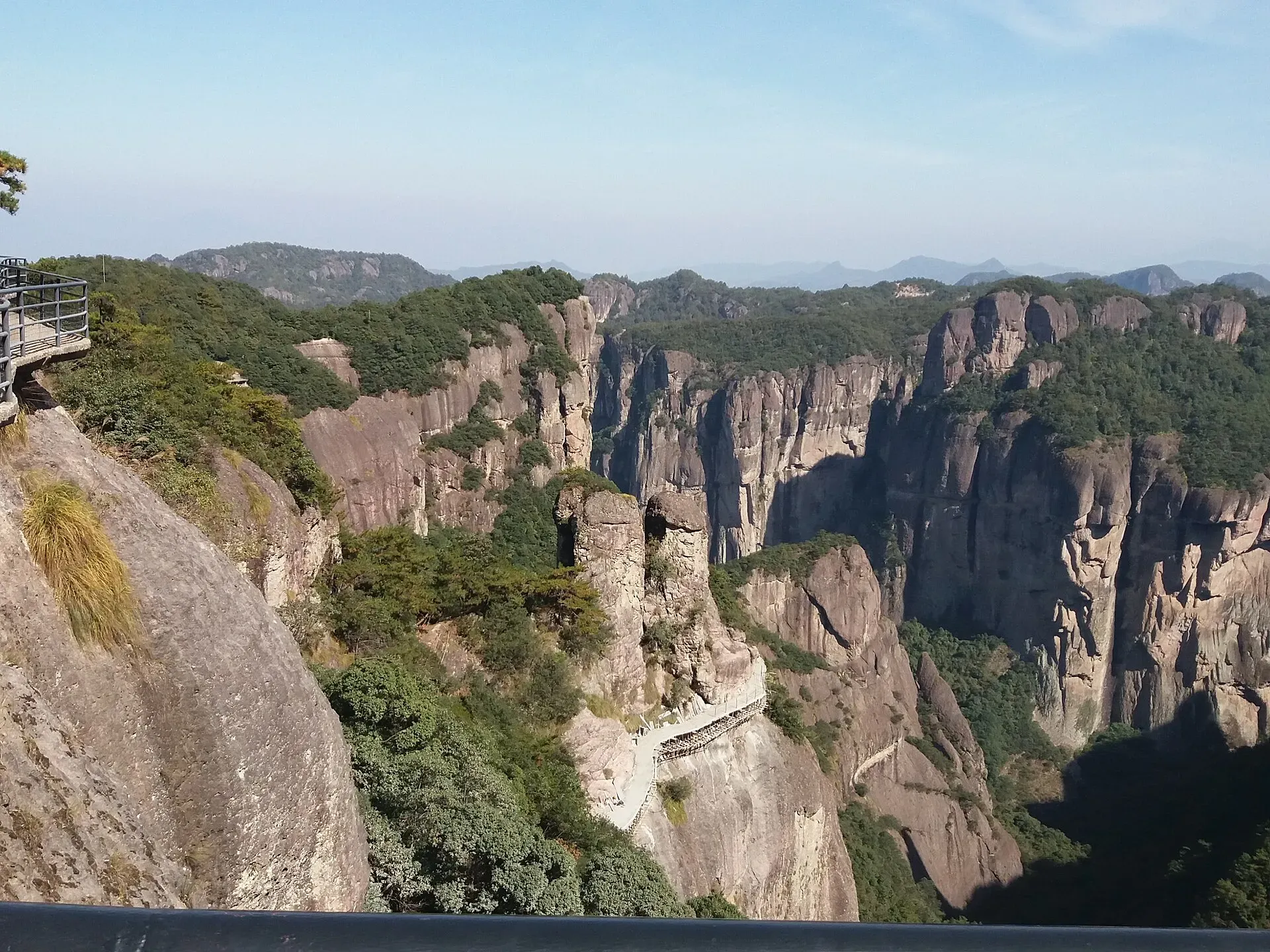
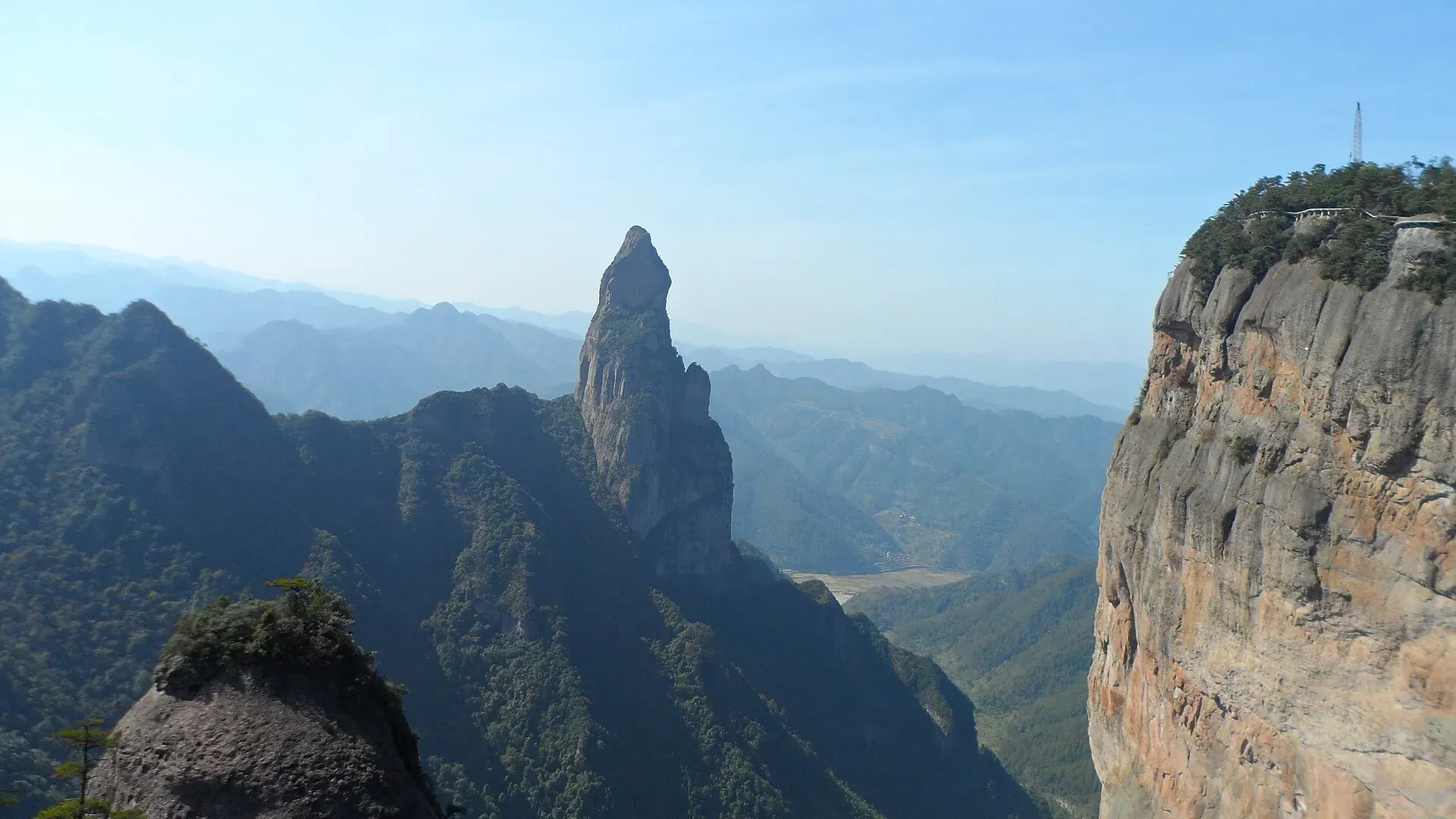
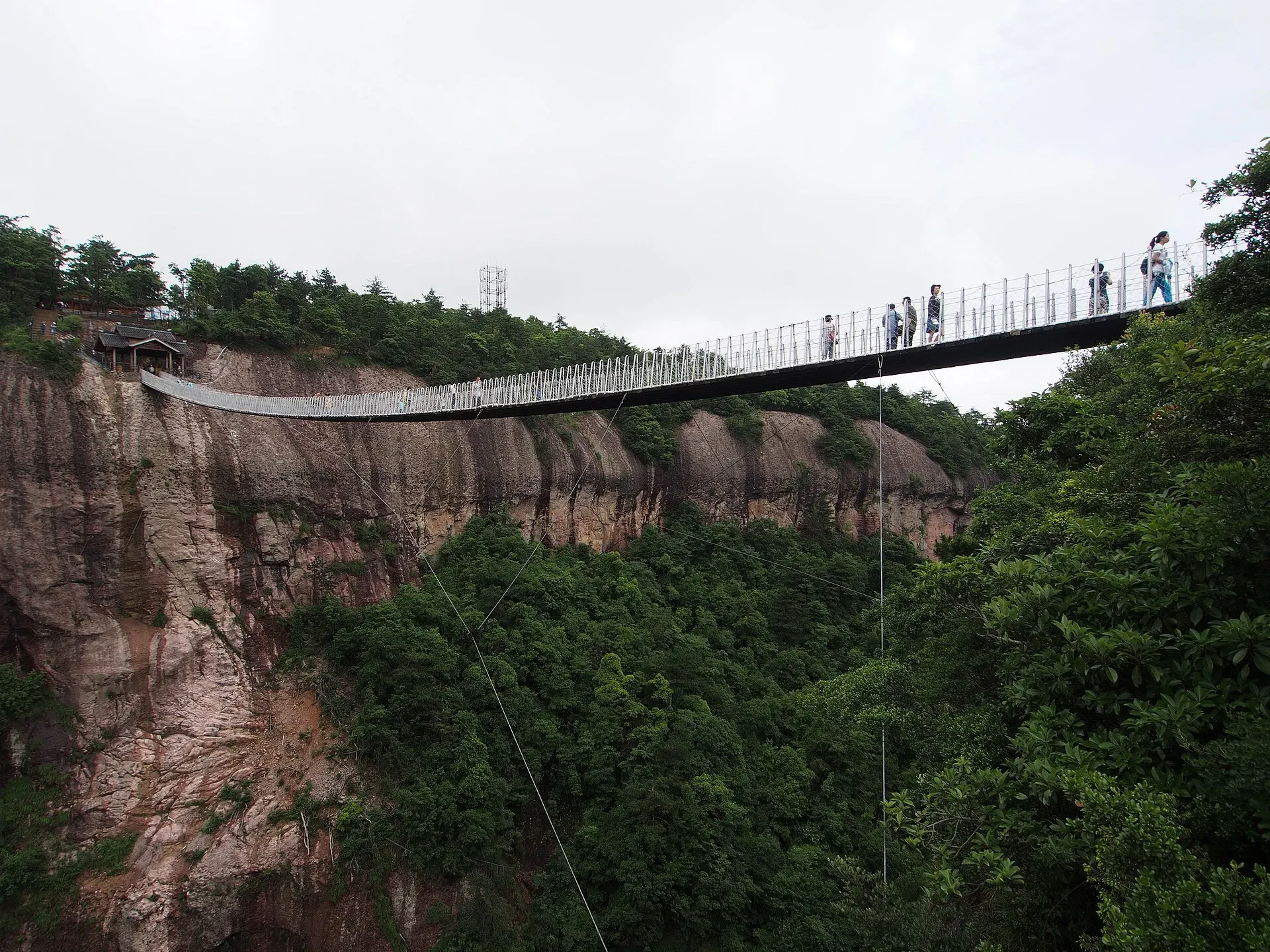
Shenxianju is what Xianju is known for: cliffs and spires of volcanic rhyolite, rated a national 5A scenic area in 2015. The Ruyi Bridge, opened there in 2020, spans a gorge in the shape of a jade ruyi scepter. Cable cars run up on both the south and the north side, the walkways on top are mostly gentle, and it is about 16 km from Xianju high-speed station. More in Shenxianju and the Ruyi Bridge.
Jingxing Rock
Near Shenxianju stands Jingxing Rock, a mountain made of a single block of stone with sheer cliffs on every side; today an elevator built into the cliff takes you to the top. “Moonrise over Jingxing” was one of Xianju’s eight traditional views. See the section in Shenxianju and the Ruyi Bridge.
Gaoqian village
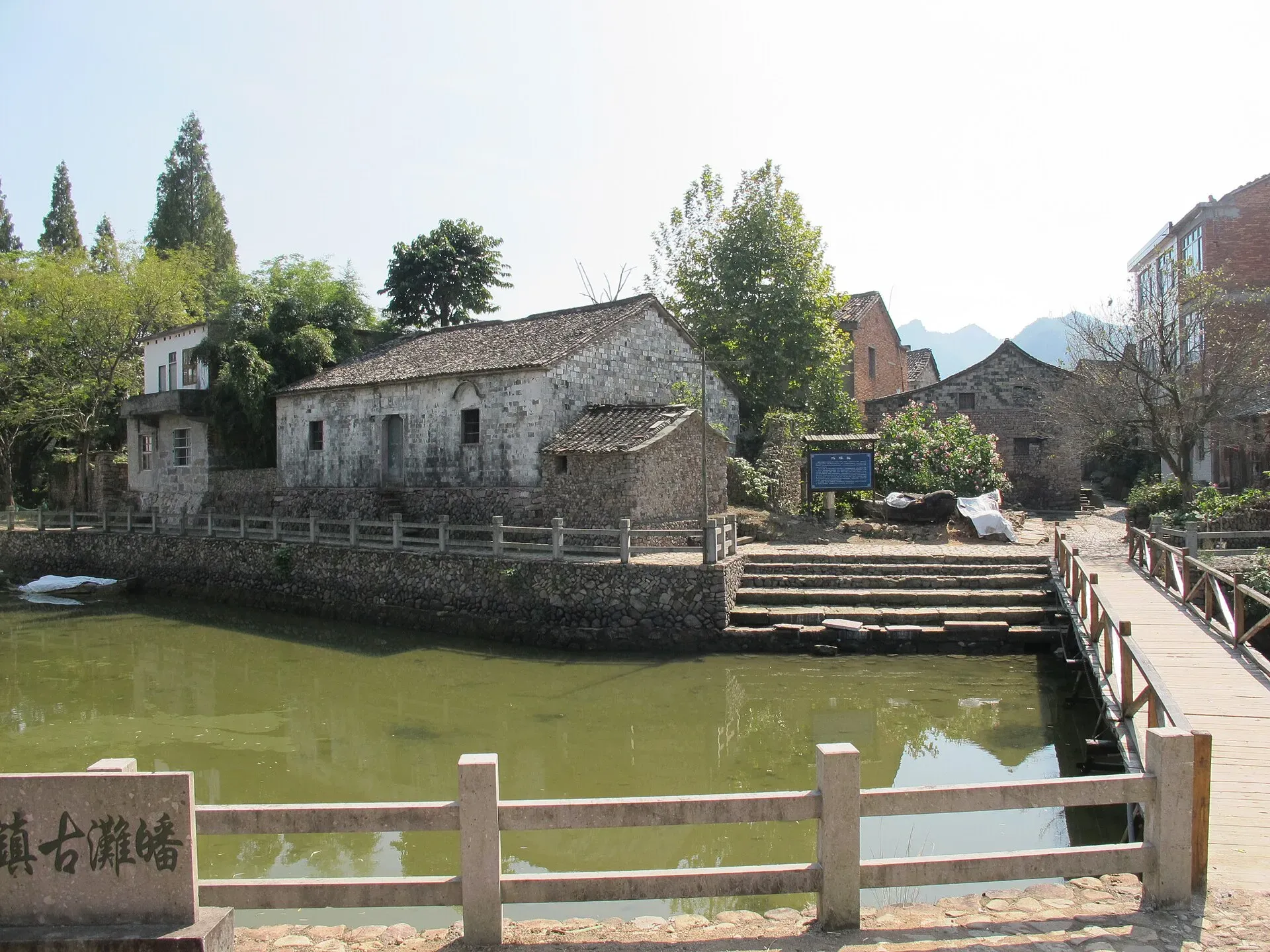
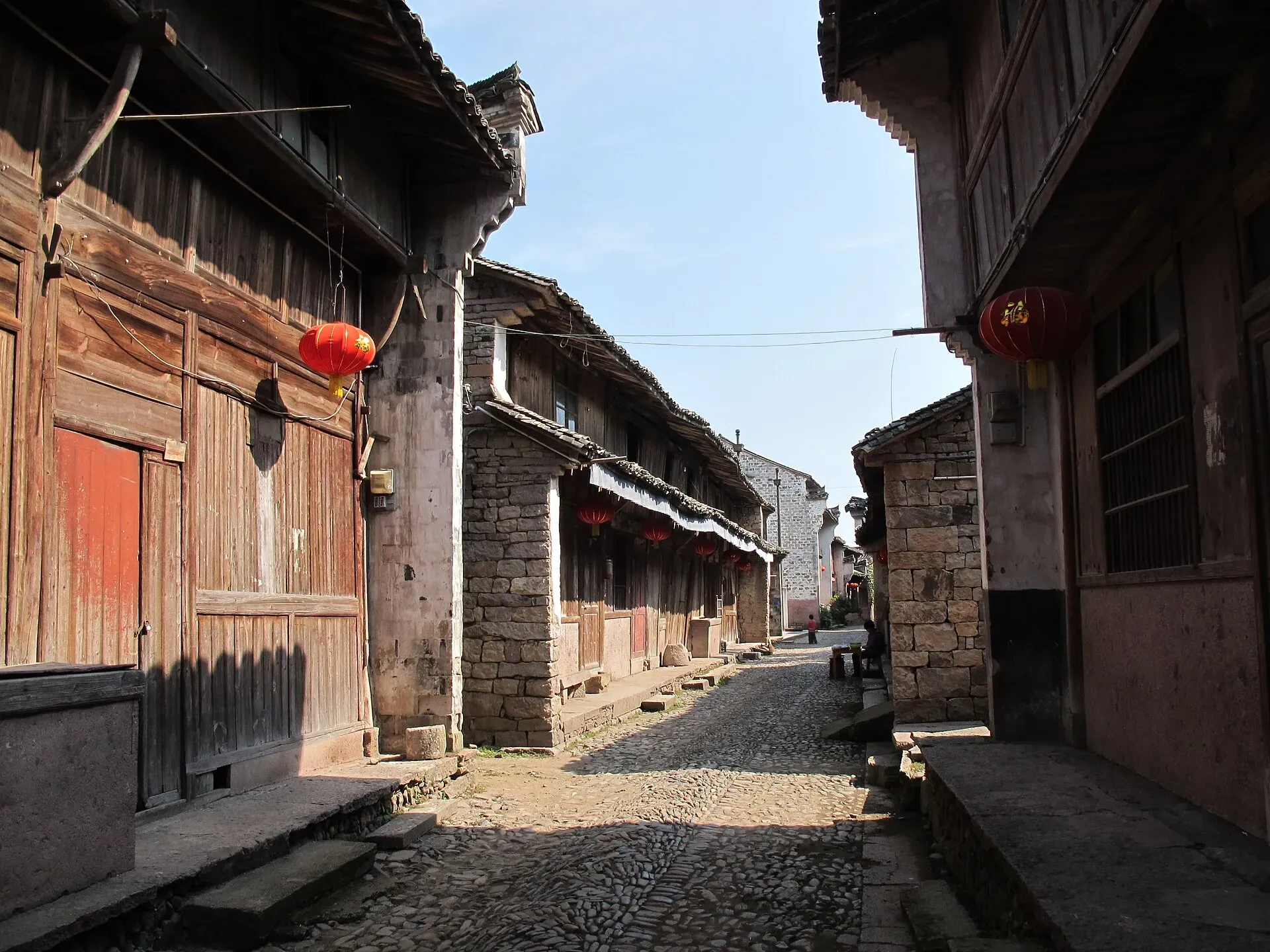
The dedicated bus from Xianju station to Shenxianju passes Gaoqian, a village in Baita Town that Xinhua, reporting in 2026, calls one of China’s “traditional villages,” a national designation. It sits at the foot of the hills with the Yong’an River flowing past, and still keeps more than a dozen Ming and Qing courtyard houses, joined by stone walls, stone houses and stone lanes.
According to the same report, the carved corbels of the Wu ancestral hall — the brackets called niutui, “ox legs” — are well worth a look, with scenes from the Three Kingdoms and twining lotus scrolls. Even more unusual is what lies underfoot: in many courtyards and entrance halls, pebbles taken from the Yong’an River are set into the floor as auspicious pictures, two lions playing with a ball or a carp leaping the Dragon Gate, and the pebble doorway of the Shende Hall house is especially fine. The craft, called pebble inlay, is on Zhejiang’s list of intangible cultural heritage.
The People’s Daily reported in 2023 that Gaoqian has put conservation first in recent years, restoring its old houses as they were; that year, in yangmei season, its 56 farmhouse inns and 2,000 beds were almost fully booked.
Potan and the Tongjiang Academy
About 25 km west of the county town, on the Yong’an River, is Potan. From the late Tang it was the landing where sea salt was sent on to the inland counties of western Zhejiang, and its dragon-shaped old street, about 2 km long, is still lined with Ming and Qing shops. Xianju’s needle-pricked boneless lanterns began here too. The Tongjiang Academy nearby was founded in the Southern Song, and the philosopher Zhu Xi is said to have lectured there. More in Potan Old Town and the Boneless Lanterns.
The Xiatang site
Xianju has places far older than its old towns and villages. The Xiatang site, at Xiatang Village in Hengxi Town, is a Neolithic settlement of about 30,000 square meters with up to 2.5 meters of deposits, running from the Shangshan culture through the Kuahuqiao, Hemudu and Haochuan cultures — in the words of the excavation leader, Zhong Zhaobing, “the whole of the Neolithic in Zhejiang.” According to Xinhua, archaeologists have uncovered a Shangshan village of around nine thousand years ago laid out in three rings: a central terrace, artificial earth platforms around it, and a moat beyond. In April 2025 it was named one of China’s ten most important archaeological discoveries of 2024.
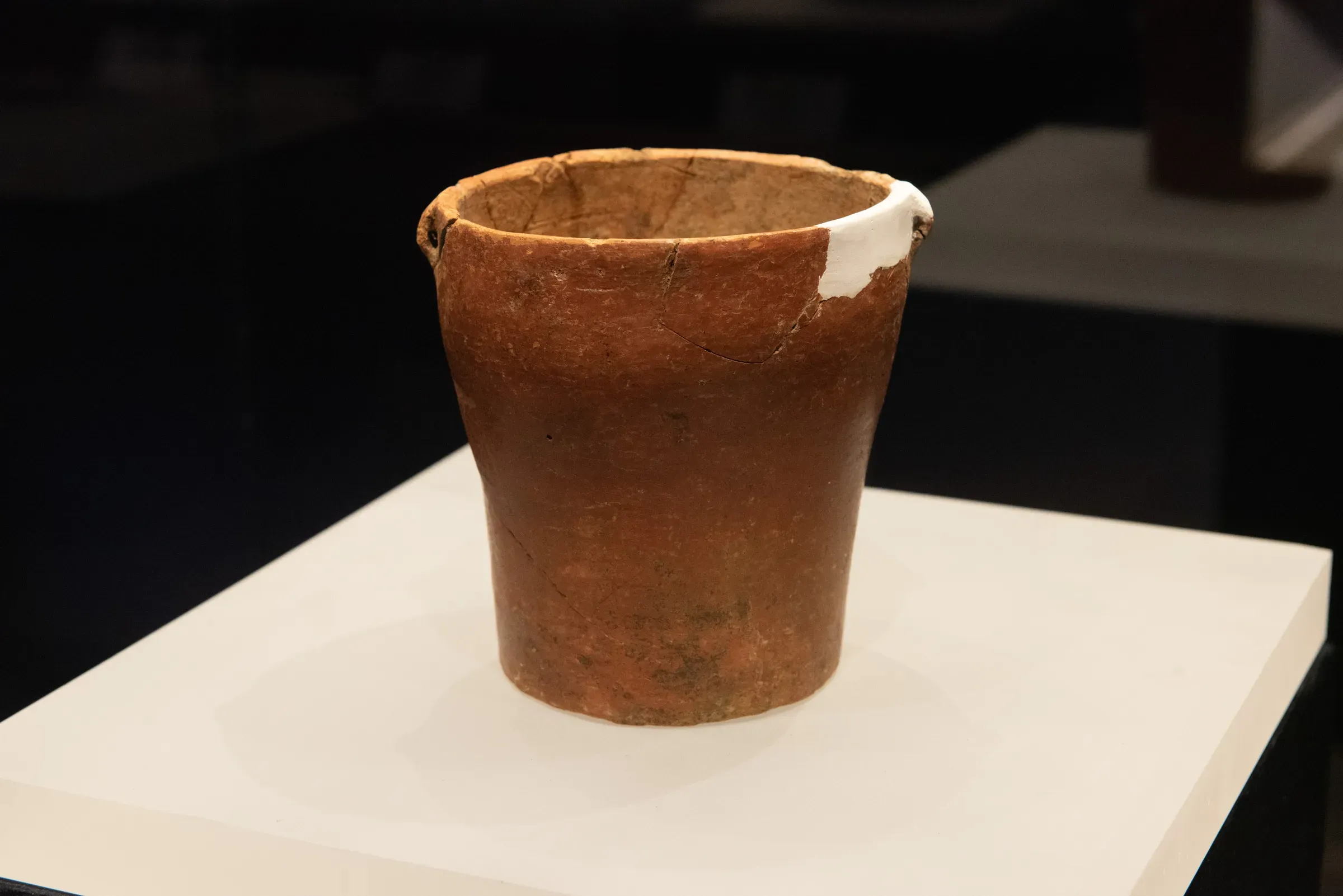
The Shangshan culture is closely tied to the beginnings of rice farming in China, and Shengzhou’s Xiaohuangshan site belongs to it too — see Xiaohuangshan and the Shangshan culture. The overseas edition of the People’s Daily reports that stone grinding slabs and red pottery from Xiatang were shown at the Zhejiang Provincial Museum’s exhibition of new finds in 2025. The site itself is still mainly a place of excavation and research; we have found nothing about it being open to visitors, so ask locally before you go.
The Yong’an River greenway
Along the Yong’an River, Xianju has built a long greenway. According to the overseas edition of the People’s Daily in 2022, it runs for more than 80 km and is a national 4A scenic area that costs nothing to visit. In autumn the trees along it turn every color, and townspeople and visitors come to walk and keep fit.
Yangmei in June
Come in June and you will be in time for the yangmei, the Chinese bayberry. Xianju is known as China’s home of yangmei, and its hillsides ripen every June. More in Xianju Yangmei.
Getting around
Xianju station is on the Hangzhou–Wenzhou high-speed line, about an hour and twenty minutes from Hangzhou West. Dedicated buses run from the station to the Shenxianju visitor center, passing Gaoqian on the way, and to the county town; for Potan and Jingxing Rock, a car is easier. See Getting to Xianju. For a day trip from Hangzhou, see Day Trips from Hangzhou by High-Speed Train.
More photos
All photos